Have you ever watched a movie that made you feel like you were standing right in the middle of a protest, a courtroom, or a remote village? That is the power of global documentary films. These are not just movies; they are windows into lives that rarely make it to mainstream news. They expose stories from every corner of the earth, challenging how we see our own world.
If you think documentaries are only about nature or history, think again. Today's best non-fiction filmmaking tackles climate change, labor rights, political upheaval, and cultural identity with raw honesty. Whether you are a cinephile or someone looking for truth behind the headlines, this guide highlights essential titles that define the landscape of international cinema today.
Why Global Perspectives Matter in Cinema
Hollywood often tells the world's story through an American lens. But when directors from other regions take the camera, the narrative shifts. It becomes more nuanced, more personal, and often more urgent. International Cinema is a collection of film traditions outside the dominant Hollywood industry, characterized by diverse storytelling styles and local cultural contexts. This movement allows audiences to understand complex global issues without the filter of foreign policy spin.
Consider the difference between a news report on a refugee crisis and a documentary shot inside a refugee camp. The news gives you statistics. The documentary gives you a face, a name, and a struggle. This emotional connection is what drives change. By watching these films, you are not just consuming content; you are building empathy across borders.
Essential Documentaries on Social Justice
Social justice remains one of the most powerful drivers of documentary filmmaking. These films often start small, focusing on one person or one community, but expand to reveal systemic failures. Here are three titles that have reshaped public discourse:
- The Salt of the Earth: Directed by Wim Wenders and Julia Kertész, this film follows Brazilian photographer Sebastião Salgado. It documents his journey from financial crisis to environmental activism. The visuals are stunning, but the core message is about hope amidst destruction. It won the Academy Award for Best Documentary Feature in 2015, proving that art can be both beautiful and political.
- 13th: Ava DuVernay’s exploration of the intersection of race and incarceration in the United States. While focused on the US, its impact was felt globally, sparking conversations about mass incarceration worldwide. It uses archival footage and expert interviews to trace the roots of racial inequality back to the 13th Amendment.
- Crip Camp: This Netflix original tells the story of the first summer camp for people with physical disabilities in the 1970s. It reveals how many leaders of the disability rights movement met at this camp. The film is funny, heartbreaking, and incredibly important for understanding modern accessibility laws.
Climate Change and Environmental Storytelling
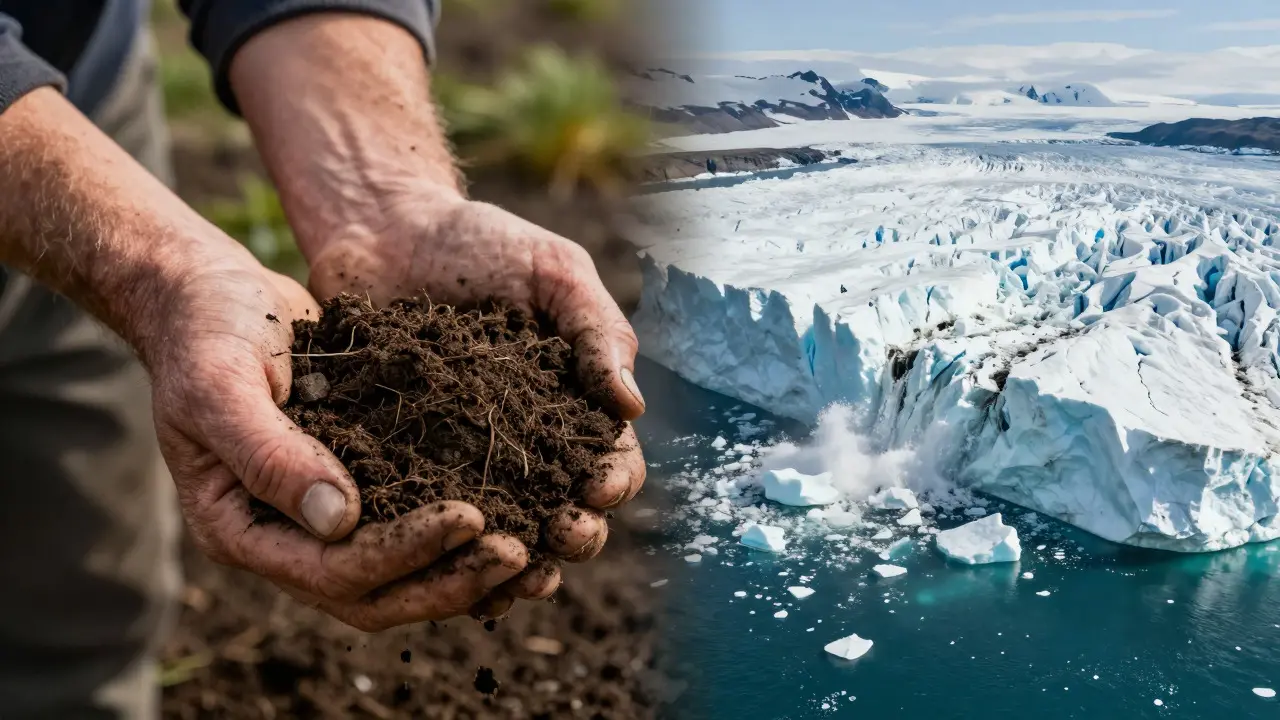
Nature documentaries used to be all about cute animals and majestic landscapes. Now, they are warnings. The environment is no longer just a backdrop; it is the main character. These films expose the human cost of ecological collapse.
| Title | Director | Focus Area | Key Impact |
|---|---|---|---|
| Before the Flood | Fisher Stevens | Global Climate Policy | Featured Leonardo DiCaprio; influenced UN discussions |
| Kiss the Ground | Joshua Tickner | Regenerative Agriculture | Popularized soil health as a carbon solution |
| My Octopus Teacher | Pieter Dirksfeldt | Ocean Ecosystems | Won Oscar; highlighted marine biodiversity loss |
Before the Flood is a 2016 documentary film directed by Fisher Stevens that explores the effects of climate change on ecosystems and communities worldwide. It travels to places like the Arctic, the Amazon, and Bangladesh. What makes it stand out is its focus on solutions, not just problems. It shows farmers using new techniques and cities adopting green energy.
On the other hand, My Octopus Teacher takes a more intimate approach. Filmed over two years in South Africa, it documents the relationship between filmmaker Craig Foster and a wild octopus. While it seems personal, it raises critical questions about ocean pollution and habitat destruction. It proves that you don’t need a politician in frame to make a point about the planet.
Political Upheaval and Truth-Telling
When governments try to control the narrative, documentaries step in to record the truth. These films often face censorship, legal battles, or even danger for their creators. Yet, they continue to emerge because the need for transparency is universal.
The Act of Killing is a prime example. Director Joshua Oppenheimer invited former Indonesian death squad members to reenact their killings. The result is a psychological thriller disguised as a documentary. It exposes how impunity shapes national memory. The film challenges viewers to ask: what happens when killers are celebrated rather than punished?
In the Middle East, For Sama offers a harrowing look at life in Aleppo during the Syrian Civil War. Filmed by Rima Das and her family, it captures the chaos of war from a civilian perspective. There are no heroes here, just people trying to survive. The film won the Audience Award at Sundance, showing that raw, unpolished footage can be more powerful than any scripted drama.
How to Find Hidden Gems in International Cinema
You don’t need to wait for major awards season to discover great documentaries. Independent film festivals and streaming platforms are treasure troves. Here is how you can curate your own list of must-watch titles:
- Follow Festival Lineups: Keep an eye on selections from Cannes, Venice, Berlin, and Sundance. Their documentary categories often feature the most innovative work from around the world.
- Use Streaming Filters: Platforms like MUBI, Criterion Channel, and Netflix have specific sections for international documentaries. Use tags like "Non-Fiction" and "World Cinema" to narrow down results.
- Read Critic Reviews: Websites like Sight & Sound, The Guardian, and IndieWire frequently review lesser-known documentaries. Look for articles titled "Best Underrated Documentaries" or "Hidden Gems of the Year."
- Join Community Discussions: Online forums and social media groups dedicated to film often share recommendations from niche angles, such as indigenous cinema or labor rights films.
The Role of Technology in Modern Documentaries
Technology has changed how these stories are told. High-definition cameras allow us to see details that were previously invisible. Drones provide aerial views of landscapes affected by conflict or development. Virtual reality (VR) experiments let audiences step inside the scene, creating a sense of presence that traditional screens cannot match.
However, technology is not just about visuals. Editing software allows filmmakers to weave together multiple timelines, languages, and sources seamlessly. This is crucial for global stories that span continents. For instance, a film about global supply chains might cut between a factory in Vietnam, a warehouse in Germany, and a retail store in the US. Smooth editing keeps the audience engaged while illustrating the complexity of modern economics.
Impact Beyond the Screen
A good documentary does more than inform; it mobilizes. Many films have led to direct policy changes, increased funding for causes, or shifts in public opinion. An Inconvenient Truth helped bring climate change into mainstream political debate. Bruce Springsteen’s 'The Rising' (though primarily music-related) showed how celebrity endorsement can amplify documentary themes.
But the impact isn't always immediate. Sometimes, a film sits in the background, shaping how a generation thinks about an issue. Years later, when a crisis hits, people remember the faces and stories they saw on screen. This long-term influence is why supporting independent documentary production is vital. It ensures that diverse voices are recorded for future generations.
Challenges Facing Independent Filmmakers
Despite their importance, many documentary filmmakers struggle with funding and distribution. Unlike fiction films, documentaries rarely generate high box office returns. They rely on grants, crowdfunding, and festival sales. This financial instability can limit the scope of projects. Some filmmakers may avoid risky topics or difficult locations due to budget constraints.
Additionally, the rise of short-form video content competes for attention. Audiences are increasingly accustomed to 10-minute clips rather than 90-minute features. Filmmakers must adapt by creating compelling trailers and leveraging social media to build anticipation. The challenge is maintaining depth while capturing attention in a fast-paced digital world.
FAQ
What are the best platforms to watch global documentaries?
MUBI and Criterion Channel are excellent for curated international cinema. Netflix and Apple TV+ also have strong libraries of recent award-winning documentaries. For older classics, YouTube channels like PBS Frontline offer free access to many significant works.
How do I support independent documentary filmmakers?
You can buy tickets to screenings at local cinemas or festivals, purchase physical copies (Blu-ray/DVD) which often go directly to distributors who support indie films, and donate to organizations like the International Documentary Association (IDA). Sharing films on social media also helps increase visibility.
Are subtitles necessary for understanding international documentaries?
While subtitles help with language barriers, many documentaries use visual storytelling and music to convey emotion. However, reading subtitles can enhance your understanding of cultural nuances and specific arguments presented by subjects. It is recommended if you want a deeper engagement with the material.
What is the difference between a documentary and a docudrama?
A documentary relies primarily on real-life footage, interviews, and archival material. A docudrama uses actors to reenact events based on historical records or true stories. Docudramas often have more dramatic structure but may sacrifice some factual accuracy for narrative flow. Both serve different purposes in exposing international stories.
How can I find documentaries from underrepresented regions?
Look for festivals dedicated to specific regions, such as the African Film Festival or Asian American International Film Festival. Follow film critics who specialize in non-Western cinema. Also, check databases like IMDb or Letterboxd and filter by country of origin to discover hidden gems from Africa, Asia, and Latin America.





Comments(9)