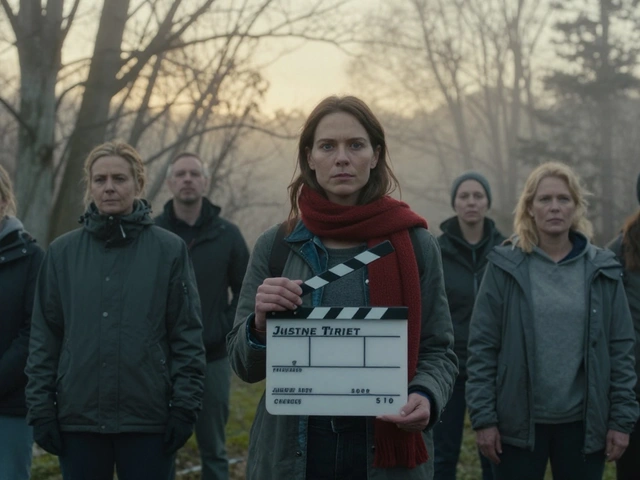
Imagine scrolling through a production company's website. You see their logo, a mission statement, and then... nothing but text. Now imagine the second site: a sleek header, followed immediately by a 90-second animated clip that stops your thumb mid-scroll. Which studio do you trust with your next commercial? Almost certainly the one that showed you, rather than told you.
In the visual effects and animation industry, animated short films are no longer just artistic hobbies or festival entries. They have evolved into the primary currency of trust between a creative team and a potential client. For many post-production houses, these shorts act as sophisticated calling cards-digital business cards that demonstrate technical prowess, stylistic range, and narrative instinct in a single glance. If you run a small VFX shop or an independent animation studio, understanding how to leverage these pieces is not optional; it is survival.
The Psychology of the Visual Portfolio
Why does a two-minute clip beat a ten-page resume? Human brains process visuals 60,000 times faster than text. When a producer from a major network evaluates a vendor, they are often making decisions based on gut feeling and speed. A polished short film bypasses the cognitive load of reading case studies. It instantly communicates three critical attributes: quality control, aesthetic consistency, and technical capability.
However, not all shorts work equally well as marketing tools. There is a distinct difference between a "festival piece" and a "commercial asset." Festival pieces often prioritize abstract storytelling or experimental techniques. Commercial assets, on the other hand, must clearly display specific skills relevant to the target market. If you specialize in character animation for TV, your short should feature expressive facial movements and fluid body mechanics. If you focus on environmental VFX for games, your short needs to showcase particle systems, lighting integration, and scale. Misaligning the content of your short with your target audience’s needs is the most common mistake studios make.
Strategic Types of Studio Shorts
To maximize impact, you need to categorize your output. Most successful studios maintain a mix of three types of animated shorts:
- Technical Showreels: These are less about story and more about pipeline demonstration. They might show a complex destruction sequence, a high-fidelity hair simulation, or a seamless rotoscope job. The goal here is to prove that the engineering behind the art is solid.
- Narrative Micro-Stories: These are self-contained stories, usually under 3 minutes. They demonstrate the team’s ability to handle pacing, sound design, and emotional beats. This type of short appeals to directors and creative leads who care about the final product's feel.
- Client Case Studies (Reframed): Sometimes, the best short is a highlight reel of actual client work, edited into a cohesive rhythm. While not a "new" creation, packaging past deliverables into a tight, music-synced edit serves as a powerful proof-of-concept for reliability and delivery speed.
The balance between these three depends on your niche. A studio targeting indie game developers will lean heavily on technical showreels. A studio pitching to streaming services for original content will prioritize narrative micro-stories.
Production Value vs. Storytelling Impact
A common trap for new studios is over-investing in render time while neglecting the script. A visually stunning short with a confusing plot or weak pacing fails to communicate clarity. Conversely, a charming story with low-resolution textures can still win clients if the animation timing is perfect. The key is alignment with your brand promise.
If your selling point is "high-end realism," then your short must be photorealistic. Any deviation looks like a flaw. If your selling point is "stylized efficiency," then a clean, bold look is a feature, not a bug. Consistency is what builds trust. Clients want to know that if they hire you, the output will match the sample they saw. Therefore, every frame of your calling card short should reflect the exact standard you promise to deliver on paid projects.

Distribution Channels That Actually Work
Creating the short is only half the battle. Getting it in front of the right decision-makers is the other half. Traditional methods like email attachments are outdated. Large video files get lost in spam filters or ignored due to bandwidth issues. Instead, focus on embedded media and platform-specific optimization.
- Website Embeds: Your homepage should feature your best short above the fold. Use HTML5 video players that allow autoplay with muted audio (to respect user preference) and provide a clear play button for sound. Ensure the file size is optimized for fast loading on mobile devices.
- Vimeo Pro/Staff Picks: Vimeo remains the gold standard for professional animation portfolios. It offers high-quality compression without the ads found on YouTube. Getting featured in Staff Picks can drive significant organic traffic from industry professionals.
- LinkedIn Company Page: Don’t underestimate LinkedIn. Many producers and executive producers browse LinkedIn for talent. Posting a short with a concise caption highlighting the specific software used (e.g., Houdini, Maya, Blender) helps algorithmically target the right audience.
Avoid burying your work on YouTube alone. While YouTube has reach, the comment section and ad interruptions can detract from the professional impression. Use YouTube for broad discovery, but keep Vimeo or your own site for the serious sales pitch.
Measuring Success: Beyond Views
How do you know if your short is working as a calling card? Watching view counts is a vanity metric. A short with 10,000 views from casual viewers is less valuable than a short with 50 views from executive producers at top-tier networks. To measure true effectiveness, track engagement metrics specific to your target demographic.
Use UTM parameters on links shared via email or social media to track which sources lead to inquiries. Monitor the average watch time. If people drop off after 10 seconds, your opening hook is too slow. If they finish the whole clip, your pacing is effective. Additionally, pay attention to the type of feedback. Do clients mention specific techniques they liked? Do they ask about availability for similar styles? These qualitative signals are far more important than raw numbers.
Common Pitfalls to Avoid
Even experienced studios stumble on a few recurring issues when using shorts for marketing. First is the "jack-of-all-trades" approach. Trying to show everything in one short dilutes your brand identity. Pick a lane. Second is ignoring audio. Bad sound design ruins even the best visuals. Invest in good mixing and scoring; it elevates the perceived value of the entire package. Third is outdated content. If your last update was three years ago, clients may assume your technology stack is obsolete. Refresh your portfolio annually, or at least remove older, lower-quality work to maintain a high baseline.
Finally, avoid long intros. Get to the action within the first five seconds. In a digital landscape where attention spans are shrinking, you don’t have time for title cards or studio logos before the content starts. Let the animation speak first.
| Type | Primary Goal | Best For Targeting | Key Attribute Highlighted |
|---|---|---|---|
| Technical Showreel | Prove pipeline stability | Creative Directors, Tech Leads | Software proficiency, rendering quality |
| Narrative Micro-Story | Demonstrate storytelling ability | Producers, Network Executives | Pacing, emotion, sound design |
| Client Case Study Edit | Showcase reliability and volume | Marketing Agencies, Brands | Delivery speed, brand consistency |
Frequently Asked Questions
What is the ideal length for a studio calling card short?
For web-based portfolios, aim for 60 to 90 seconds. This is long enough to show variety but short enough to retain attention. If you have a strong narrative piece, you can extend this to 3 minutes, but ensure the pacing is tight throughout. Anything longer than 3 minutes requires a very compelling reason to watch in a marketing context.
Should we use our own IP or client work in the short?
Ideally, use a mix. Original IP shows creative freedom and ownership, which is attractive to brands looking for unique voices. Client work proves you can meet external deadlines and adhere to specific guidelines. However, always ensure you have written permission to use client footage in public portfolios, as contract terms vary.
How often should we update our animated short portfolio?
Review your portfolio quarterly, but update it annually. Technology changes fast, and so do client expectations. Remove any work that no longer represents your current skill level. Adding one high-quality new piece per year is often better than adding five mediocre ones.
Is audio really that important for VFX shorts?
Yes, critically. Many VFX artists focus solely on the visual aspect, but sound design completes the experience. A well-mixed short with appropriate foley and score feels premium. Poor audio makes even the best visuals feel amateurish. Consider hiring a dedicated sound designer for your marketing materials.
Where is the best place to host our short films?
Vimeo is generally preferred for professional B2B contexts due to its clean interface and high-quality player. Hosting directly on your website gives you full control and captures data, but requires careful optimization for speed. Use both: host the master file on your site or Vimeo, and embed it everywhere else.