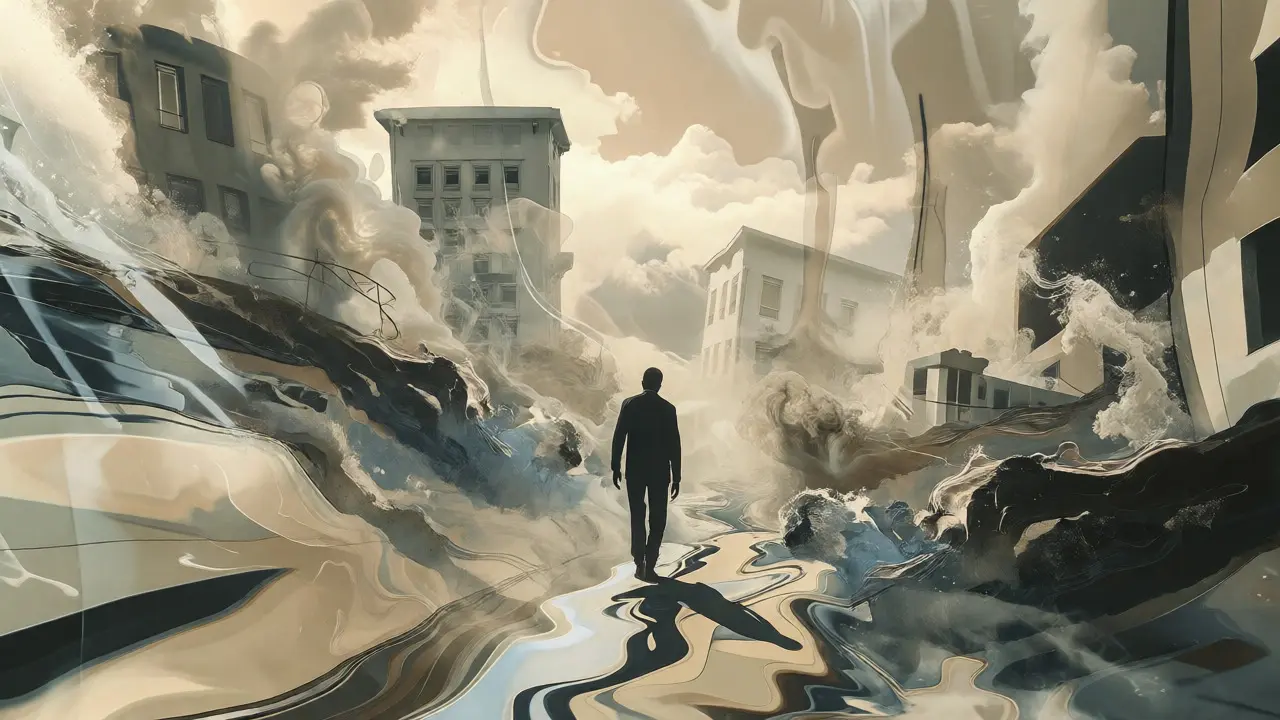
You probably grew up thinking animation was a genre reserved for talking animals and slapstick comedy. But if you stopped watching cartoons after high school, you missed out on some of the most visually stunning and emotionally complex cinema ever made. Animated Films for Adults are not just cartoons with swear words; they are a medium capable of exploring themes that live-action struggles to visualize, from abstract grief to surreal nightmares.
The misconception persists because Hollywood marketed animation as a safe bet for family outings. Yet, since the mid-20th century, directors have used this medium to push boundaries that real-world constraints hold back. Whether it is the gritty noir of A Scanner Darkly or the existential dread in Perfect Blue, these films demand attention. They require you to engage your brain differently than a standard drama would. If you are ready to expand your watchlist beyond Pixar, here is what you need to know about diving into adult animation.
Why Animation Works Better Than Live-Action for Certain Stories
Live-action filmmaking is tethered to physics, budget, and actor availability. Animation breaks those chains. When a director wants to show a character’s mental breakdown literally tearing their world apart, animation can do it seamlessly. In live-action, that requires expensive CGI or practical effects that often look fake. In animation, the style itself becomes part of the narrative.
Consider Waltz with Bashir. This 2008 documentary uses rotoscoping-a technique where animators trace over live-action footage-to depict memories of the Lebanon War. The animated style creates a necessary distance, allowing viewers to process traumatic war memories without the immediate visceral shock of raw footage. It turns memory into something fluid and unreliable, which is exactly how trauma works in the human brain. You get the emotional truth without the graphic violence that might shut down empathy.
Another example is Anomalisa. The film uses stop-motion puppets to explore the monotony of modern life. Every face looks identical except for the protagonist’s love interest. This visual metaphor would be clunky in live-action but feels hauntingly natural in animation. It forces you to feel the isolation of the main character, Michael Stone, in a way that dialogue alone never could.
The Anime Boom: More Than Just Action Sequences
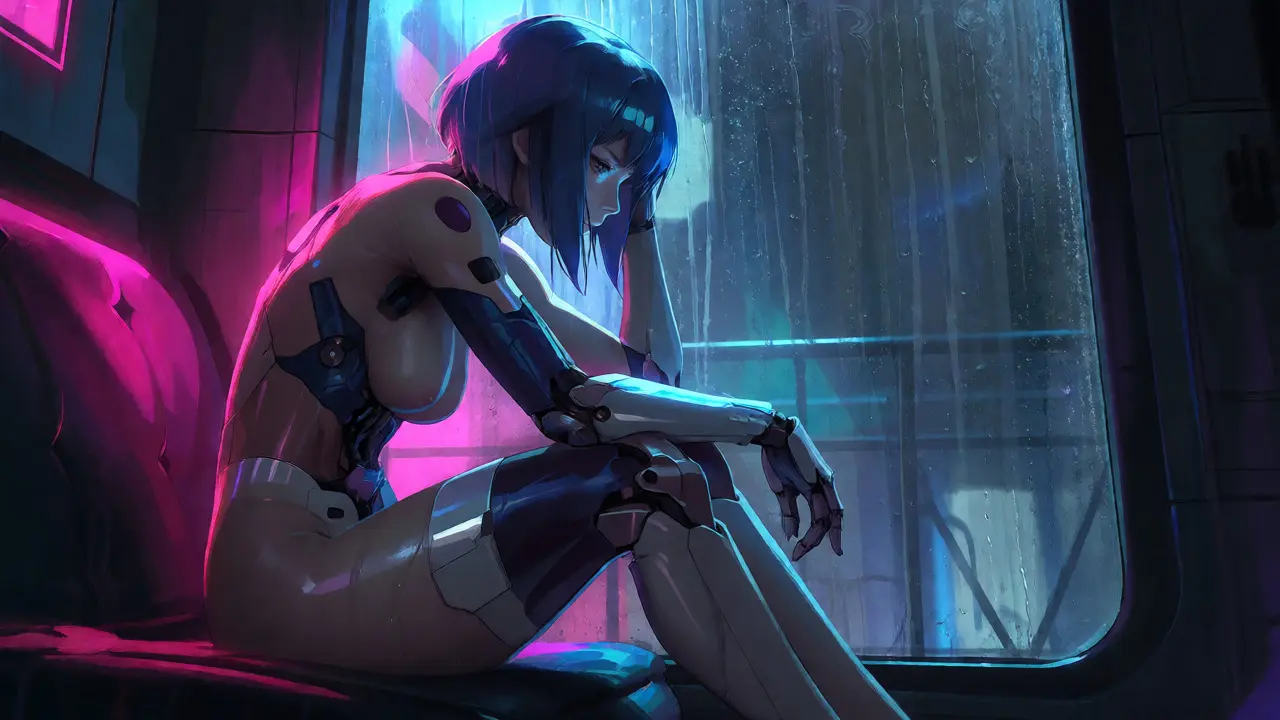
For many Western audiences, Anime is still synonymous with shonen battles or fan service. That view ignores decades of mature storytelling. Japanese animators have long treated animation as a legitimate artistic medium for all ages, not just children. Films like Ghost in the Shell (1995) influenced The Matrix and explored cybernetic consciousness long before AI became a household topic.
If you want a starting point that isn’t an action flick, try Millennium Actress. Directed by Satoshi Kon, it blends reality and fiction through seamless transitions between different eras of Japanese history. It is a romance, a mystery, and a critique of celebrity culture. There are no giant robots or magic spells-just pure cinematic craft. Kon’s work proves that animation can handle complex non-linear narratives better than almost any other format because the visuals can shift instantly to match the character’s perspective.
Don’t overlook newer entries either. Suzume (2022) by Makoto Shinkai tackles the aftermath of natural disasters in Japan. While it has fantasy elements, its core is about grief and moving forward. It resonates deeply with anyone who has experienced loss, using supernatural metaphors to explain why letting go is so hard.
Western Adult Animation: The Rise of A24 and Indie Studios
In the West, the barrier to entry for adult animation has lowered thanks to studios like A24 and Neon. These companies distribute films that major studios deemed too risky for general audiences. I Lost My Body (2019) is a prime example. It tells two parallel stories: one of a severed hand searching for its owner, and another of a young man dealing with his past. The animation is photorealistic yet stylized, creating a dreamlike quality that enhances the mystery.
Flee (2021) takes a different approach. It is a documentary about an Afghan refugee who hides his sexuality for years. The director, Jonas Poher Rasmussen, chose animation to protect the subject’s identity while still showing facial expressions and body language. The result is intimate and honest. It shows that animation isn’t just for fantasy; it’s a powerful tool for journalism and biography when privacy is needed.
These films often win awards at Cannes and the Oscars, signaling a shift in industry perception. Critics now judge them alongside live-action dramas. This recognition matters because it encourages investors to fund more diverse projects, breaking the cycle where only superhero animations get greenlit.
Stop-Motion and Claymation: The Uncanny Valley Advantage
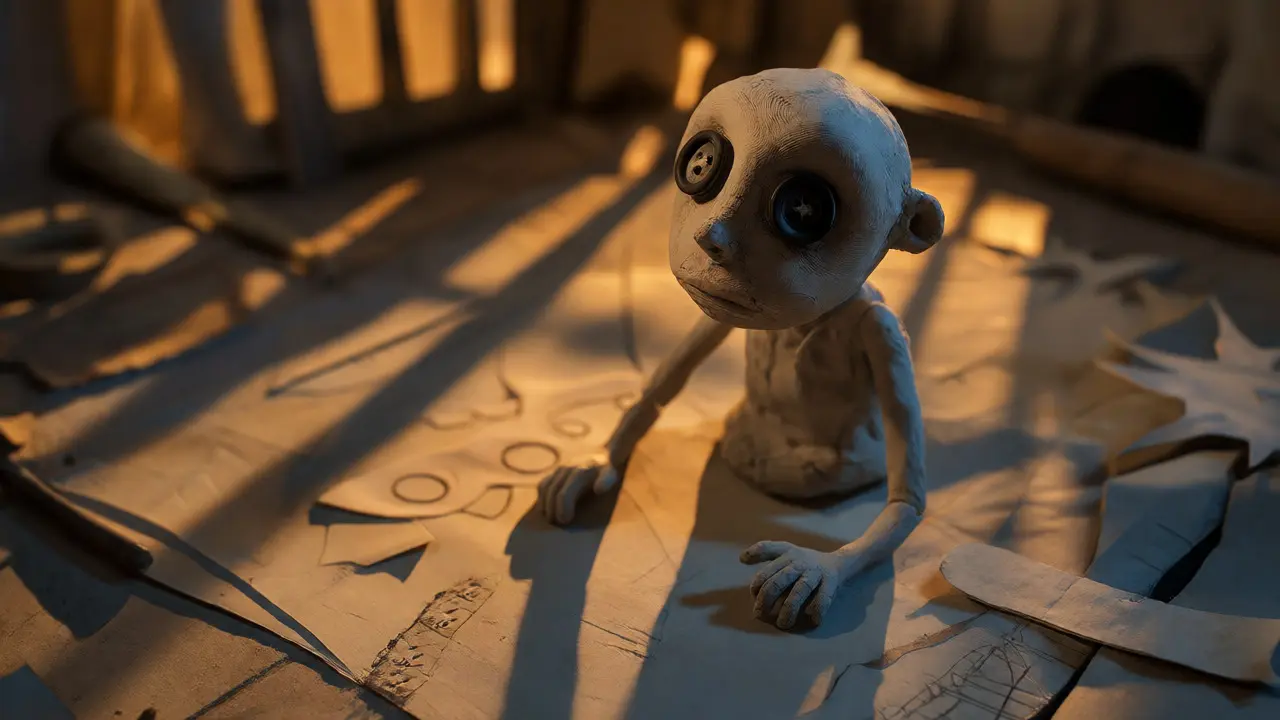
Stop-motion has a tactile quality that digital animation lacks. You can see the fingerprints in the clay, the slight jitter of movement. This imperfection adds character. Directors like Wes Anderson use it for aesthetic charm, but others use it for unease. Frankenweenie is playful, but Coraline taps into genuine horror. The button eyes aren’t cute; they’re unsettling.
Laika Studio pushed this further with Kubo and the Two Strings. The intricate paper-cut animation required massive technical effort, but the payoff is a visual experience that feels handmade and magical. For adults, the appeal lies in appreciating the craftsmanship. Watching a puppet move frame-by-frame reminds you of the human labor behind every second of screen time. It grounds the fantastical story in physical reality.
European animation also shines here. Czech animator Jan Švankmajer created works like Little Otik, which mixes live-action with stop-motion to create surreal, sometimes disturbing fairy tales. His work influenced Tim Burton and Terry Gilliam. If you like weird, dark, and artistic, start there. It’s not for everyone, but it’s unforgettable.
How to Choose Your First Adult Animated Film
With so many options, picking a starting point depends on your taste. Do you like sci-fi? Psychological thrillers? Romance? Here is a quick guide to help you navigate the genre.
| Preference | Film Title | Why Watch It |
|---|---|---|
| Sci-Fi / Cyberpunk | Ghost in the Shell (1995) | Philosophical depth and iconic visuals. |
| Psychological Thriller | Perfect Blue (1997) | A descent into madness that blurs reality and illusion. |
| Romance / Drama | Persepolis (2007) | A personal memoir about growing up in Iran during revolution. |
| Horror / Surreal | Watership Down (1978) | Yes, rabbits die brutally. It’s surprisingly grim. |
| Documentary | Flee (2021) | Powerful storytelling about migration and identity. |
Notice that Watership Down is on the list. Many people assume it’s a kid’s movie because of the fluffy protagonists. It’s actually a harrowing survival story based on Richard Adams’ novel. The death scenes are abrupt and violent, reflecting the harshness of nature. It’s a great test case for seeing if you’re ready for serious animation.
Pitfalls to Avoid When Exploring Adult Animation
One common mistake is judging the art style too quickly. Some films use rough, sketchy lines (like Loving Vincent) to convey emotion. Don’t dismiss them as “low budget.” The roughness is intentional, mimicking oil paintings or charcoal drawings. Give it ten minutes. Often, the style grows on you once you understand the intent.
Another trap is expecting humor. Not all adult animation is funny. Some are bleak, depressing, or confusing. If you go in expecting a joke every five minutes, you’ll be disappointed. Approach these films like you would an indie drama. Sit with the discomfort. Let the imagery speak.
Also, check the rating. “PG-13” in animation can mean very different things than in live-action. Sometimes it implies mild language; other times, it means intense psychological horror. Read reviews specifically mentioning content warnings. Sites like IMDb Parents Guide are useful here.
The Future of Adult Animation
We are currently in a golden age for this medium. Streaming platforms like Netflix and Hulu are investing heavily in adult-oriented animated series and films. Shows like Love, Death & Robots offer short-form experiments that push visual boundaries. Feature films are getting bigger budgets, allowing for styles that were previously impossible outside of Japan.
AI tools are entering the pipeline, but don’t fear them replacing human creativity. Instead, they will likely speed up tedious tasks like in-betweening, allowing artists to focus on key poses and expression. The future belongs to hybrid approaches-mixing traditional hand-drawn techniques with digital efficiency. Keep an eye on independent creators on platforms like YouTube and Vimeo. Many upcoming feature directors started by posting short animated clips online.
So, dust off your skepticism. Pick a film from the table above. Make some popcorn, turn off the lights, and let the animation wash over you. You might find that the medium allows you to feel things more deeply than a live-action film ever could. After all, when the rules of reality don’t apply, the emotions can hit harder.
Is adult animation suitable for kids?
Generally, no. Adult animation deals with mature themes such as sex, drug use, complex politics, or intense violence. While some older children might handle certain films, they are designed for adult comprehension and emotional maturity. Always check parental guides before sharing with younger viewers.
What is the difference between anime and adult animation?
Anime is a style originating from Japan, encompassing all genres and age groups. Adult animation is a category defined by target audience, regardless of origin. An anime film can be for children (like Pokémon), while a Western cartoon (like South Park) is for adults. However, many anime films fall under the adult animation umbrella due to their thematic depth.
Why do some adult animated films look low-budget?
Often, the simple style is an artistic choice rather than a financial constraint. Rough sketches or limited color palettes can evoke specific moods, such as nostalgia, anxiety, or abstraction. Directors like Ralph Bakshi or contemporary indie filmmakers use minimalism to keep the focus on narrative and voice acting.
Can I watch adult animation on streaming services?
Yes, but you may need to search carefully. Netflix, Hulu, and Amazon Prime Video have dedicated sections for anime and adult cartoons. Specialty streamers like Crunchyroll focus exclusively on anime. Also, look for films distributed by A24, Neon, or GKids, as they frequently license high-quality adult animated features for these platforms.
Are there Oscar-winning adult animated films?
Yes. Spirited Away (2001) won Best Animated Feature. Since then, several adult-leaning films have been nominated or won, including Spider-Man: Into the Spider-Verse (which appeals to all ages but has complex themes) and Flee (nominated for Best Documentary). The Academy increasingly recognizes animation as a serious art form.