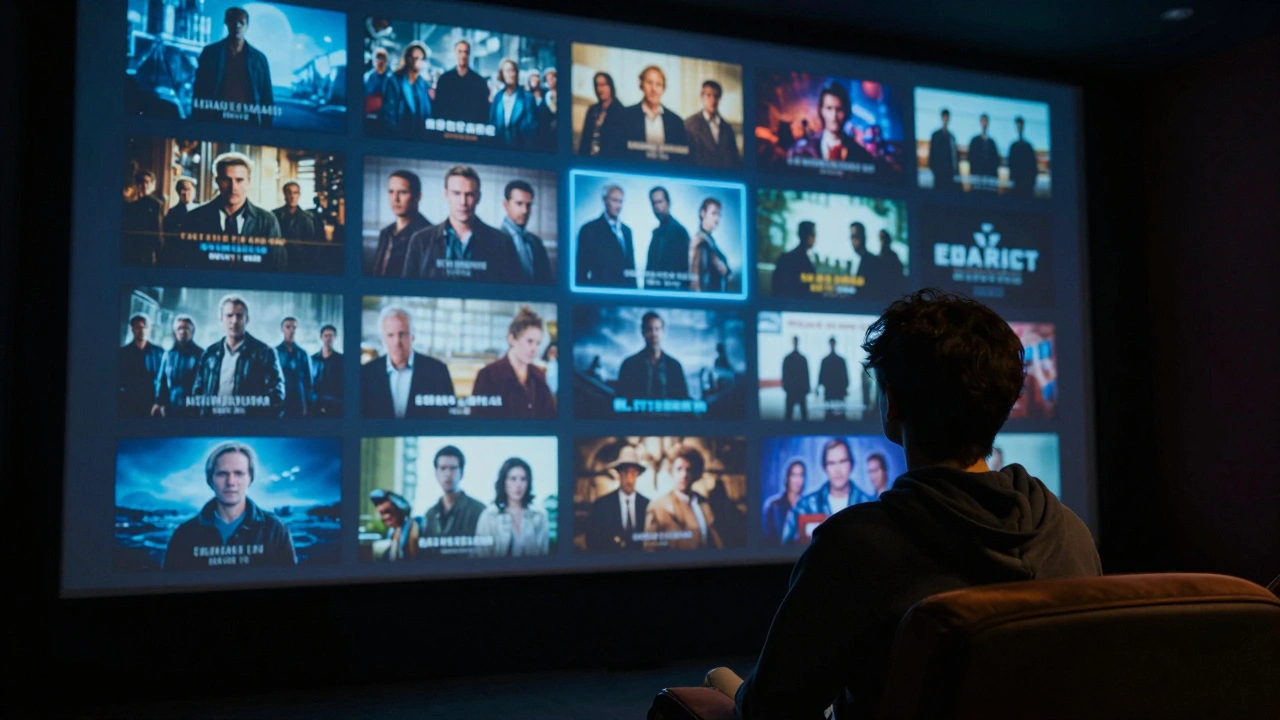
Ever opened up your favorite streaming app and wondered why you keep seeing the same three movies over and over? Or why that obscure indie film you loved last year never shows up again, even though you watched it twice? It’s not a glitch. It’s the algorithm. And it’s quietly reshaping how we discover film criticism - and who gets heard.
What Algorithmic Feeds Actually Do to Film Criticism
Algorithmic feeds don’t just recommend movies. They recommend opinions about movies. When you watch a horror film and give it a five-star rating, the system doesn’t just suggest more horror. It starts pushing articles, YouTube reviews, and TikTok breakdowns that match your taste - but only if they’ve already proven popular. That means critics who write about niche genres, regional cinema, or challenging themes rarely break through. Their work doesn’t get the initial engagement needed to trigger the algorithm’s attention.
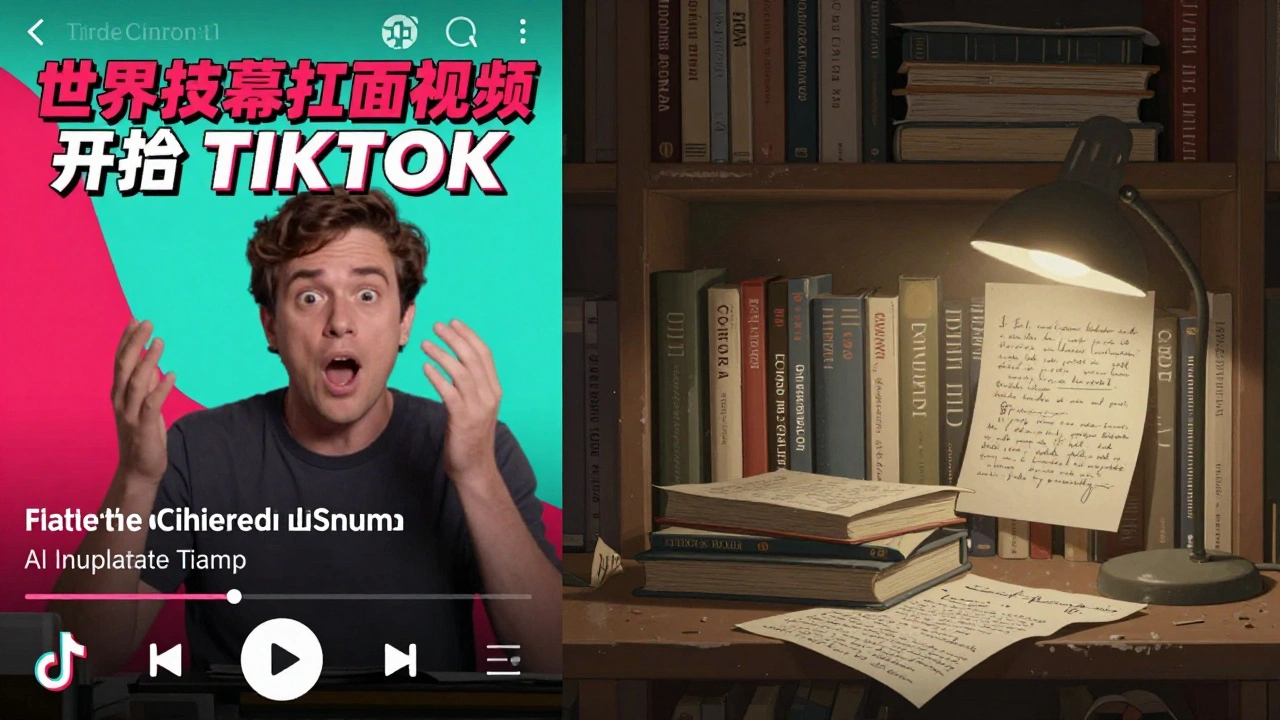
Here’s the real problem: algorithms favor virality over depth. A 60-second TikTok video titled “Why This Movie Broke My Brain” will outperform a 3,000-word essay in Cahiers du Cinéma every time. The system doesn’t care about context, nuance, or historical framing. It cares about clicks, shares, and watch time. So critics who adapt - shortening their takes, adding jump cuts, using trending sounds - get visibility. Those who don’t, fade into obscurity.
The Rise of the Clickbait Review
Look at the top-rated reviews on platforms like Letterboxd or even YouTube. Many follow a predictable formula: “I watched [obscure film] so you don’t have to.” They start with shock value - “This movie made me cry… then vomit.” Then they pivot into a hot take: “It’s actually a metaphor for late-stage capitalism.” The structure is engineered for retention, not insight.
Compare that to the work of critics like Roger Ebert or Pauline Kael. Their reviews didn’t need to scream to be heard. They earned attention through clarity, originality, and intellectual rigor. Today, those qualities are often penalized by algorithms. A thoughtful 15-minute video essay on the symbolism in a 1970s Japanese film might get 2,000 views. A 90-second clip titled “This Movie Is a JOKE” gets 2 million. The algorithm doesn’t choose the best critique - it chooses the loudest.
Who Gets Left Out?
It’s not just about style. It’s about identity. Critics from marginalized backgrounds - women, people of color, non-Western filmmakers, queer voices - often face a double barrier. Their work may be culturally specific, or they may critique mainstream narratives in ways that don’t fit the algorithm’s idea of “engagement.” A review analyzing the colonial undertones of a Hollywood blockbuster might be labeled “too political.” A deep dive into Senegalese cinema might be tagged as “too niche.”
Meanwhile, critics who reinforce dominant narratives - praising Marvel films with the same tired language, recycling the same tropes - get amplified. The algorithm rewards conformity. It doesn’t know how to surface dissent. And so, the conversation around film becomes narrower, not richer.
The Feedback Loop That Kills Diversity
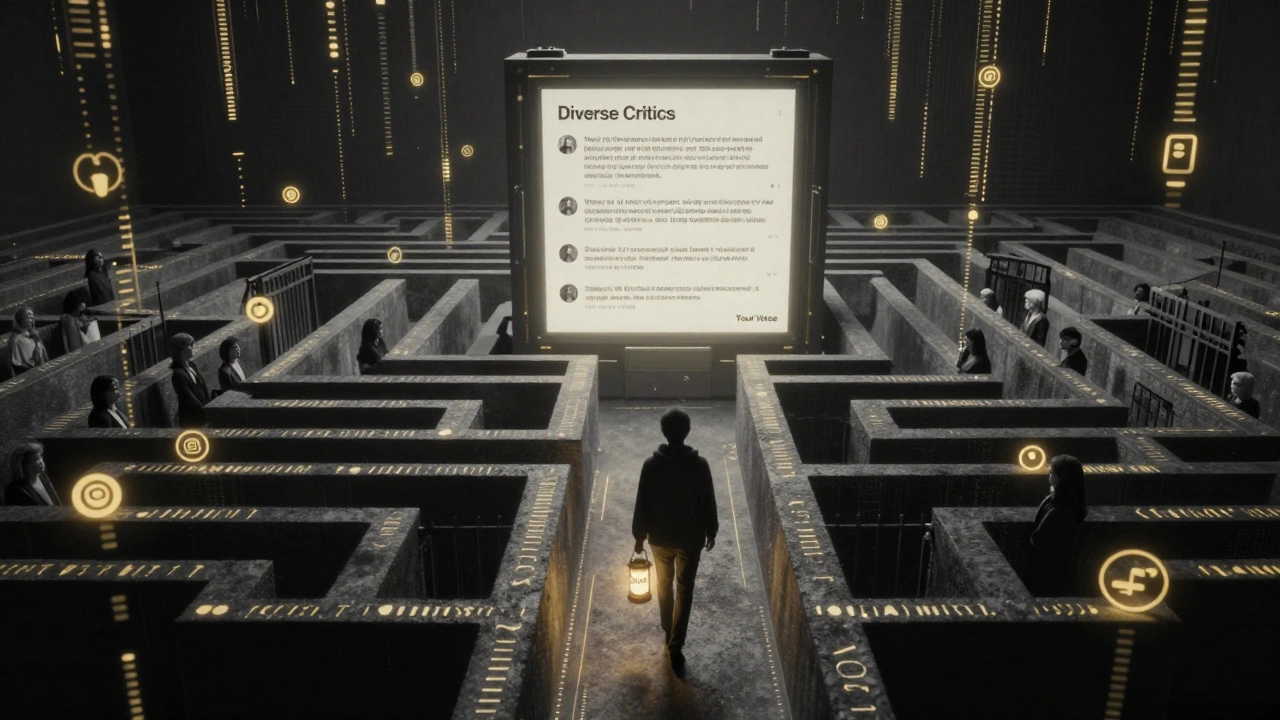
Here’s how the cycle works: Algorithms show you reviews that match your past behavior. You click on them. They get more views. The system assumes you want more of the same. So it pushes even more of those reviews. You start seeing the same handful of critics everywhere. You think they’re the only ones worth listening to.
But what if you never saw a review from someone who writes about Iranian cinema? Or a critic who breaks down the sound design in slow cinema? You’ll never know they exist - because the algorithm never gave them a chance to reach you. And without exposure, they can’t build an audience. Without an audience, they can’t survive. The system doesn’t just favor popular critics - it actively erases the alternatives.
What Can You Do About It?
You’re not powerless. Algorithms respond to behavior. If you want to see more diverse film criticism, you have to change how you interact with the platform.
- Like and share reviews that challenge you. Even if you don’t fully agree, engagement tells the algorithm you’re open to new perspectives.
- Search for specific critics or publications. Type in names like “Sergei Loznitsa review” or “Black Film Collective” instead of waiting for recommendations.
- Use filters. On Letterboxd, you can sort reviews by “most liked” or “most recent.” Try “most recent” - it bypasses popularity bias.
- Follow critics directly. If you like a critic’s voice, follow them on Substack, Mastodon, or even Instagram. Bypass the algorithm entirely.
- Don’t just watch - write. Leave a review. Even a short one. Your voice adds data. And data shapes what the algorithm shows others.
The Hidden Cost of Convenience
We tell ourselves we love algorithmic feeds because they save time. They cut through the noise. But what if the noise is where the truth lives? What if the most important film criticism isn’t the one that trends - but the one that lingers, that unsettles, that changes how you think about cinema forever?
When algorithms decide what’s worth seeing, they’re not just choosing movies. They’re choosing which voices matter. And right now, they’re choosing the ones that are easiest to sell - not the ones that are hardest to forget.
It’s time to break the loop. Not because the system is broken. But because we’ve stopped asking it to be better.
Why don’t algorithmic feeds show me more indie or foreign films?
Algorithmic feeds rely on engagement data. Indie and foreign films often have smaller initial audiences, so they don’t trigger the algorithm’s boost mechanisms. Unless enough people actively engage with those reviews - by liking, sharing, or commenting - the system assumes no one wants them. It’s not that they’re bad - it’s that they’re not yet proven.
Do critics have any control over what the algorithm shows?
Not directly. Platforms don’t let critics tweak how their content is ranked. But critics can influence the system indirectly: by encouraging readers to engage with their work, by posting across multiple platforms (like Substack, YouTube, and Twitter), and by building communities outside the algorithm’s reach. The most successful critics today are those who treat the algorithm as a tool - not a boss.
Is there a way to reset my algorithmic feed?
Yes - but it’s not always obvious. On most platforms, you can clear your watch history or reset your recommendations. On Letterboxd, go to your profile, tap “Settings,” then “Reset Recommendations.” On YouTube, clear your watch history and pause watch history temporarily. This forces the system to start fresh. But it only works if you change your behavior afterward - otherwise, it just relearns your old habits.
Why do I keep seeing the same critics everywhere?
Because they’ve already won. The algorithm favors critics who consistently get engagement - likes, shares, comments. Those critics get more visibility. More visibility leads to more followers. More followers lead to more engagement. It’s a feedback loop. The system isn’t biased against new voices - it just doesn’t know how to find them unless someone actively seeks them out.
Can algorithmic feeds ever support deep film criticism?
They can - but only if users demand it. If enough people start engaging with long-form reviews, academic analyses, or culturally specific critiques, the algorithm will adapt. It’s not magic. It’s math. The more you reward depth, the more depth you’ll see. The system doesn’t decide what’s valuable - you do.




Comments(7)