There is a specific kind of silence that falls over a theater audience when the curtain rises. It’s a held breath, a collective focus on a single point in space. Now, imagine trying to capture that exact intensity on a movie screen, where the camera can zoom in on a tear rolling down a cheek or pull back to reveal a sprawling cityscape. That tension between the intimacy of the stage and the omnipotence of the cinema lens is the core challenge of adapting plays for cinema. It isn’t just about translating dialogue; it’s about translating a spatial language into a visual one.
Many directors stumble here because they treat the script as a fixed blueprint rather than a living document. A play relies on static blocking and direct address. Cinema relies on movement, editing, and subjective perspective. If you stick too closely to the stage version, you risk making a film that feels like a recorded performance-static, distant, and lacking the visceral immediacy that defines great filmmaking. The goal is to open up the story, letting the camera breathe life into characters who were previously trapped by the proscenium arch.
Breaking the Fourth Wall with Camera Movement
The most immediate tool you have is the camera itself. On stage, the audience sees everything from a fixed distance. In film, the director controls exactly what the viewer sees and how close they are to the emotion. This shift changes the power dynamic entirely. Instead of observing a character from afar, the audience is invited into their headspace.
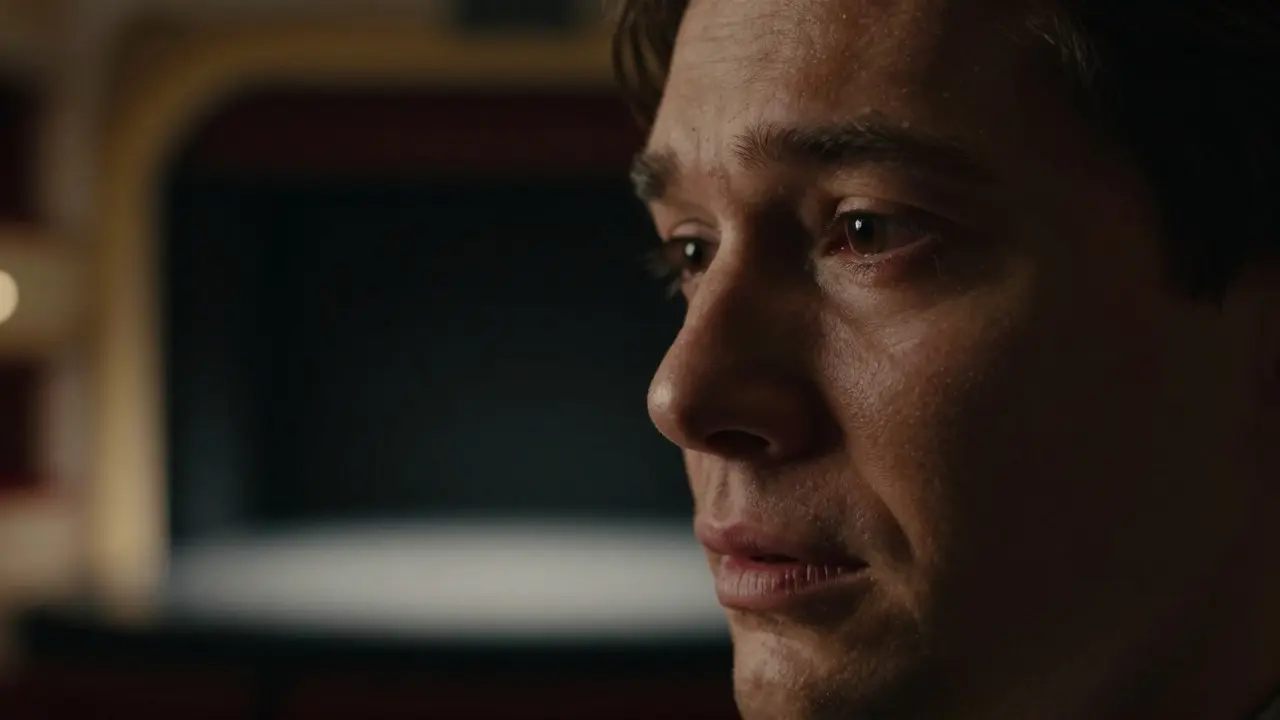
Consider the difference between a wide shot and a close-up. In a stage production of a tragedy, the actor must project their grief so it reaches the back row. Their movements are exaggerated, their voice booming. In a film adaptation, you can drop the volume. You can frame the actor’s face tightly, capturing the subtle twitch of an eyelid or the slight tremor in the jaw. This requires a different acting style-one that is internalized rather than projected. Directors like Peter Brook understood this early on. His adaptation of *The Mahabharata* used handheld cameras to create a sense of documentary realism, stripping away the theatrical polish to find raw human truth.
- Static Shots: Use these sparingly to mimic the stability of a stage set, but only when the scene demands emotional weight.
- Handheld Camera: Introduce instability and urgency, breaking the formal structure of the original play.
- Dolly Moves: Guide the audience’s eye through the space, creating a narrative flow that doesn't exist in live theater.
Reimagining Space and Setting
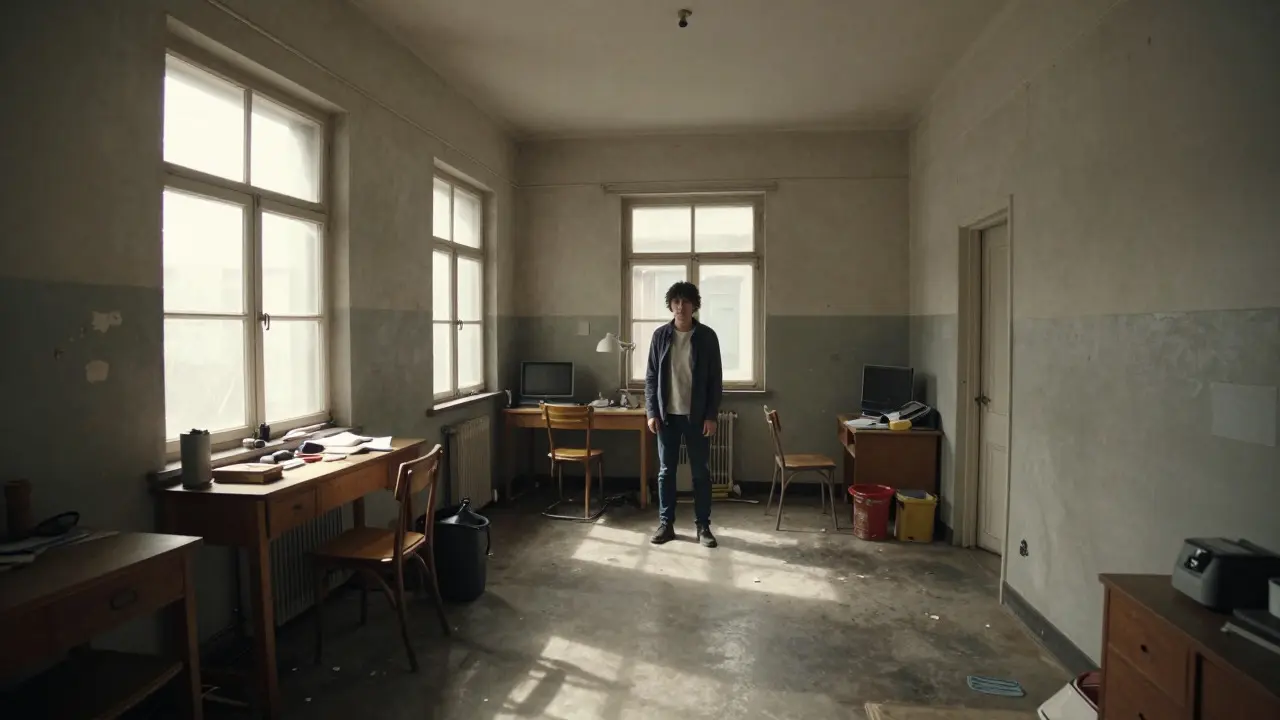
A play is confined by its set design. Even if the set is minimal, the physical boundaries of the stage are real. Cinema removes these walls. When adapting a story, ask yourself: What does this room look like when the door is closed? What happens outside?
This is where location shooting becomes crucial. Taking a scene out of the studio and into the real world adds texture and authenticity that a built set often lacks. For example, if a play takes place in a cramped apartment, filming in a real, lived-in apartment with natural light and background noise creates a sensory experience that a sterile soundstage cannot replicate. The environment starts to act as a character itself, influencing the mood without needing exposition.
Furthermore, lighting plays a massive role in shifting the tone. Stage lighting is often bright and even, designed to ensure visibility. Cinematic lighting is moody, directional, and often uses shadows to hide information. By using chiaroscuro effects or natural daylight, you can transform a mundane domestic drama into something psychological and tense. The space is no longer just a container for the action; it’s an active participant in the storytelling.
Expanding the Narrative Scope
Plays often rely on subtext because the audience can see the actors' faces clearly. They know what the character is feeling, even if the words say otherwise. In cinema, you have the freedom to show what the character is thinking or remembering. Flashbacks, dream sequences, and parallel editing allow you to expand the narrative scope beyond the linear progression of a three-act play.
Take the adaptation of *Death of a Salesman*. Arthur Miller’s original play is a masterclass in memory and reality blending. On stage, this is achieved through lighting cues and sound effects. In the 1965 film version, the director used dissolves and color grading shifts to distinguish past from present. This visual language makes the protagonist's mental state tangible to the viewer. You don't just hear his memories; you see them overlaid on his current reality, creating a layered visual experience.
This expansion allows for deeper character development. You can spend time on minor characters who might be off-stage or barely mentioned in the play. Give them their own scenes, their own motivations. This enriches the world-building and makes the central conflict feel more grounded in a believable society.
Casting and Performance Style
Acting for the camera is fundamentally different from acting for the stage. Stage actors need to project; screen actors need to react. When casting for a play adaptation, look for performers who can deliver nuanced, quiet performances. A whisper in a close-up can be more powerful than a shout across a theater.
However, don't dismiss stage-trained actors entirely. Many of the best film adaptations feature actors with strong theatrical backgrounds because they understand the rhythm of dialogue and the structural beats of a scene. The key is coaching them to scale down their physicality. Direct them to think in terms of micro-expressions rather than grand gestures. The camera will pick up every detail, so the performance must be honest and unforced.
| Element | Stage Production | Film Adaptation |
|---|---|---|
| Vocal Projection | High, reaching the back rows | Naturalistic, intimate |
| Physical Movement | Exaggerated, visible from distance | Subtle, captured in close-up |
| Blocking | Fixed positions for sightlines | Fluid, driven by camera angles |
| Pacing | Continuous, real-time | Edited, variable speed |
Sound Design and Score
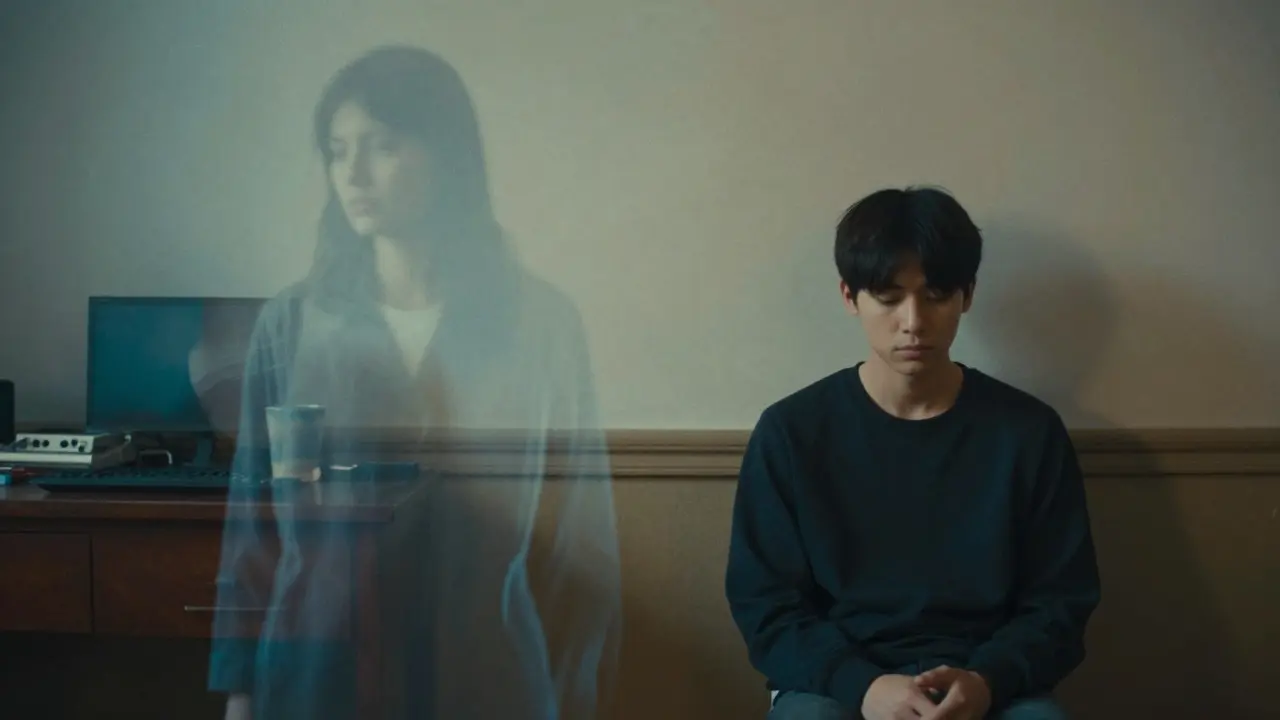
In a theater, the acoustics are part of the experience. You hear the creak of the floorboards, the rustle of costumes, the breath of the actor. In film, sound is curated. You can isolate a heartbeat, amplify a ticking clock, or drown out the world with a swelling orchestral score. Sound design in a play adaptation serves to externalize internal states.
If a character is feeling anxious, you might layer in high-frequency sounds or use a low drone to create unease. If they are nostalgic, you might soften the audio mix and introduce ambient sounds from their past. The score should not just accompany the action; it should interpret it. Think of how the music in *Hamlet* adaptations varies wildly depending on the era and director. A modern adaptation might use electronic textures to reflect digital anxiety, while a classical approach might stick to strings to evoke timeless tragedy.
Editing Rhythm and Pacing
The final piece of the puzzle is editing. A play has a fixed runtime, usually two to three hours. A film can be tighter, faster, or slower depending on the editor’s choices. The rhythm of cuts determines the energy of the scene. Quick cuts can create chaos or excitement; long takes can build tension or emphasize boredom.
When adapting a slow-burn drama, resist the urge to cut aggressively. Let the scenes breathe. Allow the audience to sit in the discomfort of a pause. Conversely, if the play is fast-paced and dialogue-heavy, use editing to streamline the narrative and remove redundancies. The goal is to maintain the emotional arc while optimizing the pacing for a medium that expects constant visual stimulation.
What is the biggest mistake directors make when adapting plays?
The most common error is sticking too rigidly to the original staging. Directors often try to recreate the stage layout on screen, resulting in static shots and unnatural blocking. The solution is to rethink the scene visually, using the camera to explore new angles and perspectives that were impossible in live theater.
How do you handle monologues in a film adaptation?
Long monologues can feel tedious on screen if filmed straight-on. Break them up with cutaways to objects, reactions from other characters, or flashbacks. Alternatively, use a moving camera to keep the visual interest alive. The goal is to make the audience feel like they are eavesdropping on a private thought process rather than watching a speech.
Should the ending of the film match the play exactly?
Not necessarily. While the core theme should remain intact, the ending can be adjusted to suit cinematic conventions. Sometimes a more ambiguous or visual ending works better for film audiences. However, changing the plot significantly can alienate fans of the source material, so any changes must serve the story's emotional logic.
Is it better to shoot in black and white or color?
It depends on the tone of the story. Black and white can add a timeless, dramatic quality and hide budget limitations in sets. Color offers more nuance and can convey mood through palette. Modern digital cinematography allows for flexible color grading, so choose the format that best supports the emotional journey of the characters.
How important is the script revision process?
Extremely important. A stage script is not a screenplay. You need to rewrite dialogue to sound natural when spoken into a microphone, add visual descriptions, and potentially restructure scenes for pacing. Collaborating with a screenwriter who understands both mediums is crucial for a successful adaptation.