When a beloved novel hits the big screen, the original author often finds themselves in an awkward position. Do they stay hands-off and trust the director, or do they step in to protect their characters? This tension defines author involvement is the degree of creative influence an original writer exerts over the adaptation of their work into film or television. It ranges from simple consultation rights to full executive producer status, and sometimes even direct writing credits.
The stakes are high. A successful adaptation can boost book sales by millions of copies, while a bad one can alienate fans for decades. Understanding the mechanics of this process helps readers, writers, and industry insiders navigate the complex relationship between page and screen.
Why Authors Get Involved
Most authors don’t seek power for its own sake. They want their story told correctly. When a studio buys the rights to a book, the author typically retains specific contractual rights. These usually include approval over the screenplay, casting decisions for lead roles, and sometimes music choices.
There are three main reasons why authors push for more than just a handshake deal:
- Fidelity to Source Material: Fans expect certain scenes, dialogue, or character arcs to remain intact. Authors act as guardians of these elements.
- Career Protection: If a movie flops because it strayed too far from the book, the author’s brand suffers. Involvement mitigates this risk.
- Creative Synergy: Sometimes, the medium of film requires changes that make the story stronger. Authors who understand cinema can help bridge the gap between literary prose and visual storytelling.
Consider the case of J.K. Rowling with the Harry Potter films. She served as an executive producer, ensuring that key magical elements remained consistent. Her presence reassured fans that the core magic system wouldn't be diluted for mass appeal.
The Spectrum of Control
Not all involvement looks the same. The level of control an author holds depends heavily on their leverage, which is determined by the book's popularity and the studio's confidence in the project.
| Level | Description | Typical Rights | Risk Level |
|---|---|---|---|
| Consultative | Author reviews drafts but has no veto power. | Screenplay approval (non-binding) | Low for Studio, High for Author |
| Executive Producer | Author attends meetings and advises on casting. | Final cut approval (limited), Casting input | Moderate for Both |
| Co-Writer/Director | Author rewrites script or directs the film. | Full creative authority | High for Author, Low for Studio |
In the consultative model, the studio keeps final say. This is common for mid-list novels where the author isn't yet a household name. In the co-writer model, the author takes on a significant workload. This path suits authors who already have experience in screenwriting or directing. For example, Stephen King has written many of his own adaptations, such as The Shining (though he famously disliked Kubrick's version) and later Dolores Claiborne, where his direct input ensured a faithful tone.
Benefits of Active Participation
When done right, author involvement creates a win-win scenario. The most obvious benefit is audience trust. Fans are more likely to buy tickets if they know the source material creator is watching over the production.
Furthermore, authors bring deep contextual knowledge that directors might miss. They understand subtext, character motivations, and thematic undercurrents. This insight can save millions in reshoots or post-production fixes.
For the author personally, involvement can open new career doors. Writing a screenplay is a different skill set than writing a novel. By participating, authors learn the language of cinema. This can lead to future projects where they write original screenplays rather than adapting their own work.
Financially, involved authors often negotiate better backend deals. Because they are contributing labor (time, creativity, reputation), they can argue for a share of box office profits or streaming revenue, not just upfront fees.
Risks and Pitfalls
However, stepping into the director's chair comes with dangers. The biggest risk is ego clash. Directors hire actors and crew based on vision. If an author micromanages every line of dialogue, friction builds quickly. This can stall production schedules and increase costs.
Another risk is misjudging the medium. What works beautifully in prose-internal monologues, detailed descriptions-can feel slow or confusing on screen. An author might insist on keeping a long, introspective scene that doesn't translate visually, dragging down the pacing.
There is also the public backlash factor. If an author speaks out too much during production, they might create negative buzz before the film even releases. Fans may interpret every small change as a betrayal. Keeping a low profile until the premiere is often safer.
Case Studies: Successes and Failures
History offers clear examples of both sides. The success of The Lord of the Rings trilogy is partly attributed to Peter Jackson's close collaboration with Tolkien scholars and fans, though Tolkien himself was deceased by then. However, living authors like George R.R. Martin have had mixed results with Game of Thrones. His early involvement helped establish the tone, but later seasons saw him step back, leading to fan debates about fidelity.
On the failure side, consider the initial reception of The Da Vinci Code. Dan Brown was heavily involved, yet the film faced criticism for simplifying complex historical theories. While the movie was a box office hit, the critical divide highlighted how difficult it is to satisfy both academic accuracy and cinematic entertainment simultaneously.
Conversely, the recent success of Dune shows the value of careful stewardship. Frank Herbert's estate and collaborators worked closely with Denis Villeneuve to maintain the epic scale without cluttering the narrative. This balance respected the source while allowing the film to stand alone.

Navigating the Contract
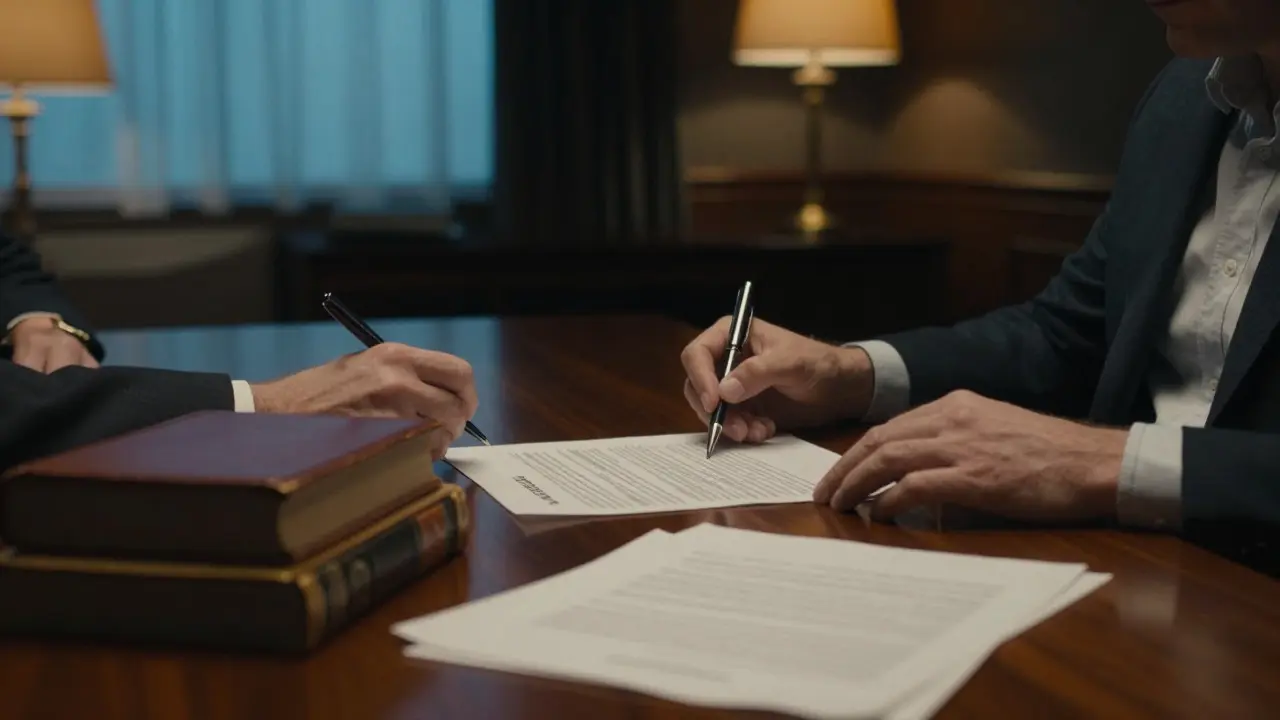
If you are an author considering selling your rights, pay attention to these contract clauses:
- Approval Rights: Are they binding or non-binding? Binding means the studio must get your signature. Non-binding means they can ignore you.
- Termination Clauses: What happens if the project stalls? Can you reclaim your rights?
- Credit Requirements: Will you be credited as "Based on the novel by" or "Written by"? The latter implies more creative contribution.
- Residuals: Ensure you have a clear path to ongoing payments from streaming or TV reruns.
Working with an experienced entertainment lawyer is crucial. They can spot vague language that might leave you with no real power despite holding an "executive producer" title.
Best Practices for Authors
To maximize benefits and minimize risks, follow these guidelines:
- Define Your Red Lines: Decide what absolutely cannot change. Is it the ending? A specific character's fate? Keep the list short.
- Hire a Screenwriter First: Don't try to write the script yourself unless you have prior experience. Hire a professional adapter who understands film grammar.
- Communicate Early: Meet with the director and showrunner before shooting starts. Align on vision early to avoid costly surprises later.
- Stay Off Social Media: Avoid posting behind-the-scenes updates that reveal spoilers or criticize cast choices publicly.
Remember, the goal is not to make a replica of the book. The goal is to make a great movie that honors the spirit of the original. When authors focus on spirit rather than literal translation, the results tend to be stronger.
Frequently Asked Questions
Do authors always get paid more if they are involved in the film?
Not automatically. Involvement is often part of the negotiation for the base fee. However, active participation can justify higher backend percentages because the author is contributing additional labor and reputation capital. The key is negotiating these terms before signing the option agreement.
What is the difference between an executive producer and a consulting producer?
An executive producer typically has financial stake or significant creative oversight, including approval rights. A consulting producer usually provides advice on specific areas, like technical details or cultural accuracy, but has little to no say in the final edit. Executive producer is a more powerful role.
Can an author fire the director if they disagree with the vision?
Rarely. Unless the contract explicitly grants termination rights for creative differences, the studio usually holds the power to hire and fire directors. Authors should aim for approval rights over key creative decisions rather than trying to control personnel changes directly.
Is it better for the author to write the screenplay themselves?
Only if they have proven experience in screenwriting. Adapting a novel is a distinct craft. Many successful novelists struggle with the visual nature of film. Hiring a dedicated screenwriter is usually safer, with the author serving as a consultant to ensure fidelity.
How does author involvement affect box office performance?
Generally, positive involvement boosts marketing potential. Fans are more likely to support a film when they see the author's endorsement. However, if involvement leads to delays or public disputes, it can hurt anticipation. The impact is indirect but significant for franchise-building.