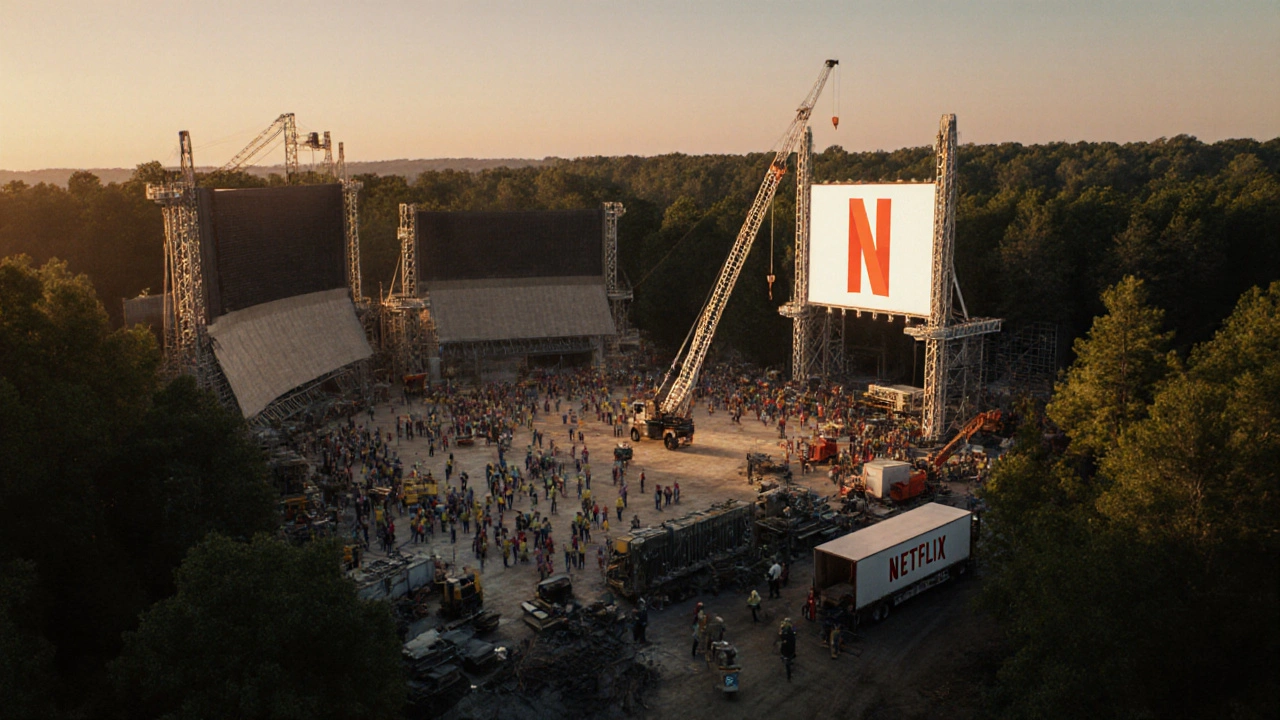
When you watch a hit streaming show like Stranger Things or The Last of Us, you might think it was shot in a studio somewhere in Los Angeles. But more often than not, it was filmed in Georgia, Canada, or the UK - places where the government pays studios to shoot there. That’s not luck. It’s tax credits and infrastructure working together to turn ordinary towns into global production hubs for streamer films.
Why Streamers Need Production Hubs
Streaming services like Netflix, Amazon Prime, and Disney+ aren’t just buying content - they’re building entire film ecosystems. In 2024, global spending on original streaming content hit $140 billion, up from $70 billion just five years earlier. That’s a lot of cameras, crew, trucks, and sound stages. But studios don’t just pick locations based on pretty landscapes. They pick them based on one thing: money.
Producing a single season of a high-end drama can cost between $10 million and $25 million. A 10-episode show shot in Los Angeles might run $200 million. But if you move that same show to a place like Georgia, where you can get back up to 30% of your spending as a tax credit, you save $60 million. That’s enough to shoot two extra episodes or hire A-list actors. That’s why streamers have turned tax incentives into a core part of their production strategy.
Top U.S. Production Hubs and Their Tax Credits
The U.S. has over 40 states offering film tax incentives, but only a handful are truly competitive. Here’s where most streamer films are actually made:
- Georgia: Offers up to 30% transferable tax credit on qualified spending, plus an extra 10% if you include the state’s logo in the credits. Since 2008, Georgia has attracted over $18 billion in production spending. Shows like Stranger Things, The Walking Dead, and Amazon’s The Boys were shot here.
- New Mexico: Offers 25-35% credit depending on spending level. Netflix’s Breaking Bad and El Camino built a long-term relationship here. The state even has a dedicated film office that helps studios find locations, crew, and equipment.
- California: Still the traditional hub, but its 20-25% credit is less generous than others. Many streamers now film only parts of their shows here - usually for star-driven scenes or studio-based work - and shoot the rest elsewhere.
- Michigan: Offers 30% credit with no cap. It’s a rising player, especially for sci-fi and action. Amazon’s The Marvels and Apple TV+’s Severance filmed significant portions here.
What makes these places work isn’t just the credit - it’s the ecosystem. Georgia has over 1,200 trained crew members who’ve worked on Netflix shows. New Mexico has 150+ sound stages. Michigan rebuilt entire industrial zones into film-friendly lots. Streamers don’t just want money. They want reliability.
Canada: The Quiet Giant of Streaming Production
While the U.S. fights over state-level credits, Canada has a national strategy. Provinces like British Columbia, Ontario, and Quebec offer between 25% and 40% in tax credits, often stacked with federal incentives. The result? Canada became the second-largest producer of English-language TV and film in the world - behind only the U.S.
Netflix’s Stranger Things filmed its early seasons in Atlanta, but moved major portions to Canada for season 4. Why? Lower labor costs, a strong union system that ensures consistent crew quality, and a 16% federal credit on top of provincial credits. Vancouver alone has over 80 sound stages and a crew pool trained on everything from superhero blockbusters to intimate dramas.
Canada also has a cultural advantage: its cities look like American ones. Toronto can double for Chicago. Montreal for New York. Vancouver for Seattle. That means streamers don’t have to spend millions on set design. They just need a good location manager.
Europe’s Rising Players
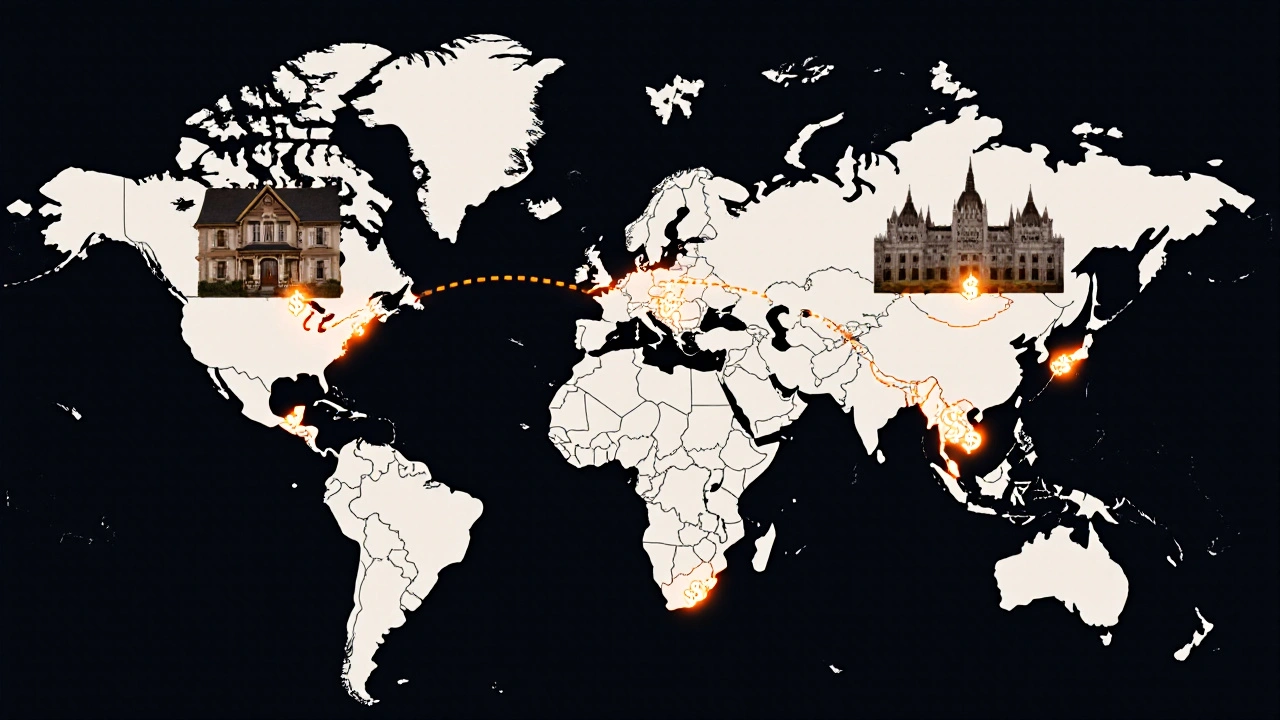
Europe isn’t just for period dramas anymore. The UK, Hungary, and Spain are now major players in streaming production.
- United Kingdom: Offers 25% tax relief on qualifying production spend. London, Manchester, and Cardiff have world-class studios like Pinewood and Roath Lock. Netflix’s Wednesday and Disney+’s Obi-Wan Kenobi were shot here. The UK also has a deep bench of VFX talent - companies like Framestore and DNEG are based there.
- Hungary: Offers 30% cash rebate with no cap. Budapest has become a go-to for sci-fi and fantasy. Amazon’s The Lord of the Rings: The Rings of Power filmed over 70% of its first season here. The city’s old Soviet-era studios were retrofitted into massive sound stages. Crews are cheaper than in the U.S., and the Hungarian government fast-tracks permits.
- Spain: Offers 20-40% depending on region. Barcelona and Madrid have seen a surge in U.S. productions. Apple TV+’s Slow Horses and HBO’s The Last of Us shot key scenes here. Spain’s diverse landscapes - from desert to mountains to medieval towns - mean you can film multiple locations without leaving the country.
Europe’s advantage? A shared language (English), EU infrastructure, and strong local unions that guarantee skilled labor. Plus, many European countries offer bonus credits for hiring local talent or using local suppliers.
What Makes a Facility Truly Competitive?
Tax credits are flashy, but they’re not enough. Streamers need facilities that can handle the scale and speed of modern production.
Modern streaming shows are shot like movies - 10-12 hour days, 6-7 days a week, with heavy visual effects. That means you need:
- Large sound stages: At least 50,000 sq ft, with high ceilings for crane shots and lighting rigs.
- On-site VFX and post-production: Studios that can edit, color grade, and render effects without shipping data across continents.
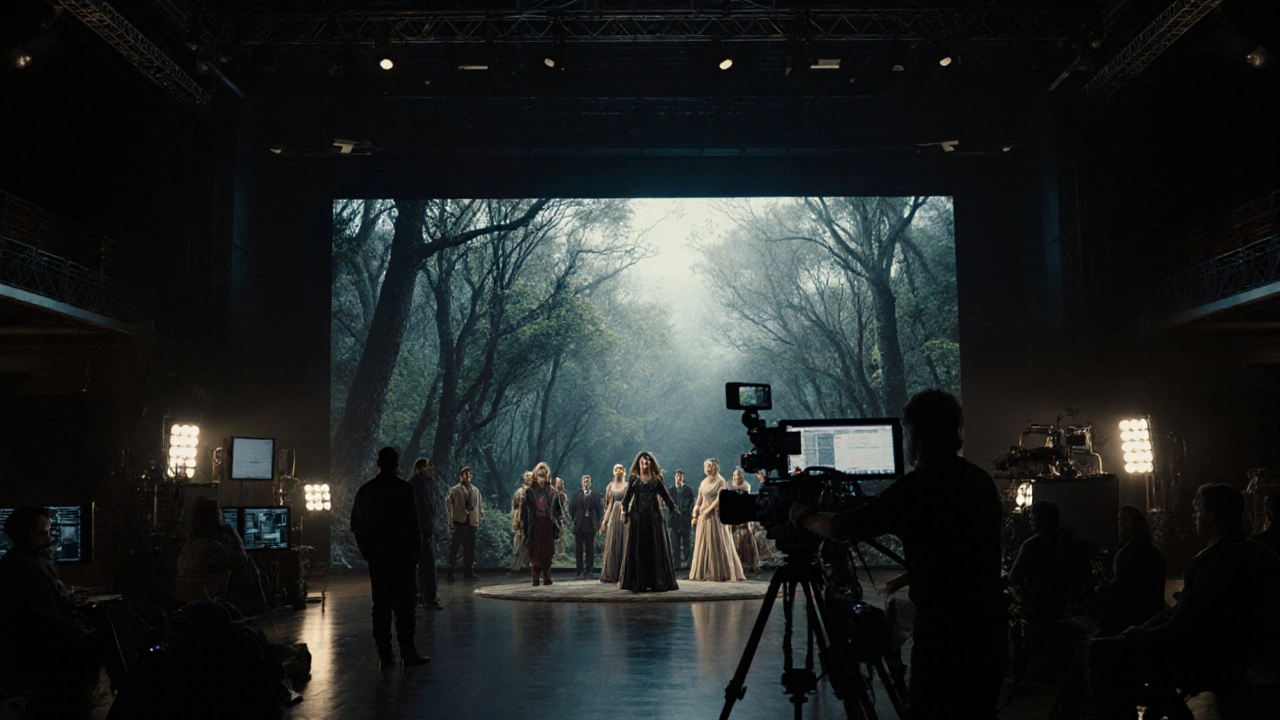
- Trained local crew: Not just grips and gaffers, but specialists in LED volume stages (like the ones used in The Mandalorian).
- Fast permitting: In some places, getting permission to shoot on a public street takes 6 weeks. In Georgia, it’s 48 hours.
- Support services: Equipment rental houses, costume shops, catering, and housing for cast and crew.
Look at Pinewood Studios in the UK. It has 17 sound stages, a 20-acre backlot, and its own water tank for underwater scenes. It also has a dedicated team that works with Netflix to pre-plan shoots. That’s not just a studio - it’s a production partner.
The Hidden Costs of Tax Credits
It’s easy to think tax credits are free money. But they come with strings.
- Complex applications: You have to file paperwork months in advance. Some states require you to prove you spent money locally - meaning you can’t just rent a camera from a New York company and call it a day.
- Waiting for payment: In some places, you don’t get the credit until 12-18 months after filming. That’s cash flow trouble for smaller producers.
- Competition: Georgia caps its credits at $350 million per year. In 2024, that cap was hit in March. If you’re not ready, you’re out.
- Local backlash: Some communities resent the influx of Hollywood. Rising rents, traffic, and noise have led to protests in Vancouver and Atlanta. Streamers now have to factor in public relations.
Streamers that win are the ones who build long-term relationships - not just with governments, but with local unions, schools, and businesses. Netflix now trains high school students in Georgia in camera operation. Amazon partners with Canadian film schools to hire graduates. These aren’t charity. They’re insurance.
Where Is Production Headed Next?
The next wave of production hubs isn’t in the U.S. or Europe. It’s in Southeast Asia and Latin America.
- Thailand: Offers 20% rebate, low labor costs, and stunning locations. Netflix’s Money Heist: Korea filmed key scenes here. The country has modern studios and English-speaking crew.
- South Africa: Offers 25% credit. Cape Town’s terrain mimics everything from African savannas to urban dystopias. Apple TV+’s For All Mankind shot its Mars sequences here.
- Mexico: Offers 25-30% in various states. Mexico City has a booming crew base. Amazon’s The Boys shot major scenes here for season 4.
These regions are cheaper, less saturated, and eager for investment. But they’re also less predictable. Permits can be slow. Infrastructure is uneven. Crews are skilled but not always experienced with high-end U.S. productions.
Still, the trend is clear: streamers are no longer tied to one region. They’re global nomads, chasing the best mix of cost, quality, and speed.
What This Means for Filmmakers
If you’re a director, producer, or even a recent film school grad, this shift changes everything. Your career isn’t tied to LA or New York anymore. You can work on a Netflix show in Hungary, a Disney+ series in Spain, or an Amazon original in Georgia - all without relocating permanently.
Local film schools are now teaching international production standards. Crews are learning to work with virtual sets and LED walls. The old Hollywood model - where you had to live in one city to get work - is gone.
Today, the best filmmakers aren’t the ones with the most connections. They’re the ones who understand where the cameras are going next - and how to get there.
Which U.S. state offers the best tax credits for streaming productions?
Georgia currently offers the most competitive package: up to 30% transferable tax credit on qualified spending, plus an extra 10% for including the state logo. It also has a large, experienced crew base, modern facilities, and fast permitting. New Mexico and Michigan are close behind, especially for sci-fi and action-heavy shows.
Why do streamers prefer Canada over the U.S. for filming?
Canada offers higher combined federal and provincial tax credits - up to 40% in some provinces - with fewer caps and more consistent rules across regions. Canadian cities also double as American ones, reducing set design costs. Plus, the union system ensures reliable, skilled labor, and the country has a strong reputation for quality post-production and VFX.
Do tax credits really save studios money?
Yes - significantly. For a $200 million production, a 30% credit means $60 million in savings. That’s enough to add a season, hire bigger-name actors, or invest in better visual effects. Many streamers now budget their entire production around maximizing these credits, sometimes even reshooting scenes to qualify for higher rebates.
Are there downsides to filming in tax credit states?
Yes. Some states cap their credits, so you have to apply early. Payments can take over a year. Local communities sometimes push back due to rising housing costs or traffic. And if you don’t spend enough locally - like renting gear from out of state - you might not qualify. Planning and compliance are critical.
What kind of facilities do modern streaming productions need?
Modern productions need large sound stages (50,000+ sq ft), on-site VFX and post-production teams, LED volume stages for virtual sets, experienced crew familiar with streaming schedules, and fast permitting systems. Studios like Pinewood in the UK or Trilith in Georgia are built for this scale - not just for shooting, but for end-to-end production.




Comments(6)