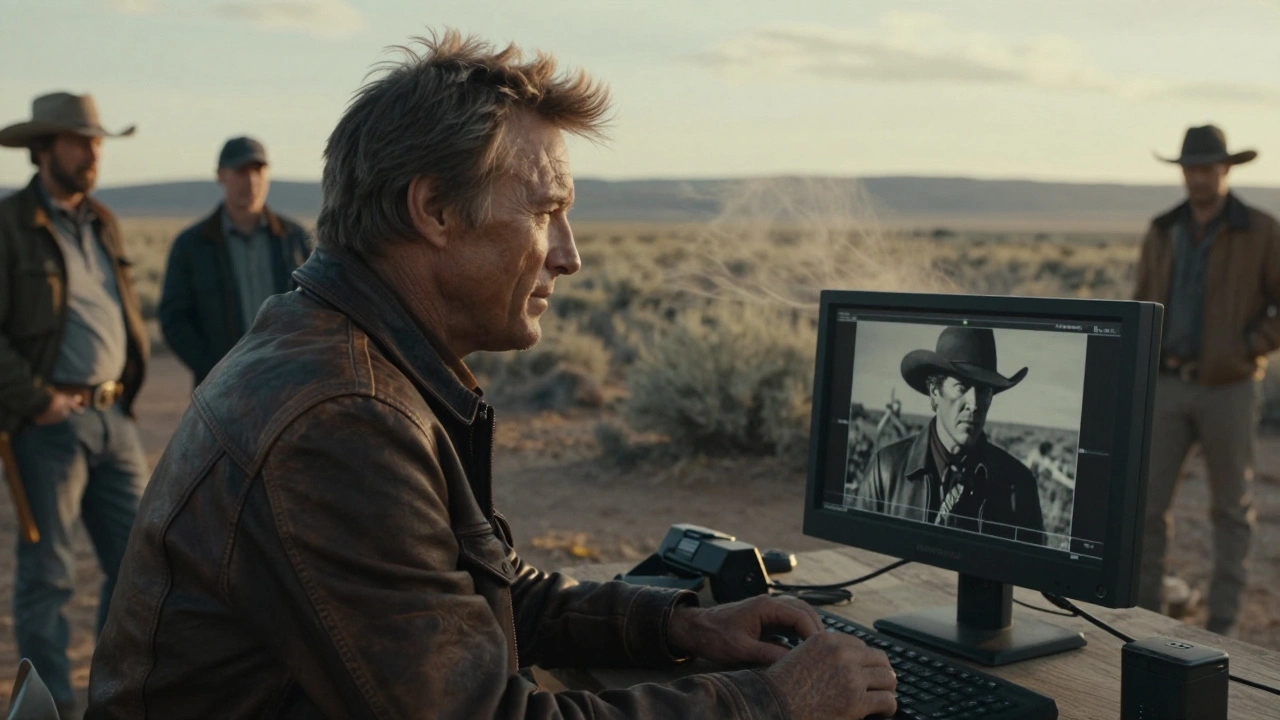
Think about the last movie you watched where the lead actor also directed it. Maybe it was Ben Affleck in Argo, or Manchester by the Sea with Casey Affleck both acting and shaping the tone. Or perhaps you remember Clint Eastwood playing a grizzled cop while quietly steering the camera behind the scenes. These aren’t accidents. They’re deliberate choices - and they’ve been reshaping cinema for decades.
Why Do Actors Take the Director’s Chair?
It’s not about ego. Most actor-directors don’t jump behind the camera because they think they’re better than the director. They do it because they’re stuck. The script doesn’t match their vision. The studio won’t let them change a line. The emotional beat they need isn’t there. So they step in.
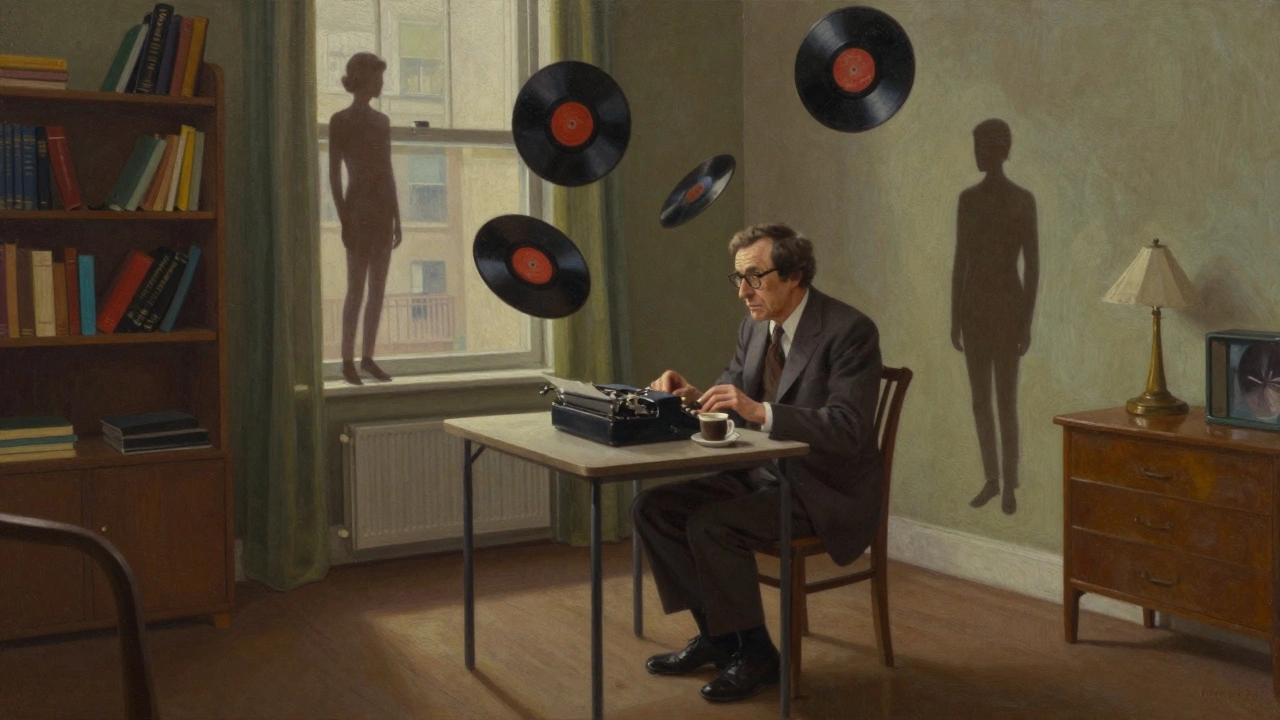
Take Woody Allen. He wrote and starred in over 40 films, often playing neurotic New Yorkers who overthink everything. He didn’t just act those roles - he built the entire world around them. The coffee shops, the jazz records, the awkward silences. No other director would’ve captured that rhythm the way he did. He didn’t direct because he wanted control. He directed because no one else understood the rhythm of his characters.
Same with Orson Welles. He was 25 when he made Citizen Kane, playing a media tycoon who crumbles under his own power. He didn’t just act the part - he designed the lighting, the deep focus shots, the newspaper headlines. He needed the camera to see what he saw. And he was right. That film changed how movies tell stories.
The Hidden Cost of Wearing Two Hats
It sounds glamorous - actor, director, producer, all in one. But it’s exhausting. You’re not just memorizing lines. You’re also making casting calls, reviewing dailies, adjusting lighting, and managing a crew that’s watching you closely.
Robert Redford directed Ordinary People in 1980 and won the Oscar for Best Director. But he didn’t act in it. Why? Because he knew he couldn’t do both well. He needed to be fully present behind the camera. That’s the trade-off. When you’re on screen, you’re living the character. When you’re directing, you’re observing everyone else. You can’t be in two places at once.
Some actors try anyway. Brad Pitt directed and starred in By the Sea in 2015. Critics called it slow. Audiences walked out. He later admitted he was too distracted by his own performance to notice the pacing issues. He was too close to the material.
Who Does It Best? The Standouts
Not every actor-director succeeds. But a few have mastered the balance. Here’s who gets it right:
- Clint Eastwood - He’s directed over 40 films since 1971 and acted in most of them. He shoots fast, edits tight, and rarely does more than two takes. His performances feel natural because he’s not overthinking them. He trusts the moment.
- Emma Stone - She directed a short film called La La Land’s companion piece, La La Land: The Making of a Musical, and later produced and starred in Poor Things. She doesn’t direct her own features yet, but she’s learning how to shape a film without being in front of it.
- John Cassavetes - He made raw, improvised films like Shadows and A Woman Under the Influence. He acted in them, wrote them, and financed them himself. He didn’t care about budgets or studio notes. He cared about truth.
- Hailee Steinfeld - She directed her first short in 2023 and acted in it too. At 26, she’s part of a new wave of young actor-directors who grew up watching indie films on streaming and learned editing on their laptops.
What do these people have in common? They didn’t start as directors. They started as actors who needed to tell stories differently. They didn’t want to wait for permission. They just did it.
How It Changes the Performance
When an actor directs themselves, the performance changes. It’s not just about hitting marks or delivering lines. It’s about controlling the emotional temperature of every scene.
In Manchester by the Sea, Casey Affleck played a man drowning in grief. He directed himself in quiet moments - staring out a window, sitting in a car, holding a coffee cup. Those scenes didn’t have dialogue. But they carried the whole movie. Why? Because he knew exactly how long to hold the silence. He knew when to look away. No other director would’ve trusted that stillness.
Compare that to The Revenant. Leonardo DiCaprio didn’t direct it, but he fought for the role and pushed for realism - sleeping in the snow, eating raw bison liver, swimming in freezing rivers. He wasn’t directing, but he was shaping the film’s tone. That’s the line actor-directors walk: how much control is too much?
The Rise of the Indie Actor-Director
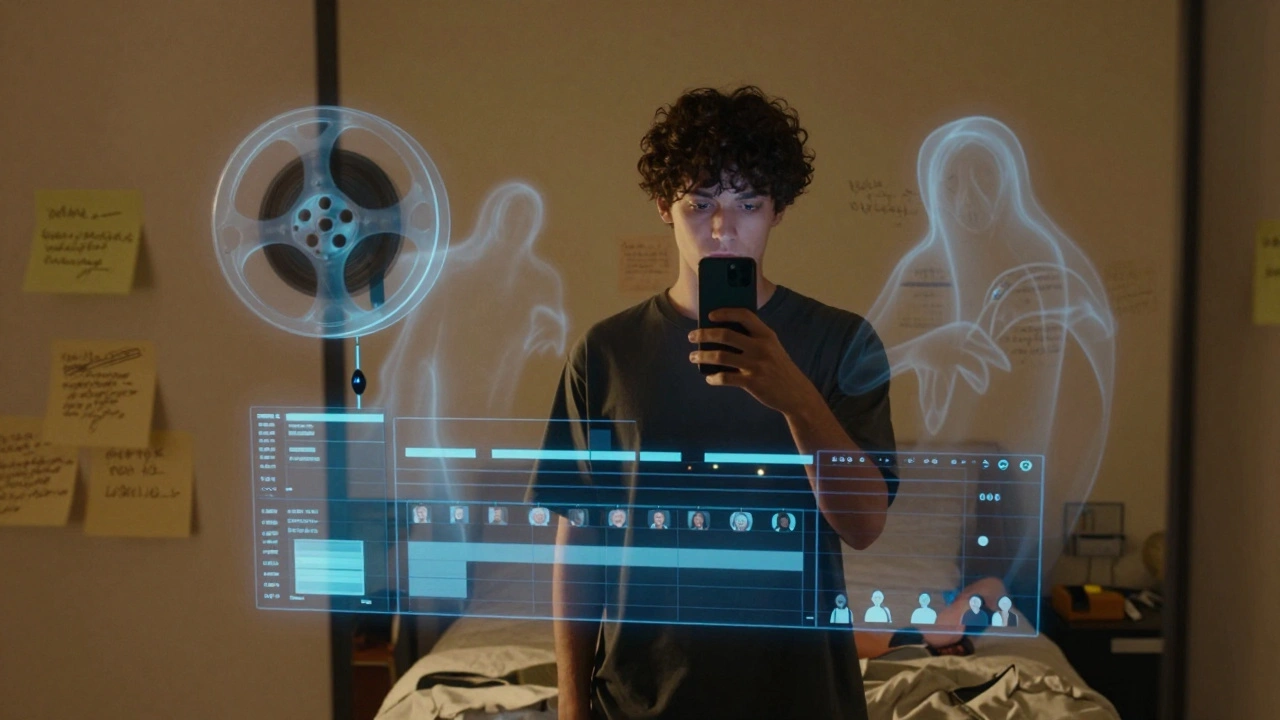
Twenty years ago, actor-directors were mostly A-listers with studio backing. Now, it’s different. With smartphones, editing software, and platforms like Vimeo and YouTube, young actors are making short films and uploading them. Some get noticed. Some get hired.
Bo Burnham started as a comedian. He wrote and starred in Eighth Grade in 2018 - a film about a shy girl navigating middle school. He didn’t have a big budget. He didn’t have a big crew. But he knew what it felt like to be awkward. He cast real kids. He used natural lighting. He didn’t direct himself - he let the actors breathe. The film won awards. He later directed and starred in Inside, a Netflix special that blended music, comedy, and mental health.
Now, you’ll find actor-directors on TikTok making 60-second films that go viral. A 19-year-old in Ohio directed and starred in a short about her anxiety during finals week. It got 12 million views. No studio. No agents. Just a phone and a story she needed to tell.
What It Means for the Future of Film
Actor-directors aren’t a trend. They’re a shift. More people are learning how to make films now than ever before. And if you’re an actor who wants to tell a story your way - you don’t need to wait for a studio to say yes.
Look at Chloé Zhao. She didn’t start as an actor. But she directed Nomadland with real people - not professional actors. She cast people who’d lived the life she was showing. That’s the new model: authenticity over polish. And actor-directors are leading it.
More actors will direct. More directors will act. The lines are blurring. And that’s not a problem - it’s an opportunity. The best stories come from people who’ve lived them. If you’ve played a character, you know what they’re thinking. If you’ve directed, you know how to show it.
That’s why actor-directors matter. Not because they’re famous. But because they refuse to let someone else tell their story.
Who is the most successful actor-director of all time?
Clint Eastwood holds the record for most films directed while also acting in them - over 40 films since the 1970s. He’s won two Oscars for directing, and his performances are known for their quiet intensity. He’s not flashy, but his films have earned over $3 billion worldwide. His consistency, efficiency, and emotional restraint make him the most successful in terms of longevity and impact.
Do actor-directors make better films?
Not necessarily. But they often make more personal ones. When an actor directs themselves, the film reflects their inner voice - not a studio’s market research. That’s why films like Manchester by the Sea or Eighth Grade feel so real. They’re not trying to please everyone. They’re trying to tell one truth. That doesn’t guarantee box office success, but it often leads to critical acclaim and cultural resonance.
Can you be a great actor and a great director at the same time?
Yes - but it’s rare. Most actors who direct themselves sacrifice one role for the other. John Cassavetes managed it by working with small crews and improvising scenes. Clint Eastwood does it by shooting fast and trusting instinct. The key is knowing when to step away from the camera to act, and when to step back to observe. It’s not about being perfect at both - it’s about knowing which hat to wear in each moment.
Why do studios allow actors to direct their own films?
Studios usually don’t - until the actor proves they can deliver. Clint Eastwood earned trust by working cheaply and on time. Ben Affleck got a second chance after Argo won Best Picture. Now, studios see actor-directors as lower-risk: they already know the script inside out, they’re invested in the project, and they often bring their own fanbase. It’s less about control and more about efficiency.
Are actor-directors more common today than in the past?
Yes - and for different reasons. In the 1970s, actor-directors were mostly established stars with studio backing. Today, it’s easier than ever to make a film with a smartphone and free editing software. Young actors are learning directing through YouTube tutorials and indie festivals. The barrier to entry is gone. Now, actor-directors aren’t just Hollywood names - they’re college students, TikTok creators, and indie filmmakers in basements across the country.




Comments(7)