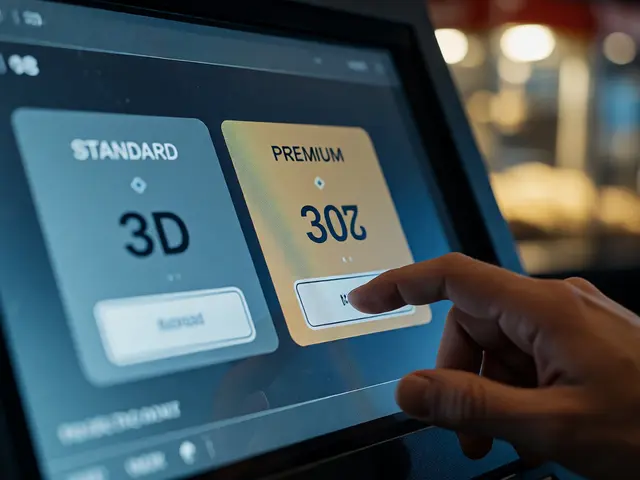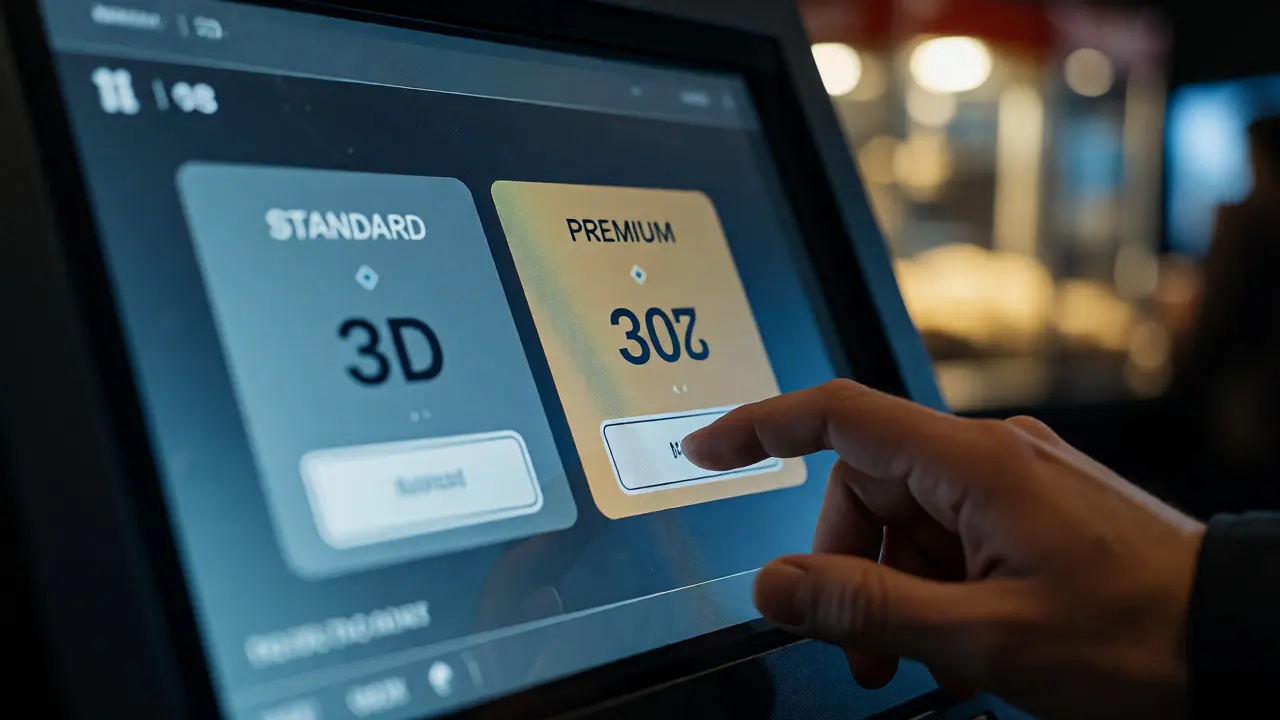
You’re standing at the concession stand, staring at the ticket screen. The standard 2D showing is $14.50. The 3D version? That’s $19.75. Do you really need those plastic glasses to enjoy the movie, or are you just subsidizing a dying technology? If you’ve felt that hesitation lately, you aren’t alone. The gap between what studios charge for 3D and what audiences actually value has widened significantly since the peak of the format in the early 2010s.
Today, we’re looking hard at the numbers behind 3D Film Performance. We’ll break down why attendance has dropped, which movies still justify the upcharge, and whether the "premium" label holds any water when compared to modern home theater setups. By the end, you’ll know exactly when to pay extra and when to keep your wallet closed.
The Golden Age Has Passed
Let’s be real about where we started. In 2010, Avatar wasn’t just a movie; it was an event. James Cameron proved that stereoscopic imaging could drive massive revenue streams. Studios rushed to convert every animated feature and action blockbuster into 3D. For a few years, it seemed like the only way forward. But that enthusiasm hit a wall around 2012-2013. Why?
Audiences got tired. Post-conversion films-movies shot in 2D and artificially turned into 3D later-often looked dark, blurry, and caused headaches. You weren’t paying for immersion; you were paying for a gimmick that made the screen look like it was covered in dirty glass. Once viewers realized they could watch the same high-definition content on their 4K TVs without the neck strain, the novelty wore off fast.
By 2026, the data tells a clear story. While 3D hasn’t vanished completely, its share of total box office gross has stabilized at a much lower percentage than during the hype cycle. Studios now use it selectively, mostly for tentpole franchises where the visual spectacle is undeniable. If you’re buying a ticket for a mid-budget drama or a comedy, the 3D premium is almost certainly a waste of money.
Why Attendance Dropped (And Why It Matters)
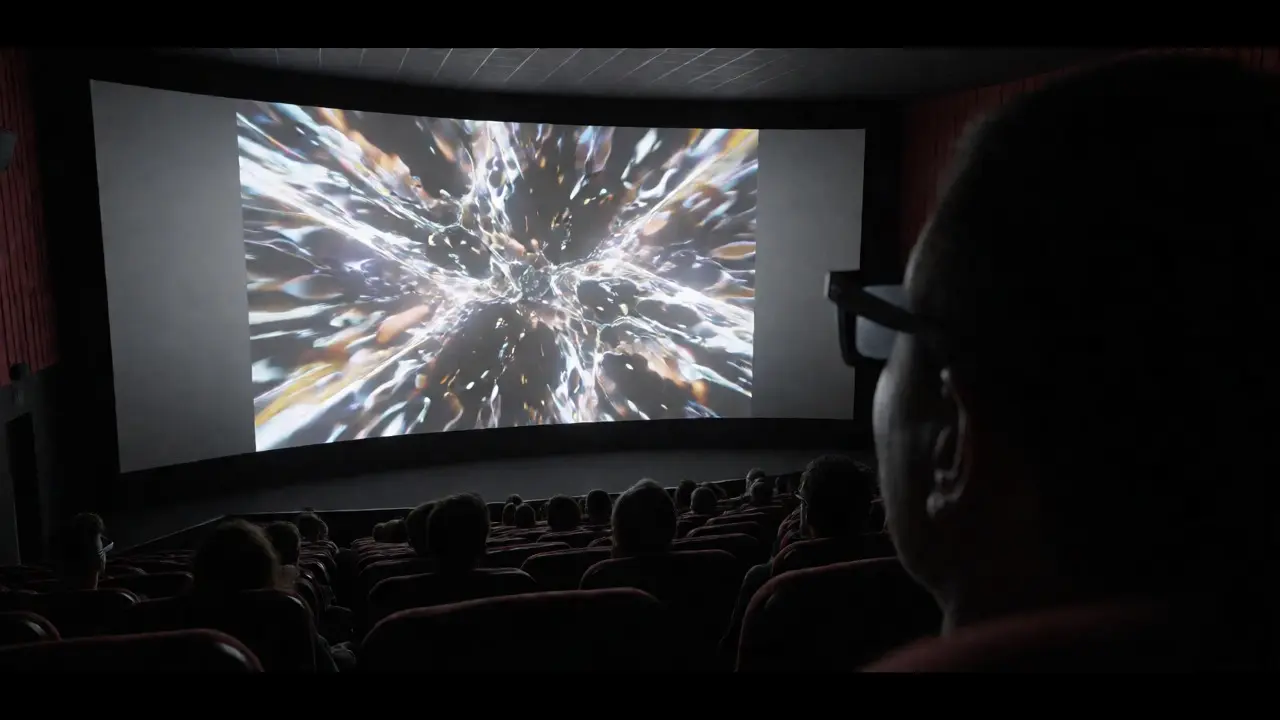
It’s not just about bad movies. There are practical reasons people avoid the 3D aisle. First, there’s the brightness issue. Even with modern laser projectors, 3D images lose significant luminance compared to 2D. Your eyes have to work harder to process the depth cues, leading to fatigue after two hours. Second, the cost adds up quickly. A family of four can easily spend an extra $20-$25 per trip just for the format upgrade. Over a year, that’s hundreds of dollars spent on a marginal visual difference.
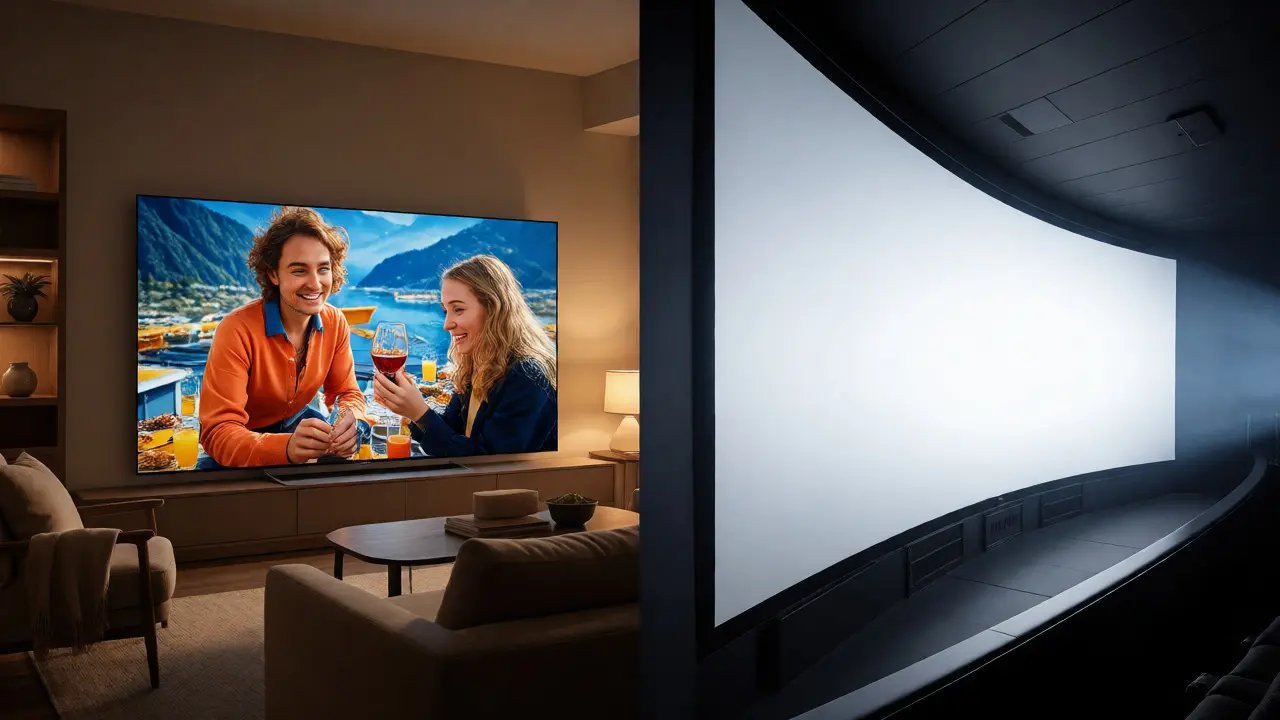
Then there’s the competition from home. High-end OLED TVs and projector systems now offer contrast ratios and color accuracy that rival commercial cinemas. When you factor in the ability to pause, snack freely, and wear comfortable clothes, the convenience of staying home becomes a strong competitor. Cinemas have tried to fight back with better sound systems and larger screens, but if the core image quality suffers due to the 3D filter, the experience feels compromised.
| Format | Avg. Ticket Price (US) | Visual Clarity | Comfort Level | Best For |
|---|---|---|---|---|
| Standard 2D | $14 - $16 | High Brightness | High | Dramas, Comedies, Dialogue-heavy films |
| Digital 3D | $18 - $22 | Moderate (Dimmer) | Moderate (Eye Strain) | Action Sequences, Animated Features |
| IMAX Laser | $22 - $28 | Very High | High | Epic Scale Films (e.g., Dune, Oppenheimer) |
| Home 4K HDR | N/A (Equipment Cost) | Variable (High) | Maximum | Repeat Viewings, Budget-Conscious |
The Exception: When 3D Actually Works
So, is the format dead? Not quite. There are specific scenarios where the premium is justified. It comes down to intent. Was the movie shot natively in 3D, or was it converted? Native 3D films, where cameras capture depth directly, tend to preserve brightness and clarity far better than post-production conversions.
Take animated features. Studios like Pixar and DreamWorks design their worlds with depth in mind. Characters pop out of the screen naturally, enhancing the whimsical feel without causing eye strain. If you’re taking kids to see a major animation release, the 3D experience often enhances the magic rather than detracting from it.
Similarly, big-scale sci-fi epics directed by visionaries like Christopher Nolan or Denis Villeneuve sometimes utilize IMAX 3D sequences specifically designed to overwhelm your senses. In these cases, you aren’t just watching a movie; you’re participating in a sensory event. The sheer size of the screen combined with the depth effect creates an immersion level that even the best home setup struggles to replicate. If the trailer explicitly mentions "Shot in IMAX," it’s usually worth the extra cash.
The Rise of Alternative Premium Formats
Cinemas realized that forcing 3D on everyone was alienating customers. Instead, they shifted focus toward other "Premium Large Format" (PLF) experiences. This includes Dolby Cinema, IMAX with Laser, and ScreenX. These formats prioritize brightness, sound quality, and screen size over stereoscopic depth.
For many moviegoers, a bright, crisp 2D IMAX experience beats a dim, strained 3D viewing any day. The audio engineering in these theaters is often superior, providing a visceral impact that headphones at home can’t match. If you’re debating between 3D and a standard large-format screen, choose the latter unless the 3D element is critical to the director’s vision. The trend in 2026 shows a clear preference for clarity and comfort over forced depth.
How to Decide Before You Buy
You don’t need to guess. Here is a quick checklist to help you decide if the 3D surcharge is worth it for your next outing:
- Check the Production Method: Search online to see if the film was "shot natively in 3D." If it says "converted to 3D," skip the upgrade.
- Look at the Genre: Action, Sci-Fi, and Animation benefit most. Drama, Romance, and Comedy rarely do.
- Assess Your Sensitivity: Do you get headaches easily? Do you wear prescription glasses? If yes, stick to 2D. The added weight of dual lenses isn’t fun for long runtimes.
- Compare with Home Tech: If you have a 65-inch+ OLED TV, the marginal gain of theatrical 3D might not justify the price difference.
- Read Early Reviews: Wait for the first weekend reviews. Critics often highlight if the 3D conversion looks muddy or distracting.
Remember, the goal is enjoyment, not obligation. Don’t let marketing pressure dictate your spending. If the movie looks great in 2D, buy the 2D ticket. Save the difference for popcorn-or better yet, put it toward your next concert ticket.
Frequently Asked Questions
Is 3D still popular in 2026?
While no longer the dominant force it was in 2010, 3D remains a niche but profitable segment for major blockbusters. However, its market share has stabilized at a lower level, with most general audiences preferring standard 2D or large-format alternatives like IMAX.
Why does 3D make some people sick?
This phenomenon, known as "vergence-accommodation conflict," occurs because your eyes converge on the depth cue while focusing on the flat screen plane. This mismatch causes brain confusion, leading to nausea, headaches, and eye strain, especially in poorly converted films.
Are 3D glasses hygienic?
Modern cinemas typically use reusable polarized glasses that are cleaned between showings, though hygiene standards vary by chain. Many theaters now also sell single-use pairs or encourage bringing your own compatible glasses to ensure cleanliness and fit.
Does 3D affect the movie's brightness?
Yes, significantly. Traditional 3D filters block a large portion of light, making the image appear darker than its 2D counterpart. Newer laser projection technologies have improved this, but 3D generally remains dimmer than standard 2D screenings.
Should I pay for 3D for animated movies?
Generally, yes. Animated films are often created with 3D depth in mind from the start, resulting in a more immersive and less straining experience compared to live-action conversions. It’s one of the few genres where the premium frequently pays off.