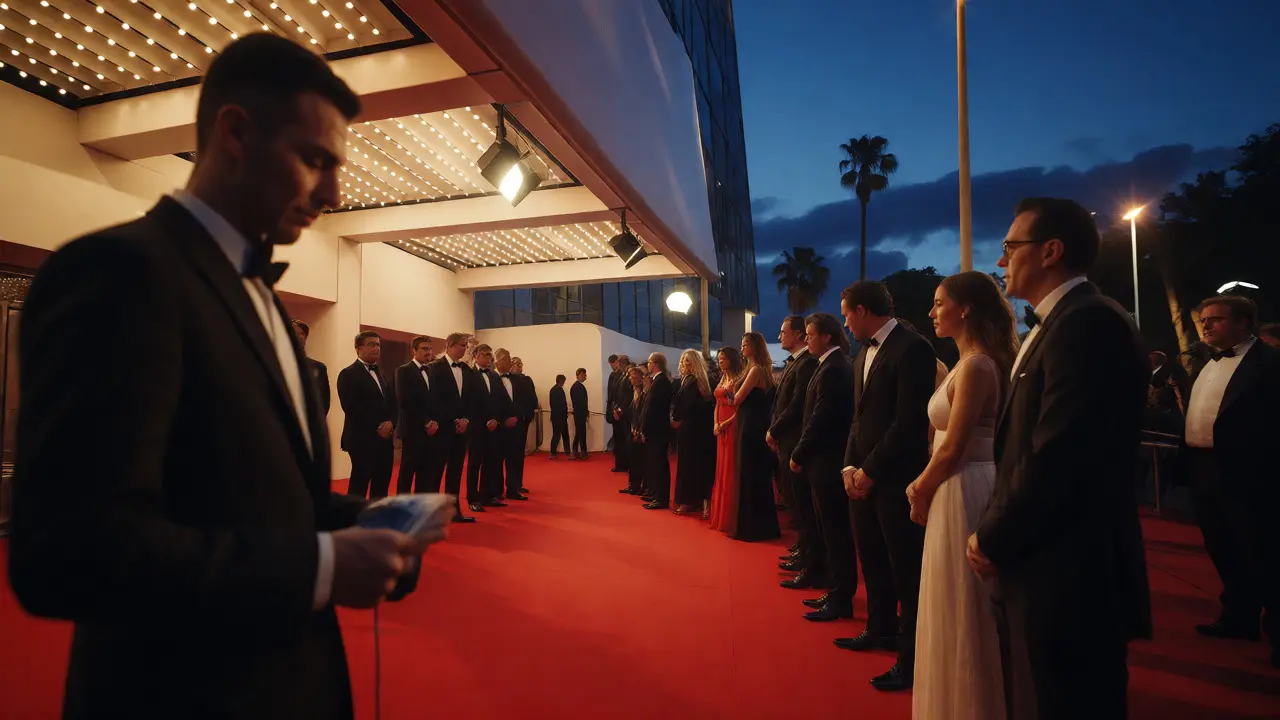
You’ve secured your badge. You’ve booked the flight. You’ve memorized the screening schedule down to the minute. But here’s the thing nobody tells you about attending major international film festivals: knowing which theater is next doesn’t matter if you break an unspoken social rule and get side-eyed by a local critic or ignored by a distributor. It’s not just about watching movies; it’s about navigating a high-stakes social ecosystem where respect for local customs can make or break your networking game.
Quick Summary / Key Takeaways
- Punctuality varies: In Europe (Cannes, Berlin), late entry often means waiting until the end of the reel. In North America, you might slip in quietly.
- Dress codes are real: Don’t wear shorts to a gala premiere in Venice unless you want to be turned away at the door.
- The "Quiet Rule": Talking during screenings is a cardinal sin everywhere, but whispering during Q&As is acceptable only in specific contexts.
- Alcohol culture differs: Drinking at parties is expected in Cannes; it’s frowned upon during daytime industry mixers in some Asian festivals.
- Language matters: Always start with a greeting in the local language before switching to English.
Why Cultural Context Changes Everything
Film festivals aren’t just movie marathons. They’re diplomatic events wrapped in cinema. When you walk into the Palais des Festivals in Cannes or the Potsdamer Platz in Berlin, you’re entering a space where professional hierarchy meets national pride. If you treat every festival like Sundance-casual, snow-covered, jeans-friendly-you’ll look out of place in the tuxedo-heavy halls of Venice.
Think about it this way: The etiquette isn’t arbitrary snobbery. It’s a signal. Adhering to local norms shows you respect the host country’s traditions and the effort organizers put into curating the experience. Ignoring them signals that you’re there just for the free swag bag, not the art. This distinction affects who talks to you, whether you get invited to after-parties, and even how your pitch lands in a meeting room.
The Screening Room: Where Most People Fail
This is ground zero for etiquette errors. Every festival has its own unwritten code regarding entry, seating, and noise.
Entry Rules: The Late Arrival Trap
In many European festivals, specifically Cannes and Berlinale, once the lights go down and the projector starts, the doors close. Period. There is no sneaking in. If you arrive two minutes late, you wait outside for the entire runtime. This can mean missing a 90-minute film entirely. Contrast this with Toronto or Telluride, where ushers will guide you to a seat, though they still prefer you sit in the back row.
Pro Tip: Arrive 15 minutes early. Not 10. Fifteen. Security checks and bag searches take longer than you think, especially at high-security zones like Cannes’ red carpet areas.
Noise Discipline
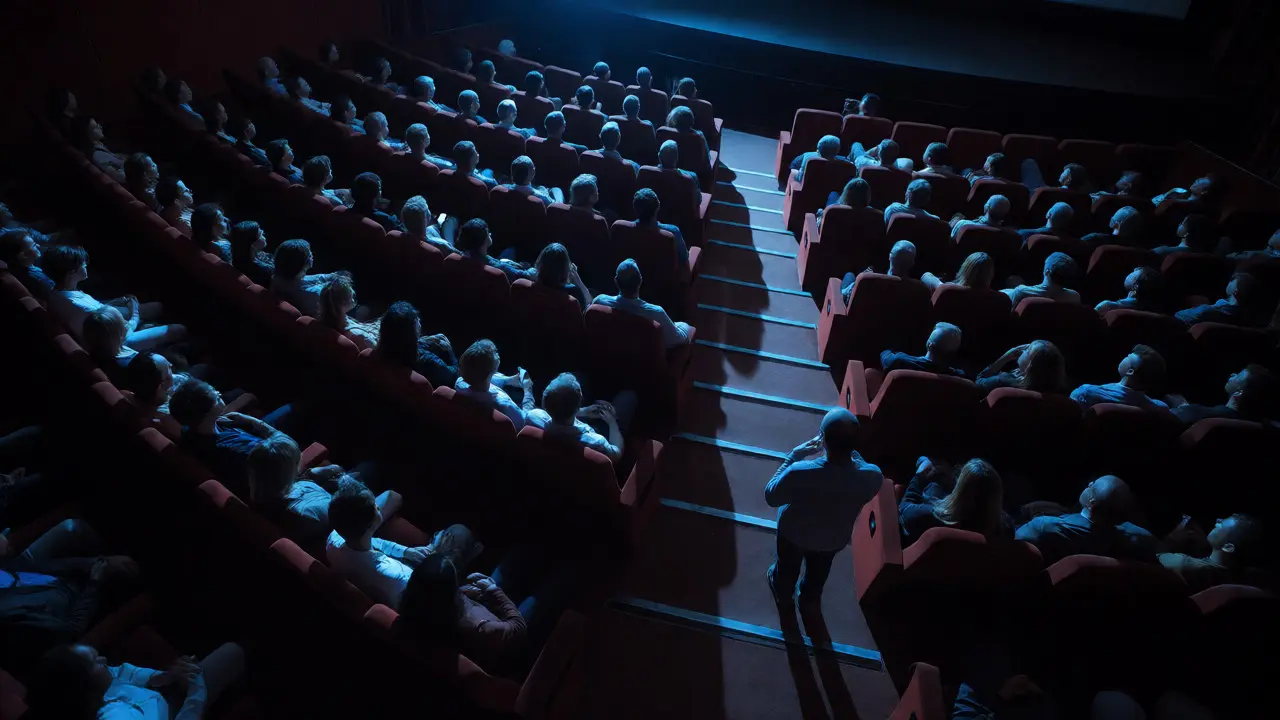
We all know phones should be off. But what about rustling candy wrappers? Or whispering comments to your friend? At festivals like Venice Film Festival, audience reaction is part of the show-applause, boos, whistles-but talking is strictly forbidden. In contrast, at smaller indie festivals like Slamdance, a bit of hushed chatter between friends is tolerated more easily.
If you must cough, cover your mouth thoroughly. If you have a chronic condition, consider sitting near the aisle so you can step out without climbing over six people. Climbing over others while they’re trying to focus on a subtle performance scene is a quick way to earn enemies.
Dress Codes: Decoding the Invitation
"Smart Casual" means different things in different cities. Here’s a breakdown to keep you from getting rejected at the velvet rope.
| Festival | Daytime Attire | Gala/Premiere Attire | What to Avoid |
|---|---|---|---|
| Cannes | Business casual, clean sneakers okay | Tuxedo or dark suit (men); Evening gown or cocktail dress (women) | Sandals, shorts, baseball caps |
| Venice | Stylish casual, linen allowed | Elegant evening wear; suits required for men | Flip-flops, sportswear logos |
| Berlinale | Practical, warm layers (it’s February) | Smart casual to semi-formal; less rigid than Cannes | Overly flashy club wear |
| Toronto (TIFF) | Casual, comfortable walking shoes | Business casual; jackets optional | Formal tuxedos (you’ll stick out) |
| Sundance | Warm winter gear, parkas | Casual chic; boots essential | Heels (snow/ice hazard) |
Notice the pattern? Southern European festivals lean formal. Northern European and North American festivals prioritize comfort and practicality, largely due to weather and urban layout. If you’re unsure, err on the side of slightly more formal. You can always remove a jacket. You can’t conjure a tie out of thin air when security says "no."
Socializing: Parties, Mixers, and Alcohol
Networking happens in the hallways and at parties, but the vibe shifts drastically by location.
The Art of the Approach
In Japan’s Tokyo International Film Festival, bowing and exchanging business cards (meishi) with both hands is standard protocol. Rushing up to someone and shoving a card in their face is rude. In Latin American festivals like Guadalajara, personal connection comes first. Small talk about family or travel is expected before diving into business. Jumping straight into "Can I see your script?" feels transactional and cold.
Alcohol Expectations
At Cannes, wine flows freely at almost every event. Refusing a drink can sometimes be seen as aloof, though it’s perfectly polite to decline with a smile. However, at certain Middle Eastern or Asian festivals, drinking alcohol in public spaces or during daytime industry lunches might be culturally sensitive. Observe the locals. If the senior executives aren’t pouring champagne at noon, neither should you.
Also, watch your volume. Western attendees often speak loudly, assuming everyone wants to hear their story. In quieter cultures, such as South Korea or Finland, loud laughter in a mixed group can be perceived as disruptive or arrogant. Modulate your volume based on the room’s energy.
Q&A Sessions: When to Speak Up
Director Q&As are prime networking opportunities, but they’re also minefields. Do not use this time to pitch your own project. No one cares that you’re writing a thriller set in Mars. Ask a question about the film.
Keep it brief. One sentence context, one sentence question. If the moderator cuts you off, let it go. Arguing with the mic holder makes you look desperate. And please, do not ask "What was your inspiration?" It’s too broad. Instead, try: "The color palette in the third act shifted dramatically. Was that intentional to reflect the protagonist’s mental state?" That shows you paid attention and respects the filmmaker’s craft.

Local Customs Beyond the Screen
Your etiquette extends to how you interact with staff, vendors, and fellow attendees outside the theater.
- Greetings: Learn "Bonjour," "Guten Tag," "Buongiorno," or "Hola" depending on where you are. Starting with the local language breaks the ice instantly.
- Tipping: In the US, tipping is mandatory. In France, service is included, but rounding up is appreciated. In Japan, tipping can actually be offensive. Research the local norm before handing cash to a waiter.
- Photography: Never photograph other attendees without permission, especially at premieres. Paparazzi culture is intense in Cannes; snapping a photo of a stranger might result in a confrontation. Only photograph the screen during credits, never during the film.
Common Pitfalls to Avoid
Even seasoned veterans make mistakes. Here are the big ones:
- Wearing your badge inside out: Organizers need to scan it quickly. Keep it visible.
- Bringing large bags: Many theaters prohibit backpacks larger than a purse size. You’ll waste time checking it.
- Eating in the theater: Unless explicitly allowed (like popcorn at some US festivals), avoid strong-smelling foods. Fish sandwiches in a closed room? Disaster.
- Ignoring the "Standby" list: If you miss a ticketed screening, don’t beg. Stand politely at the designated standby area. Pushing ahead of line-jumpers gets you blacklisted by volunteers.
Final Thoughts: Respect is Your Currency
Ultimately, cultural etiquette at international film festivals boils down to awareness. You’re a guest in someone else’s home, even if that home is a global cinematic hub. By respecting local rhythms, dressing appropriately, and engaging with humility, you transform from a tourist into a respected participant. The best conversations happen when you’re relaxed because you know you’re doing it right. So, pack smart, listen more than you talk, and enjoy the magic of cinema without the awkwardness.
Do I really need a tuxedo for Cannes?
For the main competition screenings and galas, yes, men are strongly expected to wear tuxedos or very dark suits. Women should wear evening gowns or elegant cocktail dresses. For non-competition sections or daytime events, smart casual is acceptable, but check the specific invitation details.
What happens if I arrive late to a screening at Berlinale?
At Berlinale, if you arrive after the film has started, you typically cannot enter until the next intermission or, in some cases, not until the film ends. It is highly recommended to arrive at least 15-20 minutes early to account for security checks and finding your seat.
Is it okay to eat snacks during film screenings?
Generally, no. Most international festivals discourage eating inside the auditorium to minimize noise and smell. Exceptions exist for popcorn or water bottles in certain venues, but avoid crunchy chips or strong-smelling foods. Check the specific venue's policy posted at the entrance.
How should I handle Q&A sessions if my English isn't perfect?
Prepare your question in writing beforehand. Speak clearly and slowly. If you struggle, it’s acceptable to hand your written question to the moderator or ask a bilingual friend to help translate. Most filmmakers appreciate the effort and clarity over fluency.
Are business cards still used at film festivals?
Yes, physical business cards remain important, especially in Asia and Europe. Have plenty printed. Exchange them with both hands in Japan and China. In the US and UK, digital exchanges via LinkedIn QR codes are becoming common, but having a card on hand is still safer for older industry professionals.





Comments(5)