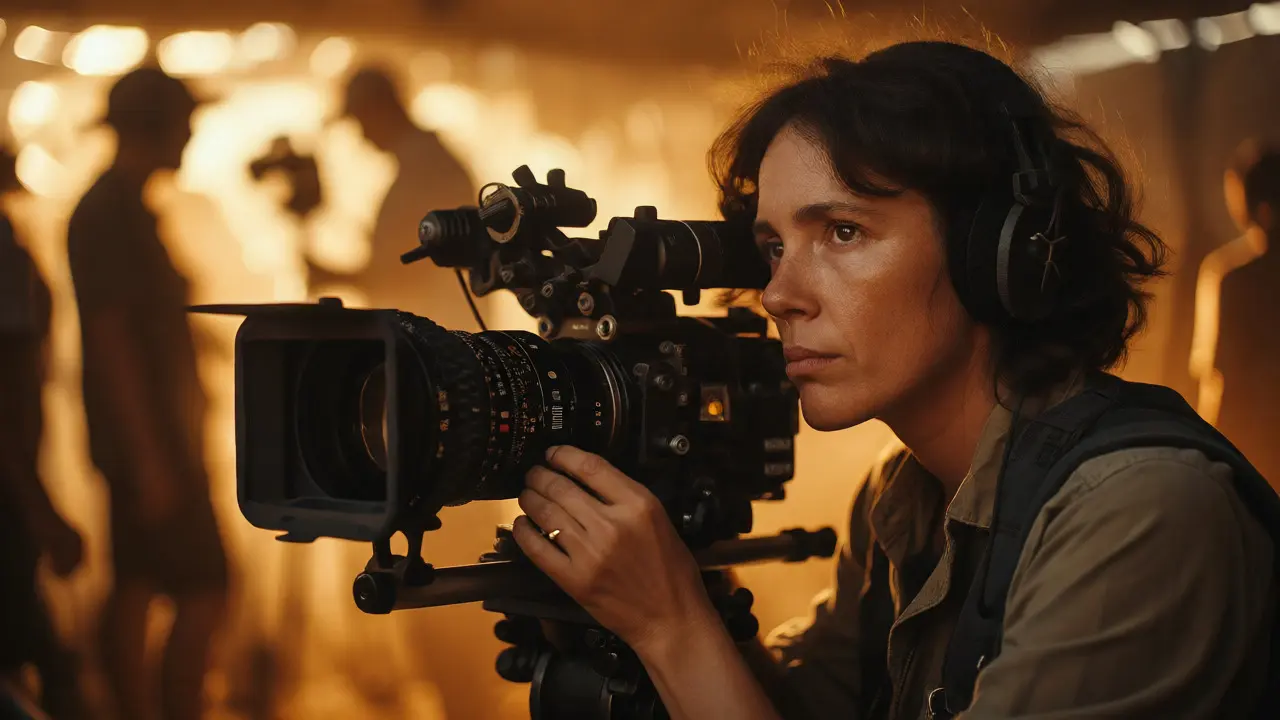
You know that feeling when you watch a movie and the lighting just hits? It’s not magic. It’s craft. And for decades, the people behind that craft were almost exclusively men. But the landscape is shifting. We’re seeing more women in cinematography taking charge of the camera, shaping how stories look and feel. This isn’t just about checking boxes; it’s about bringing fresh eyes to an industry that desperately needed them.
Why Visual Perspective Matters
Cinematography is often called "painting with light." But who holds the brush matters. When a female director of photography (DP) steps onto set, she brings a lived experience that influences everything from framing to color grading. Take Rachel Morrison, for example. She was the first woman nominated for an Academy Award for Best Cinematography for Mudbound. Her work wasn't just technically proficient; it captured the gritty, humid reality of the Jim Crow South with a intimacy that male counterparts might have missed or stylized differently.
This shift changes the narrative. Traditional Hollywood lighting often relied on hard, high-contrast setups that could be harsh on certain skin tones or facial structures. Many female DPs prioritize softer, more nuanced lighting schemes that honor the subject's humanity. It’s not a rule, but it’s a trend worth noticing. The result? Audiences see themselves reflected more accurately on screen.
The Barrier Breakers: A Brief History
It hasn’t been easy. For most of the 20th century, women were relegated to editing rooms or costume departments. Being a DP meant hauling heavy equipment, working 16-hour days, and navigating a boys' club mentality. But pioneers like Lina Wertmüller proved talent has no gender. Today, we stand on their shoulders.
| Year | Milestone | Significance |
|---|---|---|
| 1985 | Lina Wertmüller nominated for Best Director | Paved the way for female leadership recognition |
| 2017 | Rachel Morrison nominated for Best Cinematography (Mudbound) | First woman ever recognized by AMPAS for this specific craft |
| 2021 | Ari Wegner wins BAFTA for Dune | Proved large-scale blockbusters are within reach |
| 2024 | Increase in female DPs on streaming originals | Platforms like Netflix and Apple TV+ driving change faster than studios |
Breaking Down the Technical Shifts
Technology has democratized filmmaking, but it also changed the physical demands of the job. Digital cameras are lighter. LED lights are smaller. This doesn't mean the job is easy-it still requires immense technical knowledge-but it removed some arbitrary physical barriers that previously kept women out of the field.
However, access remains a hurdle. Networking in cinematography is often informal, happening at wrap parties or on sets where women might feel unwelcome or overlooked. Mentorship programs are critical here. Organizations like the International Collective of Female Cinematographers (ICFC) provide networking opportunities that traditional guilds sometimes fail to offer.
Spotlight on Contemporary Talent
Let’s look at who is doing the work right now. These aren't just token hires; they are top-tier artists defining modern cinema.
- Hoyte van Hoytema works alongside many, but let's focus on Chayse Irvin, known for her work on Sorry to Bother You and Blindspotting. Her use of vibrant colors and unconventional framing challenges standard realism.
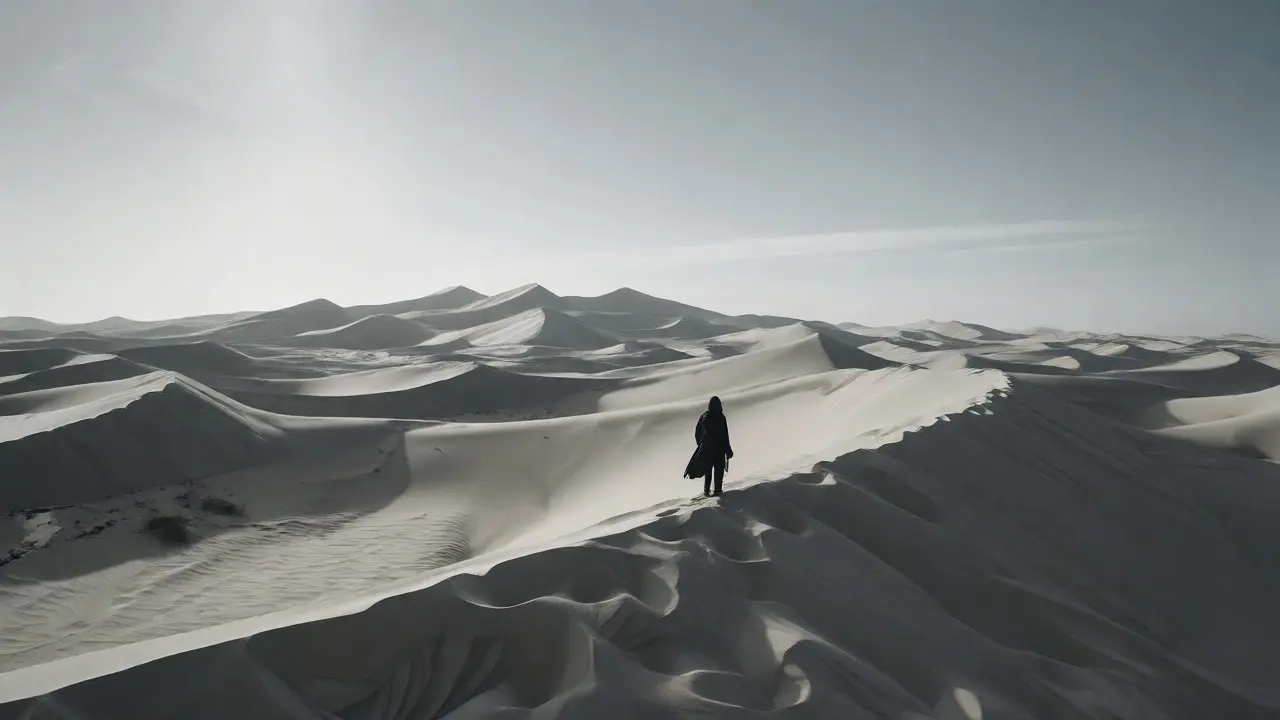
- Ari Wegner brought a stark, monochromatic beauty to Dune. Her ability to handle vast landscapes while keeping the human element central is masterful.
- Maryse Alberti has worked with directors like Todd Haynes for years. Her consistent collaboration shows that longevity and trust are possible for female DPs in high-stakes indie and studio films.
Notice a pattern? These women collaborate repeatedly with directors who value their vision. That trust is earned through consistency and creativity, not just novelty.
Challenges Still in Focus
Despite progress, pay gaps persist. According to recent reports from the Center for the Study of Women in Television and Film, women make up only about 20% of cinematographers in the top-grossing films. That number drops even lower for women of color.
Why does this matter? Because representation behind the camera affects what gets made. If all decision-makers share the same background, stories remain narrow. Hiring diverse crews leads to diverse stories. It’s a simple cause-and-effect loop that studios are slowly starting to understand, often driven by audience demand rather than altruism.
How to Support and Spot Great Work
If you want to champion women in cinematography, start by paying attention. Next time you watch a film, check the credits. Who lit the scene? Who framed the shot? Follow these artists on social media. They often share behind-the-scenes insights that demystify the process.
For aspiring filmmakers, don't wait for permission. Shoot everything. Build a reel that shows your eye, not just your gear list. The industry is changing, but it rewards those who prove their vision is undeniable.
Who was the first female director of photography to receive an Oscar nomination?
Rachel Morrison was the first woman to receive an Academy Award nomination for Best Cinematography. She achieved this milestone in 2018 for her work on the film Mudbound.
Are there more women becoming cinematographers today than in the past?
Yes, the numbers are rising, particularly in independent film and streaming content. However, major studio blockbusters still lag behind, with women comprising roughly 20% of DPs on top-grossing films as of recent data.
Does having a female cinematographer change the look of a movie?
Not necessarily in a stereotypical way, but often yes. Female DPs may approach lighting and framing with different priorities, such as emphasizing emotional intimacy or avoiding overly sexualized angles, which can subtly alter the viewer's experience.
What organizations support women in cinematography?
The International Collective of Female Cinematographers (ICFC) is a primary organization offering mentorship, networking, and advocacy. Other groups include the Alliance of Women Film Journalists and various local guild chapters focused on diversity initiatives.
Is technology making it easier for women to enter cinematography?
To an extent. Lighter digital cameras and portable LED lighting reduce the physical strength requirements traditionally associated with the role. However, access to networks and mentors remains a significant barrier that technology alone cannot solve.