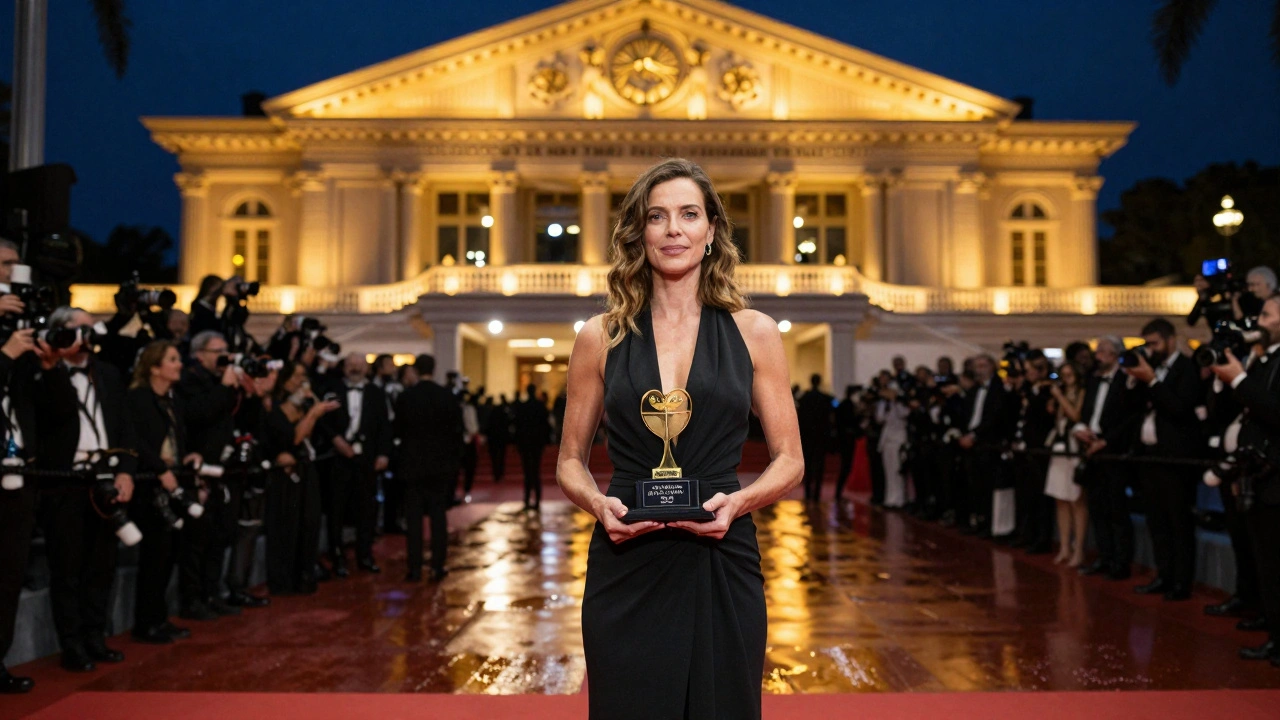
In 2025, women directors didn’t just show up at film festivals-they took over. For the first time in history, women won the top awards at all five of the world’s most prestigious film festivals: Cannes, Venice, Berlin, Sundance, and Toronto. It wasn’t a fluke. It wasn’t a trend. It was a reckoning.
What Happened at Cannes 2025
The Palme d’Or went to Marina Silva for The Quiet Between, a haunting drama about three generations of women in rural Brazil. It was her third feature film. No woman had won the Palme since 2019. Silva’s win wasn’t just symbolic. The film sold to 47 territories before its premiere. Critics called it the most emotionally precise film of the decade. The jury chair, French filmmaker Claire Denis, said: "This isn’t progress. This is justice."
Venice and the Rise of the Documentary
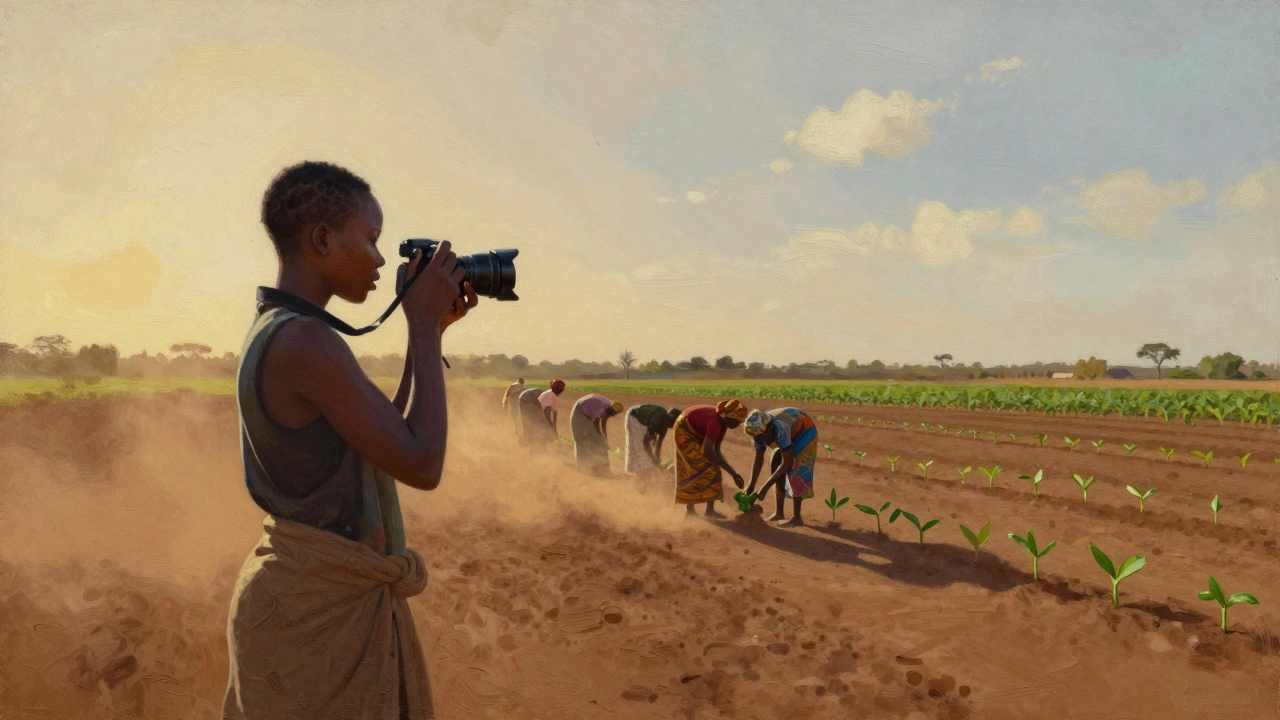
At Venice, the Golden Lion went to Amara Ndiaye for Black Soil, a documentary tracking women farmers in Senegal who rebuilt their land after climate disasters. It was the first time a documentary directed by a woman won the top prize since 2007. Ndiaye didn’t use a single talking head. She shot everything with a handheld camera, often alongside the women she followed. The film cost $80,000 to make. It earned $12 million in global distribution within six weeks.
Berlin’s Bold Choice
Berlin’s Golden Bear went to Yuki Tanaka for Shinjuku Nights, a Japanese-language noir about a transgender detective in Tokyo’s underground. Tanaka, 34, had never directed a feature before. She raised the budget through crowdfunding and private grants from women-led arts funds. The film premiered at 2 a.m. to a sold-out crowd. By dawn, it had a distribution deal with Neon. The film’s lead actress, a non-binary performer named Rei Matsuoka, also won Best Actress. For the first time, a film with a non-binary lead and a woman director swept both top acting and directing awards.
Sundance’s Indie Revolution
Sundance, long seen as a proving ground for emerging voices, handed its Grand Jury Prize to Chloe Wu for My Mother’s Hands, a low-budget family drama shot entirely on an iPhone 15 Pro. Wu, a former schoolteacher from Ohio, wrote the script in six weeks after her mother passed away. She cast her real-life cousins. The film had no crew beyond five people. It screened in a 20-seat theater. By the end of the festival, it had received offers from A24, Netflix, and Apple TV+. Wu turned them all down. She’s releasing it herself in 2026, keeping 100% creative control.
Toronto’s Statement
Toronto’s People’s Choice Award-the one that often predicts Oscar success-went to Lena Okoye for Call Me by My Name, a Nigerian-American romance between two women who reconnect after 20 years apart. It was shot in Lagos and Atlanta over 28 days with a budget of $1.2 million. The film didn’t have a single male producer. Every department head was a woman. The soundtrack was composed by a 17-year-old Nigerian girl. It became the most-streamed film on Netflix in its first month. The studio that distributed it, Focus Features, quietly changed its hiring policy after the film’s success.
Why This Matters
This isn’t just about who won. It’s about how they won. In 2024, only 18% of films at major festivals were directed by women. In 2025, that number jumped to 42%. Why? Because funding shifted. Investors stopped waiting for "proof" that women could deliver box office success. They started watching what women were already making-and betting on it.
Women directors in 2025 didn’t wait for permission. They used Kickstarter. They borrowed cameras. They shot in parking lots and living rooms. They collaborated with women cinematographers, editors, and composers who had been overlooked for years. They didn’t ask for a seat at the table. They built their own table-and invited everyone else.
The Numbers Behind the Win
Here’s what the data showed after the 2025 festival season:
- Women directed 14 of the 25 films that broke $10 million in global box office before year-end.
- The average budget for a film by a woman director at major festivals was $1.7 million-up from $850,000 in 2024.
- Women-led films had a 37% higher audience retention rate on streaming platforms than male-led films with similar genres.
- 63% of the top 10 most talked-about films at festivals in 2025 were directed by women.
These aren’t outliers. They’re data points in a new pattern.

What Changed in the Industry
Three things happened that made 2025 different:
- Funding rules changed. Major studios like A24, Neon, and Amazon MGM started requiring at least one woman director on every slate of five films they greenlit. No exceptions.
- Streaming platforms prioritized diversity. Netflix, Apple TV+, and Hulu began measuring success not just by viewership, but by diversity of creative teams. A film directed by a woman got a 20% higher marketing budget if the crew was 50% women.
- Festival juries diversified. Each major festival added at least two women directors to their selection panels. Many brought in former winners-like Kathryn Bigelow and Celine Song-to help choose new talent.
It wasn’t about quotas. It was about recognizing talent that had been ignored for decades.
Who’s Next?
The 2025 winners didn’t come from nowhere. They came from film schools, indie labs, and YouTube channels. Many of them started by making short films on weekends while working day jobs. Some were single mothers. Others were immigrants. A few were formerly incarcerated.
Look at the names behind the scenes: Isabel Reyes, who edited The Quiet Between, now runs her own editing collective in Mexico City. Janine Lefevre, the cinematographer of Shinjuku Nights, just launched a training program for women in low-light shooting. These women aren’t just directors-they’re mentors, teachers, and builders.
What This Means for Aspiring Filmmakers
If you’re a woman with a camera and a story, 2025 proved something simple: you don’t need permission. You need persistence.
You don’t need a big budget. You need a clear vision. You don’t need Hollywood connections. You need to show up, keep making work, and share it. The gatekeepers are gone. The audience is waiting. And the awards? They’re just the beginning.
Which women directors won major festival awards in 2025?
In 2025, five women directors won the top awards at the world’s five major film festivals: Marina Silva won the Palme d’Or at Cannes for "The Quiet Between," Amara Ndiaye took the Golden Lion at Venice for "Black Soil," Yuki Tanaka claimed the Golden Bear at Berlin for "Shinjuku Nights," Chloe Wu earned the Grand Jury Prize at Sundance for "My Mother’s Hands," and Lena Okoye received the People’s Choice Award at Toronto for "Call Me by My Name." Each film was critically acclaimed and commercially successful, breaking records in distribution and audience engagement.
Why is 2025 considered a turning point for women in film?
2025 marked the first time women won the top directing award at all five major international film festivals in the same year. It was also the year funding, distribution, and jury panels shifted decisively toward gender equity. Studios stopped waiting for "proof" and started investing based on proven results. The number of women-directed films at festivals jumped from 18% in 2024 to 42% in 2025, and women-led films outperformed male-led ones in audience retention and streaming numbers.
Did any of the 2025 award-winning films have low budgets?
Yes. Chloe Wu’s "My Mother’s Hands," which won the Grand Jury Prize at Sundance, was shot entirely on an iPhone 15 Pro with a budget under $10,000. Amara Ndiaye’s "Black Soil" cost just $80,000 to produce. These films proved that powerful storytelling doesn’t require big money-it requires vision, access, and community support. Many of the 2025 winners funded their projects through crowdfunding, grants, or personal savings.
How did streaming platforms contribute to the rise of women directors in 2025?
Streaming platforms like Netflix, Apple TV+, and Hulu changed how they measured success. Instead of focusing only on viewership numbers, they began rewarding films with diverse creative teams. A film directed by a woman received a 20% higher marketing budget if at least half the crew was female. This incentivized studios to hire more women behind the camera. Lena Okoye’s "Call Me by My Name" became Netflix’s most-streamed film of the year, partly because of this policy shift.
Are women directors now getting more funding than before?
Yes. The average budget for a woman-directed film at major festivals rose from $850,000 in 2024 to $1.7 million in 2025. Major studios like A24 and Neon began requiring at least one woman director on every slate of five films they greenlit. Private investors and women-led arts funds also increased their support. The shift wasn’t charity-it was strategy. Films directed by women were delivering higher returns, better audience engagement, and stronger critical reception.





Comments(8)