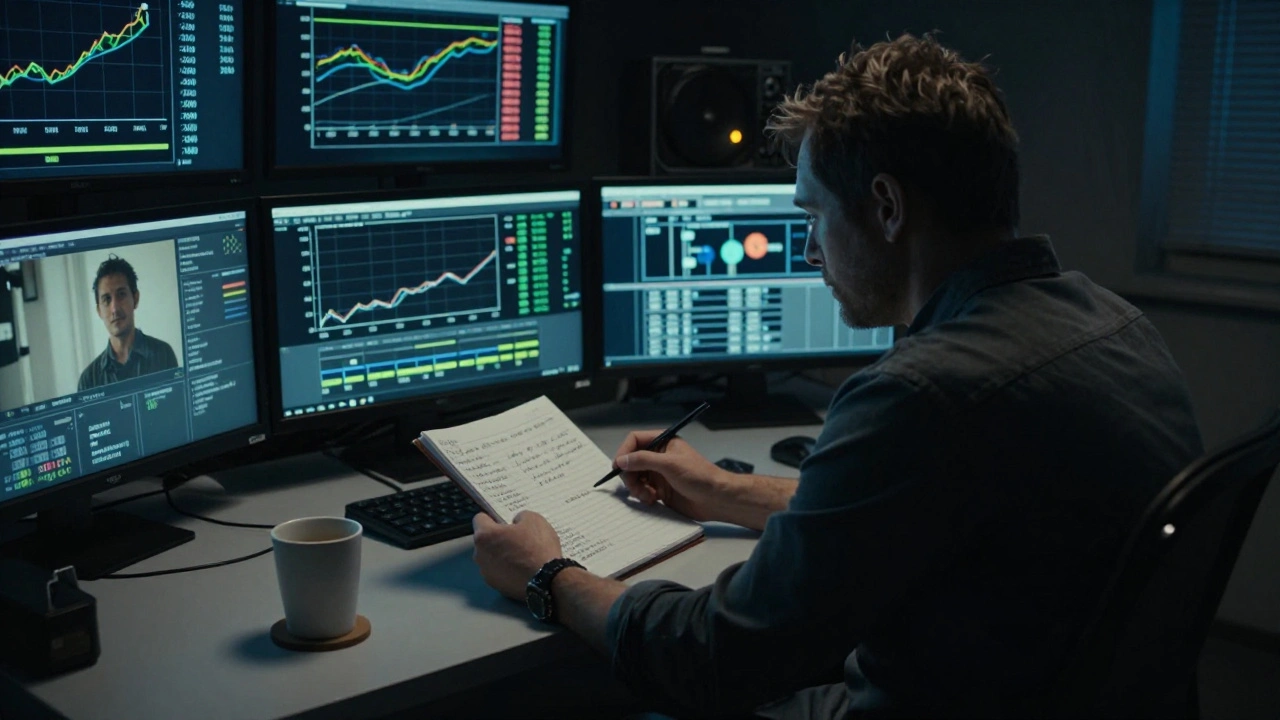
When a film hits theaters or streams online, most people celebrate the premiere. But for directors, the real work often starts after the credits roll. Postmortems-those honest, unfiltered reviews of what went right, what went wrong, and why-aren’t just corporate buzzwords. They’re the difference between repeating mistakes and growing as a filmmaker.
Why Postmortems Matter More Than You Think
Too many directors skip postmortems because they’re exhausted, emotionally drained, or afraid of what they’ll find. But skipping them is like flying a plane without checking the black box. You might land safely this time, but next time? You won’t know why you almost crashed.
Take the 2024 indie film Stillwater. The director, after months of promotion, realized too late that the third act confused audiences. No one had flagged it during editing. Why? Because everyone was too busy praising the lead performance. The postmortem revealed a pattern: the team had avoided hard conversations about pacing because they didn’t want to hurt feelings. That’s not collaboration. That’s denial.
Postmortems don’t exist to blame. They exist to build. They’re where you learn that your favorite shot didn’t land, your script’s emotional arc collapsed under pressure, or your crew burned out because you didn’t schedule recovery time.
The Anatomy of a Useful Postmortem
A good postmortem isn’t a meeting. It’s a structured review with three phases: data, diagnosis, and decision.
Data means pulling real numbers: box office, streaming retention rates, audience scores on Rotten Tomatoes and Letterboxd, social sentiment trends, even ticket refund rates. Don’t rely on gut feelings. If 60% of viewers dropped off in the second act, that’s data-not opinion.
Diagnosis digs into why. Did the script change too late? Was the lighting too dark for streaming? Did the lead actor’s performance feel off because the director didn’t give clear emotional cues during rehearsals? This is where you ask: What did we assume was true that turned out to be false?
Decision turns insight into action. Not vague promises like “we’ll do better next time.” Concrete steps: “Next film, we’ll test the third act with three focus groups before final cut.” “We’ll hire a second AD to monitor crew fatigue.” “We’ll block out two weeks for emotional recovery after principal photography.”
What Directors Get Wrong
Most directors treat postmortems like therapy sessions. They talk about stress, pressure, creative differences-but rarely drill into process.
One director I know spent two hours crying about how “no one understood my vision” during his postmortem. He didn’t mention one specific production decision that failed. He didn’t look at the dailies. He didn’t check the call sheets. He just blamed the studio.
That’s not reflection. That’s avoidance.
Another common mistake: focusing only on the final product. What about the shoot? The editing room? The marketing rollout? A film isn’t made in one place. It’s built across dozens of teams. If the VFX team missed deadlines because you didn’t approve assets until week seven, that’s your problem-not theirs.
And don’t forget the crew. The grip who worked 18-hour days for 12 straight weeks. The editor who stayed up three nights straight fixing continuity errors you didn’t catch. They’re not background noise. They’re your co-pilots.

Tools That Actually Help
You don’t need fancy software. But you do need structure.
- Google Sheets or Notion templates for tracking: production delays, script changes, crew feedback, audience reactions.
- Time-stamped notes from daily dailies. Did you notice a performance dip on day 17? Write it down. You’ll forget.
- Anonymous feedback forms for crew. People won’t tell you to your face that you’re micromanaging. But they’ll tell you if it’s anonymous.
- Box office + streaming dashboards from platforms like Vitrina or BoxOfficeMojo. Know your retention curve. If viewers drop off at 17 minutes, you’ve got a pacing issue.
One director I worked with started a simple Slack channel called “What We Learned” after every project. Crew members posted one thing they’d do differently. Within three films, the team had cut prep time by 30% and reduced reshoots by 70%.
Real Examples From Real Films
Everything Everywhere All At Once had a postmortem that became legendary. The directors didn’t just thank their team-they published a 12-page breakdown. They admitted they almost cut the bagel scene because “it felt too weird.” They revealed they didn’t test the multiverse logic with test audiences until the final week. And they credited their editor for saving the film’s emotional core by reordering scenes based on audience tears, not logic.
Blade Runner 2049’s postmortem showed how a director’s silence can cost a film. The director didn’t intervene when the studio demanded a 20-minute cut. The result? A film that lost narrative momentum. The postmortem led to a new rule: “No studio edits without director approval in writing.”
Even big-budget films learn. Avatar: The Way of Water’s team discovered that audiences couldn’t follow the clan names. So for the next film, they created character cards with photos and names-distributed before shooting. Simple. Effective.

How to Run a Postmortem That Doesn’t Feel Like a Funeral
Start with gratitude. Thank everyone. Say their names. Mention specific moments they saved.
Then, ask these questions:
- What was our biggest surprise during production?
- What did we think would be easy but turned out to be hard?
- What did we ignore because we were afraid to say it?
- What part of the film got the most emotional reaction-and why?
- What would we do differently if we had $1 million more?
- What would we do differently if we had $1 million less?
Write down every answer. No editing. No filtering. Then, group them. Look for patterns. If three different people say “we didn’t have time to rehearse,” that’s not coincidence. That’s a system failure.
What Happens When You Don’t Do This
Every director who skips postmortems eventually hits a wall. They repeat the same mistakes. They lose trust from crews. Studios stop giving them second chances. Actors stop signing on. Because trust isn’t built on talent. It’s built on accountability.
One director I know made three films in five years. Each one lost money. Each one had the same problem: poor sound design. No one told him. He didn’t ask. He thought it was “just how it was.” By the fourth film, no one would work with him. Not because he wasn’t talented. Because he refused to learn.
Postmortems aren’t about perfection. They’re about progress. They’re how you turn a film that barely broke even into a career that lasts decades.
Final Thought: Your Next Film Starts Today
Don’t wait until your next movie wraps. Start your postmortem now. Pull your last film’s data. Talk to your editor. Call your gaffer. Ask your assistant director what they wish you’d done differently.
You don’t need a studio. You don’t need a budget. You just need honesty. And the courage to look at what didn’t work-and fix it before the next camera rolls.
Are postmortems only for big studio films?
No. In fact, indie filmmakers benefit the most. With smaller budgets and tighter schedules, every mistake costs more. A postmortem helps you catch patterns early-like recurring scheduling issues or poor communication with actors-before they sink your next project. Many successful indie directors keep a simple journal after each film, noting one thing they’ll change next time.
How long should a postmortem take?
A good postmortem takes 2-4 hours spread over a week. Don’t rush it. Schedule one session for data review, one for team feedback, and one for action planning. Some teams do it over lunch. Others do it on a weekend hike. The goal isn’t to check a box-it’s to build a habit.
What if the crew is too tired to talk?
Then wait. Don’t hold it the day after wrap. Wait two weeks. Let people breathe. Send out an anonymous survey with three questions: What worked? What didn’t? What should we do differently? People will respond. And their honesty will be more valuable than any polished meeting.
Can postmortems help with funding for my next film?
Absolutely. Investors want to see that you learn. A director who can say, “Last film, we had sound issues because we didn’t budget for location recording. This time, we’ve allocated $15K more and hired a dedicated sound supervisor,” is far more credible than one who says, “It was a learning experience.” Documentation of lessons learned turns your next pitch from a gamble into a strategy.
Should I include the studio or producers in the postmortem?
Yes-but separately. Crew feedback should be safe and anonymous. Studio feedback should be a structured, professional review focused on business outcomes: budget variance, release timing, marketing effectiveness. Mixing the two can create defensiveness. Keep them distinct, but connect them. The studio’s concerns often mirror the crew’s frustrations.





Comments(5)