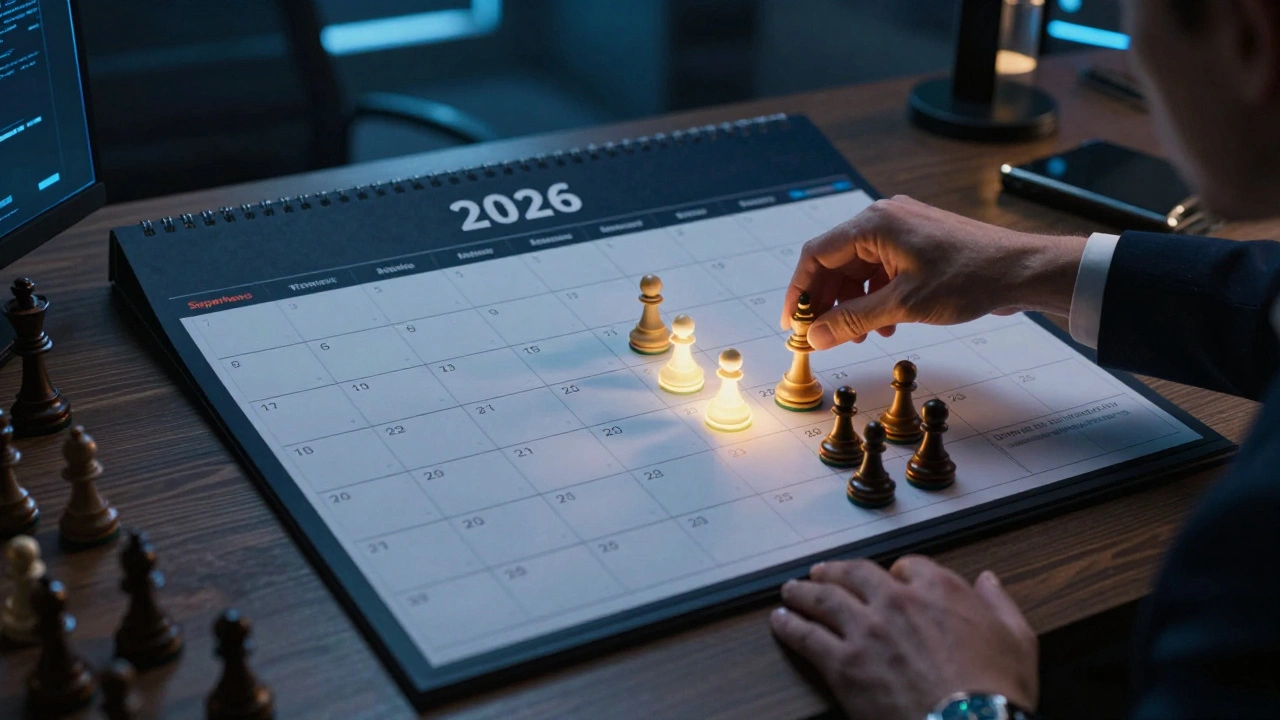
Imagine you have been waiting months to see a blockbuster. You mark your calendar for July 4th. Then, one Tuesday morning, the studio announces it’s moving to August. Why? It isn’t usually because the movie is bad. In fact, it is often because they are trying to save it from failure or maximize its success. Film release date shifts are strategic adjustments made by studios to optimize box office performance, avoid competition, or respond to market conditions. These changes are not random acts of chaos; they are calculated moves in a high-stakes game of chess where the pieces are audiences and the board is the cultural calendar.
In 2026, the landscape of how we watch movies has changed dramatically since the pre-pandemic era. The rigid rules of the past-where summer meant blockbusters and December meant awards bait-are gone. Today, timing is everything. A shift in release date can mean the difference between a franchise-launching hit and a forgettable flop. Understanding why these shifts happen helps us understand the business behind the entertainment.
The Battle for Screen Real Estate
The most common reason for a date change is simple: collision avoidance. Movie theaters have a finite number of screens. If two massive tentpole films drop on the same weekend, neither gets the spotlight they need. This is known as "cannibalization." When Marvel Studios releases a superhero film that competes directly with other major franchises for audience attention and theater screens, they look at the calendar like a general planning a battle. They don't want their soldiers fighting each other.
Consider the typical summer season. June through August is prime real estate. Families are off school, weather is good, and people are looking for escapism. If Studio A plans a big action movie for July 15th, and Studio B realizes they have a similar film ready, they will likely move theirs to July 22nd or earlier in June. They are not just avoiding competition; they are securing "share of voice." If you are the only big movie playing that week, you dominate the news cycles, the social media conversations, and the limited screen space in multiplexes.
This strategic positioning also involves "halo effects." Sometimes, a smaller studio might intentionally release a niche film near a massive blockbuster. Why? Because the blockbuster brings bodies into the theater. Once those people are inside, they might check out the smaller film if it looks interesting. However, more often, studios fight to be alone in their lane. A horror movie in October wants to be the only scary option. A romantic comedy in Valentine's week wants to be the go-to date night pick. Shifting dates ensures you own your specific demographic window.
The Quality Control Gamble
Not all shifts are about competition. Some are about quality. Filmmaking is messy. Scripts get rewritten during production. Visual effects (VFX) take longer than expected. Actors get sick. In the race to meet a deadline, corners can be cut. But in an era where word-of-mouth spreads instantly via TikTok and Twitter, releasing a unfinished product is suicide.
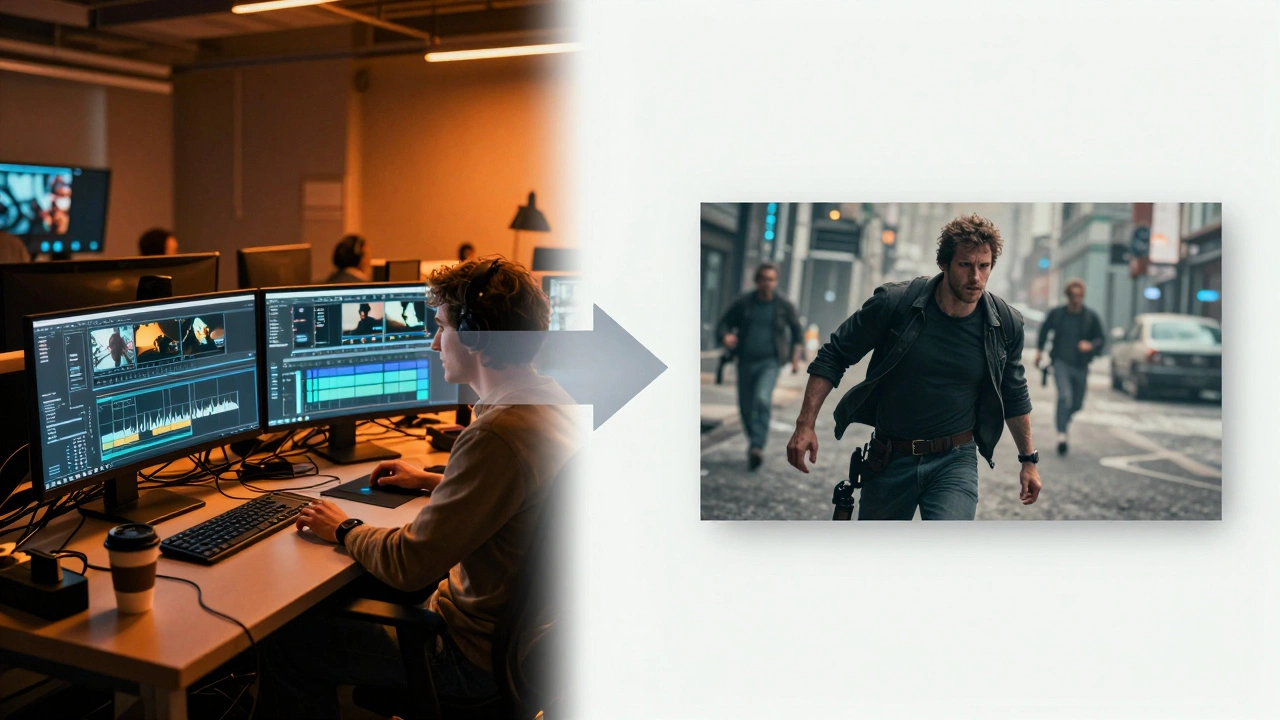
Post-production delays are common causes for release date shifts, often involving visual effects completion, editing refinement, or sound mixing issues. When a studio pushes a date back by three months, it is often a signal to investors and audiences that they are prioritizing the final cut over the marketing hype. Think of it this way: would you rather see a movie that was rushed and feels disjointed, or wait a few extra weeks for a polished experience? Studios know this. A delayed premiere can actually build anticipation. It creates a narrative of "worth the wait."
However, there is a fine line. Push too far, and you lose momentum. Marketing campaigns are timed precisely. Trailers drop, posters go up, and press tours are scheduled around a specific date. If you push the date back six months, you have to restart the entire marketing engine. That costs millions. So, when a date shifts due to quality, it is usually a short-term delay-weeks, not years. It’s a tactical pause, not a retreat.
Cultural Relevance and Sensitivity
Sometimes, the world changes faster than the script does. A film might be set for release, but then a real-world event happens that makes the movie feel tone-deaf or inappropriate. This is where cultural sensitivity comes into play. Studios are increasingly aware that context matters. If a comedy relies on stereotypes that are currently under heavy public scrutiny, or if a drama touches on a tragedy that just occurred in real life, releasing it on schedule could lead to boycotts and bad press.
We have seen this happen before. Films have been pulled or shifted because their content clashed with ongoing political movements or natural disasters. It is a risky calculation. On one hand, some argue that art should transcend current events. On the other hand, no one wants to spend $20 on a ticket to laugh at something that feels cruel given the current mood. By shifting the date, studios buy time to assess the situation. They can tweak marketing materials, add disclaimers, or simply wait for the public sentiment to cool down. It’s a defensive move to protect the brand’s reputation.
The Awards Season Shuffle
For prestige dramas and indie films, the goal isn’t just box office revenue; it’s critical acclaim and awards. The Awards season is the period from September to March when films compete for Oscars, Golden Globes, and industry recognition. To qualify for the Oscars, a film must be released in the preceding calendar year. This creates a fierce scramble for slots in November and December.
If a film finishes early, the studio might rush it into a "platform release" in September or October. This means opening in just a few cities to build buzz and secure reviews. If the response is positive, they expand nationwide in December. If the response is lukewarm, they might hold it until January or February, accepting that it won’t win the big awards but hoping for a steady rental stream on streaming services. Conversely, if a film is finished late, the studio might skip the awards cycle entirely and aim for a broader commercial window in the spring or summer. The shift here is driven by the desired outcome: prestige versus profit.
Streaming Windows and Theatrical Exclusivity
In 2026, the debate between theatrical and streaming is still alive, though less volatile than in 2021. Studios still prefer theatrical releases for big-budget spectacles because the communal experience drives higher engagement and merchandise sales. However, the "window"-the time between theatrical release and streaming availability-has shrunk. What used to be 90 days is now often 45 or even 30 days for some deals.
Theatrical exclusivity windows are periods where a film is only available in cinemas before moving to streaming platforms, influencing release date strategies. When a studio shifts a date, they are also considering the streaming calendar. If Disney+ needs a new flagship title to boost subscriptions in Q3, they might pull a theatrical film forward to ensure it hits the platform by a certain date. Or, if a film underperforms in theaters, the studio might accelerate its move to streaming to recoup costs through subscriber retention. The interplay between these two distribution channels adds another layer of complexity to scheduling.
| Reason Category | Primary Driver | Typical Timeframe Change | Risk Level |
|---|---|---|---|
| Competition Avoidance | Box Office Cannibalization | 1-4 Weeks | Low |
| Production Delays | VFX/Editing Completion | 1-6 Months | Medium |
| Awards Positioning | Eligibility & Buzz Building | Months (Seasonal) | High |
| Cultural Sensitivity | Public Sentiment/Events | Indefinite | Very High |
| Streaming Strategy | Platform Launch Alignment | Weeks-Months | Medium |

How Audiences React to Changes
You might wonder, do people care? Yes, but not always in the way studios fear. Casual viewers tend to follow the hype. If the trailers are everywhere, they will show up whenever the movie plays. Hardcore fans, however, are more sensitive. They plan trips, buy merchandise, and organize watch parties. A sudden shift can frustrate them.
But here is the secret: uncertainty can drive engagement. When a date is unconfirmed, fans speculate. They discuss theories online. This keeps the movie relevant in the conversation. Studios sometimes use "TBA" (To Be Announced) dates deliberately to maintain mystery. The key is communication. If a studio explains *why* the date changed-"We needed more time to perfect the visuals"-fans usually appreciate the honesty. If the reason is vague, suspicion grows. Transparency is the best policy when shifting dates.
What This Means for the Future
As data analytics become more sophisticated, studios will rely even more on predictive modeling to choose release dates. They can simulate how a film will perform against competitors based on historical data, social media trends, and economic indicators. This doesn't eliminate surprises, but it reduces guesswork. We might see fewer drastic last-minute shifts and more calculated, long-term planning. However, the human element-culture, creativity, and chaos-will always keep the calendar fluid. For now, expect the unexpected. It’s part of the movie magic.
Why do movies get pushed back?
Movies are typically pushed back due to post-production delays, such as finishing visual effects, or to avoid competing with other major releases. Studios may also shift dates to align with awards seasons or to respond to cultural events that make the original timing inappropriate.
Does a release date change affect the movie's quality?
Often, yes. A delay usually gives filmmakers more time to refine editing, sound design, and visual effects. While not guaranteed, a later date frequently signals that the studio is prioritizing a polished final product over a rushed release.
How do studios decide on release dates?
Studios analyze competitor schedules, historical box office data for specific genres, cultural holidays, and awards eligibility requirements. They aim to maximize screen availability and minimize direct competition with similar films.
What is a 'platform release'?
A platform release is a strategy where a film opens in a limited number of theaters, often in major cities, to build critical acclaim and word-of-mouth buzz before expanding to a wider national release. This is common for award-contending films.
Do release date shifts hurt box office earnings?
Not necessarily. If the shift avoids strong competition or allows for better marketing buildup, it can help earnings. However, frequent or poorly communicated changes can confuse audiences and dampen initial excitement, potentially hurting opening weekend numbers.