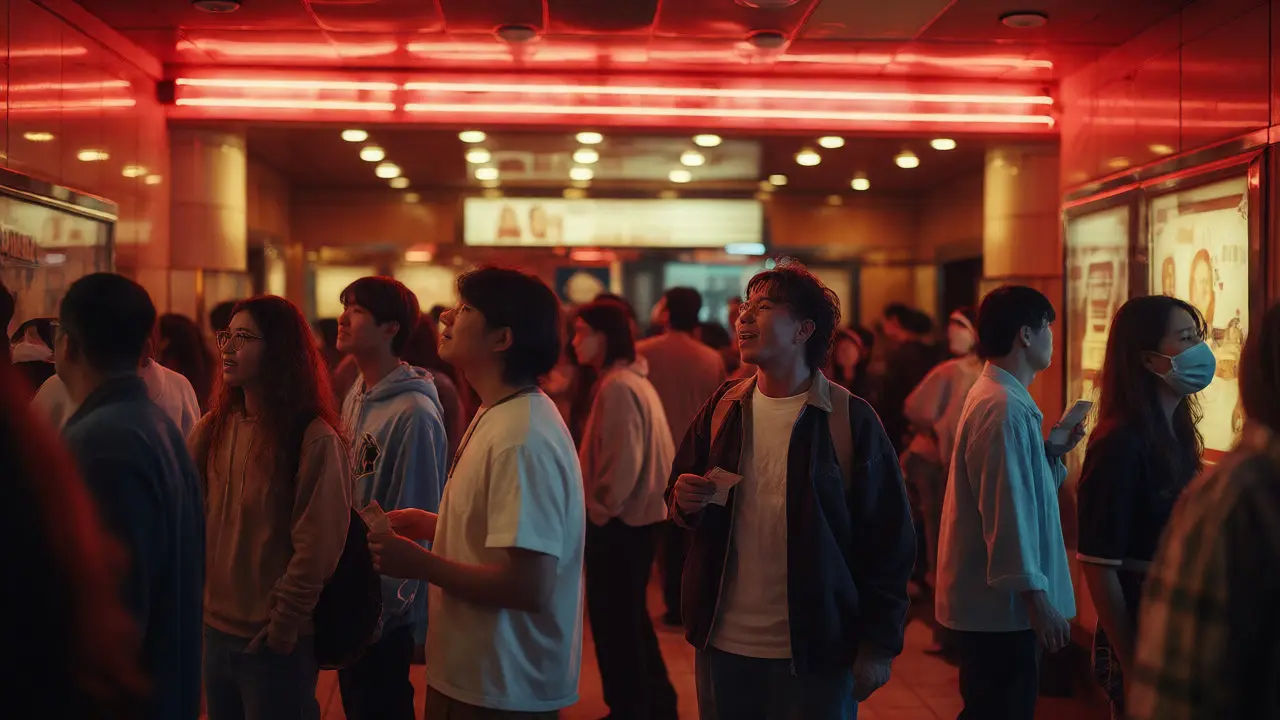
You might think the box office is only about shiny new blockbusters with massive marketing budgets. But look at the ticket stubs from the last few years, and you’ll see a different story. Fans are lining up for movies they’ve already seen. We’re talking about re-releases and anniversary screenings that turn nostalgia into cold hard cash. This isn’t just a fluke; it’s a strategic shift in how theaters make money.
Why does this work? It’s simple economics mixed with human psychology. New movies are risky bets. A re-release is a known quantity. You know exactly what you’re getting. For theater owners, it’s low-risk revenue. For fans, it’s a chance to experience a classic on the big screen, often with better sound or picture quality than when it first came out. Let’s break down why this trend is here to stay and how it changes the game for everyone involved.
The Economics of Nostalgia
Theaters are businesses. They need bodies in seats every single day. When a major studio doesn’t have a tentpole release scheduled, screens sit empty. That’s wasted space. Enter the limited theatrical run, which allows studios to recoup costs without spending millions on advertising. These runs often target specific demographics who feel a strong emotional connection to a film.
Consider the math. A new blockbuster might cost $200 million to make and another $100 million to market. A re-release costs almost nothing in production. The marketing budget is minimal because the audience already knows the movie. If a theater fills half its seats for a weekend screening of a 1980s classic, that’s pure profit compared to an empty screen. Studios like Universal Pictures and Warner Bros. have mastered this art, timing releases around anniversaries to maximize buzz.
This strategy also helps fill gaps in the calendar. Summer is crowded. December is packed. But what about late January or early February? Those are often "dead zones" for new releases. Putting out a popular horror film for Halloween week or a rom-com for Valentine’s Day keeps the lights on during slow periods. It stabilizes cash flow for independent theaters that can’t afford to gamble on unproven content.
The IMAX and Premium Format Factor
Nostalgia alone isn’t enough. You need a reason to leave your couch. That reason is usually technology. Many people saw their favorite films on VHS, DVD, or even streaming platforms. They never experienced them in a premium format. IMAX re-releases offer a unique selling proposition: seeing a film exactly as the director intended, with expanded aspect ratios and superior sound.
Take Christopher Nolan’s films. His movies are designed for large-format cameras. Watching Inception or Interstellar on a laptop misses the point. When these films return to theaters, fans rush to book tickets specifically for the IMAX experience. It’s not just about seeing the movie again; it’s about upgrading the viewing experience. This creates a secondary market where collectors and cinephiles pay a premium for a one-time event.
| Feature | Standard Digital Re-Release | Premium Format (IMAX/Dolby) |
|---|---|---|
| Audience Target | Casual viewers, families | Fans, cinephiles, collectors |
| Ticket Price | $10 - $15 | $18 - $25+ |
| Marketing Cost | Low | Moderate (focused on tech specs) |
| Primary Appeal | Convenience, familiarity | Audiovisual immersion |
Dolby Cinema adds another layer. With laser projection and Atmos sound, old movies sound brand new. This technological gap drives attendance. People aren’t just paying to watch a movie; they’re paying for a sensory event that home systems still struggle to replicate perfectly.
Building Community Through Shared Events
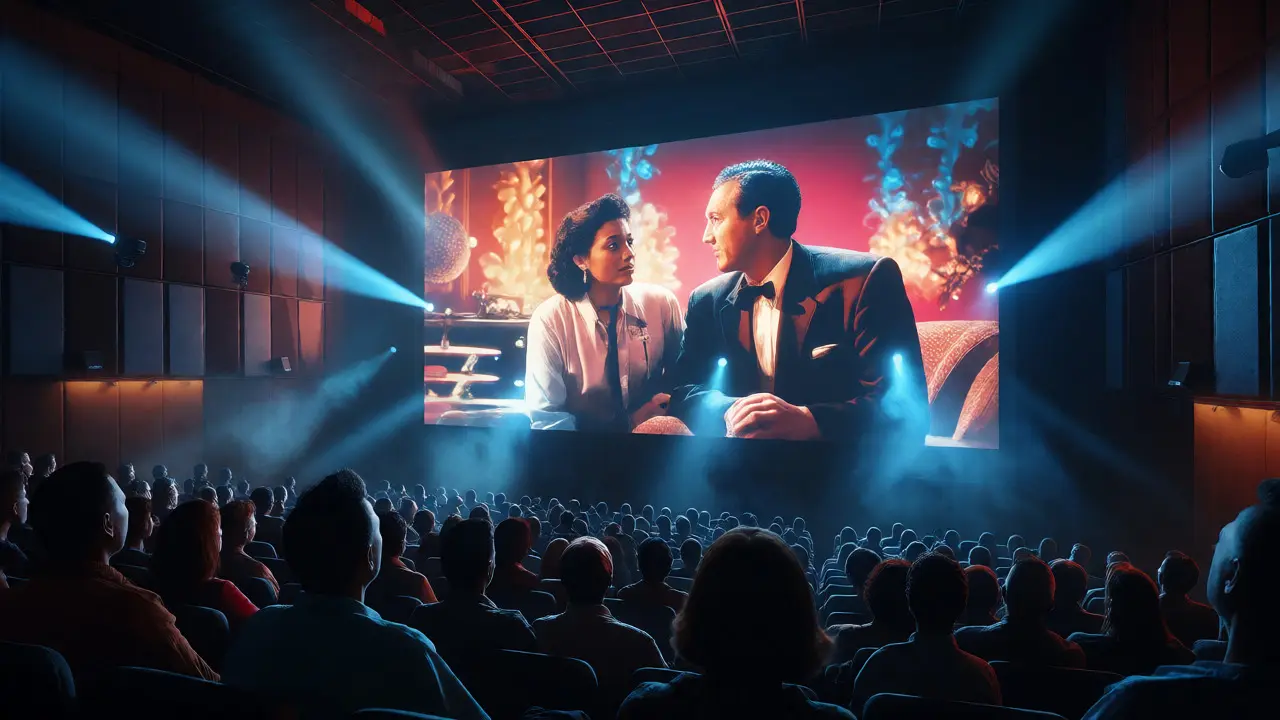
Streaming isolates us. You watch a show alone, or maybe with one other person. Theaters create community. Sing-along events and fan screenings transform passive watching into active participation. Think about the Harry Potter marathon weekends or the Lady Bird anniversary screenings. These aren’t just movies; they’re gatherings.
This social aspect is crucial for younger audiences, particularly Gen Z. They grew up with streaming but crave physical spaces for connection. Attending a midnight screening of a cult classic becomes a rite of passage. It’s shareable on social media, too. Photos of packed theaters with friends wearing themed costumes generate organic marketing that money can’t buy. Theaters leverage this by hosting Q&A sessions, trivia nights, or costume contests alongside the screenings.
Independent cinemas thrive on this model. Chains like AMC or Regal might focus on broad hits, but local arthouse theaters curate niche experiences. A screening of a 1970s French New Wave film might draw a small but dedicated crowd. This builds loyalty. Customers return because they trust the curator’s taste, not just because a trailer told them to come.
Studio Strategies and Rights Management
Not every movie gets a second life. Studios carefully select titles based on intellectual property value and cultural relevance. They analyze data from streaming platforms to see which older films have high engagement rates. If a movie is being watched repeatedly on Netflix, there’s likely demand to see it in theaters.
Rights management plays a huge role. Some older films have complicated music licensing issues. Clearing rights for a theatrical re-release can be expensive and time-consuming. However, modern digital restoration techniques have made this process easier. Studios can now digitally remaster films relatively quickly, ensuring they meet current technical standards for projection.
There’s also the synergy effect. A re-release can boost sales of related merchandise. When Top Gun: Maverick hit theaters, the original Top Gun saw a surge in Blu-ray sales and streaming views. Studios use theatrical re-releases to prime the pump for upcoming sequels or spin-offs. It reminds audiences why they loved the franchise in the first place.
The Risks and Pitfalls
It’s not all smooth sailing. Over-saturating the market with re-releases can cause fatigue. If every other weekend is a nostalgia trip, the specialness wears off. Audiences might start feeling like theaters are lazy, relying on past glories instead of supporting new talent. This perception can hurt the industry’s long-term health if new filmmakers don’t get screen time.
Another risk is poor selection. Choosing a film that hasn’t aged well can backfire. If the dialogue feels dated or the pacing drags for modern attention spans, word-of-mouth turns negative quickly. Social media amplifies this instantly. A bad re-release can become a meme, discouraging others from buying tickets.
Finally, scheduling conflicts matter. If a re-release clashes with a major new release targeting the same demographic, it loses. Timing is everything. Launching a horror re-release during a month dominated by superhero movies means competing for the same teen and young adult audience. Smart programmers look for counter-programming opportunities.
How to Make the Most of Re-Releases
If you’re a moviegoer, here’s how to navigate this landscape. First, check the format. If you care about visuals, prioritize IMAX or Dolby screenings. Read reviews to ensure the print quality is good. Second, plan ahead. Popular anniversary screenings sell out fast, especially for cult classics. Third, engage with the community. Join local film groups on social media to find out about hidden gems being screened in your area.
For theater owners, the key is curation. Don’t just pick random hits. Build a narrative. Create series, like "Directors Who Changed Cinema" or "Summer Blockbusters of the 90s." Add value through events. Partner with local businesses for concessions deals. Use email lists to alert subscribers about limited-time offers. Transparency about why a film was chosen builds trust and excitement.
Why do theaters bother with re-releases?
Theaters use re-releases to fill empty screens during slow periods. It generates revenue with minimal marketing costs since the audience is already familiar with the title. It also attracts specific demographics looking for a premium viewing experience.
Are re-releases profitable for studios?
Yes, because the production cost is zero. While they don't earn as much as new blockbusters, the profit margins are very high. They also help maintain the cultural relevance of a franchise before a sequel arrives.
What makes an IMAX re-release different from standard digital?
IMAX re-releases often feature expanded aspect ratios, showing more image height than the standard widescreen version. The sound system is also significantly more powerful and immersive, offering a distinct audiovisual experience.
Can any movie be re-released?
Technically yes, but practical issues exist. Music licensing rights must be cleared, which can be costly. Additionally, the film must have sufficient audience interest to justify the logistical effort of distributing prints or digital files to theaters.
Do re-releases hurt new movies?
Not necessarily. They often target different audiences or fill gaps in the release schedule. In fact, they can complement new releases by keeping theater traffic high, which benefits concession sales and overall venue visibility.