The Shock of the New Vision
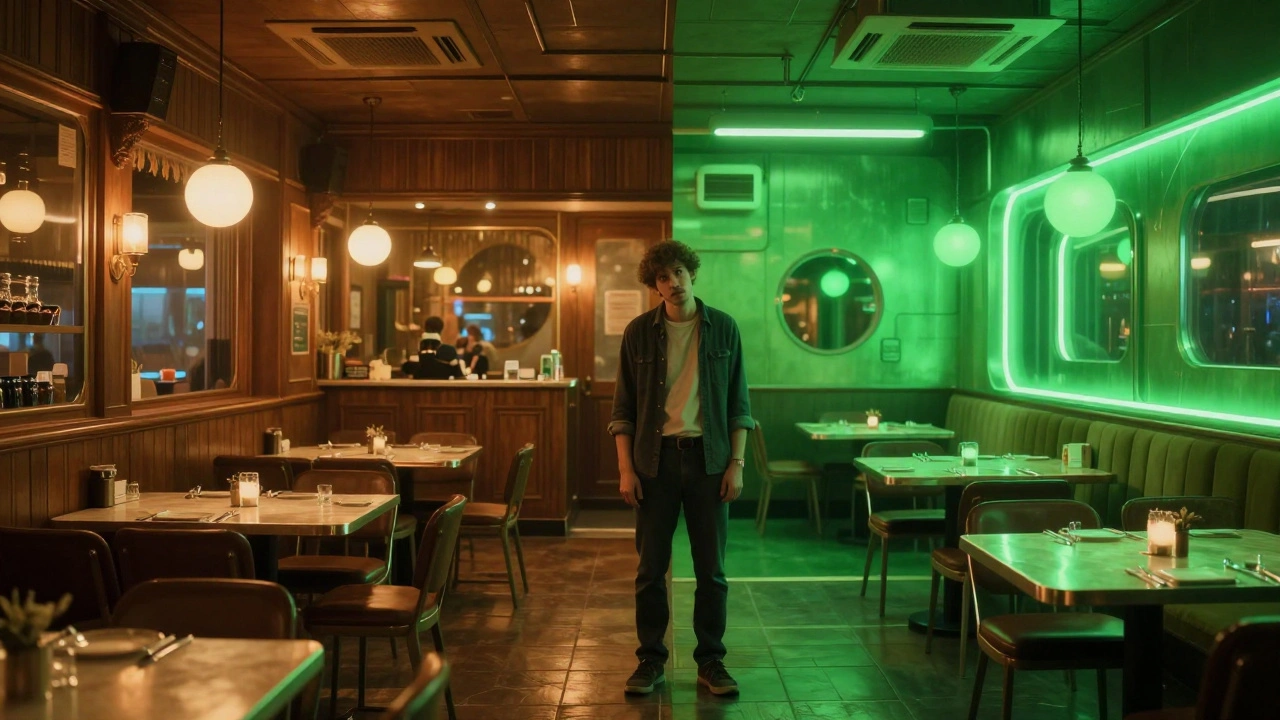
When a studio decides to change the person in the director's chair, they aren't just swapping a technician; they are changing the lens through which we see the world. A Director is the primary creative lead responsible for the visual and narrative execution of a motion picture. When that person changes, the creative direction shifts usually manifest in how a scene is paced, how the colors look, and how characters interact.
Take a look at the transition between a first film and its sequel. If the original director focused on slow-burn tension and claustrophobic spaces, but the new director loves wide-angle shots and high-speed action, the world feels larger, but perhaps less intimate. This isn't always a bad thing. Sometimes a franchise needs a "palette cleanser." When a series starts to feel repetitive, a new perspective can strip away the clichés and remind the audience why the premise was exciting in the first place.
The Battle Between Consistency and Evolution
Studios often obsess over "brand consistency." They want a movie to feel like part of a set, almost like a product line. However, forcing a new director to mimic the previous one often leads to a sterile, lifeless film. The best shifts happen when the new director respects the foundations but adds their own signature. This is where we see a tug-of-war between Visual Style and narrative continuity.
Think about the shift in tone. One director might treat a franchise as a gritty, realistic drama, while the next leans into the camp and spectacle. If the shift is too abrupt, you get a "tonal clash" where the characters seem like different people entirely. Have you ever watched a sequel and wondered why the protagonist suddenly became a jokester after being a brooding loner in the first film? That's rarely a writing choice; it's often a directorial preference for a specific kind of energy on screen.
| Approach | Primary Goal | Risk | Typical Outcome |
|---|---|---|---|
| The Mimic | Seamless continuity | Lack of innovation | Safe but forgettable |
| The Rebel | Total reimagining | Fan backlash | Polarizing but bold |
| The Evolver | Iterative growth | Slow transition | Sustainable longevity |
Technical Shifts: From the Lens to the Edit
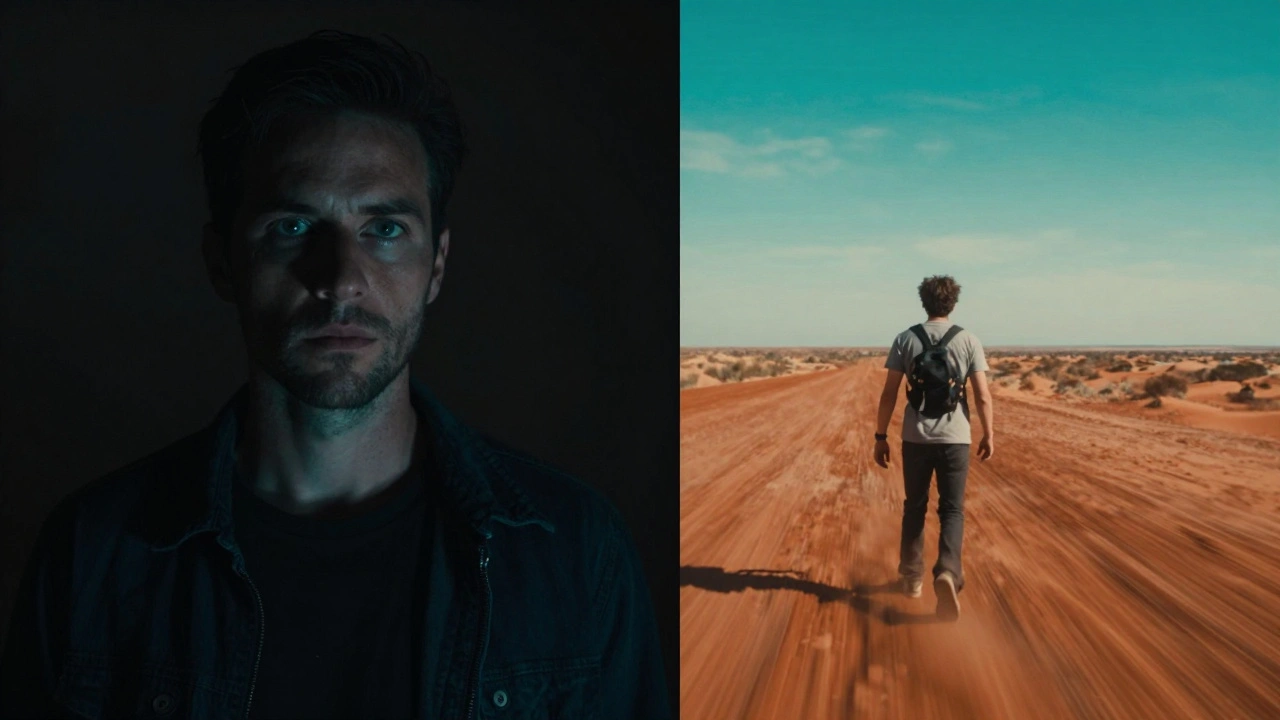
Beyond the "vibe," there are concrete technical changes that happen. A director brings their own Cinematographer (or Director of Photography), which fundamentally changes the lighting and framing. If Director A preferred natural light and long takes, and Director B prefers high-contrast neon and rapid-fire cuts, the physical sensation of watching the movie changes. Your brain has to recalibrate to a new visual language.
The editing rhythm is another huge factor. Some directors prefer a "breathing" edit where silence does the heavy lifting. Others want the audience stimulated every two seconds. When this shifts mid-franchise, it affects the Pacing, which is the speed at which a story unfolds and the rhythm of its emotional beats. If a sequel feels "too fast" or "too slow" compared to the original, you're likely feeling the difference in directorial philosophy regarding time and space.
Handling the Fanbase: The Danger of the 'Reboot' Feel
Fans develop a psychological contract with a franchise. They aren't just buying a ticket to a story; they are buying into a specific aesthetic experience. When a new director arrives and throws out the visual rules, fans often perceive it as a betrayal. We see this often in Sequel projects where the new director tries to "fix" what they perceive as flaws in the original, only to find that those "flaws" were exactly what the fans loved.
The most successful transitions occur when the new director identifies the "core essence" of the franchise and builds around it. If the core of a series is "found family in space," the director can change the ships, the planets, and the fight choreography, but if they keep the emotional core intact, the audience will follow them into the new creative direction. The moment a director tries to change the why of a franchise instead of the how, they risk a total disconnect.
The Studio's Role: Creative Freedom vs. Corporate Mandate
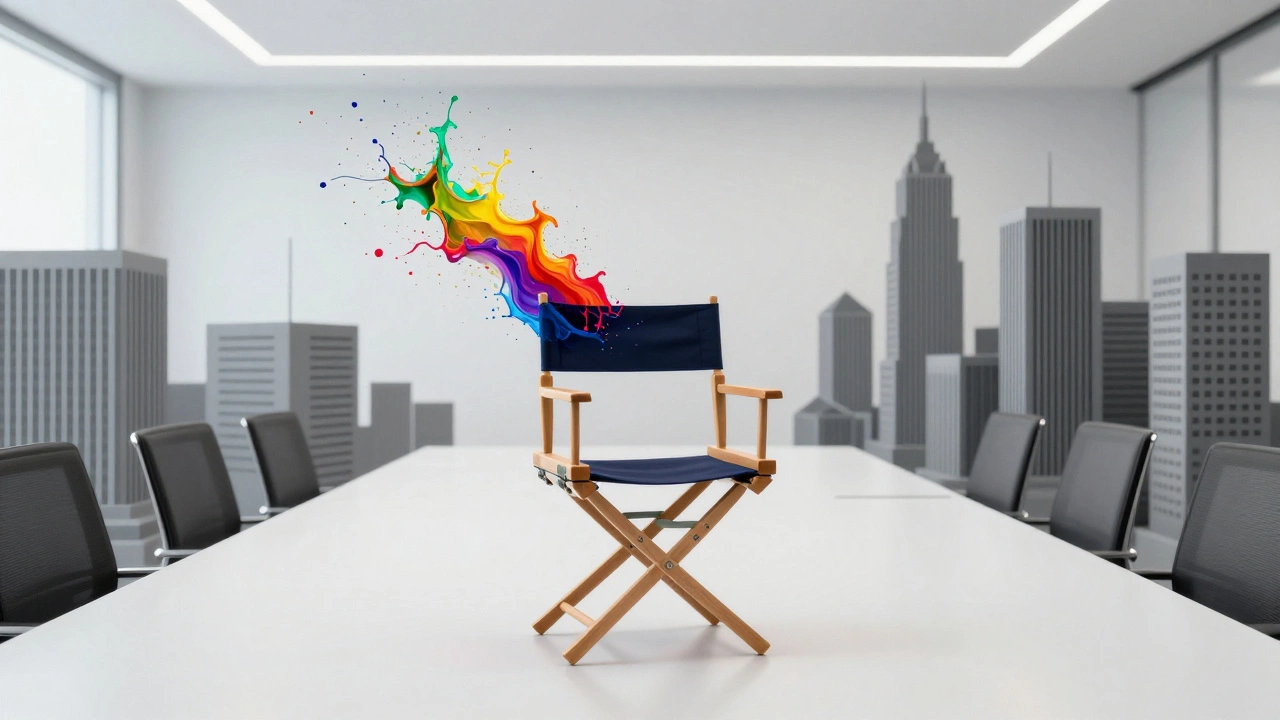
We can't talk about director changes without mentioning the Studio. Often, a director is replaced because they had a "creative difference" with the executives. This usually means the director wanted an art-house approach while the studio wanted a toy-selling blockbuster. When a new director is brought in to "get the project back on track," the creative direction often shifts toward a safer, more generic middle ground.
This results in the "studio style"-a look that is polished, expensive, and completely devoid of personality. When you see a movie that looks like every other movie in its genre, it's often because the creative direction was decided by a committee in a boardroom rather than a single vision in the director's head. The shift here isn't from one artist to another, but from an artist to a corporate strategy.
Predicting the Future of Franchise Leadership
As we move deeper into the era of "Cinematic Universes," the role of the director is shifting again. We are seeing a move toward the "showrunner model," where a single producer or writer maintains the overarching vision, and directors are hired more like episode directors in a TV series. This minimizes the risk of jarring creative shifts but also removes the spark of individual genius that makes certain movies legendary.
Will this save franchises from inconsistent quality? Perhaps. But it also risks making movies feel like content rather than art. The magic of a director change-when it works-is the surprise of seeing a familiar world through a fresh pair of eyes. That tension between the old and the new is where some of the most interesting cinema is born.
Why do studios change directors mid-franchise?
Studios usually change directors due to creative differences, budget disputes, or scheduling conflicts. Sometimes, a film's poor performance leads executives to believe a new "vision" is needed to revitalize the brand and attract a wider audience.
Does a change in director always ruin a movie series?
Not at all. Many franchises benefit from a change in leadership. A new director can bring modern techniques, a more diverse perspective, or a renewed energy that prevents the series from becoming predictable and boring.
What is a 'tonal shift' in cinema?
A tonal shift occurs when the mood, atmosphere, or emotional quality of a story changes. For example, shifting from a dark, moody horror tone to a bright, satirical comedy tone within the same franchise.
How can a new director maintain consistency?
The best way is to identify the "non-negotiables" of the franchise-the key character traits, core themes, and iconic visual elements-and keep those constant while experimenting with the narrative and technical execution.
What is the difference between a director and a showrunner?
A director focuses on the specific execution of a single film or episode. A showrunner manages the entire series over multiple years, ensuring the plot and character arcs remain consistent across different directors' work.




Comments(7)