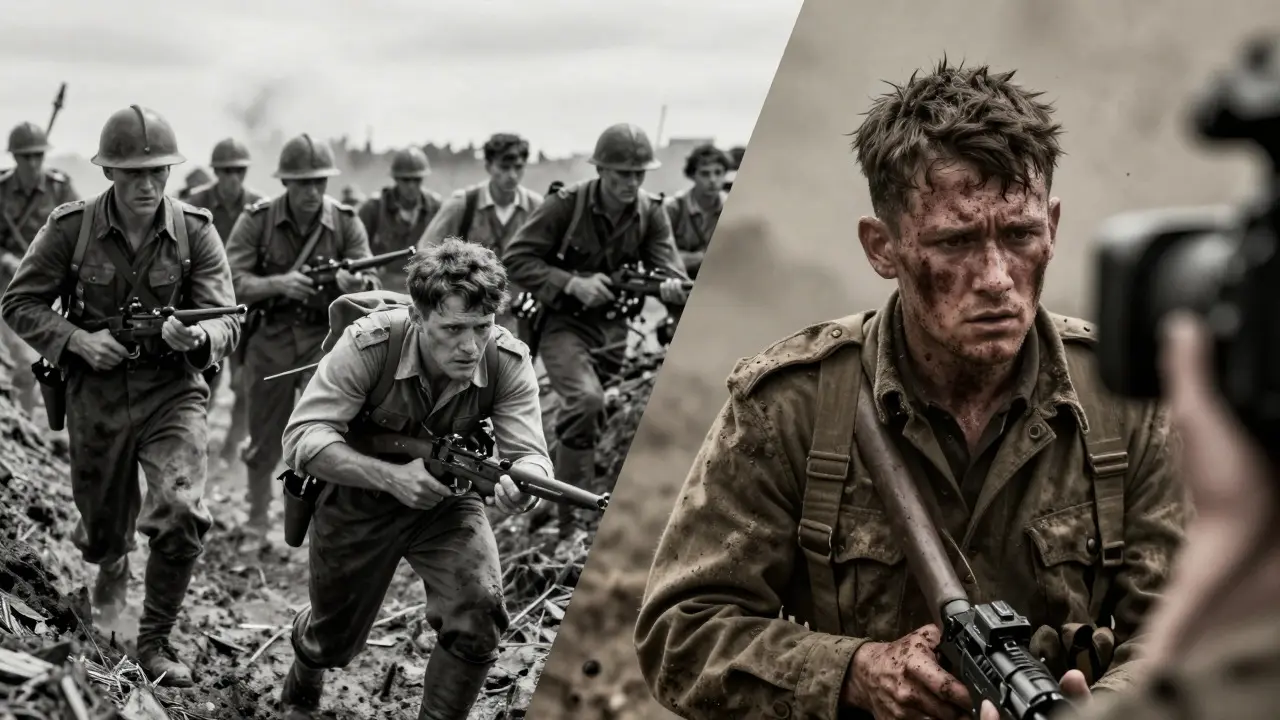
When the screen goes dark and the first explosion hits, you aren't just watching a movie. You are witnessing a constructed argument about what it means to be human in times of crisis. War cinema is a genre that uses visual storytelling to explore the psychological, social, and physical impacts of armed conflict on individuals and societies. It doesn't just show battles; it shapes how we understand history, morality, and the cost of peace. From the muddy trenches of World War I to the digital warfare of modern conflicts, these films serve as mirrors for our collective anxieties. But do they tell the truth? Or do they package chaos into something digestible for a Friday night audience?
The Evolution of On-Screen Brutality
To understand how we see war today, we have to look at how we saw it yesterday. In the early days of cinema, World War I films often focused on patriotic duty and clear-cut heroism. The enemy was a faceless mass, and victory was almost guaranteed. Think of the grand, sweeping shots in classic Hollywood epics where individual soldiers were just pawns in a larger, noble cause.
Then came the shift. Post-World War II cinema began to crack open the facade. Directors started asking uncomfortable questions. Was the war worth it? Did the soldier come back changed? This era introduced the concept of the "anti-war" film, which didn't necessarily argue against fighting but argued against the romanticization of combat. The focus moved from the general to the private, from the battlefield to the bedroom, where nightmares take over.
Visual Language: Sound, Silence, and Shock
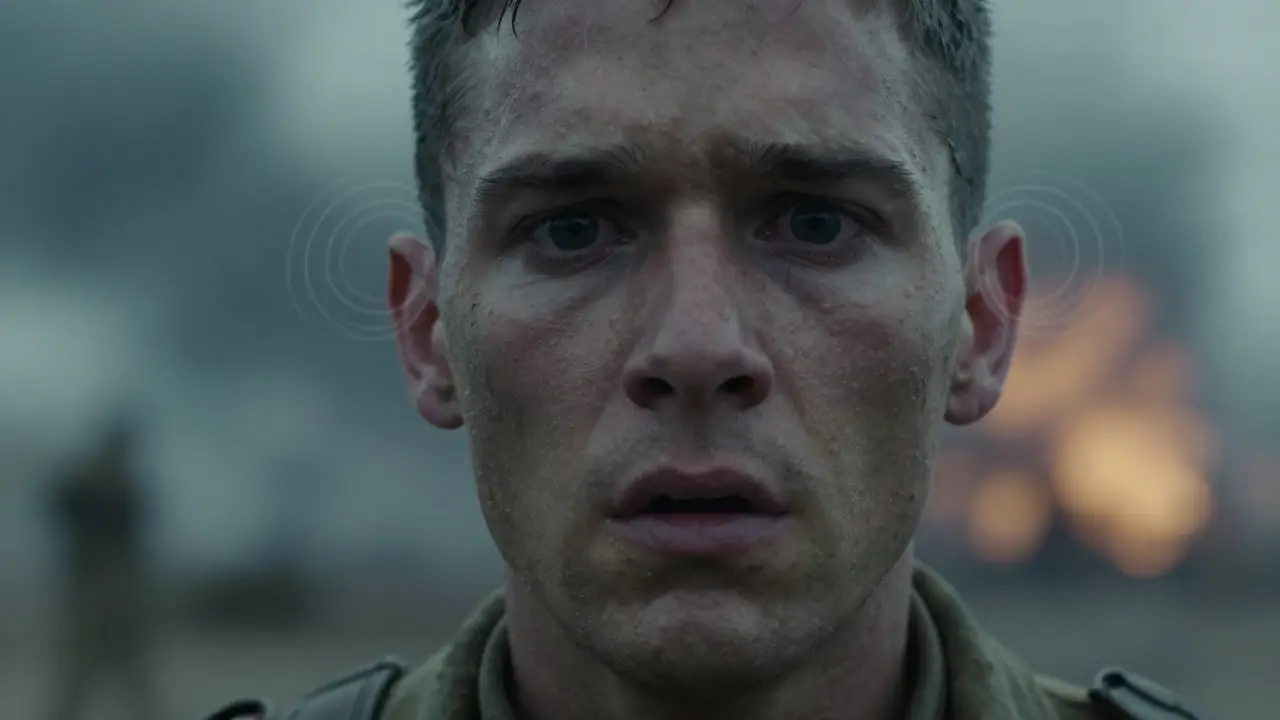
How does a director make you feel the weight of a bullet without showing the impact? Through sound design. In modern cinematic violence, audio is often louder than visuals. The ringing in your ears after an explosion is more visceral than the flash itself. This technique, known as subjective sound, pulls you into the character's sensory experience rather than keeping you at a safe distance.
Consider the difference between a stylized action sequence and a documentary-style approach. Action sequences use fast cuts, dynamic camera angles, and heroic music to create excitement. Documentary-style approaches, like those seen in recent Vietnam War retellings, use handheld cameras, natural lighting, and ambient noise to create unease. One makes you cheer; the other makes you flinch. Both are valid tools, but they serve different narrative purposes. The former sells adventure; the latter sells reality.
| Approach | Primary Goal | Typical Visual Style | Emotional Response |
|---|---|---|---|
| Patriotic Epic | Inspire national pride | Wide shots, polished costumes, orchestral score | Heroism, Unity |
| Anti-War Realism | Critique military machinery | Handheld cameras, desaturated colors, diegetic sound | Dread, Empathy, Grief |
| Psychological Drama | Explore PTSD and trauma | Close-ups, fragmented editing, silence | Anxiety, Isolation |
The Soldier’s Perspective: Hero vs. Victim
Narrative analysis often hinges on who holds the power in the story. For decades, the default protagonist was the competent officer or the rugged enlisted man who solves problems with skill and courage. These characters represent order in the midst of chaos. They are the anchors. But contemporary narrative analysis has shifted focus toward the victim. The soldier is no longer just a fighter; they are a person breaking under pressure. We see the tremors in their hands, the hesitation before pulling a trigger, the inability to sleep at home.
This shift reflects a broader cultural change. We are less interested in glorifying strength and more interested in understanding vulnerability. When a film shows a veteran struggling to buy groceries because a loud noise triggers a panic attack, it is making a statement about the invisible wounds of war. It argues that the battle doesn't end when the guns stop. It moves into the living room, the hospital ward, and the mind of the survivor.
Representation of the Enemy
Every war film needs an antagonist. Historically, this role was filled by caricatures. The enemy was stupid, cruel, or subhuman. This simplification made it easier for audiences to root for their side. But as global perspectives have expanded, so has the complexity of the "other." Modern films often give the enemy a voice, a family, and a reason for fighting. This doesn't mean they become sympathetic heroes, but it forces the viewer to confront the moral gray areas of conflict.
When the enemy is humanized, the stakes change. Killing them becomes harder, not just physically, but morally. This narrative choice challenges the viewer to question their own biases. Are we fighting for justice, or just for survival? By blurring the lines between friend and foe, filmmakers invite us to consider whether war is truly a clash of ideologies or simply a collision of desperate people.
Cultural Context and Historical Accuracy
Films are products of their time. A war movie made in the 1950s tells you as much about 1950s society as it does about the conflict it depicts. Similarly, a film released today reflects current debates about technology, race, and gender. Historical accuracy in war films is a constant point of debate. Purists argue that every uniform detail and weapon specification must be perfect. Storytellers argue that emotional truth matters more than technical precision.
Often, the two collide. To make a point about the futility of war, a director might exaggerate the chaos or compress timelines. Does this betray history? Not necessarily. History is a record of events; film is an interpretation of meaning. If the goal is to convey the feeling of being trapped in a trench, then artistic license is not just allowed-it's required. However, when historical details are ignored to fit a modern political agenda, the film risks becoming propaganda rather than art.
The Ethics of Spectacle
There is a fine line between depicting violence and celebrating it. In an age of streaming platforms and high-definition visuals, the gore can be overwhelming. Does this numb us to real-world suffering? Some critics argue that excessive on-screen bloodshed turns tragedy into entertainment. Others counter that if we don't see the horror, we will never understand the cost.
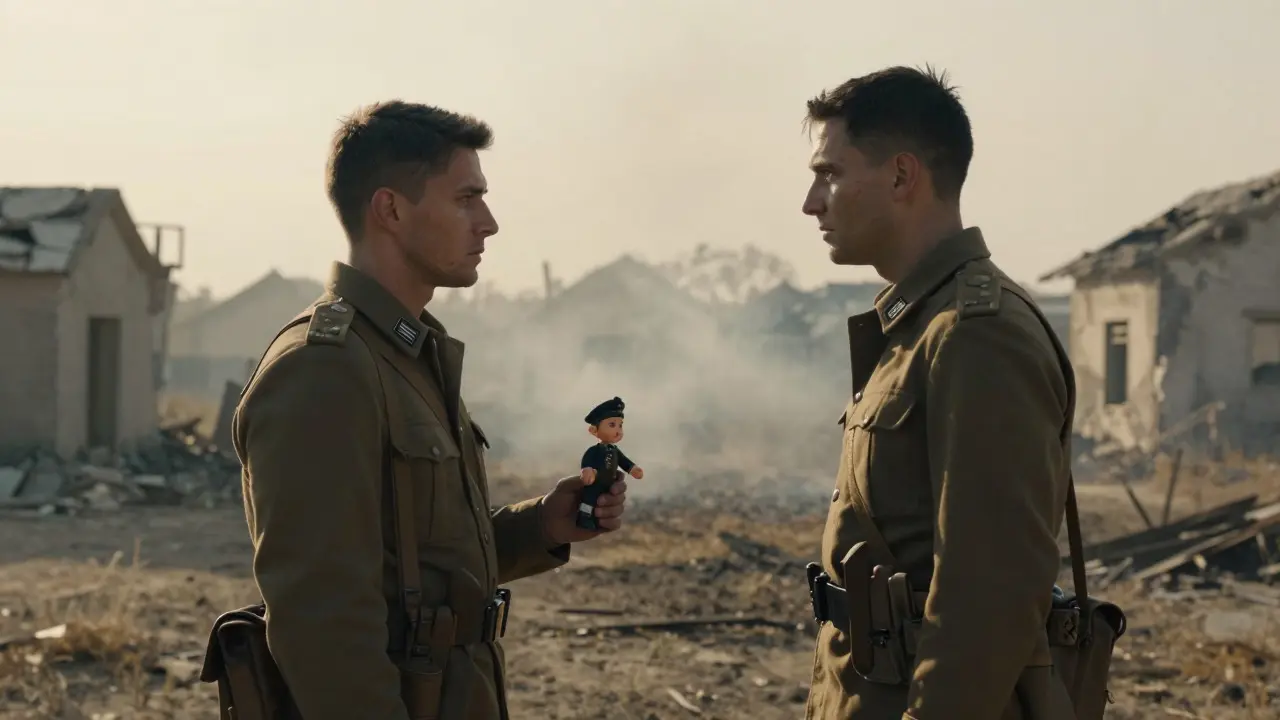
The ethical responsibility falls on the filmmaker. Do they provide context? Do they show the aftermath? A scene of a bombing is powerful, but a scene of a child picking up pieces of a toy afterward is devastating. The former is spectacle; the latter is consequence. Great war films balance both, ensuring that the audience leaves the theater not just impressed by the special effects, but haunted by the human toll.
FAQ
What is the main purpose of war films in cinema?
The main purpose of war films is to explore the human condition during armed conflict. They aim to evoke emotional responses such as empathy, fear, or patriotism, while also providing a commentary on historical events and societal values. Unlike documentaries, they prioritize narrative structure and character development to make complex geopolitical issues accessible to a broad audience.
How does narrative analysis apply to war movies?
Narrative analysis examines the structure, themes, and symbols used in a war film to uncover deeper meanings. It looks at how the story is told-who is the protagonist, what is the central conflict, and how does the resolution reflect the director's viewpoint. This method helps identify biases, such as the glorification of violence or the marginalization of certain groups, and reveals how the film constructs its version of reality.
Are modern war films more realistic than older ones?
Generally, yes. Modern war films tend to use more naturalistic acting, practical effects, and immersive sound design to mimic the chaos of combat. Older films often relied on studio sets and choreographed action. However, realism is subjective. A film may be visually realistic but emotionally exaggerated, or vice versa. The trend is toward a blend of documentary aesthetics and dramatic storytelling.
How do war films influence public perception of conflict?
War films shape public perception by framing specific conflicts through particular lenses. They can humanize enemies, justify military intervention, or critique government policy. Because many people form their ideas about distant wars through media, these films act as powerful tools for shaping opinion. A positive portrayal can boost support for troops, while a critical one can fuel anti-war sentiment.
What role does sound play in representing violence?
Sound is crucial for creating immersion and emotional impact. Instead of relying solely on visual explosions, filmmakers use directional audio, silence, and subjective hearing (like tinnitus) to place the audience inside the character's head. This makes the violence feel personal and disorienting, mirroring the sensory overload experienced by soldiers in actual combat zones.




Comments(8)