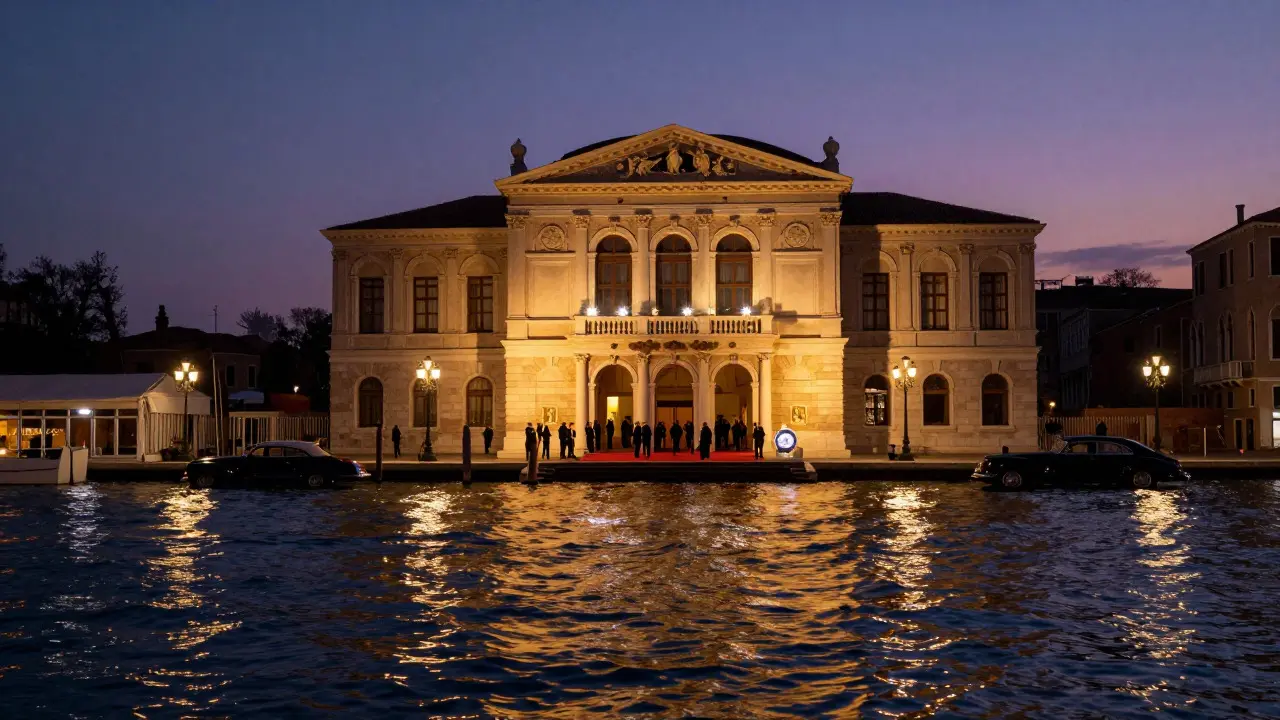
The Venice Film Festival is the oldest international film festival in the world, serving as the premier launchpad for global cinema each September. As the 83rd edition wraps up its screenings in late August and early September 2026, the buzz isn't just about who took home the Golden Lion. It’s about what these awards signal for the industry. Critics are dissecting every frame, debating whether the jury played it safe or took a bold swing. For filmmakers, this event sets the tone for the entire awards season. For audiences, it offers a curated look at the most ambitious movies of the year.
Understanding the winners requires looking beyond the trophy. The Venezia Prize, the Silver Lion for best director, and the Volpi Cup for acting all carry specific weights. Each award highlights a different facet of cinematic excellence. This article breaks down the 2026 results, the critical consensus, and the broader implications for the film industry.
The 2026 Golden Lion Winner: A Bold Statement
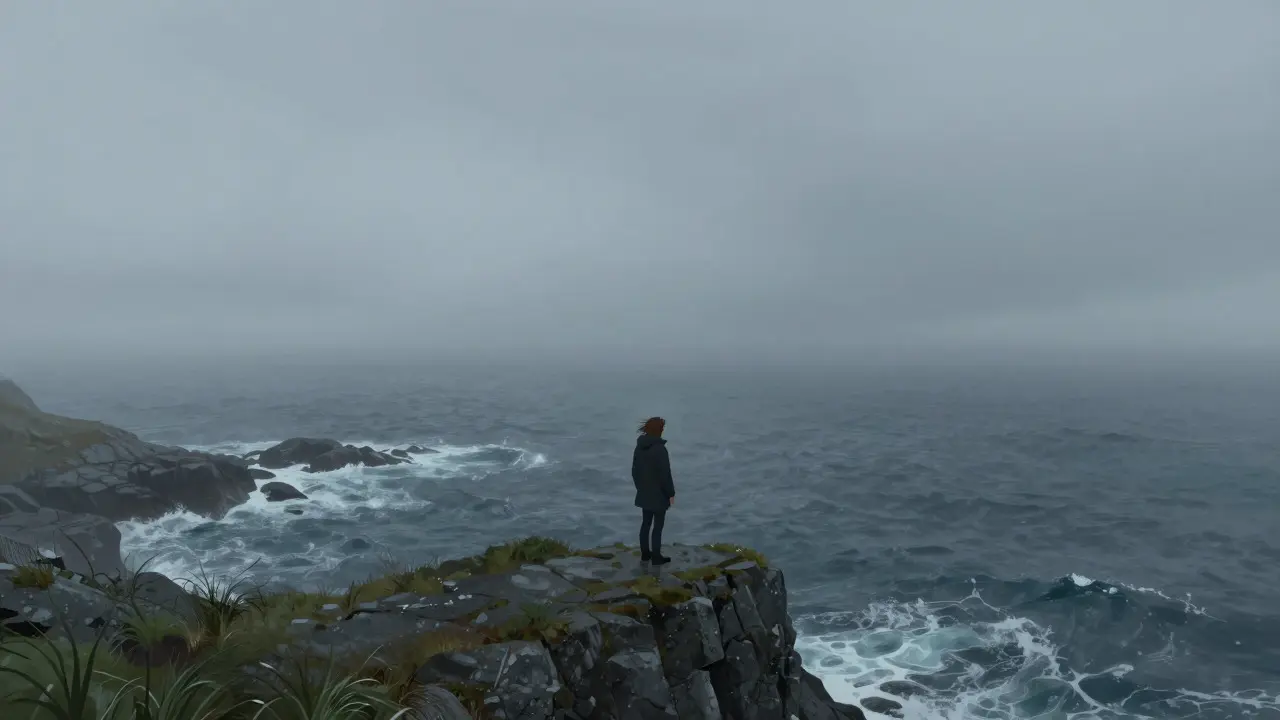
This year’s top prize went to The Silence of Tides, a slow-burn drama directed by emerging talent Mara Voss. The film, shot on location in coastal Norway, explores themes of isolation and memory. It wasn’t the favorite going into the final days. In fact, many industry insiders predicted a win for the high-budget thriller Neon Shadows. Instead, the jury chose a film that prioritized atmosphere over plot twists. Critics praised its visual composition and the lead performance by actor Elias Thorne, who also picked up the Volpi Cup for Best Actor.
The Silence of Tides represents a shift in what the Venice jury values. Recent years have seen a mix of political thrillers and experimental shorts. By choosing a quiet, character-driven piece, the committee signaled a return to traditional narrative depth. Reviewers from major outlets noted that the film’s pacing required patience but rewarded viewers with emotional resonance. This choice contrasts sharply with the faster-paced content dominating streaming platforms. It suggests that festivals still serve as a refuge for slower, more contemplative cinema.
Key Awards Breakdown: Directors and Actors
Beyond the Golden Lion, several other categories drew significant attention. The Silver Lion for Best Director went to Hiroshi Tanaka for his sci-fi epic Orbit Zero. Tanaka’s work blends practical effects with digital environments, creating a seamless world that critics described as "visually stunning yet emotionally grounded." His acceptance speech highlighted the importance of preserving physical sets in an increasingly virtual production landscape. This comment resonated with many in the technical crew community, sparking debates about the future of special effects in blockbuster filmmaking.
In the acting categories, the competition was fierce. The Volpi Cup for Best Actress went to Amara Okafor for her role in Homecoming, a Nigerian-British co-production. Okafor’s portrayal of a woman navigating cultural identity in London was hailed as nuanced and powerful. Her win marks a significant moment for African cinema on the European stage. Meanwhile, the Special Jury Prize for Acting went to veteran actor Julian Frost for a supporting role in The Last Letter. Frost’s subtle performance added layers to a complex family drama, proving that even smaller roles can command attention when executed with precision.
| Award Category | Winner | Film Title | Critical Consensus |
|---|---|---|---|
| Golden Lion (Best Film) | Mara Voss | The Silence of Tides | Praised for atmosphere and visual style |
| Silver Lion (Best Director) | Hiroshi Tanaka | Orbit Zero | Acclaimed for blending practical and digital effects |
| Volpi Cup (Best Actor) | Elias Thorne | The Silence of Tides | Noted for restrained, internal performance |
| Volpi Cup (Best Actress) | Amara Okafor | Homecoming | Recognized for cultural nuance and power |
| Special Jury Prize | Julian Frost | The Last Letter | Celebrated for subtle supporting role execution |
Critic Reactions: Praise and Controversy
The reaction to the 2026 lineup was mixed, reflecting the diverse tastes within the critical community. Some reviewers felt the selection leaned too heavily toward European arthouse traditions, potentially sidelining voices from Asia and Latin America. Others argued that the focus on craftsmanship-cinematography, sound design, and editing-was exactly what the industry needed after a few years of franchise dominance. The debate centers on whether festivals should prioritize accessibility or artistic risk. The Silence of Tides sits firmly in the latter camp, requiring active engagement from the viewer rather than passive consumption.
Another point of contention involved the inclusion of virtual reality (VR) experiences in the main competition. For the first time, a VR short film, Depth Field, competed for the Orizzonti Award. While it didn’t win the top prize, its presence sparked discussion about the boundaries of cinema. Critics were divided; some saw it as innovation, while others argued it diluted the core definition of theatrical storytelling. This tension between tradition and technology is likely to continue shaping future festival selections. As immersive technologies improve, the line between film and interactive media will blur further, challenging curators to define what qualifies as a "film" in the 2020s and beyond.

Industry Impact: What Happens Next?
Winning at Venice often translates to strong box office performance in key markets like France, Italy, and Germany. However, the path to the US market remains competitive. Distributors watch these awards closely to gauge which films have crossover potential. Orbit Zero, with its sci-fi appeal and star-studded cast, is expected to secure a wide release. The Silence of Tides, meanwhile, may follow a limited release strategy, targeting art-house theaters and prestige television slots. This divergence illustrates how awards can dictate distribution models, influencing everything from marketing budgets to release dates.
For independent filmmakers, the Venice platform offers crucial visibility. The Venice Days section, which showcases shorter and more experimental works, continues to be a breeding ground for new talent. Several directors who premiered here in previous years have gone on to win major international prizes. The 2026 edition featured a record number of first-time directors, indicating a healthy pipeline of fresh voices. This diversity ensures that the festival remains a dynamic space where established legends and emerging creators share the same spotlight. It reinforces the idea that Venice is not just a celebration of past achievements but a incubator for the future of global cinema.
Looking Ahead: Trends Shaping Future Festivals
Several trends emerged from the 2026 edition that are likely to influence upcoming events like Cannes and Toronto. First, there is a growing emphasis on sustainability in production. Many winning films highlighted eco-friendly shooting practices, from solar-powered lighting to minimal set construction. Second, the rise of non-linear narratives gained traction. Audiences showed willingness to engage with complex story structures, suggesting a maturing viewer base. Finally, the integration of live performance elements in pre-screening events created a unique communal experience, blurring the lines between theater and cinema.
As we move forward, the challenge for organizers will be balancing these innovations with the need for broad appeal. The festival must remain accessible to general audiences while maintaining its reputation as a hub for artistic excellence. The 2026 winners suggest that this balance is possible when films respect the audience’s intelligence without sacrificing emotional connection. Whether through the quiet power of The Silence of Tides or the spectacle of Orbit Zero, the message is clear: great cinema comes in many forms, and the Venice Film Festival continues to champion them all.
What is the significance of the Venice Film Festival in the global film industry?
The Venice Film Festival is the oldest international film festival, serving as a primary indicator of which films will succeed in the European market and setting the tone for the annual awards season. Its awards often correlate with later recognition at the Oscars and other major ceremonies.
Why did the jury choose 'The Silence of Tides' for the Golden Lion?
The jury reportedly valued the film's atmospheric direction and the lead actor's restrained performance. They cited its ability to evoke deep emotion through visual storytelling rather than relying on fast-paced plot developments, marking a return to contemplative cinema.
How do Venice awards affect a film's distribution in the US?
Awards at Venice provide a stamp of quality that helps distributors negotiate better terms. High-profile wins can lead to wider releases, while niche awards may result in limited art-house runs followed by streaming deals. The specific genre and scale of the film also play a role in determining the release strategy.
What is the Venice Days section?
Venice Days is a parallel section of the festival that focuses on shorter, more experimental, and independent films. It serves as a platform for emerging directors and innovative formats, often showcasing works that might not fit into the main competition due to length or style.
Are virtual reality films now part of the main competition?
In 2026, VR entries began appearing in side competitions like the Orizzonti Award. While not yet standard in the main Golden Lion category, their inclusion signals a gradual expansion of what is considered eligible for festival recognition, though debate continues among purists.