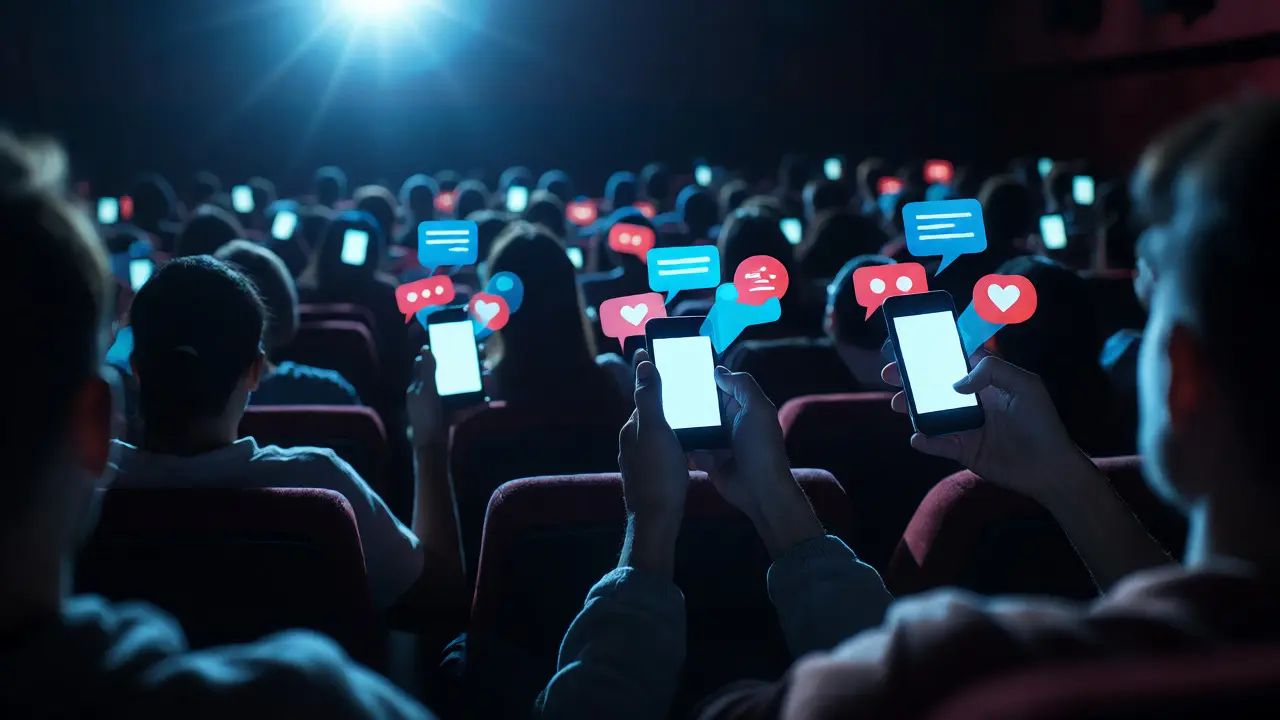
Remember when the only way to share your thoughts on a movie was waiting for the newspaper review or calling a friend? That world is gone. Today, Twitter is a microblogging and social networking service that has fundamentally reshaped how we discuss movies in real time. It’s not just about posting "I liked it"; it’s about live-tweeting plot twists, dissecting cinematography in 280 characters, and forming communities around niche genres before the credits even roll. This shift from static criticism to dynamic, conversational discourse has changed everything-from how studios market films to how directors engage with their audience.
The Death of the Monologue
For decades, film criticism was a one-way street. A critic wrote an essay, you read it, and maybe you argued at dinner. The power dynamic was clear: the expert spoke, the audience listened. Twitter broke that hierarchy. Suddenly, everyone had a platform. You didn’t need a column in the New York Times to have your take heard; you just needed a hot take and a good hashtag. This democratization meant that film discourse became faster, messier, and far more inclusive.
Consider the rise of the "live tweet." When a major blockbuster like Avengers: Endgame premiered, fans weren’t just watching the screen; they were broadcasting their reactions simultaneously. These aren’t formal reviews. They are raw, emotional, and immediate. They capture the collective gasp of a theater audience through individual screens. This real-time layer adds a social dimension to viewing that traditional criticism never could. It turns movie-watching into a shared event, even if you’re alone on your couch.
Anatomy of a Viral Thread
Not all tweets are created equal. While quick jokes and memes dominate the feed, serious film analysis has found a home in the thread format. A well-crafted Twitter thread can be as insightful as a video essay but much easier to consume. These threads often break down complex ideas-like the color theory in a Wes Anderson film or the editing techniques in a thriller-into digestible chunks.
Why do these work? Because they respect the user’s attention span while delivering depth. Unlike a 2,000-word article that might feel like homework, a thread invites you to scroll. If you get bored, you stop. If you’re engaged, you keep going. This format allows for nuance. You can acknowledge that a movie has great acting but terrible pacing without having to write a full manifesto. It’s criticism in its purest, most agile form.
| Feature | Traditional Criticism (Print/Blog) | Twitter Discourse |
|---|---|---|
| Speed | Days to weeks after release | Minutes during or immediately after viewing |
| Format | Long-form essays, structured arguments | Short posts, threads, images, videos |
| Tone | Formal, authoritative, detached | Conversational, personal, reactive |
| Audience Interaction | Limited (letters to editor, comments section) | High (direct replies, retweets, quote tweets) |
| Longevity | Permanent archive, searchable | Ephemeral, algorithm-dependent visibility |
The Studio Response: Marketing via Memes
Hollywood noticed. Studios realized that ignoring Twitter meant missing out on free marketing and early warning systems for PR disasters. Now, social listening is part of every major campaign. When Barbie hit theaters in 2023, the conversation wasn’t just driven by trailers; it was fueled by user-generated content. People posted their pink outfits, analyzed the feminist subtext, and debated the ending in real time. Warner Bros. leaned into this, engaging directly with fans and amplifying viral moments.
This feedback loop influences production too. If a trailer gets roasted on Twitter for bad CGI, studios might delay the release to fix it. If a character becomes a meme favorite, sequels might expand their role. The audience isn’t just consuming; they’re co-creating the cultural footprint of the film. This power shift means filmmakers can no longer hide behind the final cut. Their choices are scrutinized frame-by-frame by millions of amateur critics.
Pitfalls of the Feed
It’s not all sunshine and star ratings. The speed of Twitter discourse comes with downsides. First, there’s the pressure to react instantly. This leads to hot takes that age poorly. You might tweet that a movie is "the worst ever" because of one annoying scene, only to realize three days later that it’s actually quite profound. But the initial impression sticks. Algorithms favor engagement, which often means outrage wins over nuance.
Then there’s the issue of context collapse. A 280-character limit forces simplification. Complex themes get reduced to slogans. "Capitalism bad" or "Boomer humor" become lazy shorthand for deeper critiques. This can flatten the discussion. Instead of exploring why a narrative structure failed, users might just label it "confusing." We lose the ability to articulate subtle disagreements when the medium rewards boldness over precision.
Also, consider the echo chamber effect. Twitter’s algorithm shows you what you already agree with. If you hate superhero movies, your feed will reinforce that bias. You rarely encounter challenging viewpoints unless you actively seek them out. This creates fragmented communities where fans of different genres barely speak to each other. The unified watercooler moment of the past is replaced by parallel monologues.
How to Navigate the Noise
If you want to use Twitter for film discussion without losing your mind, you need a strategy. Don’t rely on the main feed. Use lists. Create a list of critics whose tastes align with yours-or challenge yours. Follow directors, writers, and editors, not just actors. See how they talk about their craft. Often, the best insights come from the people making the art, not just those reviewing it.
Engage thoughtfully. Instead of replying with "Lol," ask a question. "What did you think of the third act twist?" invites dialogue. Quote-tweet with your own analysis rather than just sharing someone else’s opinion. This builds your own voice in the community. And remember, silence is okay. Not every movie needs a take. Sometimes, letting a film sit for a day before tweeting about it yields a better result.
The Future of Digital Critique
As platforms evolve, so does discourse. With the rise of TikTok and YouTube Shorts, visual commentary is gaining ground. But Twitter remains the text-based backbone of intellectual debate. It’s where ideas are born before they become video essays. The integration of AI tools might change things further. Imagine AI summarizing thousands of tweets about a new release to identify consensus points and outliers. This could help viewers filter the noise quickly.
Ultimately, Twitter hasn’t killed film criticism; it’s expanded it. It’s made criticism participatory. We are no longer passive consumers of opinions handed down by elites. We are active participants in shaping how movies are understood and remembered. The next great cinematic movement might not start in a director’s chair, but in a trending topic.
Does Twitter influence box office performance?
Yes, significantly. Positive buzz and viral moments on Twitter can drive opening weekend numbers, especially for mid-budget films. Conversely, negative sentiment can cause steep drops in attendance by the second weekend. Studios closely monitor sentiment metrics to adjust marketing spend in real time.
Are Twitter reviews reliable compared to professional critics?
They serve different purposes. Professional critics provide contextual analysis and historical perspective. Twitter reviews offer immediate emotional resonance and crowd-sourced consensus. Neither is inherently "more reliable," but Twitter is better for gauging general audience reception, while professional reviews are better for understanding artistic intent.
How do spoilers work on Twitter now?
The old rules of "spoiler alerts" are largely dead. Most users assume that if a movie is out, it’s fair game. However, etiquette still suggests using spoiler tags or warnings for major plot twists within the first 48 hours of release. After that, discussing specifics is generally accepted.
Can filmmakers ignore Twitter discourse?
Technically, yes, but it’s risky. Ignoring valid criticisms can lead to reputational damage or fan backlash. Many modern directors engage with Twitter to humanize themselves and address misconceptions. However, toxic harassment should be ignored, not engaged with.
What is the impact of bots on film discourse?
Bots and astroturfing campaigns can skew perception. Paid accounts may amplify praise for upcoming releases or attack competitors. Savvy users look for organic engagement patterns-varied writing styles and genuine interactions-to distinguish real fans from manufactured hype.