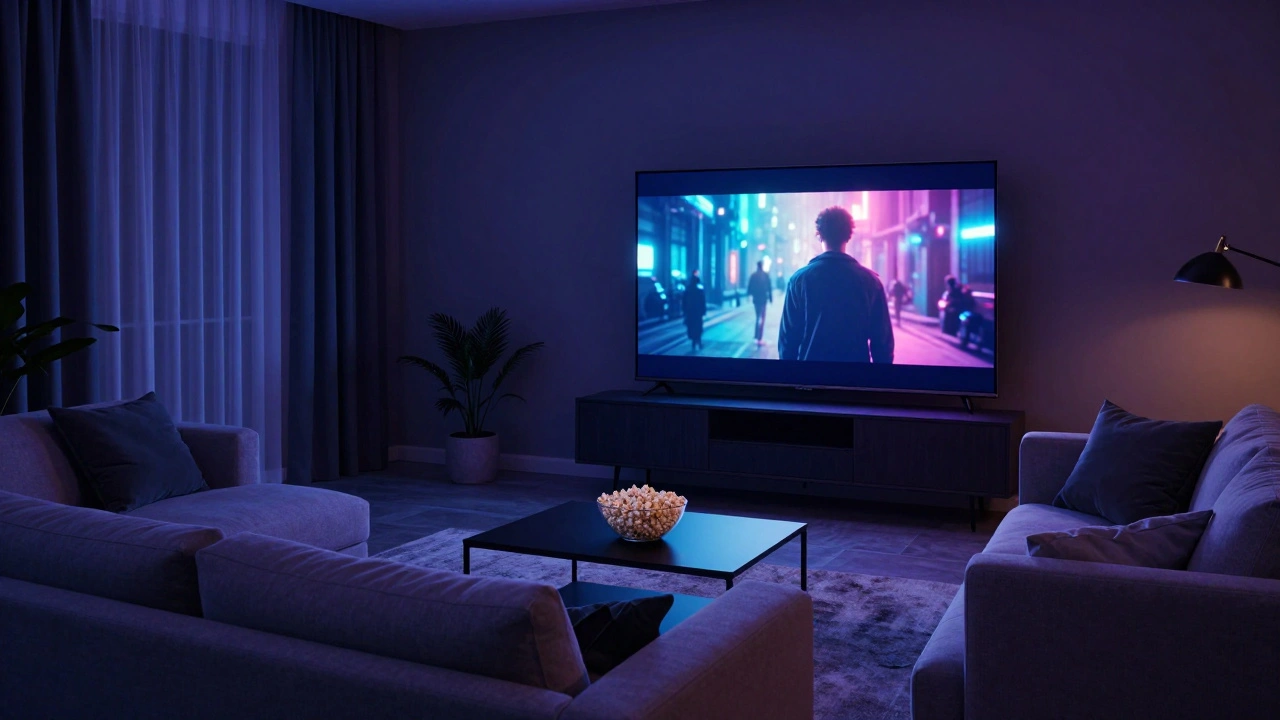
Most of us have spent the last few years scrolling through endless menus, only to find the same big-budget blockbusters. But there is a hidden goldmine of stories that never hit a cinema screen. We are talking about the films that bypass the traditional theater circuit entirely to land directly on your couch. These aren't just 'made-for-TV' movies; they are high-art, risky, and often heartbreaking stories that big studios are too scared to touch.
Quick Guide: Where to Find the Best Indie Gems
- MUBI: Best for international arthouse and avant-garde cinema.
- Apple TV+: High-budget indie spirit with a focus on sleek production.
- Netflix: A mix of global indie hits and experimental documentaries.
- Kanopy: The gold standard for free, library-funded academic and indie films.
- Hulu: Strong focus on American indie dramedies and A24-style vibes.
The Shift to Streaming-First Independence
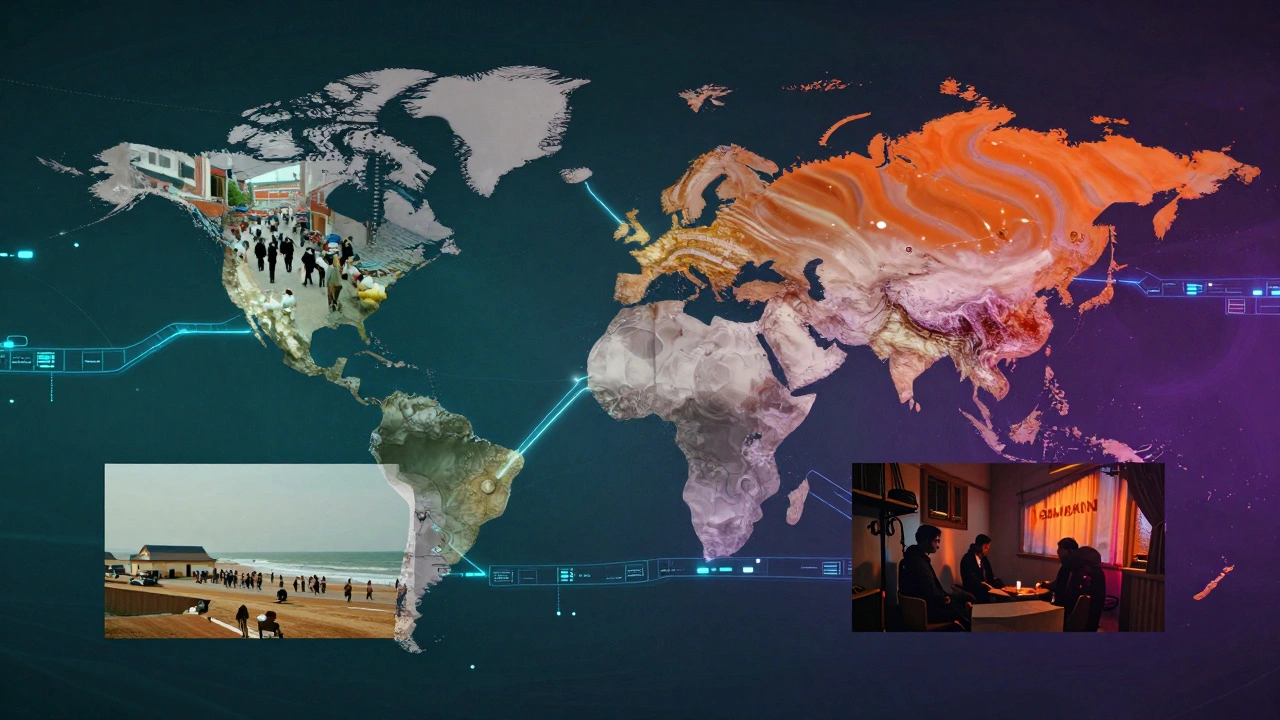
The way we watch best independent films has fundamentally changed. It used to be that an indie movie had to play at Sundance or TIFF and hope for a limited theatrical release in three cities before hitting DVD. Now, streaming platforms act as the primary distributor. This has democratized storytelling. A director in Seoul or Lagos can now reach a global audience without needing a deal from a major studio in Los Angeles.
When we talk about Independent Cinema films produced outside the major studio system, typically characterized by smaller budgets and more creative freedom, we are looking for authenticity. The beauty of streaming exclusives is that they don't have to worry about "opening weekend" numbers. This allows for slower pacing, weirder plots, and more challenging themes that wouldn't survive a corporate focus group.
Where the Real Art Lives: Platform Breakdown
Not all platforms treat indie films the same. If you are looking for a movie that makes you question your existence or just a quirky story about a dysfunctional family, you need to know where to look.
MUBI a curated streaming service specializing in cinema from around the world, often featuring a rotating daily selection is essentially a digital museum. They don't just dump content; they curate it. If you want to see a 1970s Iranian drama or a modern experimental piece from Poland, this is the spot. Their focus on "human-curated" lists prevents the algorithm from deciding what you like.
On the other end, Apple TV+ a subscription video-on-demand service known for high production values and original content takes a different approach. They buy a lot of high-end indie projects and give them a massive budget. While they lack the "grit" of a low-budget underground film, they provide the kind of storytelling that focuses on character over plot, often hiring visionary directors who are tired of the blockbuster grind.
| Platform | Curation Style | Typical Genre | Best For... |
|---|---|---|---|
| MUBI | Strictly Curated | Arthouse / World | Film Buffs & Students |
| Apple TV+ | High-Budget Original | Drama / Sci-Fi | Polished Storytelling |
| Netflix | Algorithm-Driven | Global Thrillers / Docs | Casual Discovery |
| Kanopy | Library-Based | Educational / Classic | Academic Research |
The "Sleeper Hits" of 2025-2026
In the last eighteen months, we have seen a surge in "micro-budget" streaming exclusives. These are films made for under $500,000 that are bought by platforms to fill a specific niche. For example, the rise of Slow Cinema a cinematic style characterized by long takes, minimal dialogue, and a focus on the passage of time has found a weirdly successful home on streaming. People are actually enjoying the slow burn when they can pause and rewind at home.
One standout trend is the "hyper-local" indie. We are seeing more films that focus on specific subcultures-like the competitive world of urban gardening or the underground scene of analog synth collectors-that are funded by Crowdfunding the practice of funding a project by raising small amounts of money from a large number of people and then sold as a streaming exclusive. These films feel real because they aren't trying to please everyone; they are only trying to please the people who care about that specific topic.
How to Find the Hidden Gems
Let's be honest: the search bar is your enemy. If you just search "indie movies" on Netflix, you'll get the same ten suggestions. To find the real stuff, you have to change your strategy.
- Follow the Festivals: Keep an eye on the winners of the Sundance Film Festival or SXSW. When a movie wins a prize but doesn't get a theatrical release, it usually ends up as a streaming exclusive within six months.
- Check Director Filmographies: If you loved a weird indie movie from ten years ago, look up the director on IMDb an online database of information related to films, television series, home videos, video games, and streaming content. You'll often find their latest project is a direct-to-streaming exclusive.
- Use Specialized Aggregators: Sites like Letterboxd allow you to filter by "Streaming Service" and "Rating," which is far more reliable than the platform's own recommendations.
The Trade-off: Accessibility vs. Experience
There is a debate about whether streaming kills the "magic" of the indie experience. Some argue that seeing a film in a dark room with 50 strangers is essential. However, for most people, the trade-off is worth it. Accessibility means a kid in a small town can watch a masterpiece from Senegal without having to travel to a major city.
The risk, however, is the "digital void." When a movie is only on one platform, it can disappear overnight if the licensing agreement ends. This is why Digital Archiving the process of preserving digital materials to ensure they remain accessible over time is becoming a huge talking point in the indie community. If a platform deletes a film, and there's no physical disc, that piece of art effectively ceases to exist.
What is the difference between an indie film and a streaming original?
An indie film is defined by its production source-it's made outside the major studio system. A "streaming original" is a distribution term. A movie can be both: produced independently but bought exclusively by a platform like Netflix or Apple to be labeled as an "Original." The key is whether the creative control stayed with the filmmakers or was dictated by the platform's corporate goals.
Which streaming service is best for foreign language indies?
MUBI is widely considered the best for this. Unlike larger platforms that only pick up the most popular foreign hits, MUBI focuses on art-house cinema and rare finds from all over the world, including many that have never been screened in the US.
Are these films actually high quality?
Yes, often higher than mainstream films in terms of creativity. Because they don't need to make $100 million to be considered a success, indie filmmakers can take risks with plot, casting, and cinematography that big studios avoid.
How can I support indie filmmakers if I only watch them on streaming?
The best way is to engage with the film. Write reviews on platforms like Letterboxd, share the film on social media, and if the filmmaker has a Patreon or a social media presence, follow them. Word-of-mouth is the only currency that truly matters for indie creators.
Is Kanopy really free?
Yes, Kanopy is free for users who have a participating public library card or a university login. The funding comes from the institutions, which pay for the licenses so that the public can access high-quality educational and indie content without a personal subscription.
Next Steps for Your Watchlist
If you're feeling overwhelmed, start small. Pick one platform-maybe MUBI if you're feeling bold or Apple TV+ if you want something polished-and commit to watching one "suggested" indie film per week. Don't rely on the thumbnails; read the director's bio or the plot summary. You'll find that once you break the habit of watching blockbusters, the world of independent cinema becomes far more addictive.




Comments(5)