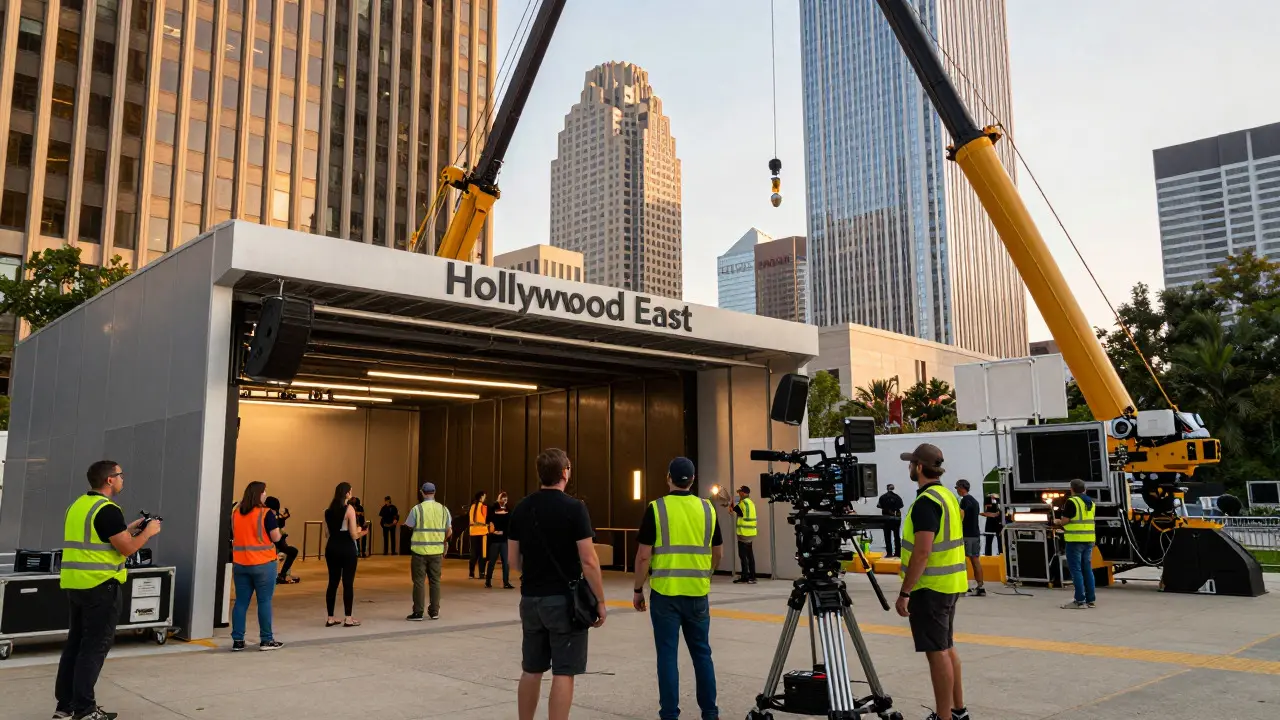
Ever wonder why a scene set in 1940s London looks exactly like a studio lot in New Zealand? Or how a tiny town in Georgia became the backdrop for half the Marvel Cinematic Universe? The geography of cinema is shifting. While Hollywood remains the industrial heart of global filmmaking, the actual physical places where cameras roll are spreading across continents. For fans and aspiring filmmakers alike, understanding where movies are shot reveals the economic engines, tax incentives, and unique landscapes that define modern cinema.
The Economics of Location Shooting
Money talks, but it doesn't always shout from Los Angeles. In recent years, production costs have driven studios to look further afield. Tax credits are the primary driver. States like Georgia and North Carolina offer some of the most aggressive rebates in the United States, often returning 20-30% of qualified spending back to producers. This financial logic explains why Atlanta has become known as "Hollywood East." It isn't just about scenery; it's about keeping more budget on screen rather than paying higher local taxes.
Beyond money, there is the factor of infrastructure. A viable filming location needs more than pretty views. It requires reliable power grids, large enough soundstages, and a deep pool of skilled crew members. If you can't find a grip or electrician locally, you pay to fly them in, which erodes the savings from tax breaks. This is why established hubs dominate despite their fame.
North America: The Industrial Powerhouses
Los Angeles remains the default choice for major blockbusters. The concentration of talent, post-production facilities, and specialized equipment creates an ecosystem that is hard to replicate elsewhere. However, the saturation of LA also means high competition for crews and locations, often leading to higher daily rates. For independent films, this cost barrier is significant.
Across the Atlantic within the US, Vancouver, Canada, has carved out a niche as "Hollywood North." Its proximity to Seattle and Portland allows for easy access to Pacific Northwest aesthetics without crossing the border into the US, avoiding certain labor union complexities. Vancouver’s diverse urban landscape allows it to double for New York, Chicago, or even European cities with minimal set dressing. This versatility makes it a favorite for television series that require consistent, recurring backgrounds over many episodes.
| Location | Primary Advantage | Notable Productions | Average Cost Impact |
|---|---|---|---|
| Los Angeles | Talent density & Post-production | Martin Scorsese films, Disney+ originals | High (Premium rates) |
| Atlanta, GA | Tax incentives & Crew availability | WandaVision, Black Panther | Medium (Offset by rebates) |
| Vancouver, BC | Diverse urban sets & Proximity to US | Stranger Things, The Batman | Medium-Low |
Europe: Heritage and Hidden Gems
European filming locations offer something no digital background can fully replicate: authentic history. Cities like Prague, Budapest, and Rome provide architectural integrity that saves millions in set construction. When a director wants a medieval street or a classical plaza, building it from scratch is expensive. Renting a real location in Prague is not only cheaper but adds a texture of life that artificial sets lack.
However, Europe comes with logistical challenges. Labor laws vary significantly by country, and permits can be complex. That said, the visual payoff is immense. Recent productions have utilized remote areas in Scotland and Norway for epic fantasy sequences, leveraging the rugged terrain to create otherworldly environments without extensive CGI work. The natural light in these northern latitudes also provides a distinct cinematic quality during the summer months, when days are long enough for extended shooting schedules.
Asia and Oceania: The New Frontiers
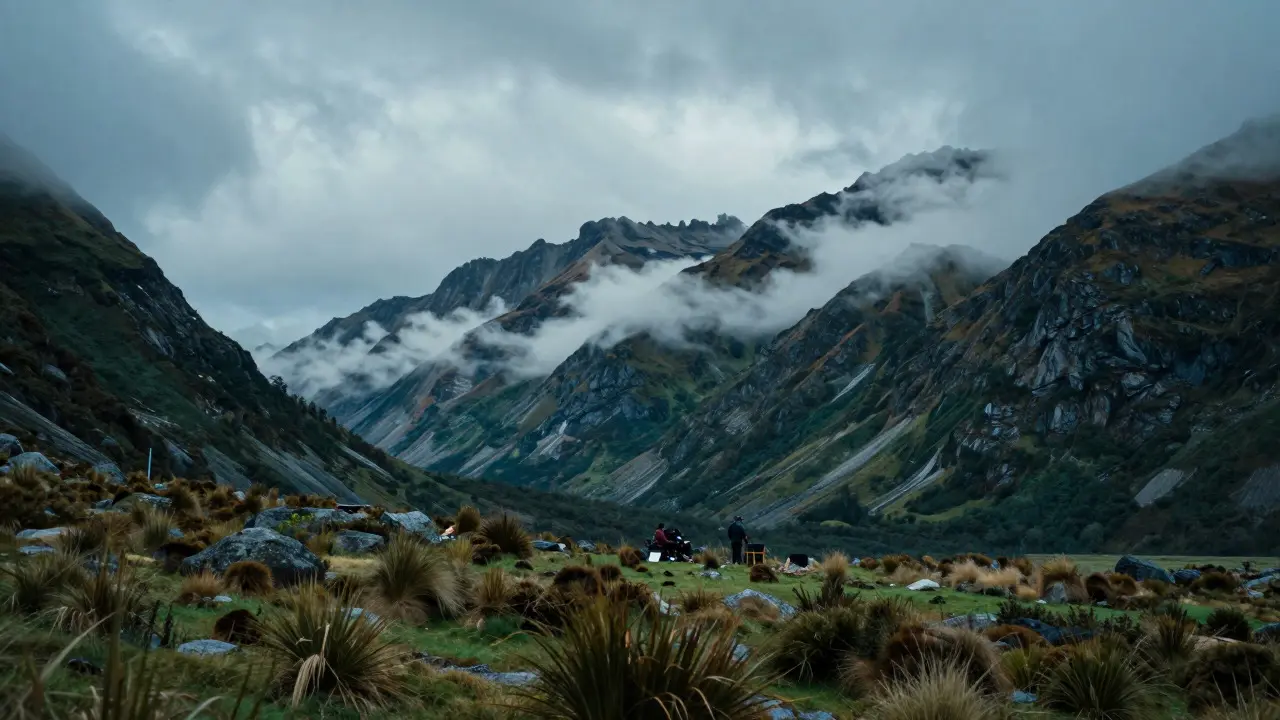
New Zealand has cemented its reputation as a premier destination for large-scale visual effects-heavy films. The combination of diverse landscapes-beaches, mountains, forests, and volcanic terrains-within a single country reduces travel time between setups. This efficiency is critical for productions with tight deadlines and massive budgets. The local industry has developed specialized expertise in VFX integration, meaning the post-production process is smoother when the base footage is captured locally.
In Asia, South Korea has emerged as a major hub, particularly for streaming platforms. Seoul offers a futuristic urban aesthetic that contrasts sharply with traditional rural settings available in nearby provinces. The Korean government has invested heavily in film infrastructure, creating dedicated zones for production. Similarly, Australia continues to attract international co-productions due to its favorable exchange rate and stunning natural diversity, from the Outback to tropical coastlines.
How to Choose a Filming Location
Selecting a location is rarely just about what looks good on camera. It is a complex decision matrix involving legal, financial, and creative factors. Here is a practical framework for evaluating potential sites:
- Assess the Visual Requirement: Does the story need specific architecture, weather patterns, or cultural markers? If so, prioritize authenticity over convenience.
- Analyze Financial Incentives: Calculate the net cost after tax rebates. A location that appears expensive upfront may become the cheapest option once incentives are applied.
- Evaluate Infrastructure: Check for the availability of soundstages, housing for cast and crew, and medical facilities. Remote locations often require bringing in all support services, which increases risk and cost.
- Review Legal Jurisdiction: Understand local labor laws, union requirements, and permit processes. Some countries have strict rules about working hours and overtime that can impact scheduling.
- Consider Logistics: How easy is it to transport equipment? Air cargo costs can add up quickly if you are moving heavy gear between multiple remote sites.
The Role of Technology in Location Selection
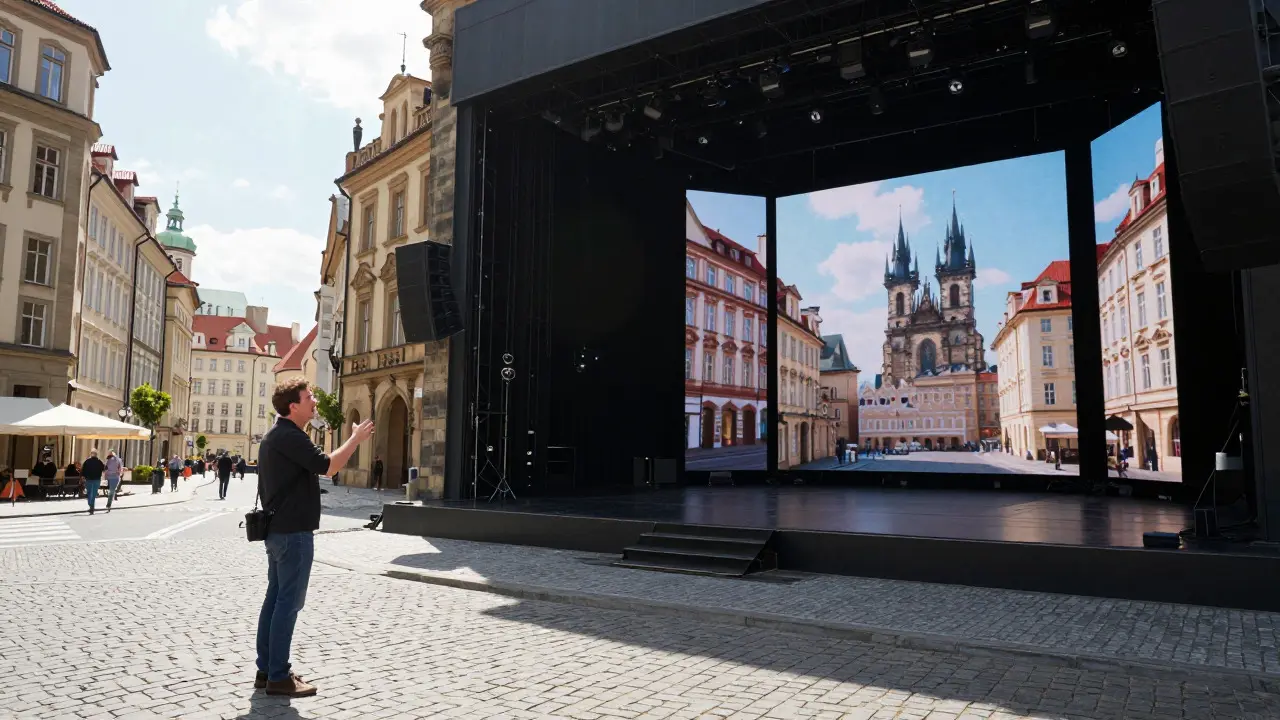
Technology is changing how we think about locations. Virtual production stages, like those using LED walls, allow directors to simulate any environment while shooting indoors. This technology reduces the need to travel to extreme climates or difficult-to-access terrains. However, it does not replace location shooting entirely. Natural light, unpredictable weather, and the sheer scale of real-world environments still offer benefits that virtual sets cannot match. The future of filming is likely hybrid: key exterior shots captured on location, while interior and repetitive scenes are shot in controlled virtual environments.
Film Tourism and Local Impact
When a movie is shot in a specific place, it often boosts local tourism. Fans visit the sites, hotels fill up, and local businesses benefit. This symbiotic relationship encourages towns to welcome film crews. However, it also brings disruption. Noise, traffic, and privacy invasion can strain community relations. Successful productions manage this by engaging with locals early, hiring regional staff, and minimizing environmental impact. The best filming locations are those where the community feels like a partner, not just a backdrop.
Frequently Asked Questions
Why do so many movies get filmed in Georgia?
Georgia offers one of the highest tax credit rates in the US, often reaching 30% or more for qualified expenditures. Additionally, Atlanta has developed a large, experienced crew base and state-of-the-art soundstages, making it a cost-effective alternative to Los Angeles.
Is it cheaper to film in Canada than in the US?
Generally, yes. Lower labor costs and favorable exchange rates make Canadian cities like Vancouver and Toronto attractive. However, you must account for cross-border logistics and specific union agreements, which can sometimes offset the initial savings.
What is the most popular international filming location outside of North America?
New Zealand is consistently ranked among the top international destinations due to its diverse landscapes and strong VFX industry. Prague and Budapest are also highly popular for their historic architecture, which saves on set construction costs.
Do tax credits apply to all expenses?
No. Most jurisdictions have a list of "qualified expenditures." These typically include local labor, equipment rentals, and lodging. Expenses paid to non-local entities or certain types of insurance may not qualify. It is crucial to consult with a local production accountant before finalizing a budget.
How does virtual production affect the demand for physical locations?
Virtual production reduces the need for remote or difficult-to-access locations for background plates. However, it increases the demand for large, flat-floor soundstages near major cities. Physical locations remain essential for hero shots that require natural light and scale, but the volume of location shooting may decrease for routine scenes.





Comments(8)