You’ve probably noticed it. A movie opens to huge numbers on Friday night, the buzz is electric, and then by next Saturday, it’s practically empty. We used to expect a 40% drop from opening weekend to second weekend. Now? It’s often closer to 60%, sometimes even 75%. What changed? The theatrical window-that exclusive period where a film plays only in cinemas before hitting home platforms-has shrunk dramatically. And it’s having a direct, measurable impact on how fast movies lose their audience.
| Release Era | Typical Theatrical Window | Avg. Second-Weekend Drop | Primary Driver |
|---|---|---|---|
| Pre-2010 | 90-120 days | 35-45% | Sustained word-of-mouth, limited home access |
| 2010-2019 | 75-90 days | 45-55% | Rise of VOD, digital rentals |
| 2020-Present | 17-45 days | 55-75% | Streaming availability, hybrid releases |
The Math Behind the Cliff
Let’s break this down with real numbers. When a blockbuster like Top Gun: Maverick released in May 2022 held its theatrical exclusivity for over 90 days, it saw a modest 38% second-weekend drop. Compare that to The Suicide Squad which hit HBO Max just 31 days after its theatrical debut in August 2021, which plummeted 79% in its second weekend. That’s not a coincidence-it’s causation.
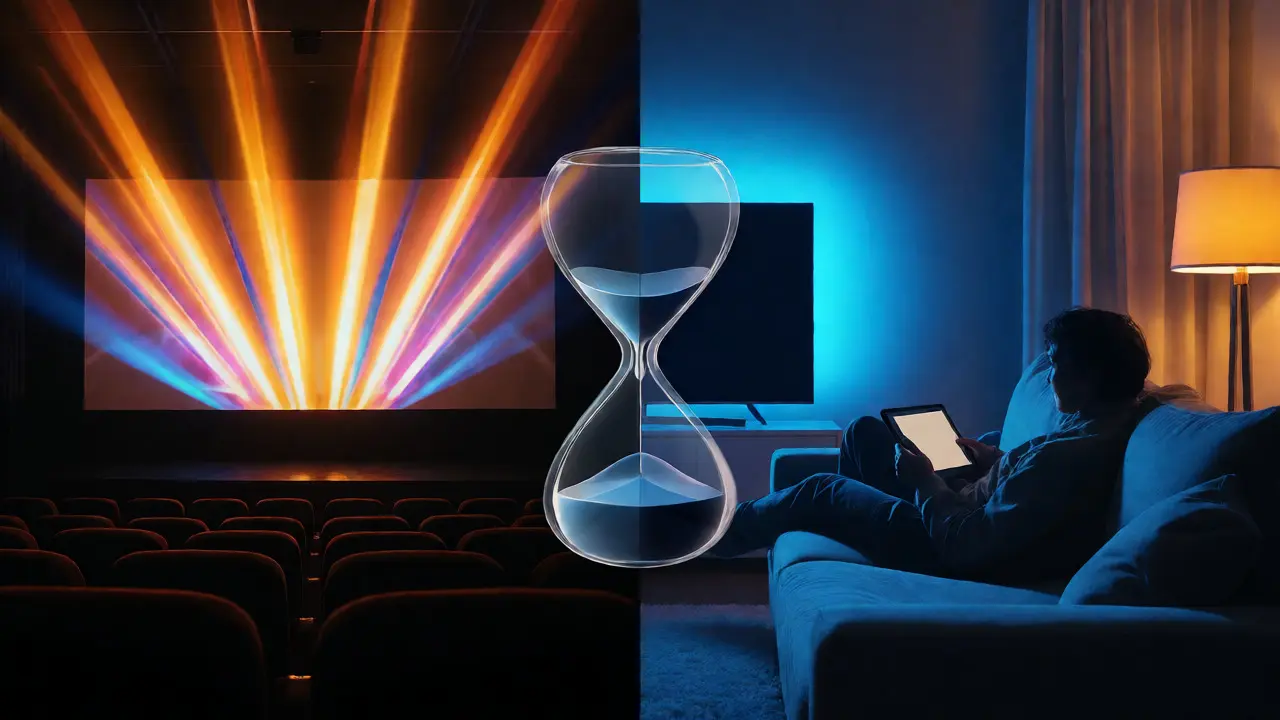
Why does this happen? Simple psychology. When viewers know a movie will be on Netflix or Disney+ in three weeks, they wait. They don’t rush to theaters on opening weekend unless they’re die-hard fans or the film has massive cultural momentum. This creates a "wait-and-see" effect that flattens the entire revenue curve. Studios get less upfront cash, and theaters lose repeat traffic because there’s no incentive to see a film twice if you can watch it at home for $5 extra later.
Who Gets Hurt Most?
Not all films suffer equally from shortened windows. Big-budget action franchises still draw crowds regardless of streaming dates because people want the IMAX experience. But mid-budget dramas, comedies, and horror films? They get crushed. These genres rely heavily on word-of-mouth, which takes time to build. If your movie leaves theaters before most people have heard about it, you never get that organic growth.
Universal Pictures was one of the first major studios to experiment aggressively with shortened windows starting in 2020, partnering with Peacock for early digital releases. Their data showed that while total revenue (theatrical + streaming) remained stable for tentpole titles, independent arthouse films saw significant losses when pulled too quickly. Why? Because those audiences don’t subscribe to multiple streaming services-they’ll skip a film entirely if they miss it in theaters.
The Streaming Platform Factor
Where a movie lands post-theater matters as much as when it lands. A film going to Netflix with its global reach of over 260 million subscribers behaves differently than one going to a niche platform like MUBI. Netflix’s algorithm pushes new content hard immediately, creating a false sense of urgency for viewers who might otherwise wait. This accelerates the decay of theatrical interest because potential moviegoers feel they’ve already “missed” the moment once it hits streaming.
Disney+ operates differently. With its family-focused library and premium pricing model ($10.99/month as of 2026), Disney tends to hold films longer in theaters-often 45-60 days-to maximize per-ticket revenue before cannibalizing its own subscription base. This explains why Pixar films consistently show better second-weekend holds compared to similar animated features released by competitors with shorter windows.
What Theaters Are Doing About It
Cinema chains aren’t sitting idle. AMC, Regal, and Cinemark have responded by cutting deals with studios for exclusive early screenings, enhanced food-and-beverage offerings, and loyalty programs that reward frequent visits. Some chains now offer "first-run" discounts specifically targeting films with sub-30-day windows, trying to capture audiences before they defect to couches.
There’s also a push toward eventized cinema-live sports broadcasts, concert films, and interactive experiences that can’t be replicated at home. These fill gaps left by shrinking windows and keep foot traffic steady even when traditional movie attendance declines. For example, AMC Theatres reported a 12% increase in non-film event bookings between 2023 and 2025, partly driven by this strategy.
Key Takeaways
- Shorter theatrical windows directly correlate with steeper second-weekend box office declines.
- Mid-budget and genre films suffer more than blockbusters due to reliance on word-of-mouth.
- Streaming platform choice influences consumer behavior; broader platforms accelerate theatrical decay.
- Theaters are adapting through experiential offerings and targeted promotions for short-window releases.
- Total revenue may remain stable for majors, but ancillary markets and indie films face greater risk.
Frequently Asked Questions
Does a shorter theatrical window always mean lower profits for studios?
Not necessarily. While theatrical grosses may dip faster, studios often recoup losses through higher initial streaming licensing fees or reduced marketing costs since the campaign spans fewer weeks. However, smaller studios without strong streaming partnerships do see net negative impacts.
How long should an ideal theatrical window be today?
Most analysts suggest 45-60 days balances theater health with modern viewing habits. This allows enough time for word-of-mouth to develop while still giving studios timely access to home audiences. Anything under 30 days risks alienating core moviegoers.
Do shorter windows affect Oscar eligibility?
Yes, indirectly. Films with very short runs may struggle to maintain visibility during awards season voting periods. Studios sometimes extend qualifying runs in select cities to ensure voters remember the film, adding complexity to distribution planning.
Is there any benefit to audiences from shorter windows?
Some viewers appreciate quicker access to new releases at home, especially parents or those avoiding crowded spaces. Others argue it reduces pressure to rush into theaters, allowing more flexible scheduling. Still, many cinephiles feel it diminishes the communal magic of cinema.
Can theaters survive if windows keep shrinking?
They can, but they must evolve. Success depends on diversifying beyond traditional film screenings-think dine-in options, luxury seating, live events, and immersive tech like VR zones. Chains that adapt creatively will thrive; those relying solely on ticket sales from big releases will struggle.