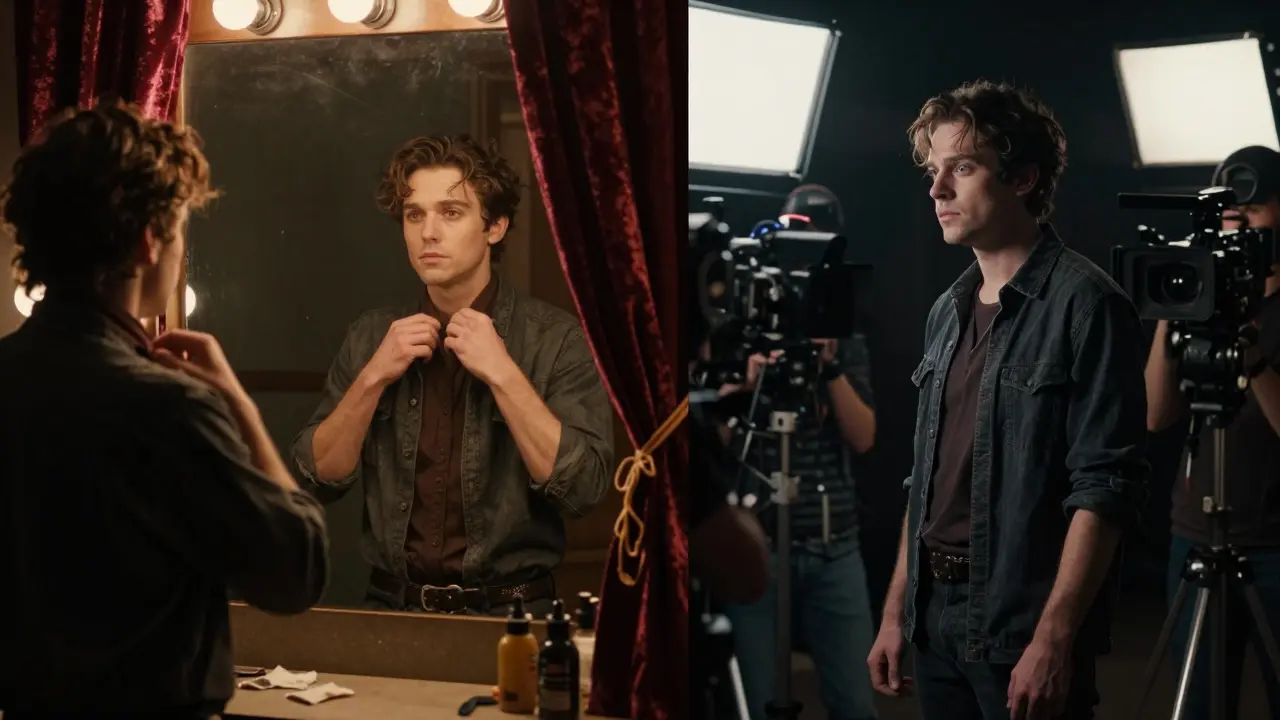
There is a distinct smell to a theater dressing room-old velvet, greasepaint, and nervous energy. For decades, this environment shaped the careers of some of the most compelling visual storytellers in history. But when Theater Directors step onto a movie set, the rules change drastically. The audience no longer sits in rows; they are glued to a single, unbroken frame. The silence is replaced by the hum of cameras and the precision of digital editing. This shift from live performance to recorded media is not just a career move; it is a fundamental retraining of the eye. Many stage veterans struggle with the intimacy of cinema, while others find that their background in character depth gives their films a rare emotional weight. Understanding how these artists navigate this crossover reveals why certain movies feel so much more human than others.
Why Stage Training Creates Different Cinematic Choices
Cinema often prioritizes plot mechanics and visual spectacle. Theater, however, lives and dies by dialogue and presence. When a director trained in the stage moves into Art Film production, they tend to resist the urge to over-edit. They trust the actor's face to convey subtext rather than relying on close-ups or musical cues to tell the audience what to feel. This approach creates a specific type of tension. In a play, an actor must project to the back row, which requires a physicality that can look exaggerated on camera if not adjusted. Successful crossover directors learn to dial this down. They focus on micro-expressions and pauses. The result is a style that feels grounded and real, avoiding the polished sheen of commercial blockbusters. It is less about showing off technical tricks and more about capturing the raw, unfiltered truth of a human interaction.
The Challenge of Intimacy and Scale
The biggest hurdle for any stage-trained filmmaker is scale. On stage, you control the entire space. You decide where the light hits, where the audience looks, and how long a scene lasts. In film, the editor has the final say. A five-minute monologue that works brilliantly in a black-box theater might bore a moviegoer if held on screen without cuts. Cinematic Storytelling requires a different rhythm. Directors who cross over must learn to break scenes apart. They need to understand that the camera can be an intruder or an observer. Some directors use wide shots to mimic the distance of the theater, keeping the audience at arm's length. Others dive into extreme close-ups, forcing the viewer to confront the actor's vulnerability directly. Both approaches work, but only if the director understands the power of the lens as a narrative tool, not just a recording device.
Notable Transitions and Their Impact
We see this evolution clearly in the work of figures like Sam Mendes. Before directing Skyfall, he was known for his precise, dialogue-heavy stage productions. His early films, such as American Beauty, relied heavily on static compositions and long takes, techniques borrowed directly from stage blocking. He understood that if the performance was strong enough, the camera didn't need to move. Similarly, Kenneth Branagh moved from Shakespearean roles to directing epic adaptations. His ability to handle complex text and large ensemble casts allowed him to tackle material that other filmmakers found too dense. These examples show that stage training provides a structural backbone. It teaches directors how to build a scene around a central idea rather than a sequence of action beats. This structure makes their films feel coherent, even when the plot is slow-burning or abstract.
Technical Adaptations: From Proscenium to Lens
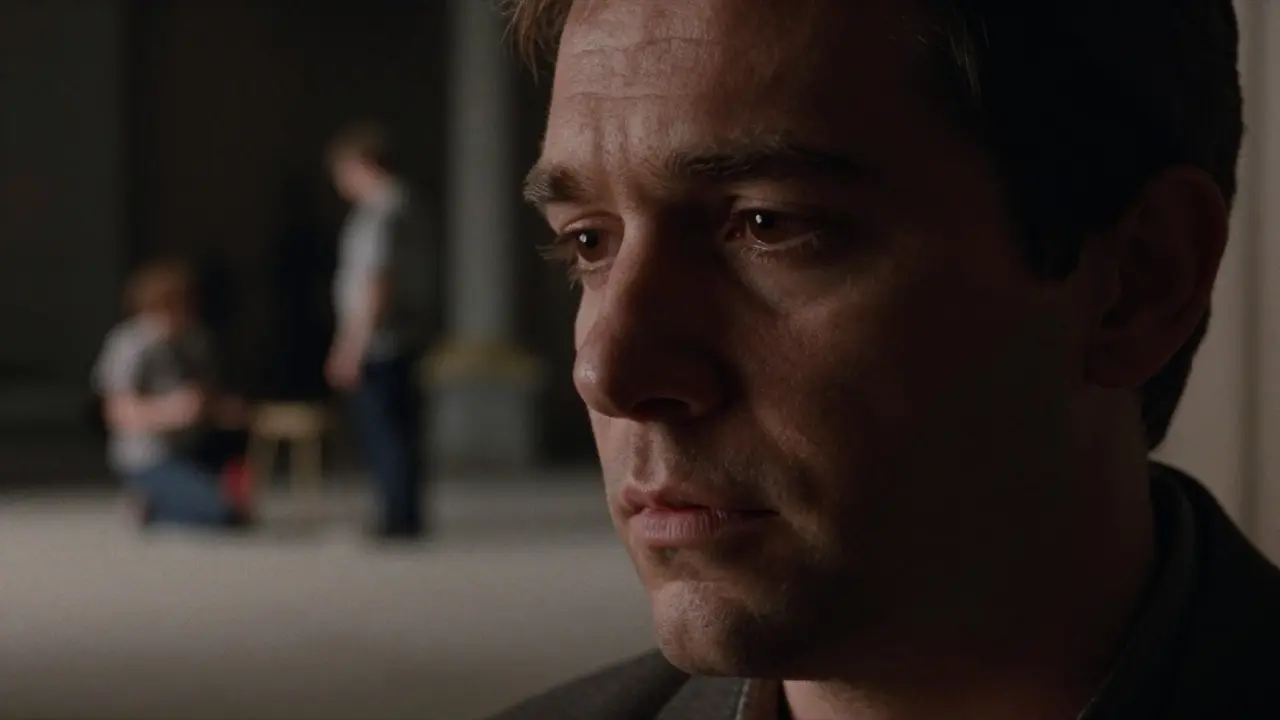
Transitioning from stage to screen involves mastering new tools. Lighting is the first major difference. Stage lighting is designed to illuminate performers for a darkened auditorium. Film lighting is designed to create mood and texture. A theater director must learn to work with natural light or subtle artificial sources that don't overpower the actor's face. Sound design is another critical area. In theater, sound effects are often stylized or symbolic. In film, sound is diegetic and realistic. The creak of a floorboard, the rustle of clothing, the ambient noise of a city street-these details add layers of authenticity that stage audiences rarely experience. Directors who embrace these sonic textures create films that feel immersive. They stop treating sound as an accompaniment and start using it as a primary storytelling element.
| Element | Stage Focus | Film Focus |
|---|---|---|
| Performance Style | Projective, sustained energy | Subtle, fragmented moments |
| Pacing | Continuous flow, real-time | Edited rhythm, variable speed |
| Lighting Purpose | Illumination and visibility | Mood, texture, and shadow |
| Audience Relationship | Shared communal experience | Intimate, individual observation |
The Role of Ensemble Casting
Theater directors are often experts in managing large groups of actors simultaneously. This skill translates well to Ensemble Casting in film. Instead of focusing solely on a lead protagonist, these directors know how to give every character a clear arc and purpose. This prevents the background characters from feeling like props. In many art films, the story is driven by the dynamics between multiple characters rather than a single hero's journey. A director with stage experience knows how to balance screen time and emotional weight across the cast. They understand that a supporting actor's quiet moment can be just as important as the lead's climax. This balanced approach creates a richer, more textured narrative landscape that rewards attentive viewers.
Common Pitfalls to Avoid
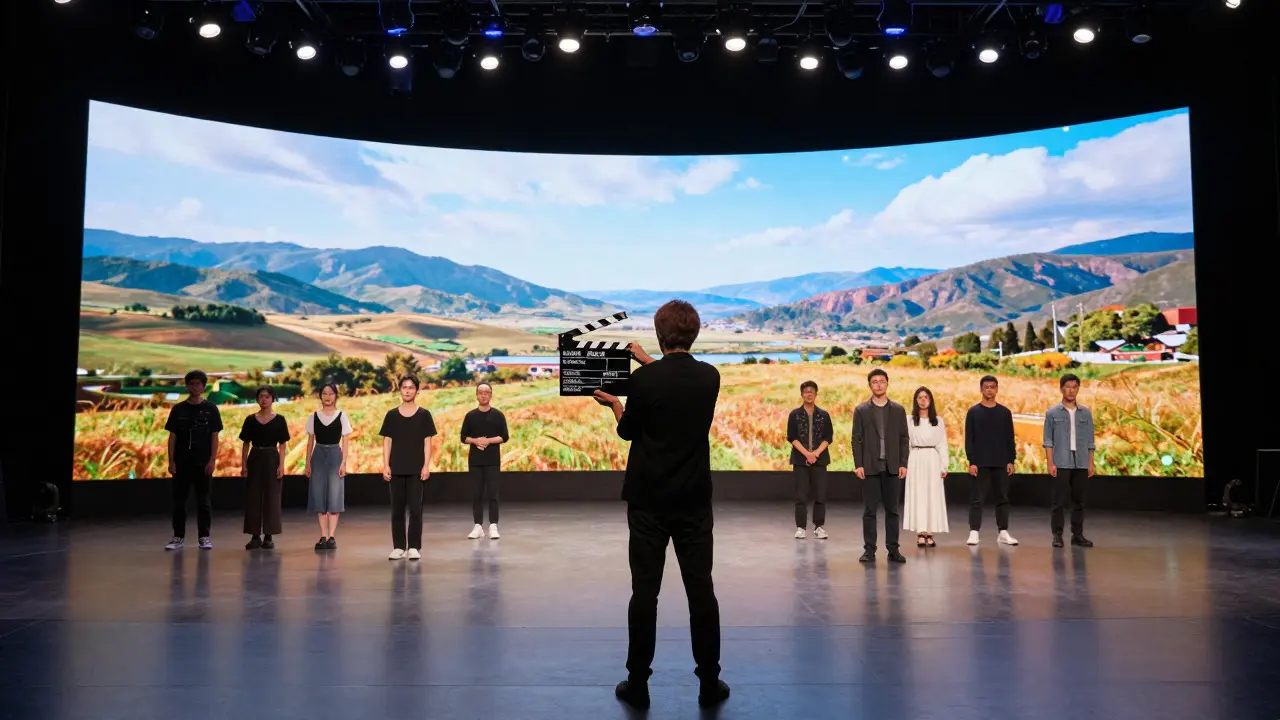
Not every crossover is successful. The most common mistake is refusing to adapt. Some directors try to shoot plays exactly as they would stage them, resulting in static, lifeless films that feel like recordings of a rehearsal. The lack of movement and variation can make the viewing experience tedious. Another pitfall is over-reliance on dialogue. While stage plays thrive on witty exchanges, films require visual motivation. If a scene consists entirely of two people talking without any physical action or environmental interaction, it risks becoming flat. Successful directors integrate physical business-handling objects, moving through spaces, reacting to the environment-to keep the visual element active. They remember that film is a visual medium first and a literary one second.
Future Trends in Cross-Media Direction
As technology advances, the line between stage and screen continues to blur. Virtual production sets allow directors to create environments that were previously impossible in either medium. This opens up new possibilities for stage-trained directors to experiment with scale and perspective. They can now combine the intimacy of a close-up with the grandeur of a sweeping landscape in a single shot. Moreover, streaming platforms are increasingly commissioning content that blends theatrical intensity with cinematic scope. Audiences are hungry for stories that feel authentic and emotionally resonant. Directors who can bridge the gap between live performance and recorded media are uniquely positioned to deliver this. They bring a respect for the craft of acting that is often missing in fast-paced, franchise-driven productions. As the industry evolves, we can expect to see more hybrid styles that honor both traditions.
Frequently Asked Questions
Do theater directors make better film directors?
They often produce more character-driven and emotionally nuanced films. However, they must adapt to the technical demands of editing and cinematography. Success depends on their willingness to learn new skills rather than sticking rigidly to stage methods.
What is the biggest difference between directing a play and a movie?
The biggest difference is the role of the camera and editing. In theater, the performance is continuous and live. In film, the director controls the pace through cuts, angles, and post-production, allowing for non-linear storytelling and intense focus on details.
How do stage directors handle lighting in film?
They typically shift from high-contrast, visibility-focused lighting to softer, mood-based lighting. They learn to use shadows to enhance emotion rather than just illuminating the actors for the audience.
Can a director succeed in both mediums simultaneously?
Yes, though it requires significant scheduling flexibility. Many directors alternate between projects to maintain fresh perspectives. The skills learned in one medium often enhance their work in the other, creating a feedback loop of improvement.
Why do some stage-to-screen transitions fail?
Failures usually stem from a lack of adaptation. If a director treats the film set like a stage, ignoring the power of the edit and the close-up, the result can feel static and disconnected. Embracing the unique strengths of cinema is essential for success.