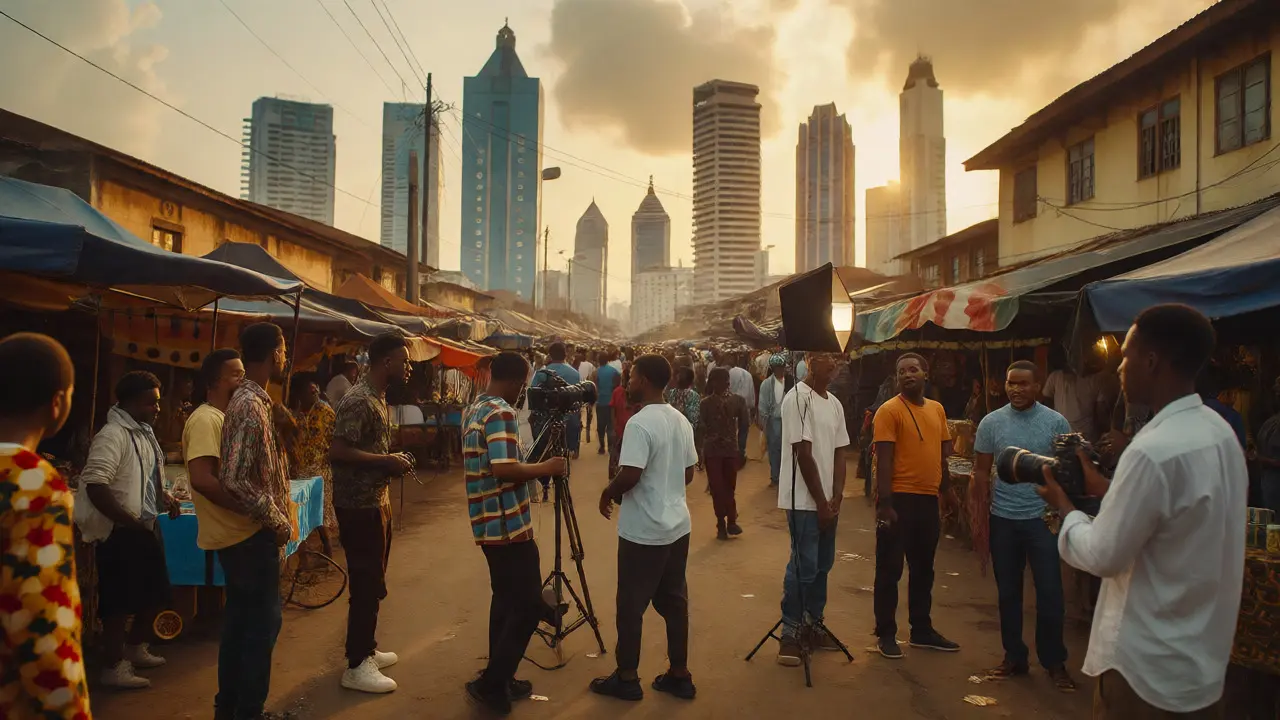
Think about the last time you watched a movie that didn't come from Hollywood, Bollywood, or perhaps a European arthouse theater. If you're under thirty, there's a decent chance it was a Nollywood production. This isn't just a niche curiosity anymore; it's a massive cultural shift happening right now. The term "Nollywood" itself is a bit of a misnomer-it doesn't refer to one studio in Los Angeles but rather the entire video-film industry of Nigeria. Yet, this label has become synonymous with speed, volume, and an undeniable raw energy that traditional studios struggle to replicate.
Why does this matter to you? Because the map of global entertainment is being redrawn. For decades, American media dominated the world stage. Now, Lagos is competing for your screen time. With over 2,500 films produced annually, Nigeria holds the second-largest film industry in the world by volume, trailing only India's Bollywood. But volume alone doesn't explain the surge. It's about accessibility, digital distribution, and stories that resonate across borders. Let's break down how this happened and why you should care.
The Evolution from VHS to Streaming Giants
To understand where Nollywood is going, you have to look at where it started. In the early 1990s, Nigerian filmmakers faced a simple problem: they had stories to tell but no infrastructure to show them. Cinema halls were crumbling, and getting into theaters was expensive. So, they bypassed the theaters entirely. They shot low-budget movies on consumer-grade cameras and distributed them directly to VHS tapes. This was revolutionary. It democratized filmmaking. You didn't need a million-dollar budget; you needed a camera, a script, and hustle.
This era, often called the "Old Nollywood," was defined by melodrama, supernatural themes, and family conflicts. Think of titles like Living in Bondage, which kicked off the boom in 1992. These films weren't polished, but they were authentic. They spoke directly to the Nigerian middle class, addressing issues like corruption, witchcraft, and upward mobility. Fast forward to today, and the landscape has shifted dramatically. The introduction of high-speed internet and smartphones changed everything. Platforms like Netflix, Amazon Prime Video, and Showmax began investing heavily in African content. Suddenly, a filmmaker in Lagos could reach a viewer in London or New York without leaving their apartment.
Why Global Audiences Are Hooked
You might wonder, why watch a Nigerian film if you don't speak Igbo, Yoruba, or Pidgin English? The answer lies in universal human experiences wrapped in specific cultural contexts. Nollywood excels at emotional storytelling. The plots often revolve around love, betrayal, ambition, and resilience-themes that transcend language barriers. Moreover, the aesthetic appeal has skyrocketed. Modern Nollywood films feature stunning cinematography, vibrant fashion, and dynamic soundtracks that rival mainstream productions.
Consider the success of The Wedding Party. Released in 2016, it became the highest-grossing Nigerian film of all time, earning over $700,000 domestically-a record-breaking figure for the local market. Its sequel, The Wedding Party 2, broke its own record. Why? Because it tapped into the universal chaos of wedding planning while showcasing the lavish, colorful traditions of Nigerian culture. Viewers abroad aren't just watching a foreign film; they're experiencing a celebration of life that feels both exotic and familiar.
Furthermore, the diaspora plays a crucial role. Millions of Nigerians live abroad, creating a built-in audience that supports these films emotionally and financially. But it's not just Nigerians watching. Non-African audiences are increasingly curious about African narratives, tired of the same old Western tropes. Nollywood offers a fresh perspective, challenging stereotypes and presenting Africa as modern, complex, and vibrant.
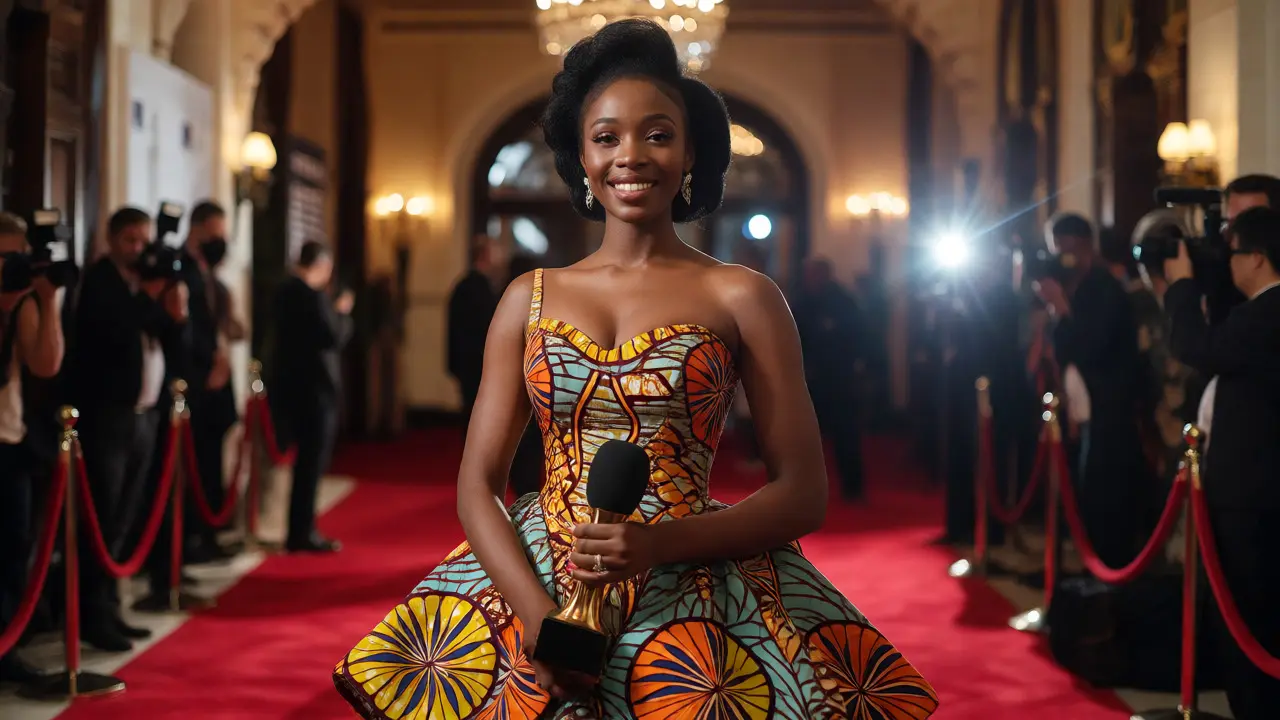
The Business Model: Speed, Scale, and Smart Distribution
One of the most striking aspects of Nollywood is its efficiency. Traditional Hollywood studios can take years to produce a single blockbuster. Nollywood producers often shoot, edit, and release a film in a matter of months. This agility allows them to respond quickly to trends and audience feedback. It’s a lean startup model applied to cinema.
Let's look at the numbers to see how this compares to other industries:
| Industry | Annual Production (Approx.) | Primary Market | Key Strength |
|---|---|---|---|
| Hollywood (USA) | ~800 | Global | High Budget & Technology |
| Bollywood (India) | ~1,500-2,000 | Domestic & Diaspora | Musical Integration |
| Nollywood (Nigeria) | ~2,500+ | Africa & Diaspora | Speed & Volume |
Notice the disparity in production volume. While Hollywood focuses on fewer, higher-quality blockbusters, Nollywood prioritizes quantity to capture attention. However, quality is catching up. As budgets increase due to streaming deals, the gap in production value is narrowing. Directors like Kunle Afolayan and Genevieve Nnaji are pushing the boundaries, producing films that compete on international festival circuits.
Distribution strategies have also evolved. Instead of relying solely on DVD sales, which were plagued by piracy, the industry has embraced digital platforms. Streaming services pay licensing fees, providing a steady revenue stream. This shift has incentivized better production values because investors want returns on their digital assets. Additionally, cinema releases are making a comeback in urban centers like Lagos and Abuja, offering premium viewing experiences that attract younger demographics.
Cultural Impact and Soft Power
Films are more than entertainment; they are soft power. Nollywood is reshaping how the world views Africa. For too long, Western media portrayed the continent through lenses of poverty, conflict, or safari documentaries. Nollywood counters this narrative by showing everyday life, professional careers, romantic relationships, and urban sophistication. It normalizes African excellence.
This cultural export influences fashion, music, and even tourism. When a character wears a specific Ankara print in a popular film, demand for that fabric spikes globally. Afrobeats artists, who often collaborate with filmmakers, gain further exposure through soundtrack placements. It’s a synergistic ecosystem where music, fashion, and film lift each other up. Brands like Nike and Coca-Cola have recognized this influence, partnering with Nollywood stars for marketing campaigns that target both African and global consumers.
Moreover, the rise of Nollywood inspires neighboring countries. Ghana, Kenya, and South Africa are seeing growth in their own film industries, partly fueled by the infrastructure and talent pool developed by Nigeria. This pan-African collaboration strengthens the region's collective voice in global media.

Challenges on the Road to Dominance
It’s not all smooth sailing. Despite the growth, Nollywood faces significant hurdles. Piracy remains a persistent issue, though less severe than in the VHS era. More pressing is the need for consistent quality control. With thousands of films released yearly, many suffer from poor scripting or acting, which can dilute the brand's reputation. Investors are becoming more selective, demanding higher standards before committing funds.
Another challenge is infrastructure. Reliable electricity, advanced post-production facilities, and trained technical staff are still in short supply compared to established hubs. Government support has been inconsistent, though recent initiatives aim to provide tax incentives and funding grants. Filmmakers often rely on private equity or personal savings, limiting the scale of some projects.
Finally, there’s the risk of homogenization. As global platforms invest, there’s pressure to make films that appeal to international tastes, potentially watering down local nuances. Balancing authenticity with commercial viability is a tightrope walk. Successful filmmakers navigate this by keeping core Nigerian values intact while adopting universal storytelling structures.
How to Get Started Watching Nollywood
If you’re new to this genre, jumping in can feel overwhelming given the sheer volume of content. Here’s a quick guide to help you find your footing:
- Start with Rom-Coms: Films like Till Death Do Us Part or Ijele offer lighthearted entry points with relatable humor.
- Explore Historical Dramas: Check out Black November or October 1 for serious, well-produced narratives about Nigeria’s past.
- Watch Thrillers: Phone Swap is a classic comedy-thriller hybrid that showcases the industry’s versatility.
- Follow Key Directors: Keep an eye on works by Kemi Adetiba, Femi Odugbemi, and Niyi Akinmolayan for cutting-edge storytelling.
Most of these films are available on major streaming platforms, often with subtitles in multiple languages. Don’t be afraid to skip around; the variety ensures there’s something for every taste.
What exactly is Nollywood?
Nollywood is the colloquial name for the Nigerian film industry. It is the largest film industry in Africa and the second largest in the world by number of movies produced. The name combines "Nigeria" and "Hollywood," reflecting its origins as a parallel industry to the US film hub.
Is Nollywood different from Hollywood?
Yes, significantly. While Hollywood relies on large budgets, extensive pre-production, and theatrical releases, Nollywood traditionally focused on direct-to-video distribution with smaller budgets and faster production cycles. Today, the lines are blurring as Nollywood adopts higher production values and global streaming distribution.
Where can I watch Nigerian movies?
You can watch Nollywood films on major streaming platforms like Netflix, Amazon Prime Video, Apple TV+, and specialized African platforms like Showmax and IROKOtv. Many films are also available on YouTube, either officially or via licensed channels.
Why are Nigerian films so popular?
Their popularity stems from relatable storytelling, vibrant visuals, strong emotional engagement, and the growing global interest in diverse cultural perspectives. The large Nigerian diaspora also provides a dedicated initial audience that helps boost visibility.
Do Nollywood films have subtitles?
Most modern Nollywood films released on international platforms include English subtitles. Since many films are in English, Pidgin, Yoruba, or Igbo, subtitles make them accessible to non-Nigerian viewers worldwide.






Comments(10)