The Future Pipeline: How Girls in Film Education Are Shaping the Industry

Joel Chanca - 17 Aug, 2026

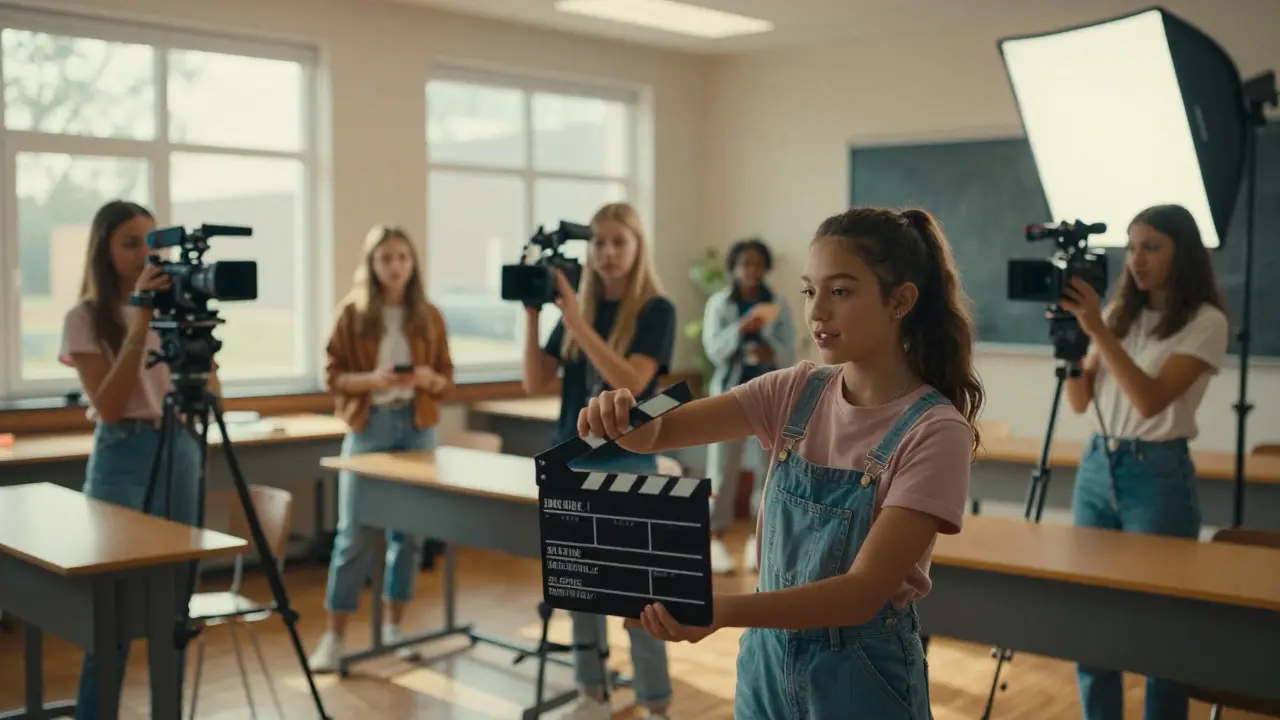
Walk into any major film festival in 2026 and you’ll notice a shift. The faces behind the cameras are changing. For decades, the industry relied on a narrow pipeline that filtered out half the population. Today, Girls in Film Education is a growing movement dedicated to identifying, nurturing, and supporting young female talent from middle school through university. It’s not just about adding names to credits; it’s about rewriting the visual language of storytelling. When we talk about the future of cinema, we aren’t guessing. We’re watching it happen in classrooms where a 14-year-old is editing her first short documentary or directing a scene with a smartphone.

Why the Traditional Pipeline Failed

To understand why specific programs are booming now, we have to look at what came before. Historically, film schools and studios operated on a "meritocracy" that often masked deep-seated bias. Young girls were rarely encouraged to pursue technical roles like cinematography or sound engineering. Instead, they were steered toward writing or producing, if they were invited to the table at all. This created a gap in the Women Filmmakers demographic, leading to stories told almost exclusively from male perspectives. The result? A lack of diversity in both subject matter and creative leadership. By targeting education early, today’s initiatives aim to fix this root cause rather than treating the symptoms later in careers.

The Core Components of Modern Workshops

Effective Film Workshops for girls focus on three pillars: technical confidence, narrative voice, and network building. These aren’t just weekend camps; they are structured learning environments designed to demystify the hardware and software of filmmaking.

  • Technical Hands-On Training: Students learn camera operation, lighting basics, and non-linear editing using industry-standard tools like DaVinci Resolve or Adobe Premiere Pro. The goal is to remove the fear of technology.
  • Narrative Development: Mentors help students find their unique stories. This involves scriptwriting exercises that encourage personal truth over generic plot structures.
  • Mentorship Networks: Connecting students with working professionals provides real-world insight. Seeing a woman director on set normalizes the career path.
These components work together to build a portfolio that serves as a springboard for higher education or entry-level industry jobs.

Case Study: The Asheville Model

In cities like Asheville, North Carolina, local arts councils and community colleges have partnered to create robust pipelines. One notable example involves a high school media program that partners with local independent theaters. Students don’t just make films for a grade; they screen them publicly. This public accountability boosts confidence and teaches the business side of distribution. The feedback loop from audiences-often including family members who never saw themselves reflected on screen-reinforces the value of diverse voices. This model proves that you don’t need a Hollywood budget to build a serious foundation in Diversity in Cinema.

Close-up of a young woman's hands editing video footage on a laptop in a dark room

Comparing Educational Approaches

Not all programs are created equal. Some focus heavily on theory, while others prioritize production volume. Here is how different approaches compare in terms of long-term career readiness:

Comparison of Film Education Models for Young Women
Model Type Focus Area Cost Structure Career Readiness Outcome
University Degree Programs Theory, History, Advanced Tech High (Tuition) Credibility, Academic Foundation
Community Workshops Practical Skills, Networking Low to Moderate Portfolio Building, Local Connections
Industry Internships On-Set Experience, Workflow Variable (Often Unpaid/Stipend) Professional References, Technical Proficiency
Online Bootcamps Software Mastery, Flexibility Moderate Digital Literacy, Remote Work Skills
The most successful candidates often blend these methods, starting with low-cost workshops to gain confidence, then moving to internships for practical experience, and finally pursuing formal education if needed for specific roles.

Overcoming Barriers: Cost and Access

A significant hurdle remains access. High-end equipment and tuition can be prohibitive. However, the rise of accessible technology has changed the game. A modern smartphone with a 4K camera and free editing apps allows a student to produce professional-quality content without a $5,000 camera body. Organizations are increasingly funding "loaner libraries" where students can borrow lenses and lights. Additionally, scholarships specifically targeted at underrepresented groups in media have grown by nearly 30% since 2023, making the financial barrier less insurmountable than it was a decade ago.
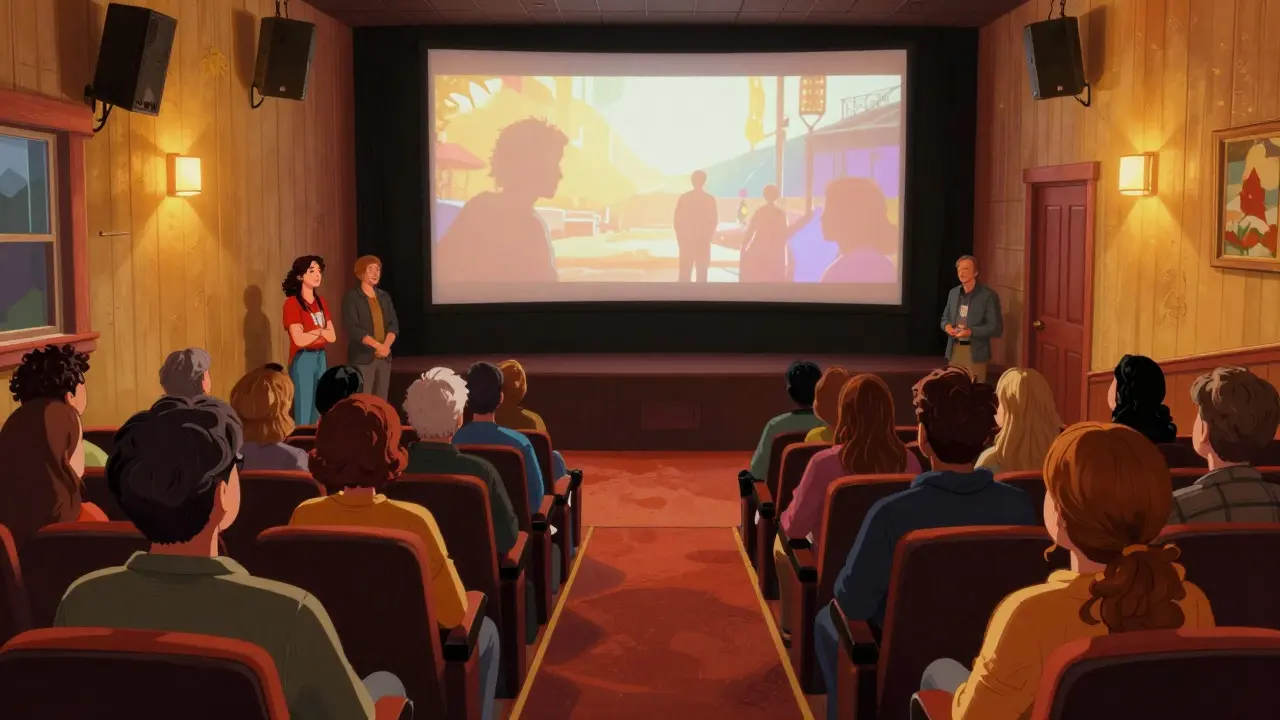
Diverse audience watching a film screening in a small community theater

The Role of Technology in Empowerment

Technology acts as an equalizer. When a girl learns to code a simple animation or master color grading, she gains a skill set that is highly marketable beyond traditional film roles. This intersection of STEM for Girls and creative arts opens doors to video games, virtual reality, and advertising. By framing film education as a tech-savvy career path, parents and educators become more supportive. The narrative shifts from "artistic hobby" to "technical profession," which validates the time and money invested in training.

What Comes Next for the Industry

The impact of these educational efforts is already visible in streaming platforms and independent festivals. Audiences are hungry for authentic representation. As this cohort of educated, technically proficient, and narratively confident young women enters the workforce, expect to see a surge in projects that challenge traditional genre conventions. The pipeline isn’t just filling up; it’s overflowing with fresh perspectives that will define the next era of visual storytelling.

What age should girls start film education?

There is no single right age, but middle school (ages 11-14) is often cited as the ideal starting point. At this stage, students are old enough to handle basic technology and collaborative tasks but young enough to shape their interests before stereotypes solidify. Early exposure helps normalize the field as a viable career option.

Do I need expensive equipment to start?

No. Most modern smartphones offer sufficient resolution for short-form content. The focus should be on composition, lighting, and storytelling rather than hardware specs. Free or low-cost software like DaVinci Resolve or iMovie is perfectly adequate for beginners to learn editing workflows.

How do workshops differ from university degrees?

Workshops are typically shorter, more practical, and focused on immediate skill acquisition and networking. University degrees provide deeper theoretical knowledge, historical context, and a formal credential. Many successful filmmakers combine both, using workshops to build a portfolio before applying to competitive degree programs.

What are the biggest barriers to entry for young women?

The two primary barriers are cost and social perception. Financial constraints limit access to paid programs and equipment. Socially, some girls may still feel that technical roles are "not for them." Mentorship and visibility of role models are key to overcoming these psychological hurdles.

How can parents support their daughter’s interest in film?

Parents can support by providing access to devices, encouraging participation in local clubs or online communities, and celebrating small wins like finishing a short edit. Attending screenings of their work shows genuine interest and reinforces the value of the effort involved in production.

Comments(9)

Barry Wilson

Barry Wilson

August 18, 2026 at 15:24

It is genuinely refreshing to see the conversation shifting from mere representation in credits to the structural integrity of the educational pipeline itself. For decades, we have debated the output without sufficiently examining the input mechanisms that dictate who gets to hold the camera. The Asheville model mentioned here is a compelling example of how community integration can serve as a more effective incubator than isolated academic silos. When young women are exposed to technical roles like cinematography and sound engineering at an early age, it dismantles the implicit bias that these fields are inherently male domains. This normalization process is critical for long-term industry health. We must recognize that diversity in leadership is not just a moral imperative but a creative necessity that drives innovation. The collaboration between local arts councils and high schools demonstrates a sustainable path forward that does not rely on massive corporate sponsorship alone. It fosters a sense of ownership and accountability among the students, which is often lacking in purely theoretical curricula. As global audiences become more discerning, the demand for authentic storytelling will only increase. Investing in these grassroots initiatives is an investment in the future cultural capital of the region. It bridges the gap between artistic passion and professional viability in a tangible way.

Veda Lakshmi

Veda Lakshmi

August 19, 2026 at 06:55

this whole article feels like its selling a dream that doesnt exist outside the west.
we dont have those fancy workshops or loaner libraries here.
just me and my phone trying to make something out of nothing.
its wild how they talk about 'barriers' like its just money.
sometimes its just the vibe in the room.
but yeah nice post i guess.

Vishwajeet Kumar

Vishwajeet Kumar

August 21, 2026 at 00:45

yeah sure its all about 'diversity' and 'pipeline' stuff
bet the studios are still just looking for the same old white guys with a new coat of paint
who actually cares if some kid edits a video on a smartphone? nobody.
they want blockbusters not indie short films about feelings
the real conspiracy is that they let you think this matters so you stop asking why your tax dollars go to rich directors
keep dreaming though

Jon Vaughn

Jon Vaughn

August 21, 2026 at 02:37

One must consider the profound psychological impact of such institutional changes, which inevitably reshape the very fabric of our societal norms regarding gender and creative authority. It is not merely a matter of adding individuals to existing structures, but rather a fundamental reimagining of how narrative power is distributed and exercised within the collective consciousness of the audience. When we examine the historical precedents, we find that every significant shift in artistic dominance has been accompanied by a period of intense skepticism and resistance from the established guard, yet history consistently favors the emergent voices that bring fresh perspectives to the table. The notion of meritocracy, as discussed in the text, is indeed a complex construct that often serves to obscure systemic advantages, thereby necessitating a more nuanced approach to talent identification and cultivation. Furthermore, the integration of technology as an equalizer cannot be overstated, as it democratizes access to tools that were previously the exclusive domain of the wealthy elite, thus leveling the playing field for aspiring creators from diverse backgrounds. This technological empowerment extends beyond the realm of film into adjacent industries such as virtual reality and interactive media, suggesting a broader trajectory of career opportunities for those who master these skills early in their educational journey. The economic implications of such a shift are substantial, as a more diverse workforce tends to produce content that resonates with a wider demographic, ultimately driving greater commercial success and cultural relevance. Therefore, we should view these educational initiatives not as charitable endeavors, but as strategic investments in the future intellectual property portfolio of the entire industry. The feedback loops created by public screenings and community engagement further reinforce the value of these programs, creating a self-sustaining ecosystem of support and inspiration. In conclusion, the path forward requires a sustained commitment to both practical skill development and theoretical grounding, ensuring that the next generation of filmmakers is equipped to navigate the complexities of modern media landscapes with confidence and clarity.

Steve Merz

Steve Merz

August 22, 2026 at 11:21

I totally agree with the point about starting in middle school! It's so important to normalize these roles before stereotypes set in. I've seen firsthand how much confidence a simple mentorship program can boost in young creatives. The idea of using smartphones instead of expensive cameras is also a game changer for accessibility. It really levels the playing field for families who might not have the budget for high-end gear. Plus, the STEM angle makes it easier to get parental buy-in, which is crucial for long-term support. I hope more schools adopt this hybrid approach soon!

Andrew Maye

Andrew Maye

August 22, 2026 at 18:43

You hit the nail on the head there! The combination of technical training and narrative voice is exactly what's missing in many traditional programs. I love how the article highlights the importance of network building; it's often overlooked but essential for breaking into the industry. The Asheville case study is a perfect example of how local partnerships can create real-world opportunities for students. It's inspiring to see such a structured approach to nurturing talent from a young age. Here's to more inclusive pipelines in the future!

Kai Gronholz

Kai Gronholz

August 23, 2026 at 15:55

Agreed. The data supports this.

Anthony Beharrysingh

Anthony Beharrysingh

August 23, 2026 at 16:21

Let's be honest, most of these kids won't survive the first year of a real production schedule. They're spoiled by easy tech and zero accountability. The industry doesn't need more 'voices', it needs professionals who can deliver on time and under budget. This whole movement is just a popularity contest for people who can't handle the pressure of a working set. Stop coddling them and start teaching them discipline.

Scott Kurtz

Scott Kurtz

August 25, 2026 at 06:42

oh look another one of those feel-good pieces about how we're saving the world with some shiny new workshop
let's not forget that the 'meritocracy' was just a polite way of saying 'you need to know someone'
now we're just swapping the old boys club for a new girls club with better lighting and free snacks
the real issue isn't who holds the camera it's who owns the distribution rights
until then we're just rearranging deck chairs on the titanic of mediocrity
but hey keep up the good work pretending this changes anything substantive

Write a comment