For decades, if you wanted to see a gay character on screen, you had to accept one of two roles: the tragic victim or the comic relief. The era of LGBTQ+ cinema as a niche genre defined by tragedy is over. Today, queer characters are leads in blockbusters, parents in family dramas, and complex individuals in every genre imaginable. This shift didn't happen overnight; it was a slow, often painful climb from marginalization to mainstream acceptance.
The journey of how Hollywood portrays queer people reflects broader societal changes. It’s not just about who gets cast, but how those characters are written, lit, and valued within the narrative. Understanding this evolution helps us see where we’ve been and where the industry is heading next. We’re moving past the "special episode" phase into an era where being LGBTQ+ is simply part of the human experience depicted on screen.
Key Takeaways
- Hollywood representation has shifted from stereotypical villains and victims to nuanced, multi-dimensional protagonists.
- The "Bury Your Gays" trope, once a dominant narrative device, has significantly declined in recent years, though it still lingers in specific genres.
- Inclusive casting and behind-the-scenes diversity have driven more authentic storytelling than script changes alone.
- Modern films increasingly treat LGBTQ+ identities as normal aspects of character development rather than the sole source of conflict.
- The rise of streaming platforms has accelerated the normalization of queer stories by providing space for both blockbuster and indie narratives.
The Early Years: Stereotypes and Silence
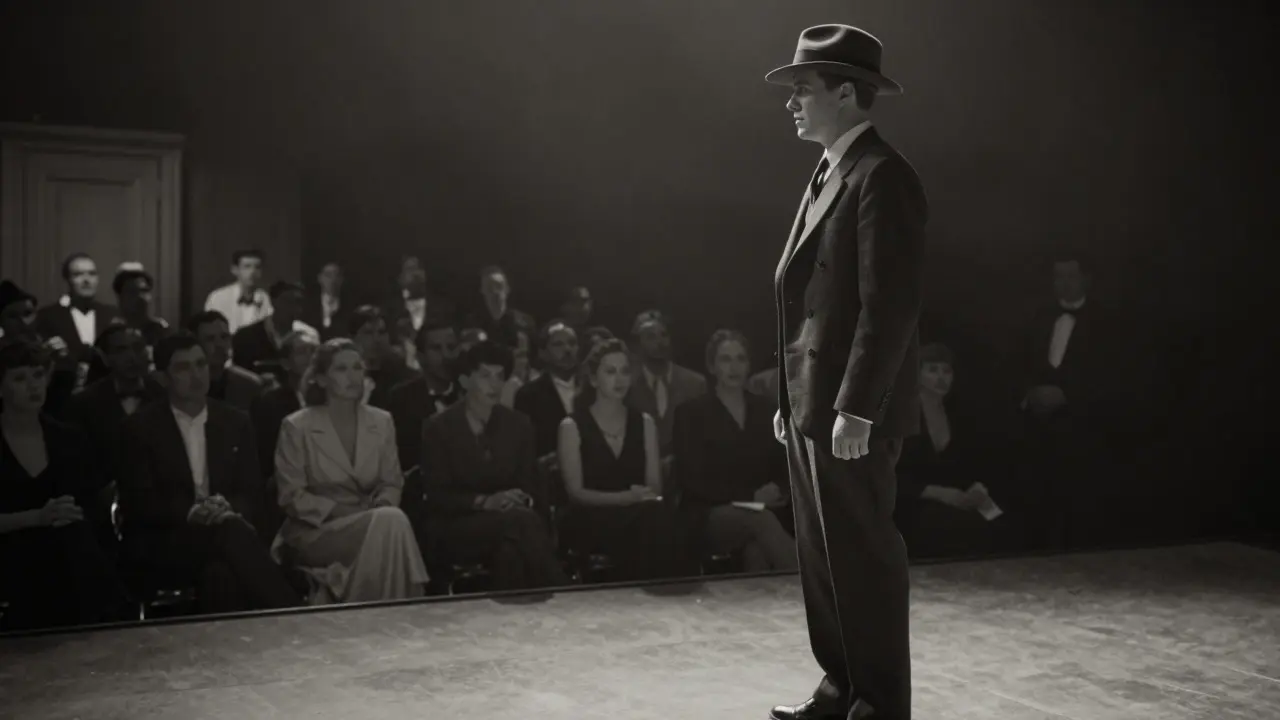
In the mid-20th century, the Motion Picture Code dictated strict rules on what could be shown. Homosexuality was rarely named outright. Instead, audiences relied on coded language and visual cues. A man wearing a hat might signal he was gay; a woman with short hair might imply she was a lesbian. These weren't characters; they were archetypes. The "Sissy Boy" and the "Butch Woman" were stock figures designed to be mocked or pitied, never fully realized as people.
This era established a baseline that took decades to break. The lack of visibility meant that many viewers had no reference point for what real LGBTQ+ lives looked like. When these characters did appear, they were often peripheral-servants, sidekicks, or antagonists. Their storylines existed to serve the heterosexual protagonist's journey, not their own. This foundational period set the stage for everything that followed, creating a cultural memory that lingered long after the code was abolished.
The Breakthrough Era: Visibility and Vulnerability
The 1970s and 80s brought the first wave of visible queer cinema. Films like Weekend (1968) and later Moonstruck (1987) began to crack open the door. However, this era was defined by vulnerability. Characters were often isolated, hiding their identities from family and society. The narrative tension came from the fear of discovery. If you were caught, you lost your job, your family, or your life.
This period also saw the emergence of the AIDS crisis as a central theme. Films like Philadelphia (1993) and Angels in America (adapted for stage and discussed in film contexts) forced the mainstream audience to confront a crisis that was largely ignored by the government. While powerful, these stories reinforced the idea that queer existence was inherently linked to suffering. To be gay was to be sick, lonely, or doomed. This association became so strong that it shaped audience expectations for decades.
The Trope That Refused to Die: Burying Your Gays
You’ve probably heard the phrase "Bury Your Gays." It refers to the statistical tendency in Hollywood to kill off LGBTQ+ characters before the end credits roll. For a long time, this wasn't just a joke; it was a pattern. In horror movies, the gay friend was almost always the first to die. In dramas, the queer love interest would leave or pass away, allowing the straight protagonist to move on.
Why did this happen? Partly, it was because writers didn't know how to write a happy ending for a queer character without making it feel "preachy" to a skeptical audience. Killing them was a safe way to resolve the tension. But as audiences grew more educated and demanding, the trope started to feel less like drama and more like bias. Recent data suggests that while the trend has slowed, it hasn't disappeared entirely. It persists most strongly in genres where stakes are high and budgets are low, such as independent thrillers.
Behind the Camera: Why Authenticity Matters
Script changes only go so far. The biggest leap in quality came when LGBTQ+ people got seats at the table. When queer directors, producers, and writers began shaping projects, the nuance improved dramatically. They understood the small details-the way a couple talks, the specific fears they hold, the joy they find in everyday moments-that outsiders often missed or got wrong.
This shift isn't just about political correctness; it's about craft. An authentic perspective adds layers to a character that a generic writer might overlook. For example, the portrayal of aging queer couples in recent films feels grounded because the creators understand the unique challenges of growing up together in a society that didn't always recognize their union. This behind-the-scenes diversity has become a key indicator of whether a film will resonate with its target audience or feel hollow.
Modern Mainstream: Normalization in Action
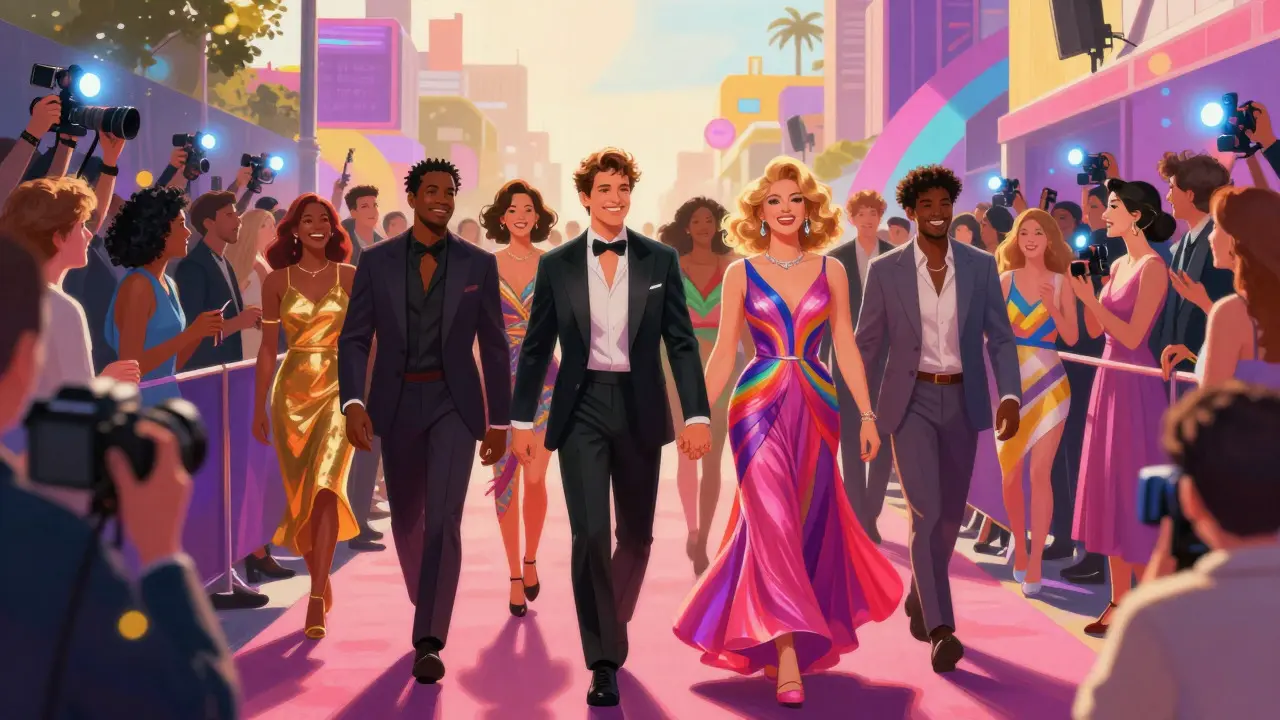
Today, we are seeing a new standard. LGBTQ+ characters are no longer defined solely by their sexuality. They are lawyers, doctors, soldiers, and artists who happen to be queer. The conflict in their stories comes from external plot points-career struggles, family dynamics, crime-not just their identity. This is the hallmark of true normalization.
Blockbusters now feature queer leads without apology. Superhero movies, rom-coms, and action franchises all include diverse casts. The marketing strategies have changed too; posters highlight the romance between same-sex partners with the same prominence given to heterosexual couples. This visual parity sends a clear message: these relationships are equal, valid, and central to the story.
The Role of Streaming and Global Audiences
Streaming services have played a massive role in accelerating this change. Unlike traditional theaters, which rely on broad appeal to maximize ticket sales, streaming platforms can cater to specific niches. This allows for a wider variety of stories to find an audience. A film about a trans teen in a rural town can succeed on a platform even if it wouldn't get a wide theatrical release. This financial safety net encourages studios to take risks on authentic stories.
Furthermore, global audiences have influenced Hollywood standards. As international markets grow, studios realize that diverse representation appeals to a broader demographic. What works in New York resonates in Seoul, London, and Sydney. This global perspective pushes production companies to avoid outdated tropes that might offend or alienate parts of their viewer base.
Challenges Remaining: The Road Ahead
Despite the progress, hurdles remain. Transgender representation, in particular, has lagged behind cisgender gay and lesbian portrayals. Many trans characters are still played by non-trans actors, leading to criticism about authenticity. There is also a gap in representing older LGBTQ+ individuals; the majority of prominent roles are still given to young adults. Expanding the age range and gender spectrum of characters is the next logical step for the industry.
Additionally, the "tokenism" problem persists. Sometimes, a studio will add a queer character to a cast list to check a box, but the character remains underdeveloped. True representation requires depth, not just presence. As audiences become more discerning, they will continue to demand that these characters be treated with the same weight and complexity as any other lead.
Frequently Asked Questions
What is the most significant change in LGBTQ+ film representation in the last decade?
The most significant change is the shift from defining characters by their identity to treating it as one aspect of their personality. Queer characters are now protagonists in major genres like sci-fi and action, rather than being confined to dramas or comedies focused solely on their coming-out stories.
Does inclusive casting actually improve the quality of a film?
Yes, studies and audience reception suggest that inclusive casting leads to higher engagement and critical acclaim. When people see themselves represented authentically, they connect more deeply with the story. It also reduces the risk of cultural missteps that can distract viewers from the narrative.
Why do some critics argue that Hollywood still relies on stereotypes?
Critics point out that while surface-level diversity has increased, deep-seated biases remain. Some characters are still written with exaggerated traits for comedic effect, or their stories revolve around overcoming prejudice rather than living their lives. This suggests that progress is uneven across different studios and genres.
How has the decline of the "Bury Your Gays" trope impacted storytelling?
It has allowed for more varied and hopeful endings. Writers are no longer pressured to use death as the ultimate resolution for queer conflict. This opens the door for stories about long-term relationships, family building, and career success, mirroring the full spectrum of human experiences available to heterosexual characters.
What role do streaming platforms play in promoting LGBTQ+ films?
Streaming platforms provide a lower-risk environment for diverse stories. Because they don't rely on opening weekend ticket sales, they can invest in niche narratives that might not perform well in theaters. This has led to a surge in high-quality, authentic LGBTQ+ content that reaches millions of homes globally.



Comments(8)