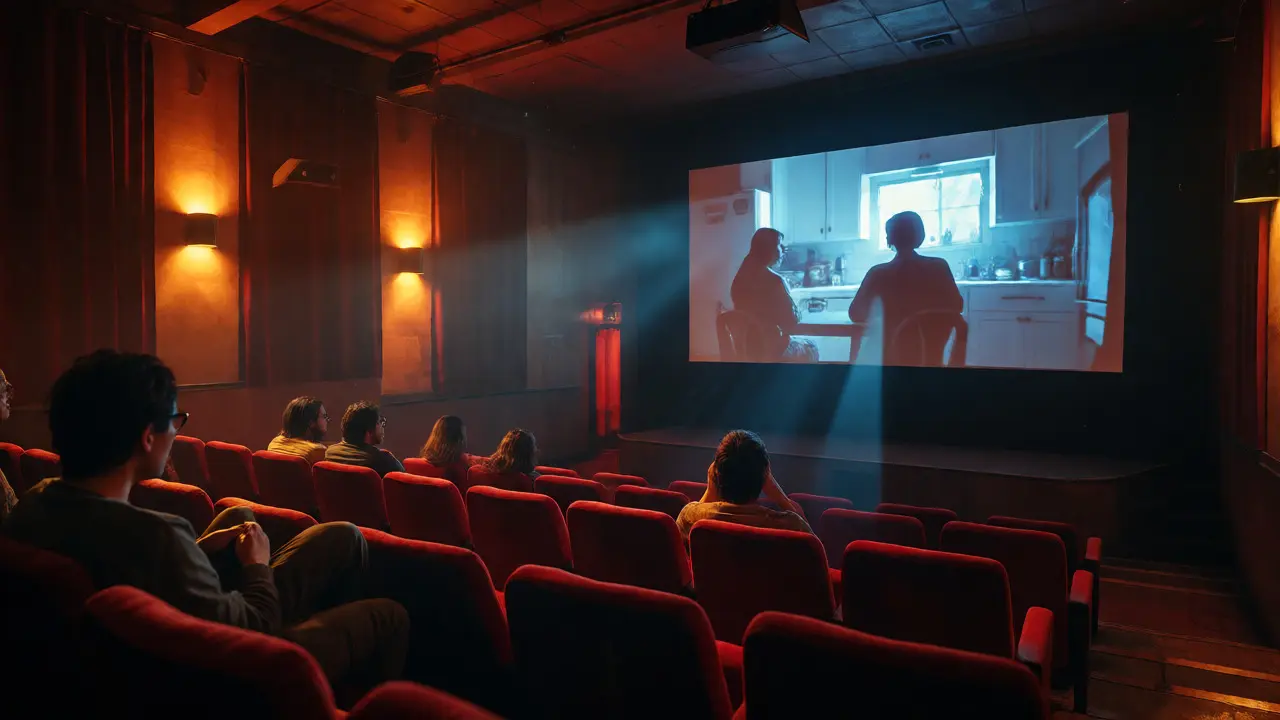
You walk into a dark theater in Asheville or Brooklyn. The screen flickers to life. No explosions, no superheroes saving the world. Just two people talking in a kitchen for ninety minutes. You love it. But did you know that for every dollar this movie made at the box office, the distributor likely lost money on marketing? That is the paradox of Art House Cinema. It thrives on cultural prestige but starves on traditional profit margins.
If you are an indie filmmaker, a student of media economics, or just curious about why your favorite foreign film vanished from theaters after one week, this breakdown is for you. We are not talking about Hollywood blockbusters here. We are digging into the fragile ecosystem where A24, Neon, and MUBI operate. How do they survive? Why does a $5 million budget film need 500 screens to break even? And what happens when streaming platforms stop paying premium licensing fees?
The High Cost of Being Niche
Let’s start with the hard numbers. In mainstream cinema, a wide release means opening on 3,000+ screens simultaneously. This spreads marketing costs across millions of tickets. Art House Cinema distribution works differently. It relies on a "platform release." You open in New York and Los Angeles. If critics rave and audiences show up, you expand slowly. This saves money upfront but limits total revenue potential.
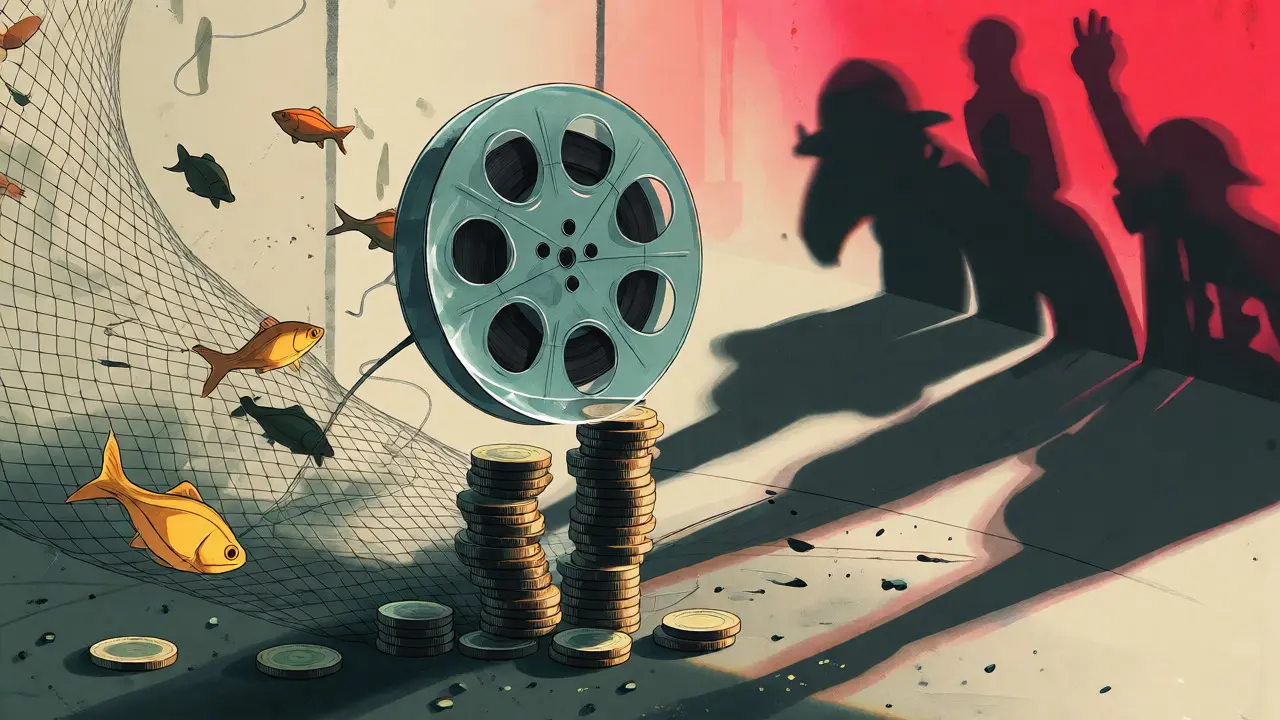
Why is this expensive? Because art house films require targeted marketing. You cannot buy a generic Super Bowl ad. You need curated social media campaigns, partnerships with literary festivals, and appearances by directors at small Q&A sessions. According to data from the National Association of Theatre Owners (NATO), marketing spend per screen for limited releases can be three times higher than for wide releases because the audience is harder to find. You are fishing with a spear, not a net.
Consider the case of *Parasite* before its Oscar win. It opened on four screens. By expanding gradually based on word-of-mouth, it eventually reached over 1,000 screens. But most art house films never get that luck. They plateau quickly. The cost-per-acquisition for a ticket buyer is brutal. If you spend $20 to get someone to watch a $12 ticket, you are already losing money before sharing revenue with the theater.
The Revenue Split: Who Gets Paid?
This is where many filmmakers get burned. The standard split between distributors and exhibitors (theaters) has shifted dramatically. In the 1990s, a 60/40 split favoring the distributor was common for major hits. Today, for art house films, theaters often demand a 50/50 split, or even worse, a flat rental fee.
Here is how the money flows:
- Ticket Price: Let’s say $15.
- Theater Cut: The theater keeps roughly 50% ($7.50).
- Distributor Cut: The distributor gets $7.50.
- Filmmaker Advance: The distributor recoups their marketing and acquisition costs first.
- Royalties: Only after recoupment does the filmmaker see royalties, if ever.
For a small indie film acquired for $500,000 at Sundance, the distributor needs to generate $1 million in gross box office just to break even on the deal. Most art house films gross under $200,000 domestically. So, who pays the bills? International sales and home entertainment rights. But those markets are shrinking too.
| Feature | Wide Release (Blockbuster) | Platform Release (Art House) | Day-and-Date (Hybrid) |
|---|---|---|---|
| Initial Screens | 3,000+ | 4-10 | Varies |
| Marketing Focus | Broad Awareness | Critical Acclaim/Niche Targeting | Social Buzz |
| Revenue Peak | Opening Weekend | Weeks 3-6 (Word of Mouth) | Immediate Streaming Views |
| Theater Relationship | High Leverage for Studios | Low Leverage for Distributors | Often Bypasses Theaters |
| Break-Even Threshold | $50M+ Global | $1M-$5M Domestic | Licensing Fee Dependent |
The Streaming Disruption
A decade ago, home video was the safety net. A film might lose money in theaters but make it back on DVD rentals. Then Netflix arrived. Initially, streamers paid massive premiums for exclusive content. Now, they are cutting budgets. The era of "prestige TV" funding risky films is ending.
Platforms like Criterion Channel and MUBI still support art house cinema, but their business model differs from Netflix. MUBI, for example, operates on a subscription model with a curated library. They pay licensing fees rather than acquiring full rights. This provides steady income for older titles but little upside for new releases.
What does this mean for distribution economics? It creates a "long tail" problem. In the past, a film had a clear lifecycle: Theatrical → Home Video → TV Licensing. Now, these windows collapse. A film might premiere on Apple TV+ and skip theaters entirely. While this guarantees payment, it kills the cultural momentum needed for awards season. And without awards buzz, international sales drop. It is a vicious cycle.
Furthermore, streaming algorithms favor retention, not discovery. An algorithm will recommend another romantic comedy to someone who watched one. It rarely recommends a challenging Korean drama unless the user explicitly seeks it. This makes organic growth for art house films nearly impossible on major platforms.
The Role of Festivals as Marketplaces
If you want to understand art house economics, look at Cannes, Venice, and Toronto. These are not just celebrations of cinema; they are stock exchanges. Buyers from around the world sit in screenings, ready to write checks.
The value of a festival premiere is tangible. A film premiering in Competition at Cannes can command a 300% higher minimum guarantee (MG) from US distributors than one premiering at a regional festival. Why? Because the festival brand acts as a quality signal. It reduces risk for the distributor.
However, this system excludes many talented filmmakers. Getting into top-tier festivals is a lottery. If your film misses out, you rely on smaller markets like Slamdance or SXSW. Prices there are lower. Sometimes, distributors offer "all-rights" deals for low six-figure sums, betting on viral marketing to drive returns. This shifts all the financial risk to the distributor, which explains why they are so cautious.
International Sales: The Hidden Engine
Domestic box office is often secondary for art house films. The real money lies in international pre-sales. Before a film is even finished, sales agents pitch clips to buyers in France, Germany, Japan, and South Korea.
France remains a critical market for auteur cinema due to state subsidies and a strong culture of theatrical attendance. A well-placed French release can cover 40% of a production budget. Conversely, the US market is saturated with content. Trying to compete for attention against Marvel movies in North America is a losing battle for most indies.
This geographic diversification helps stabilize cash flow. If the US release flops, the German release might succeed. But this requires complex legal agreements and multiple local marketing partners. For a small distributor, managing ten different territories is a logistical nightmare that eats into profits.

Surviving the Squeeze: New Strategies
So, how do companies keep the lights on? They innovate. Some adopt a "micro-distribution" model. Instead of fighting for shelf space in multiplexes, they partner with boutique chains like Alamo Drafthouse or IFC Center. These venues have loyal audiences willing to pay premium prices for curated experiences.
Others focus on ancillary revenue streams. Merchandise, soundtrack sales, and educational licensing to universities have become significant income sources. A documentary about climate change, for instance, might earn more selling screening rights to high schools than it does from public theatrical runs.
Finally, direct-to-consumer models are gaining traction. Filmmakers use platforms like Vimeo On Demand to sell rentals directly to viewers, bypassing distributors entirely. This cuts the middleman but requires the filmmaker to handle all marketing. It works best for established names with existing fanbases.
Key Takeaways
- High Risk, Low Margin: Art house distribution relies on targeted, expensive marketing with limited scale economies.
- Theatricals Are Loss Leaders: Many films only play in theaters to qualify for awards and boost streaming/streaming value.
- Streaming Has Changed the Game: Premium licensing fees are down, forcing distributors to rely on long-tail catalog revenue.
- International Markets Matter More: Pre-sales to Europe and Asia often fund the bulk of production budgets.
- Festival Prestige Equals Value: Premiering at Cannes or Venice significantly increases a film's market price.
Why do art house films open on so few screens?
Art house films use a platform release strategy to minimize marketing costs. Opening on 4-10 screens allows distributors to gauge audience interest through word-of-mouth and critic reviews. If the film performs well, they expand to more cities. This prevents wasting money on wide-release advertising for films with niche appeal.
Do filmmakers make money from theatrical releases?
Rarely. Most art house filmmakers receive an advance from the distributor, which covers their production costs. Theatrical revenue goes toward recouping the distributor's marketing expenses first. Royalties from box office sales are uncommon unless the film becomes a massive breakout hit like *Moonlight* or *Everything Everywhere All At Once*.
How has streaming affected art house cinema distribution?
Streaming has shortened theatrical windows and reduced the profitability of home video. While platforms like Netflix and Amazon Prime provide funding, they often demand global exclusivity, limiting international sales opportunities. Additionally, algorithm-driven recommendations make it harder for unconventional films to gain organic visibility compared to genre films.
What is the role of film festivals in distribution?
Festivals serve as primary marketplaces for buying and selling rights. A successful premiere at major festivals like Sundance, Cannes, or Toronto generates buzz, attracts press coverage, and triggers bidding wars among distributors. This festival validation significantly increases the minimum guarantee offered to filmmakers.
Is the theatrical experience dying for art house films?
No, but it is changing. Theatrical releases remain crucial for awards eligibility and cultural impact. However, fewer films are getting wide domestic releases. Instead, we see more hybrid models where films have limited theatrical runs followed quickly by streaming availability. Boutique theaters continue to thrive by offering community-focused events and Q&As.



Comments(7)