
For decades, the rule was simple: if you wanted to watch a new movie at home, you had to wait. That wait wasn't just a suggestion; it was a legal barrier enforced by the major studios. This period, known as the theatrical window, typically lasted 90 days. It defined how audiences experienced cinema from the 1950s through the early 2000s, shaping everything from box office strategies to the economics of Hollywood.
Understanding this model is crucial for anyone interested in the history of media consumption. It wasn't just about keeping people away from living rooms; it was a calculated economic strategy that protected the primary revenue stream of theatrical exhibition. Today, with streaming services releasing films simultaneously or even exclusively online, the 90-day rule feels like ancient history. But its legacy still echoes in current distribution deals and the ongoing battle between theaters and platforms.
The Origins of the 90-Day Rule
To understand why the 90-day window existed, we have to look back at the 1948 United States v. Paramount Pictures Supreme Court case. Before this ruling, the "Big Five" studios owned their own theaters. They controlled every step of the process: production, distribution, and exhibition. This vertical integration meant they could dictate exactly when and where a film played.
The court ruled that this monopoly was illegal, forcing studios to sell their theater chains. Suddenly, the relationship between studios and exhibitors became more complex. Theaters were now independent businesses that needed a reason to keep showing films. Studios needed a way to ensure that the most profitable period-the initial release-happened in theaters, not on TV or in living rooms.
The 90-day window emerged as the industry standard solution. It gave theaters a guaranteed exclusivity period. During these three months, no other form of home viewing was legally permitted. This created a sense of urgency and event-like status around new releases. Audiences knew that if they missed it in the theater, they might have to wait months to see it anywhere else.
How the Window Worked in Practice
The mechanics of the traditional window were straightforward but rigid. Once a film opened in theaters, the clock started ticking. For 90 days, the only legal way to view the film outside of a cinema was through limited exceptions, such as airline screenings or educational use. Home video formats like VHS, LaserDisc, or later DVD were off-limits.
This structure heavily influenced marketing and release strategies. Studios would schedule big-budget blockbusters during peak seasons-summer and holidays-to maximize the impact of this exclusivity. The first weekend numbers became a critical metric, as they often determined whether a film would stay in theaters long enough to recoup its costs before moving to the next stage.
Exhibitors also benefited from this model. Theatrical chains could negotiate better terms with studios because they held the exclusive rights for a set period. This allowed them to plan their programming schedules with greater certainty. A hit film could run for weeks or months, generating steady income without the threat of immediate home competition.
The Economic Rationale Behind Exclusivity
Why did both sides agree to this arrangement? The answer lies in consumer psychology and revenue maximization. Studies in behavioral economics suggest that scarcity increases perceived value. By limiting access to a single venue for a specific time, studios made going to the movies feel like a special occasion rather than a routine activity.
From a financial perspective, the theatrical ticket price was significantly higher than the cost of renting or buying a home video copy. If a viewer waited 90 days, they paid less for the same content. The 90-day window ensured that those who valued immediacy and the communal experience paid the premium price. This tiered pricing model allowed studios to capture maximum revenue from different segments of the audience.
Additionally, the window provided a clear signal for secondary markets. Once a film left theaters, its cultural relevance often peaked. Moving it to home video shortly after helped maintain momentum. If the gap was too short, the theatrical buzz might die down prematurely. If it was too long, audiences might lose interest entirely. Ninety days struck a balance that worked for decades.

The Rise of Home Video and Early Challenges
The introduction of home video technology in the late 1970s and early 1980s began to test the limits of the 90-day rule. Formats like Betamax and VHS offered consumers a new way to enjoy films. However, studios fiercely defended the window, using contractual agreements to prevent early releases.
Despite these efforts, piracy became a growing issue. Fans would record movies from broadcast television or share tapes illegally. While not an official part of the distribution chain, this underground market highlighted the tension between strict control and consumer demand. As video quality improved and prices dropped, the incentive to wait for the legal release diminished.
In the 1990s, the rise of cable television further complicated the landscape. Premium channels like HBO and Showtime began acquiring rights to films shortly after their theatrical runs. This created a new "window" between theaters and home video. Some films moved to premium TV within six to eight months, offering another layer of exclusivity before the mass-market home video release.
The Decline of the Fixed Window
The 90-day rule began to crack in the mid-2000s. The digital revolution changed how content was consumed and distributed. Streaming services, initially focused on older libraries, started to eye newer titles. Simultaneously, the growth of digital downloads and online rentals offered faster alternatives to physical media.
Studios began experimenting with shorter windows. Some films moved to digital download just 45 days after their theatrical debut. Others adopted a "premium video-on-demand" (PVOD) model, allowing viewers to rent new releases for a high fee (often $30-$40) much earlier than the traditional home video date. This hybrid approach blurred the lines between theatrical and home viewing.
The pandemic of 2020 accelerated this shift dramatically. With theaters closed for months, many studios released films directly to streaming platforms. When theaters reopened, the idea of a fixed 90-day exclusivity period seemed outdated. Disney+, for example, moved several Marvel films to its platform just 70 days after their theatrical release, a significant reduction from the historical norm.
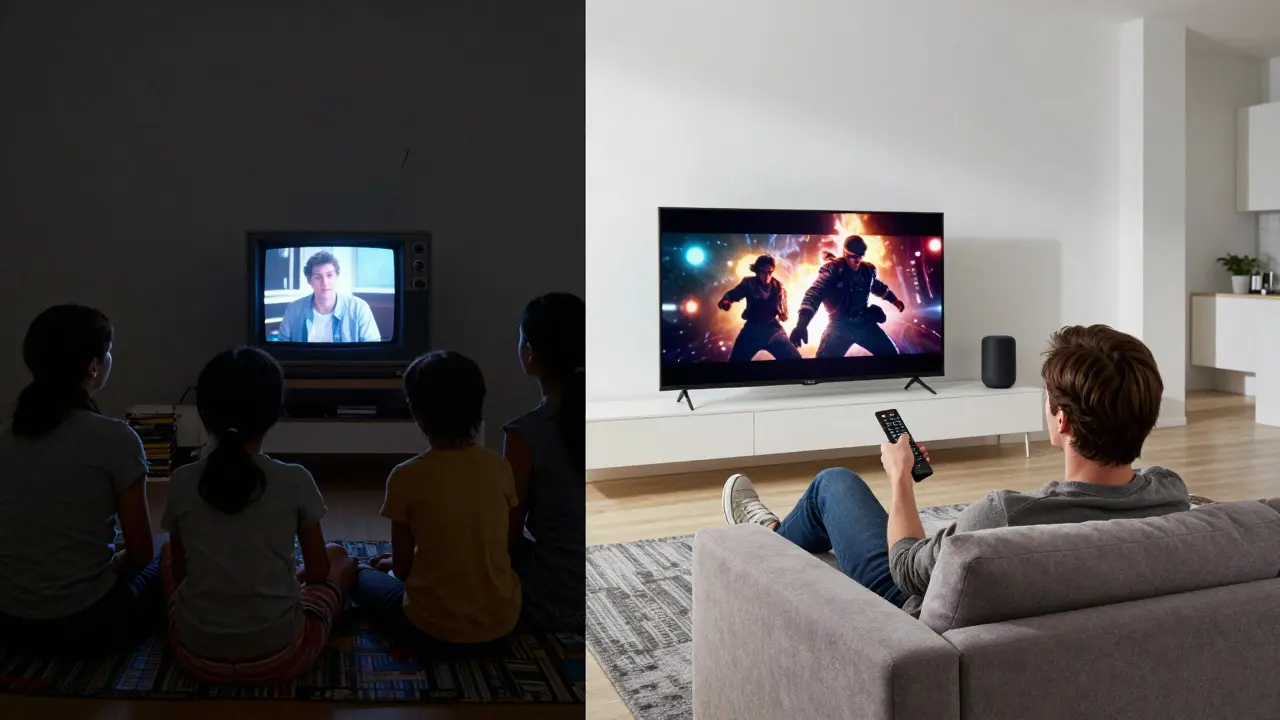
Modern Distribution Models vs. The Traditional Approach
Today, the concept of a rigid 90-day window has largely disappeared. Instead, distribution is characterized by flexibility and data-driven decision-making. Studios analyze real-time box office performance, social media buzz, and streaming metrics to determine the optimal release timing for each subsequent format.
Here is a comparison of the traditional model versus modern approaches:
This shift reflects a broader change in media consumption habits. Audiences today expect immediate access to content. The notion of waiting three months for a film to appear on a screen in your living room is increasingly alien to younger generations. However, the theatrical experience remains vital for certain genres, particularly large-scale visual spectacles that benefit from the scale and sound of a cinema.
Lessons from the Past for Future Distribution
While the 90-day window is no longer a universal standard, its principles still inform current strategies. The core insight-that exclusivity drives value-remains relevant. Whether it's a 45-day window for a blockbuster or a simultaneous release for a smaller indie film, the goal is to match the release timing with the audience's willingness to pay.
For studios, the key takeaway is adaptability. The rigid structures of the past failed to account for technological changes and shifting consumer preferences. In the future, distribution models will likely continue to evolve, driven by new technologies like virtual reality and advanced streaming capabilities. The 90-day rule serves as a reminder that successful distribution requires balancing creative intent with economic realities and audience expectations.
Frequently Asked Questions
What was the exact duration of the traditional theatrical window?
The standard duration was 90 days, although some contracts varied slightly depending on the studio and the specific film. This period began on the day the film officially opened in theaters.
Why did studios enforce the 90-day rule so strictly?
Studios enforced the rule to protect their primary revenue source: theatrical ticket sales. By ensuring exclusivity, they created urgency and maintained high demand during the most profitable phase of a film's lifecycle.
When did the 90-day window start to break down?
The breakdown began in the mid-2000s with the rise of digital downloads and premium video-on-demand. The process accelerated significantly during the 2020 pandemic, leading to widespread adoption of shorter windows and simultaneous releases.
Does any major studio still use a full 90-day window today?
Rarely. Most major studios now use windows ranging from 30 to 70 days for their biggest releases. Smaller films or those with limited theatrical runs may go to streaming platforms almost immediately after closing in theaters.
How did the 90-day window affect independent filmmakers?
Independent filmmakers often faced stricter enforcement of the window because they relied on distributors who adhered to the major studio standards. This sometimes delayed their access to wider audiences compared to larger productions that could afford longer theatrical runs.






Comments(7)