For decades, the camera has treated textured hair is a broad category of hair types characterized by curls, coils, kinks, or waves that deviate from the straight or fine standards often seen in mainstream media. It’s not just a stylistic choice; it’s a biological reality for billions of people. Yet on set, this reality often clashes with a production culture built around one specific aesthetic standard. The result? A persistent gap in expertise that affects everything from casting decisions to the final frame.
The core issue isn’t just about representation in front of the lens. It’s about who holds the brush, the comb, and the decision-making power behind the scenes. When a director looks at a headshot with natural coils, they might see a "character" rather than a lead. When a makeup department doesn’t hire specialists in hair equity is the practice of ensuring fair access to professional grooming expertise, resources, and respect for all hair types, particularly those historically marginalized in beauty industries., the cost falls on the talent and the budget alike.
The Hidden Costs of Ignoring Textured Hair Expertise
You might think hiring a specialist is an extra expense. In reality, ignoring the need for specific skills creates massive inefficiencies. Consider the time spent trying to force a curl pattern into a style that fights its natural structure. Or the damage caused by using heat tools designed for fine, straight hair on dense, coily textures without proper preparation. This leads to what industry veterans call "set fatigue." Actors spend hours under hot lights, waiting while stylists struggle with techniques they were never trained to master. For textured hair, this wait time can double or triple because the wrong products make the hair brittle, frizzy, or unmanageable.
There is also a financial trap. Productions often try to save money by using generalist stylists. But when the hair fails mid-shoot-breaking, losing shape, or looking flat-the reshoot costs far exceed the salary difference of a specialized expert. A skilled makeup artist is a professional responsible for enhancing facial features, creating character looks, and maintaining continuity across shooting days, requiring deep knowledge of skin tones and hair-skin interactions. understands that hair and skin are connected. If the hair looks damaged or unnatural, the skin tone contrast becomes jarring. This lack of holistic understanding forces directors to compromise on visual quality, which ultimately weakens the storytelling.
What True Expertise Looks Like on Set
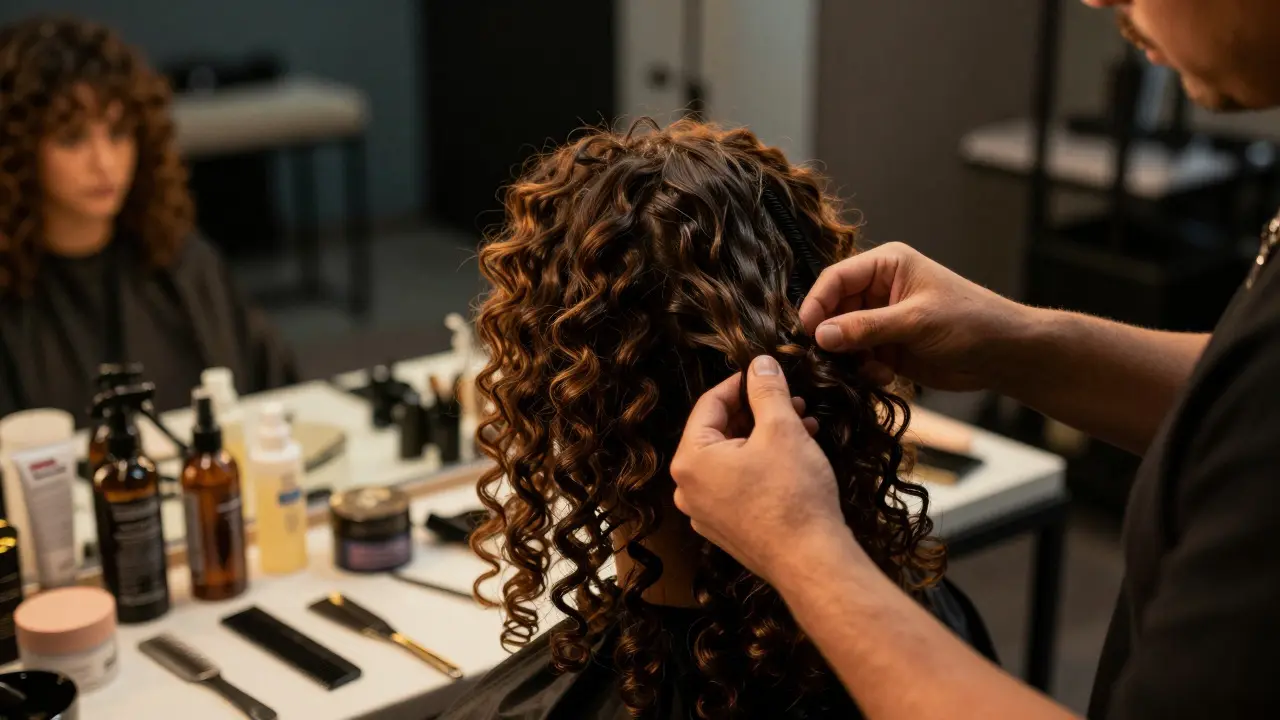
So, what does it actually take to handle textured hair professionally? It starts with product literacy. Many generalists rely on heavy gels or pomades that weigh down curls, creating a "wet look" that isn't always desired. Specialists, however, know the difference between a leave-in conditioner, a cream, and a mousse. They understand porosity levels and how different humidity levels affect the final look. This knowledge allows them to achieve consistent results day after day, which is critical for film continuity.
Technique is equally important. Cutting and styling textured hair requires different tools and motions than straight hair. Using a razor instead of scissors, or cutting against the grain rather than with it, changes the volume and movement of the hair. On set, these nuances determine whether a character looks alive and dynamic or stiff and artificial. Furthermore, the physical labor involved is significant. Styling dense hair takes more muscle and patience. Recognizing this labor as skilled work, rather than a quick fix, is part of the shift toward equity.
| Factor | Generalist Approach | Specialist (Equity-Focused) Approach |
|---|---|---|
| Product Selection | Generic gels/pomades; one-size-fits-all | Custom blends based on porosity/density; specialized brands |
| Time Efficiency | Longer trial-and-error; frequent fixes | Faster setup; predictable outcomes |
| Hair Health | Higher risk of breakage/frizz | Preserves integrity; reduces damage |
| Budget Impact | Hidden costs from reshoots/waste | Predictable costs; higher initial rate but lower total spend |
Breaking Down the Hiring Bias
Why do productions still default to generalists? Often, it comes down to networks. Producers tend to hire friends of friends. If your circle consists mostly of stylists who specialize in fine, straight hair, that’s who you call. This creates a feedback loop where textured hair expertise remains siloed. To break this, producers need to actively expand their rosters. This means attending showcases specifically featuring Black, Indigenous, and People of Color (BIPOC) artists. It means asking for referrals from actors who have experienced good care on previous sets.
Another barrier is the perception that textured hair is "harder" to work with, implying it’s a burden. Reframing this narrative is key. Textured hair is simply different. It requires a different toolkit, just as wigs require a different toolkit than natural hair. By treating it as a specialty rather than a problem, the industry moves closer to genuine inclusion. This shift also benefits the crew. When stylists feel respected and understood, they communicate better with the director and actor, leading to smoother workflows.
The Role of Continuity and Camera
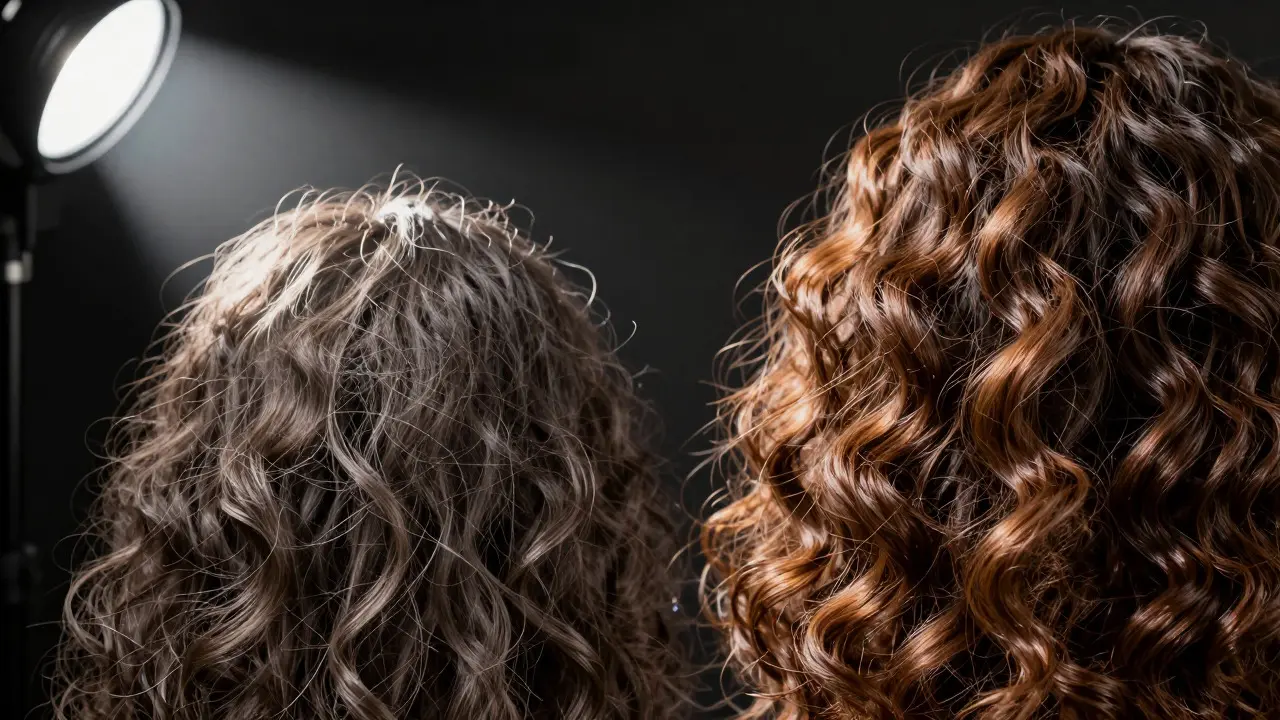
In film, light is truth. Harsh studio lighting exposes every flaw in texture and shine. A generalist might think a style looks good in a bathroom mirror, but under 5K resolution, the lack of definition or excessive frizz becomes glaring. Specialists train their eyes to see how hair interacts with light. They know that certain products create a matte finish that absorbs light, while others add sheen that reflects it. This technical awareness is crucial for high-budget productions where every pixel matters.
Continuity is another major challenge. If an actor shoots a scene on Monday and another on Thursday, the hair must look identical. With textured hair, this is harder because the hair changes state as it dries and moves. Specialists use detailed notes, photos, and sometimes even video references to maintain consistency. They might pre-set the hair in a way that ensures it will fall into place during the shoot, rather than trying to fight the natural pattern in real-time. This proactive approach saves hours of on-set stress.
Building a Culture of Respect
Equity isn’t just about hiring the right person; it’s about how they’re treated. Have you ever heard a director say, "Just make it look normal"? That phrase is loaded. It implies that anything other than straight hair is abnormal. Creating a culture of respect means listening to the actor’s preferences. Some actors want their natural texture enhanced; others want it styled differently. The specialist’s job is to facilitate that vision, not impose their own.
This cultural shift extends to the entire crew. Wardrobe departments need to understand how fabrics interact with textured hair (think static cling). Lighting designers need to adjust color temperatures to flatter diverse skin and hair tones. When these departments collaborate with the hair team early in pre-production, the final product feels cohesive. It’s not just about fixing the hair at the end; it’s about designing the whole look with texture in mind from the start.

Practical Steps for Productions
If you’re a producer or line producer, here are actionable steps to improve your process. First, audit your current vendor list. How many specialists in textured hair do you have on speed dial? If the number is low, start building that list now. Second, include a hair consultation in the pre-production phase. Give the actor time to discuss their hair history and preferences with the specialist before the first day of shooting. Third, budget realistically. Don’t cut corners on products. High-quality, specialized products last longer and perform better, reducing waste.
Finally, gather feedback. After the wrap, ask the cast and crew what worked and what didn’t. Did the hair hold up? Was the process respectful? Use this data to refine your future hires. Over time, this creates a reputation for being a production that values detail and respect, which attracts top talent willing to join your projects.
Frequently Asked Questions
Is textured hair expertise only relevant for films featuring BIPOC characters?
No. While it is most visible in stories centered on these communities, any production with actors who have textured hair needs this expertise. Even if the character is fictional, the human biology remains the same. Proper care ensures the actor looks healthy and the performance isn't hindered by physical discomfort or distraction.
How much more does it cost to hire a specialist compared to a generalist?
The daily rate may be 10-20% higher, but the total project cost is often lower. This is because specialists reduce overtime, minimize product waste, and prevent costly reshoots due to continuity errors or hair damage. The investment pays off in efficiency and quality.
What is the biggest mistake producers make regarding hair on set?
The biggest mistake is assuming that one technique works for everyone. Producers often fail to account for the varying densities and porosities within the textured hair community. Treating all coils the same leads to inconsistent results. Individualized assessment is key.
How can we find qualified textured hair specialists?
Look for portfolios that show variety in texture types, not just one style. Check their experience with film continuity, not just fashion editorials. Ask for references from past productions. Industry associations and social media groups dedicated to BIPOC artists are also excellent resources for finding vetted professionals.
Does weather affect textured hair styles on location shoots?
Yes, significantly. Humidity can cause frizz, while dry air can cause brittleness. Specialists plan for this by using humidity-resistant products and adjusting their techniques based on the forecast. Indoor sets with controlled climate are easier, but outdoor shoots require constant monitoring and touch-ups.