Visual Storytelling in Film: How Images Drive Emotion and Meaning
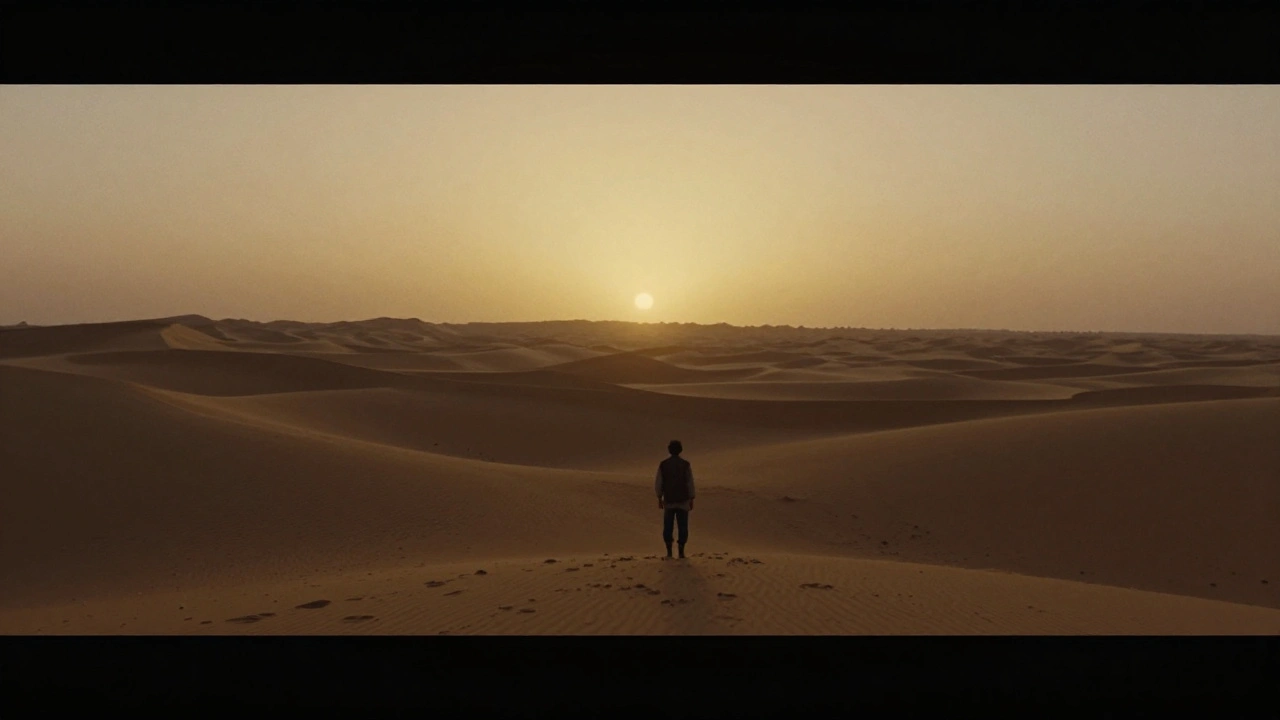
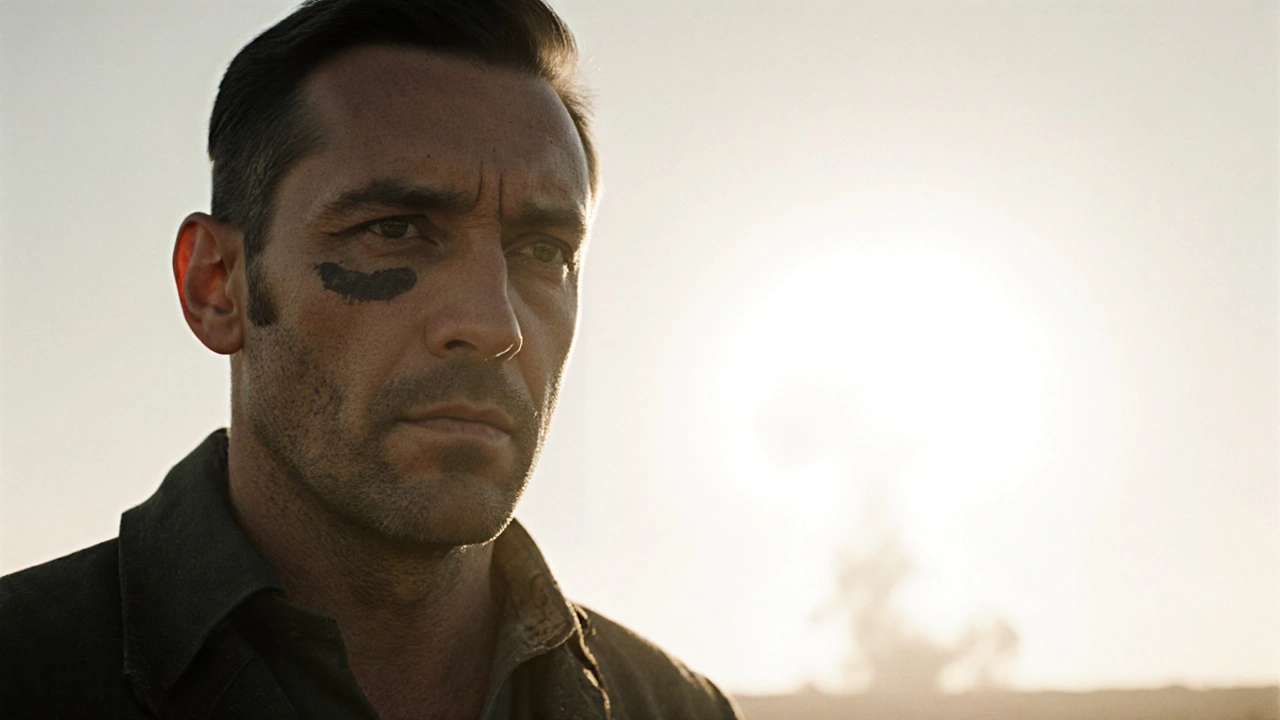
When you watch a film and feel something without anyone saying a word—that’s visual storytelling, the art of conveying narrative, emotion, and meaning through images rather than dialogue. Also known as showing, not telling, it’s the silent language that makes cinema unique. It’s not just about pretty shots—it’s about using every frame to guide the viewer’s feelings, build tension, or reveal character without a single line of script.
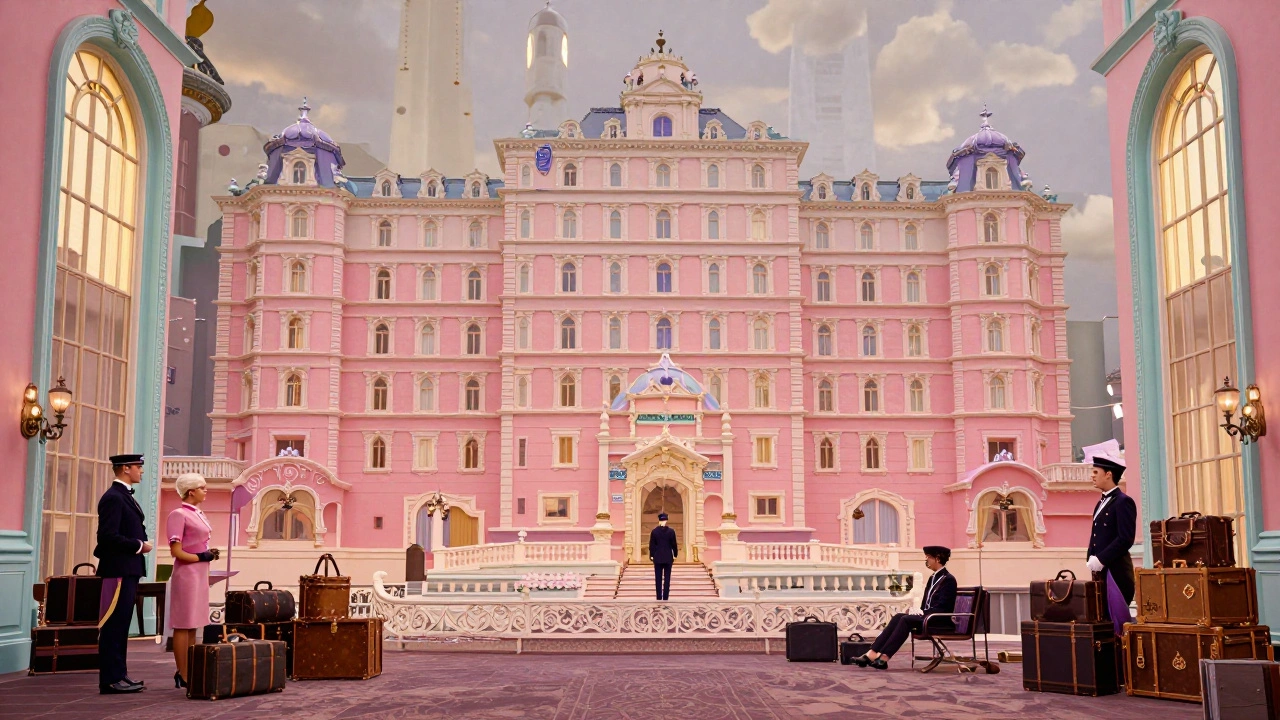
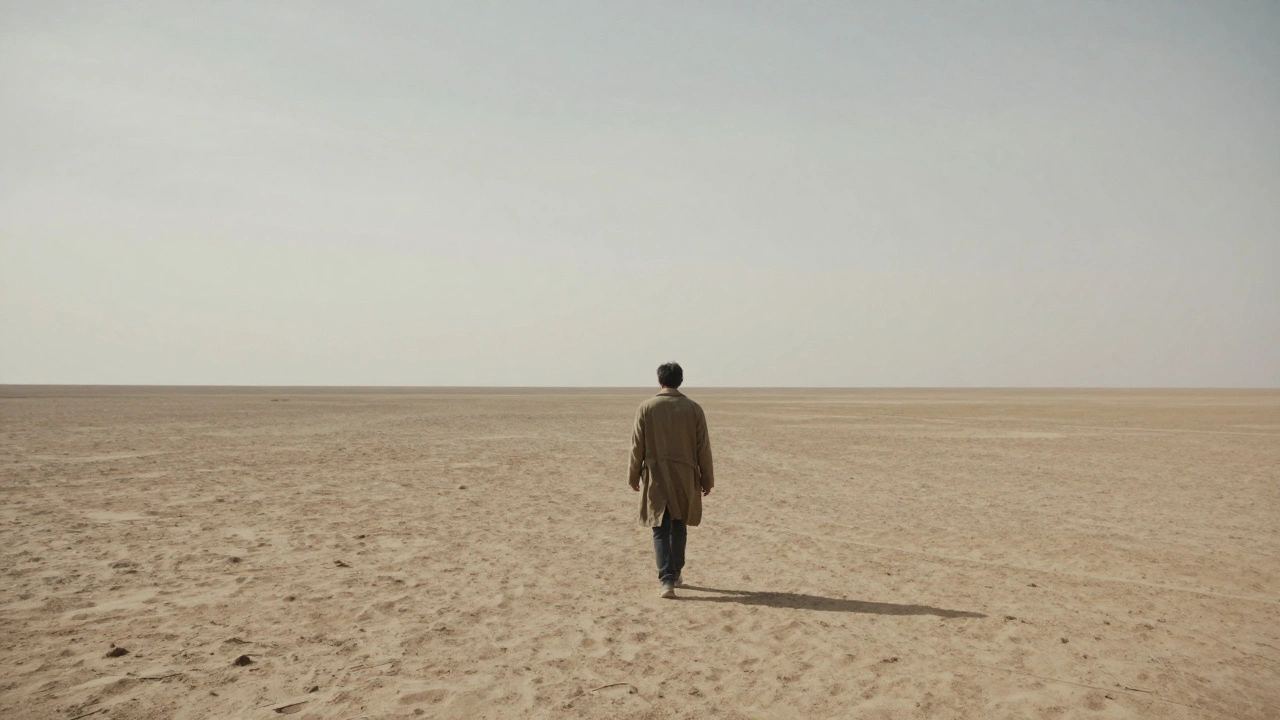
Behind every great visual story is a tight partnership between the director and the person who controls the camera’s eye—the cinematographer. They decide what’s in frame, how light falls on a face, how the camera moves—or doesn’t move. That choice isn’t random. A slow push-in on a character’s eyes can scream fear better than any monologue. A wide shot of an empty room can say more about loneliness than pages of dialogue. This isn’t theory—it’s practice. Look at films like Children of Men or The Revenant, where the camera becomes a character, chasing, watching, holding its breath. And it’s not just big-budget films. Even low-budget indie movies use production design, the art of building worlds through sets, props, and color to tell stories. A worn-out couch, a faded photo on the wall, a single red balloon in a gray room—these aren’t decorations. They’re clues. They’re emotional triggers.
Visual storytelling doesn’t need fancy gear. It needs intention. It’s why a silent film from 1925 can still make you cry today. It’s why a single close-up of a trembling hand in a documentary can break your heart. It’s why streaming originals now compete with theaters—not because they have bigger budgets, but because they understand how to make you feel through what you see. From the quiet gaze in Arthouse Erotica to the use of color in Hello Kitty’s film to build nostalgia, or the way Virtual Production lets directors control light and mood in real time, visual storytelling is evolving, not disappearing. It’s the one thing no AI can fully replicate: human emotion made visible.
What you’ll find in this collection isn’t a textbook on camera angles. It’s real examples from filmmakers who’ve used visuals to cut through noise—whether they’re working with a $500 camera or a $50 million LED wall. You’ll see how lighting shapes mood, how editing creates rhythm, how silence becomes a tool. These aren’t just techniques. They’re the bones of cinema itself.