Virtual Production: How It's Changing Film Making Today
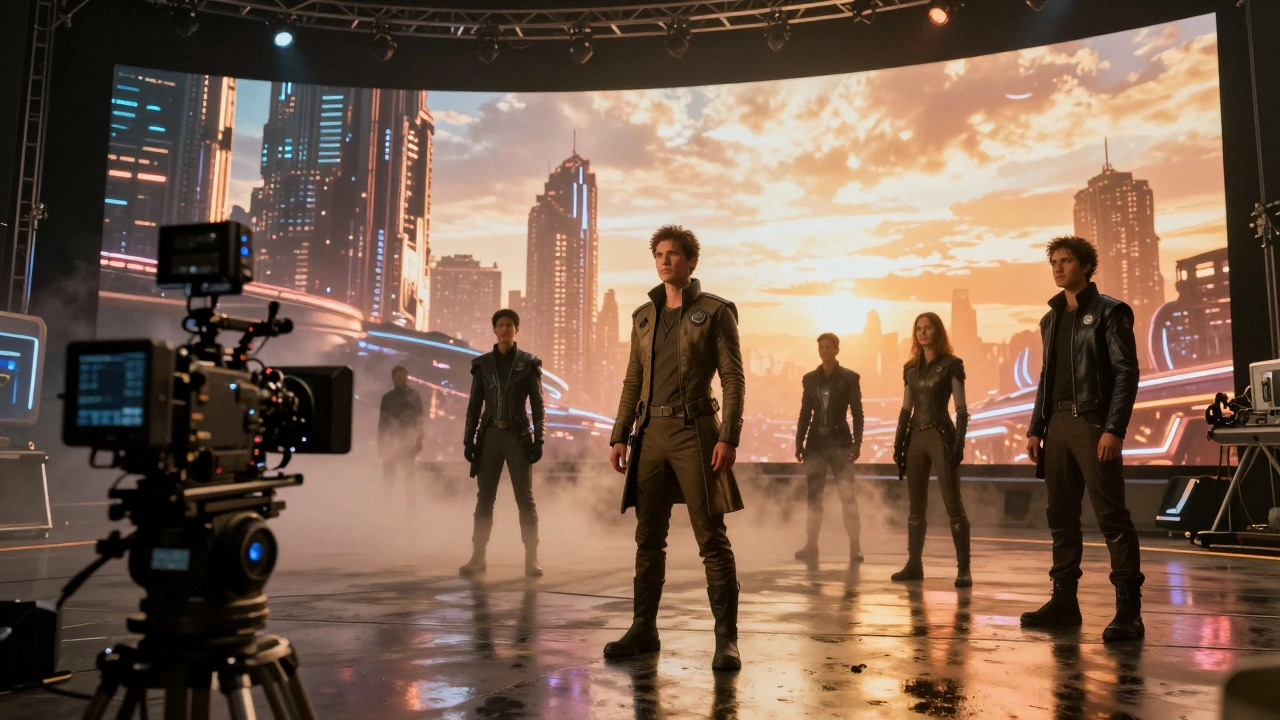
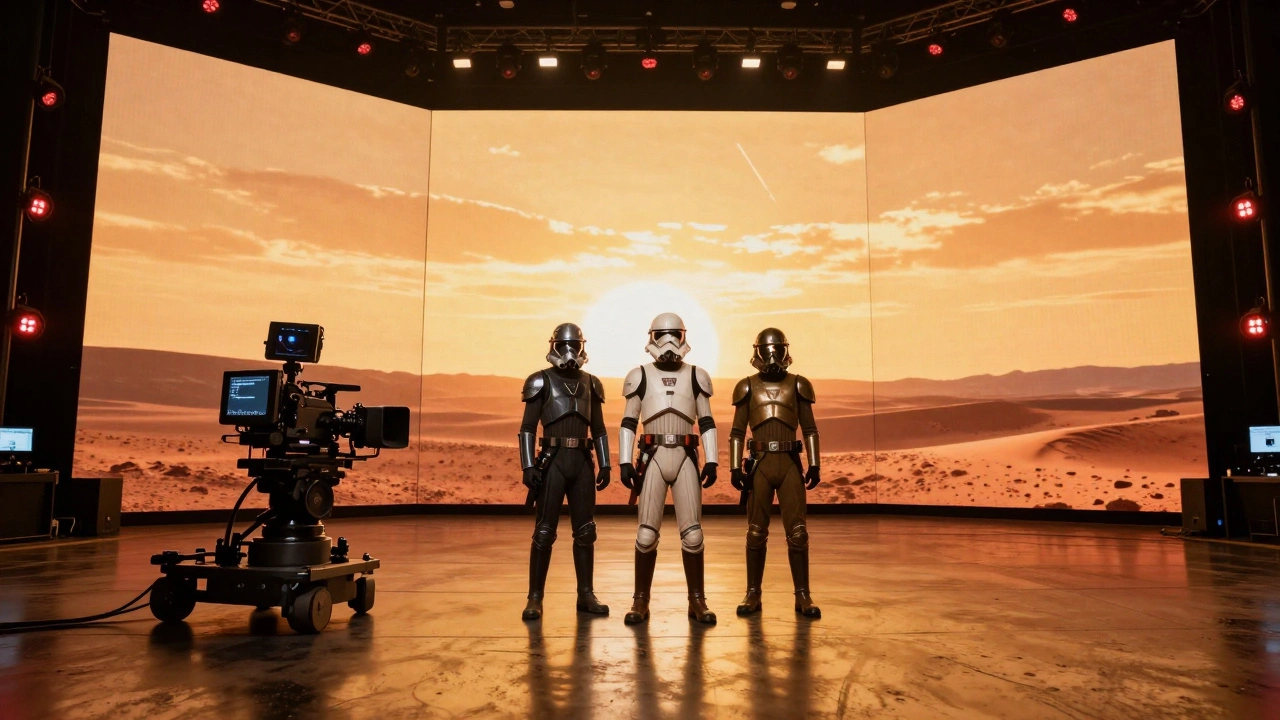
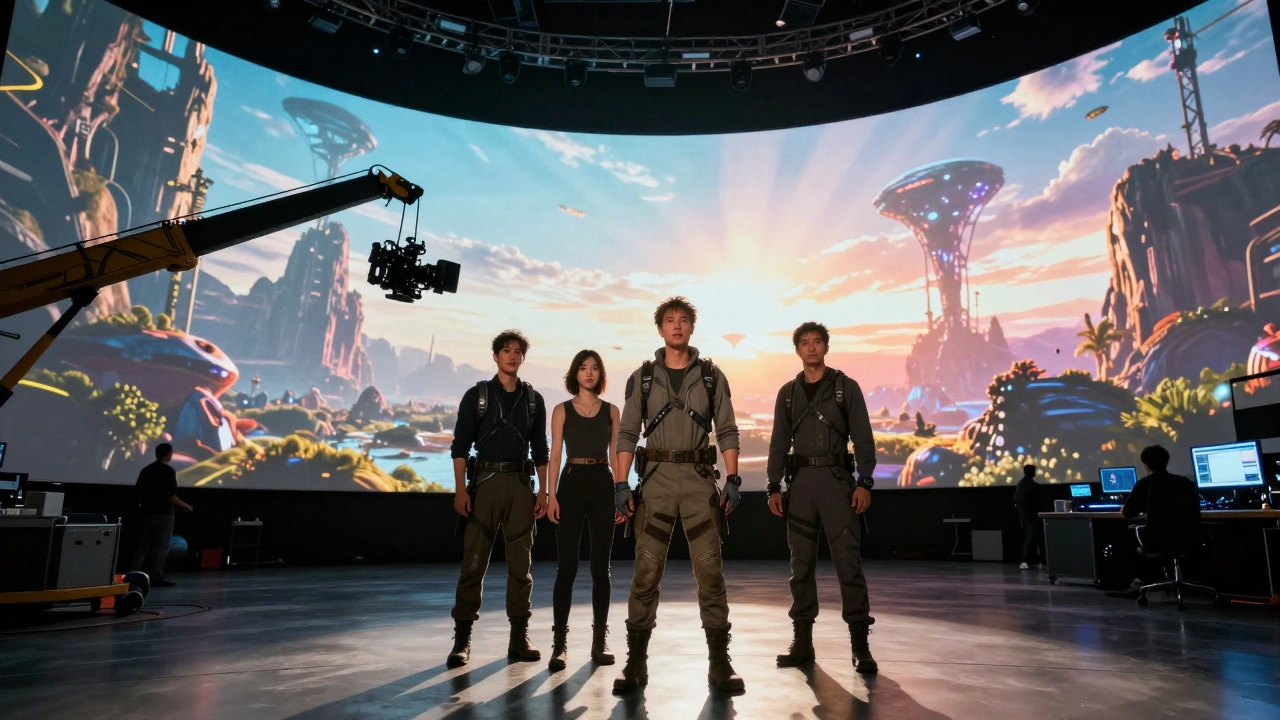
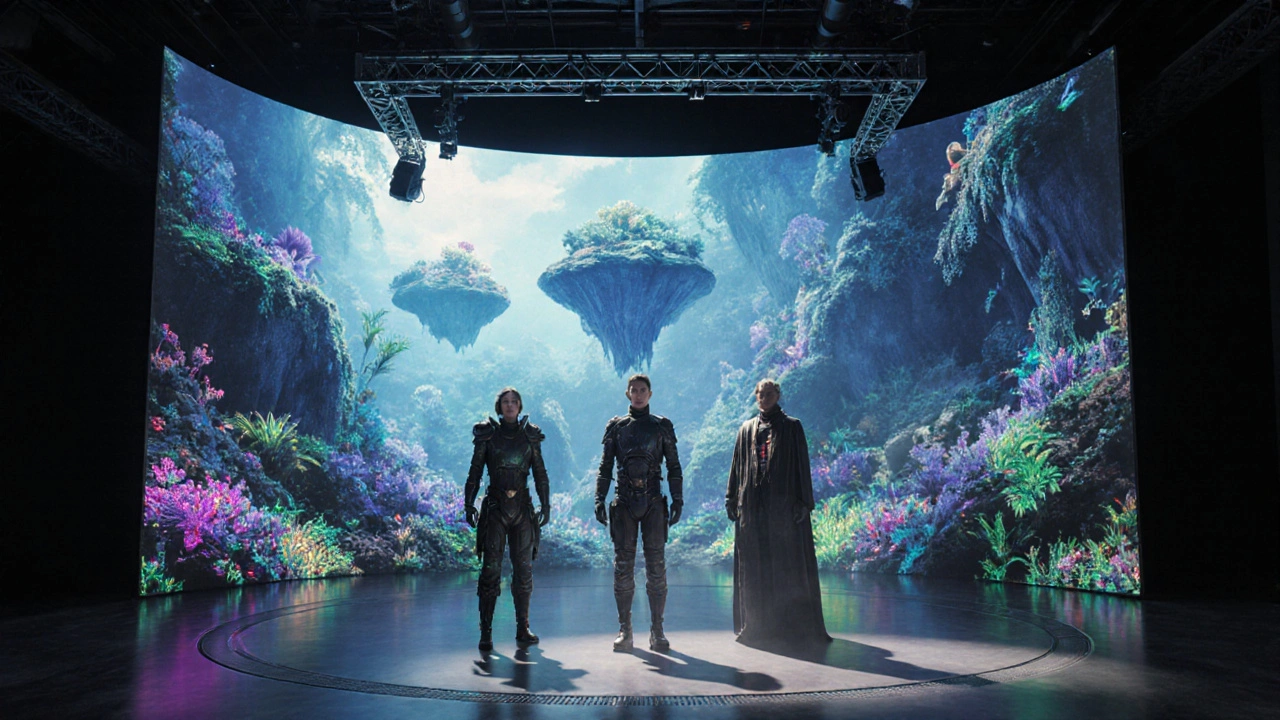
When you hear virtual production, a filmmaking method that combines real-time computer graphics with live-action shooting using LED walls and motion tracking. Also known as stagecraft, it lets directors see digital backgrounds as if they were real sets—no green screens, no post-production guesswork. This isn’t science fiction anymore. It’s what made The Mandalorian look so real, and it’s now being used by indie filmmakers, streaming giants, and even commercials.
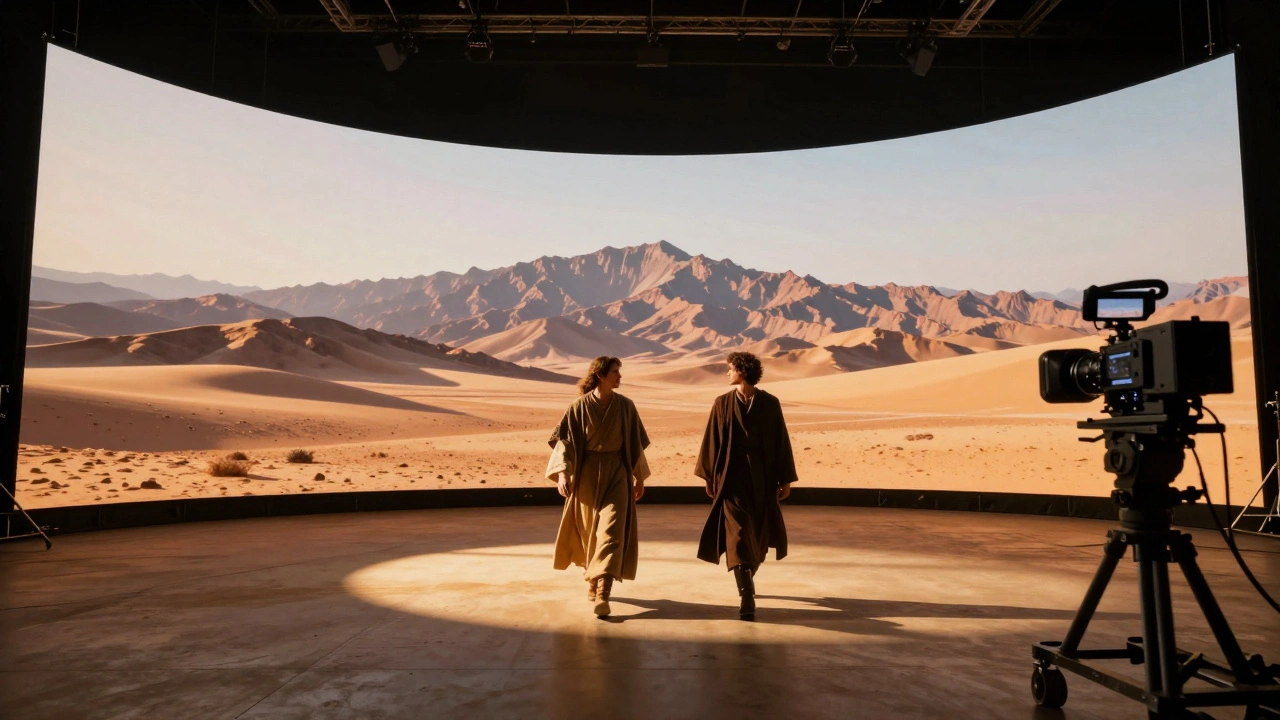
Behind virtual production are three key tools: LED volume, a curved wall of high-resolution LED screens that display dynamic environments in real time, real-time rendering, software like Unreal Engine that generates photorealistic images instantly as the camera moves, and motion capture, tech that tracks actors and cameras to sync digital elements with physical movement. These aren’t separate tricks—they work together. An actor walks toward a digital mountain range, the camera tilts, and the background shifts exactly as it would in real life. That means lighting, shadows, and reflections match perfectly—something green screens struggle with.
Why does this matter? Because it cuts time and money. You don’t need to fly to Iceland for a snowy scene. You don’t wait weeks for VFX to be added. You shoot the scene, see it live, and move on. Directors get creative freedom. Actors get better performances because they’re reacting to real environments, not empty space. Even small crews can now make visuals that used to need million-dollar studios.
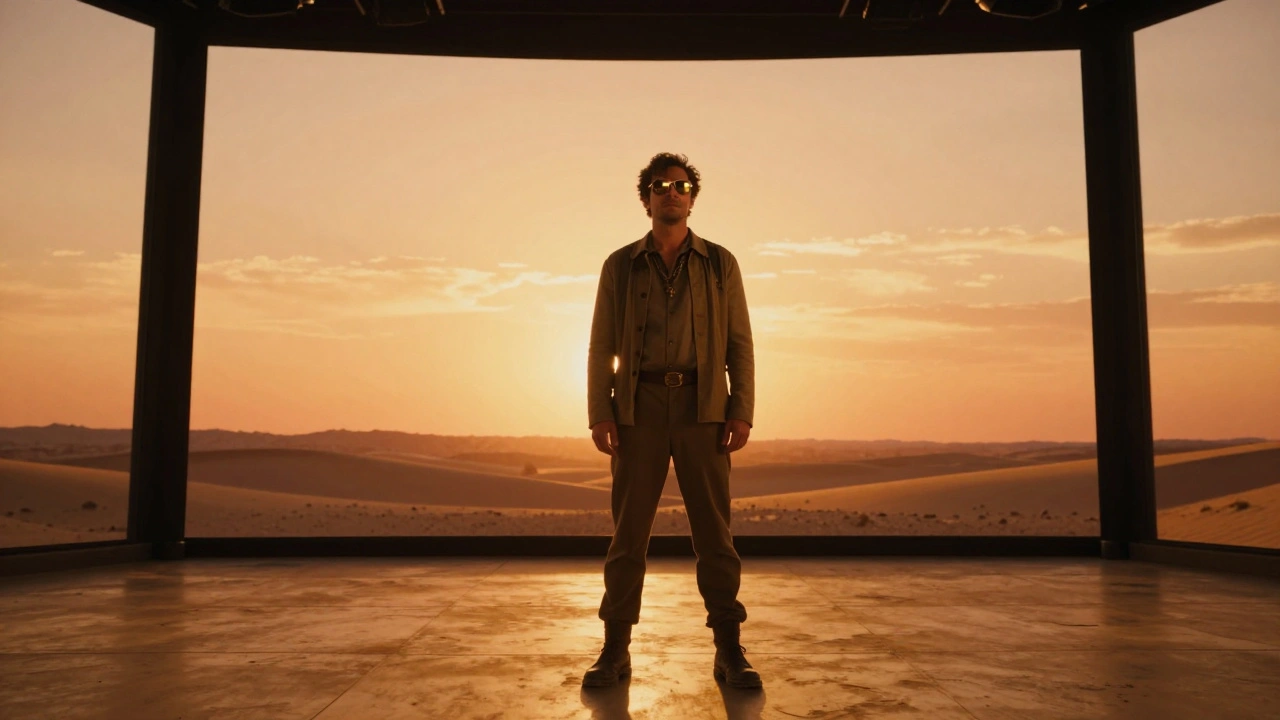
And it’s not just for big-budget shows. The tech is getting cheaper, faster, and more accessible. You’ll find it in music videos, indie films, and even TV commercials now. The posts below show how filmmakers are using it to solve real problems: cutting post-production chaos, working with tight budgets, and creating immersive worlds without leaving the stage. Whether you’re shooting a sci-fi epic or a quiet drama with a digital sunset, virtual production is changing how you tell stories—no CGI wizardry required, just smart tech and smart choices.