Streaming Platforms: How Netflix, Hulu, and Others Are Changing Film Distribution
When you think of streaming platforms, digital services that deliver movies and shows directly to viewers over the internet, replacing traditional TV and theater releases. Also known as SVOD, it has become the main way most people watch films today. It’s not just about convenience—it’s about control. Who decides what gets made? Who gets seen? And why do some films vanish after a week while others become cultural moments? The answer lies in how these platforms operate behind the scenes.
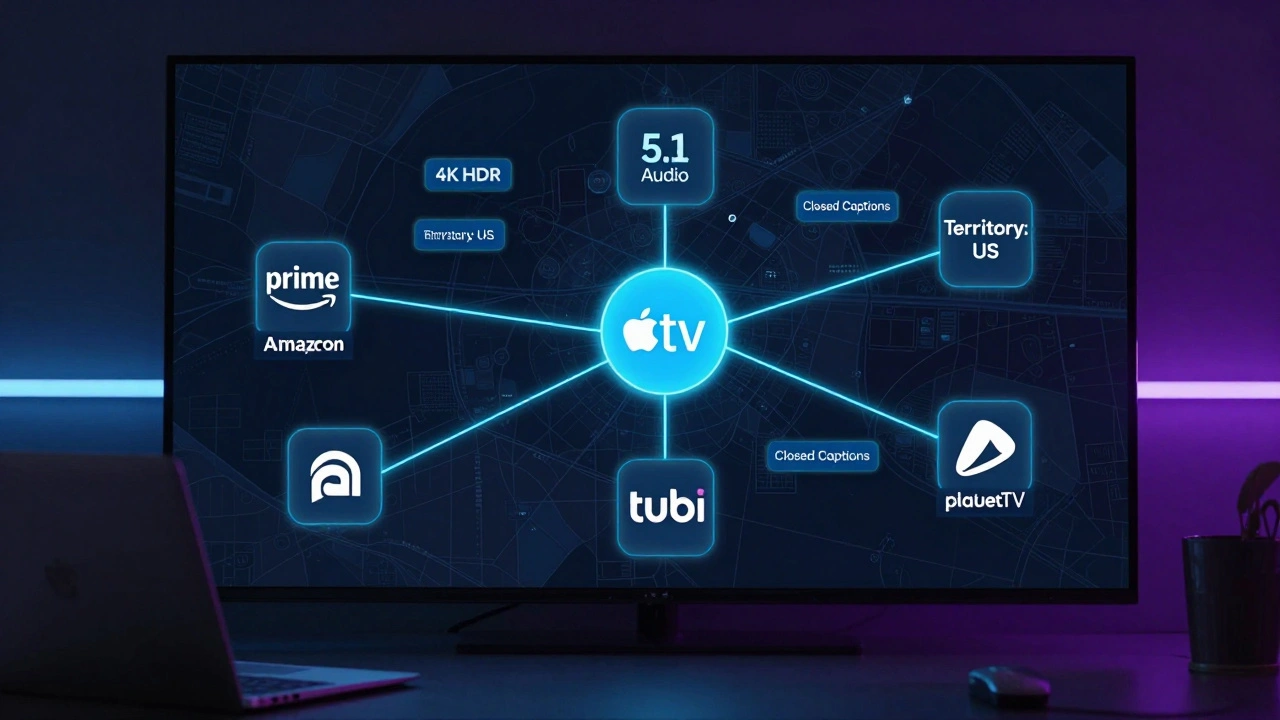
Netflix, a global streaming giant that funds original films, acquires festival darlings, and uses data to decide what gets renewed or canceled doesn’t care if a movie plays in 50 theaters or 50 million homes. It cares about completion rates, global engagement, and whether it can turn a quiet drama into a trending topic. Hulu, a platform that blends ad-supported content with premium exclusives, often targets niche audiences and younger demographics with curated originals works differently—sometimes partnering with indie studios, sometimes quietly burying films that don’t fit its brand. Then there’s Amazon Prime Video, a platform that uses its e-commerce muscle to push films as part of a broader entertainment ecosystem, where a movie might get a push because it boosts Prime subscriptions, not because it’s critically loved.
These platforms don’t just show films—they shape them. They fund documentaries that might never get theater deals. They greenlight sequels based on how many people watched the first episode, not box office numbers. They use geo-targeted ads to find viewers in small towns, and they release Oscar contenders straight to screens, skipping theaters entirely. The rules changed when Nomadland won Best Picture without a single major theater run. That’s the new normal.
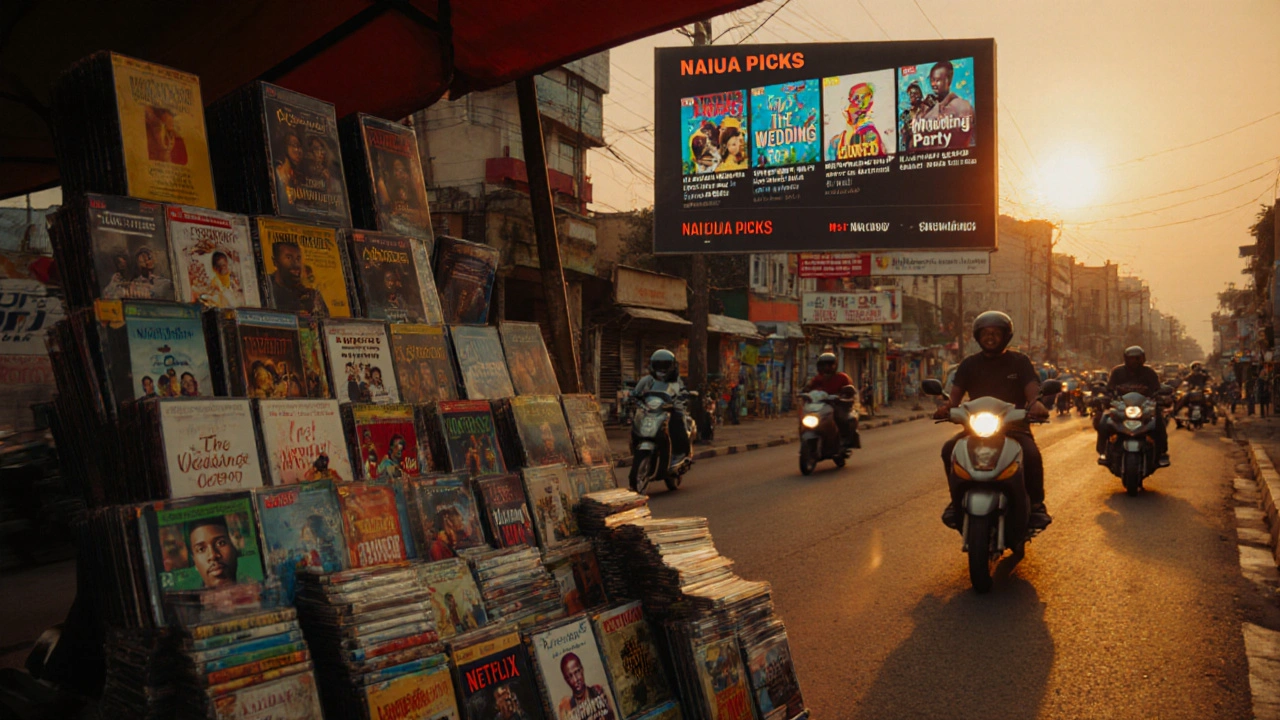
What you’ll find here isn’t just a list of articles—it’s a map of how films survive, thrive, or disappear in this new landscape. From how tax credits lure streamers to shoot in Hungary, to why some indie films outgross Hollywood by self-distributing online, to how temporary music in editing rooms can make or break a film’s final score—all of it connects back to the same force: streaming platforms. You’re not just watching movies anymore. You’re part of a system that decides what gets made, who gets paid, and what stories get told. And these posts break it all down, no fluff, no jargon, just what actually happens behind the screen.