Cinematography: How Camera Work Shapes Film Emotion and Story
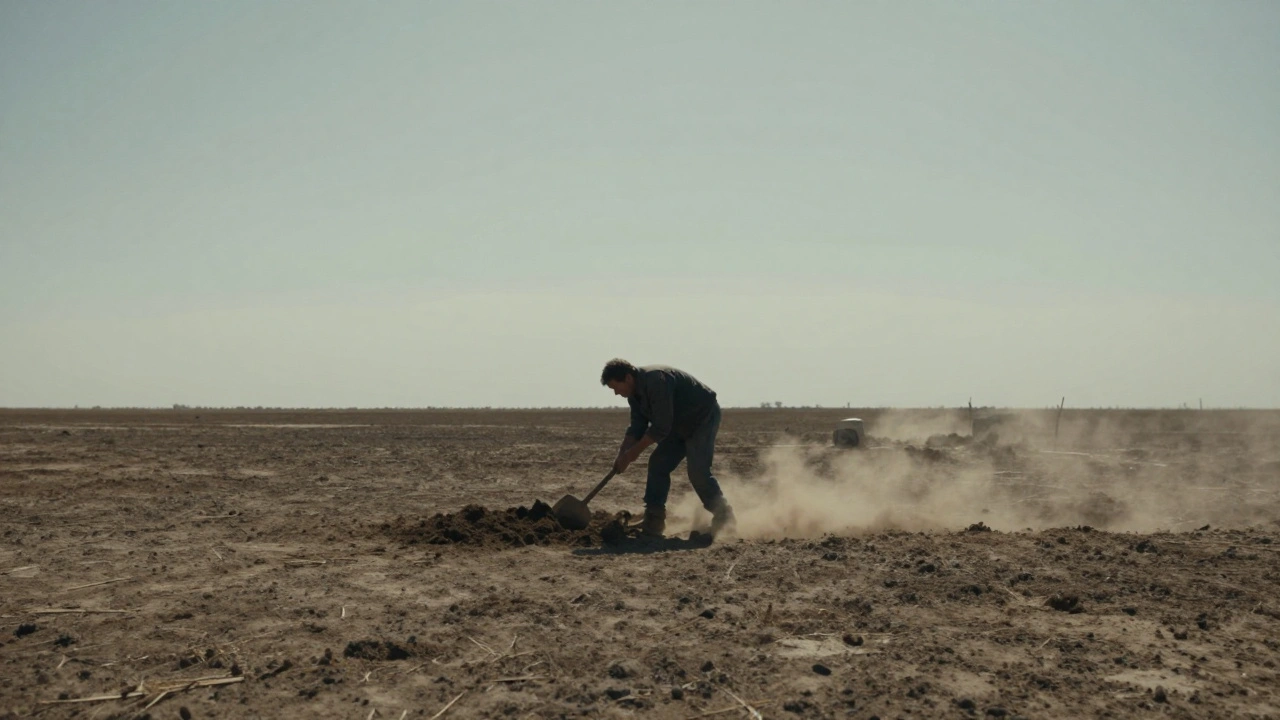
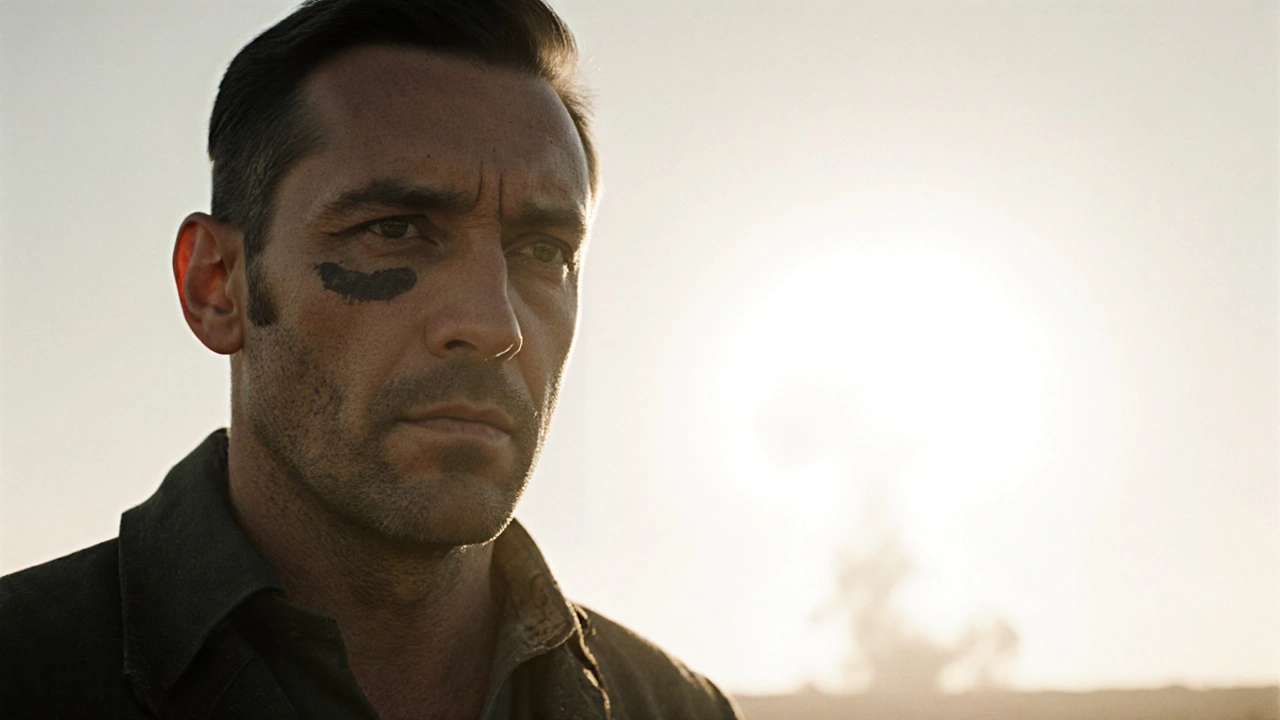
When you think about what makes a movie feel alive, it’s not just the script or the acting—it’s cinematography, the craft of using light, camera movement, and composition to tell a story visually. Also known as visual storytelling, it’s the silent language that tells you when to feel tense, when to breathe, and when to look away. Without it, even the best dialogue falls flat. A great shot doesn’t need words—it pulls you in with a slow push-in, a flicker of light on a face, or the way shadows stretch across a room.
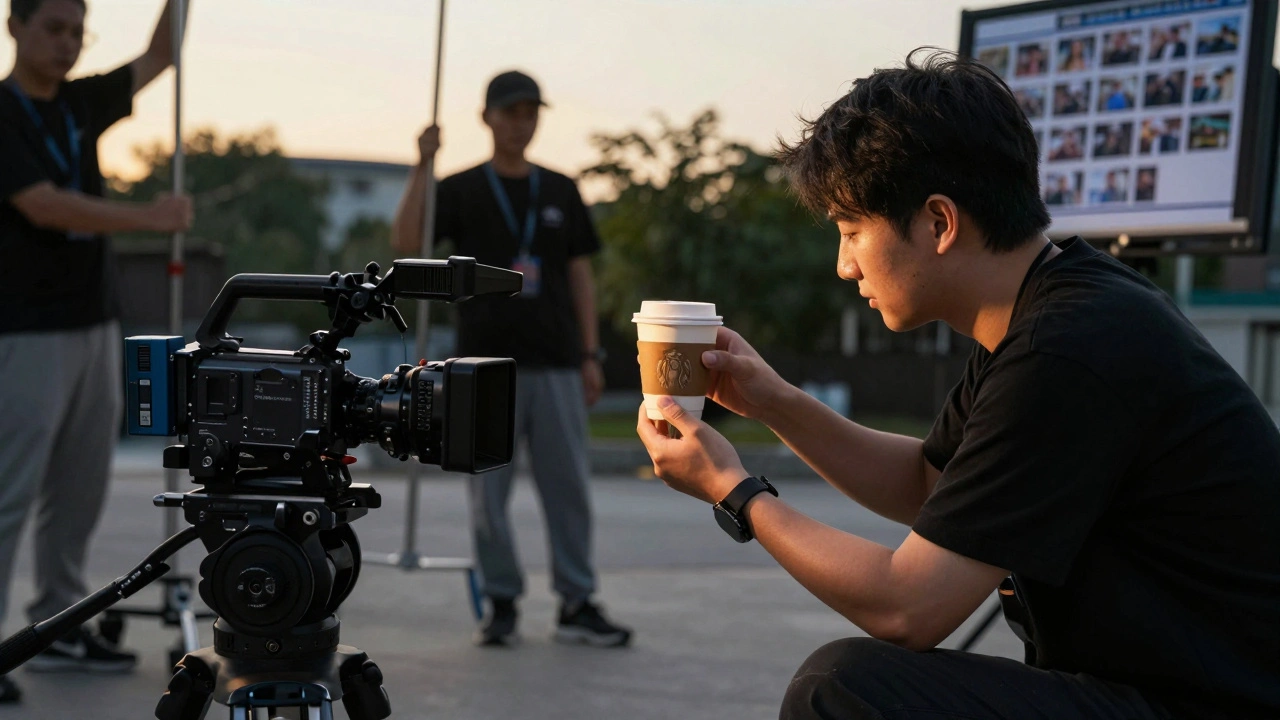
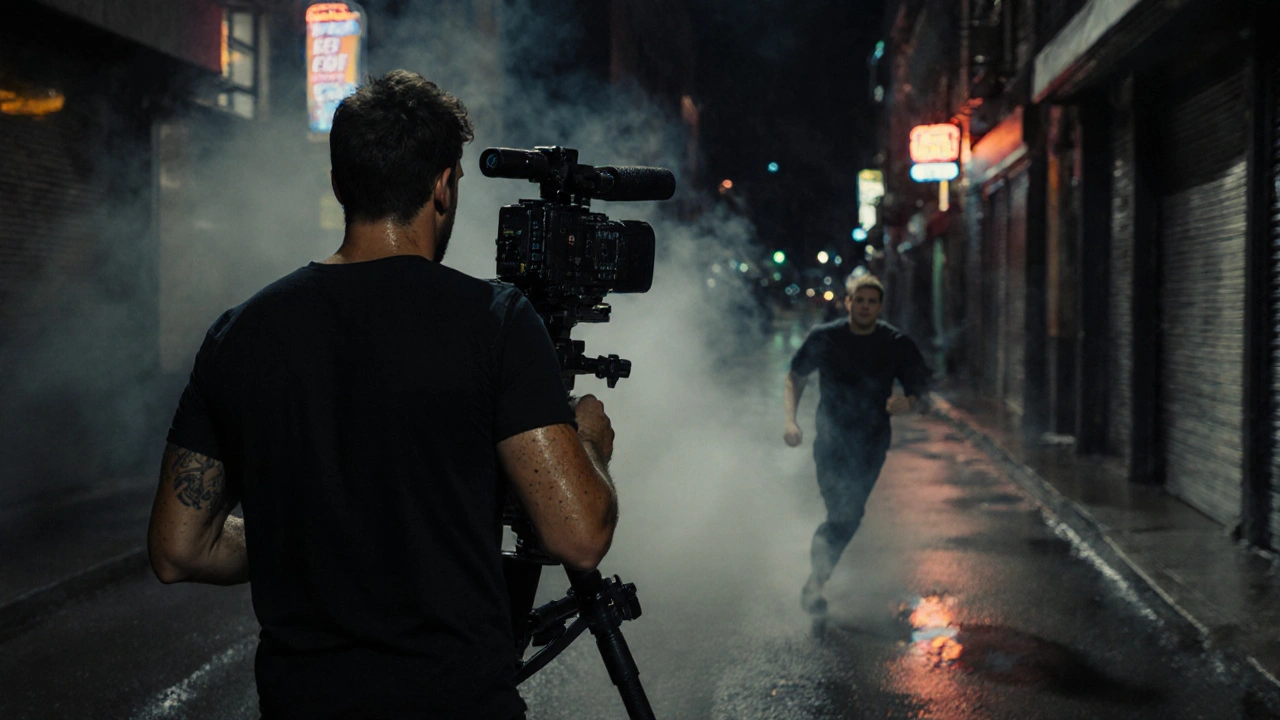
Behind every great film is a director of photography, the artist who decides how every frame looks, from the angle of a close-up to the color of the moonlight. Also known as DP, they work hand-in-hand with the director to turn ideas into images. Their choices—whether it’s shooting handheld for chaos or using a steady dolly for calm—shape how you feel before a single line is spoken. You see this in films like The Revenant, where natural light and long takes make survival feel real, or in Parasite, where staircases and windows become symbols of class. It’s not about fancy gear. It’s about intent. A single frame can carry more weight than a whole scene of dialogue.
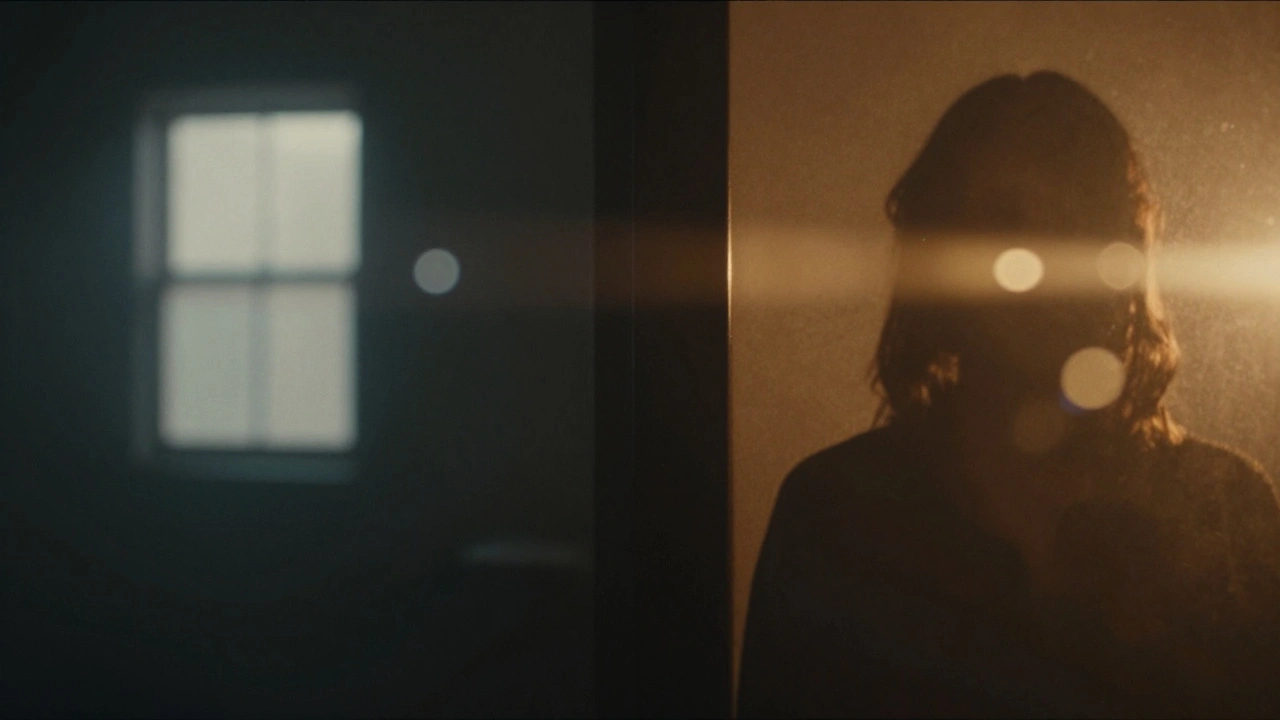
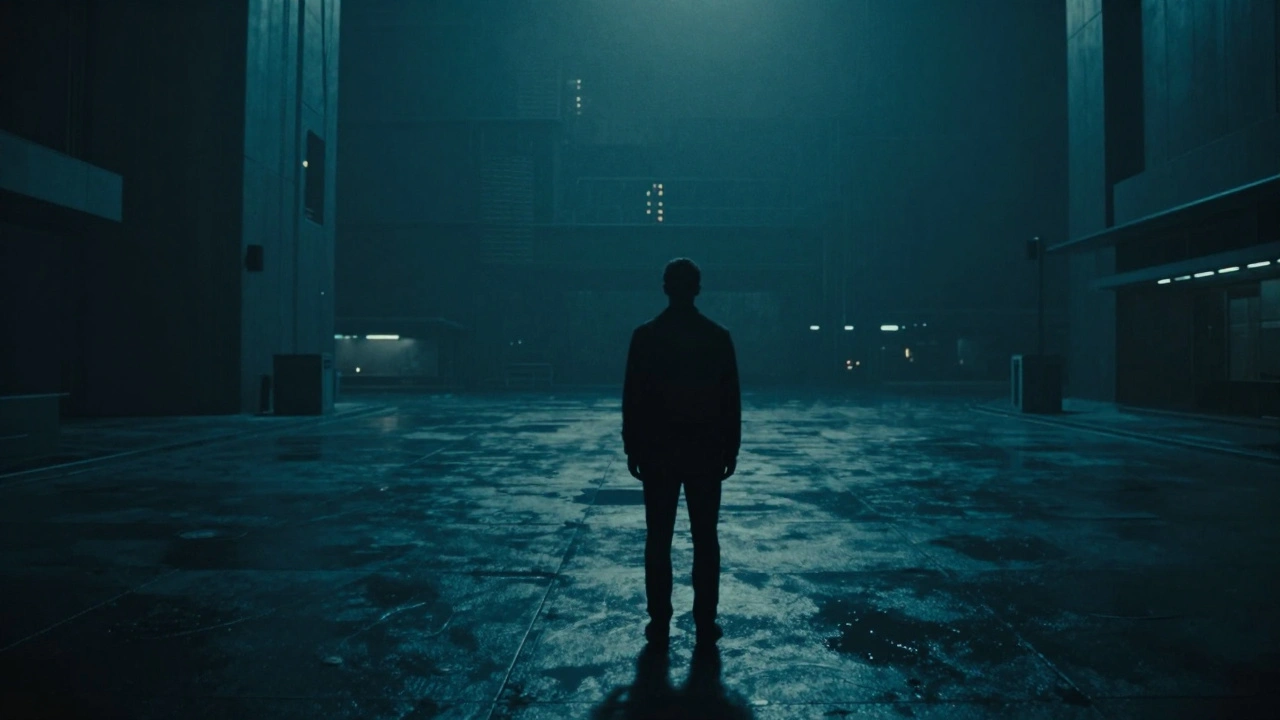
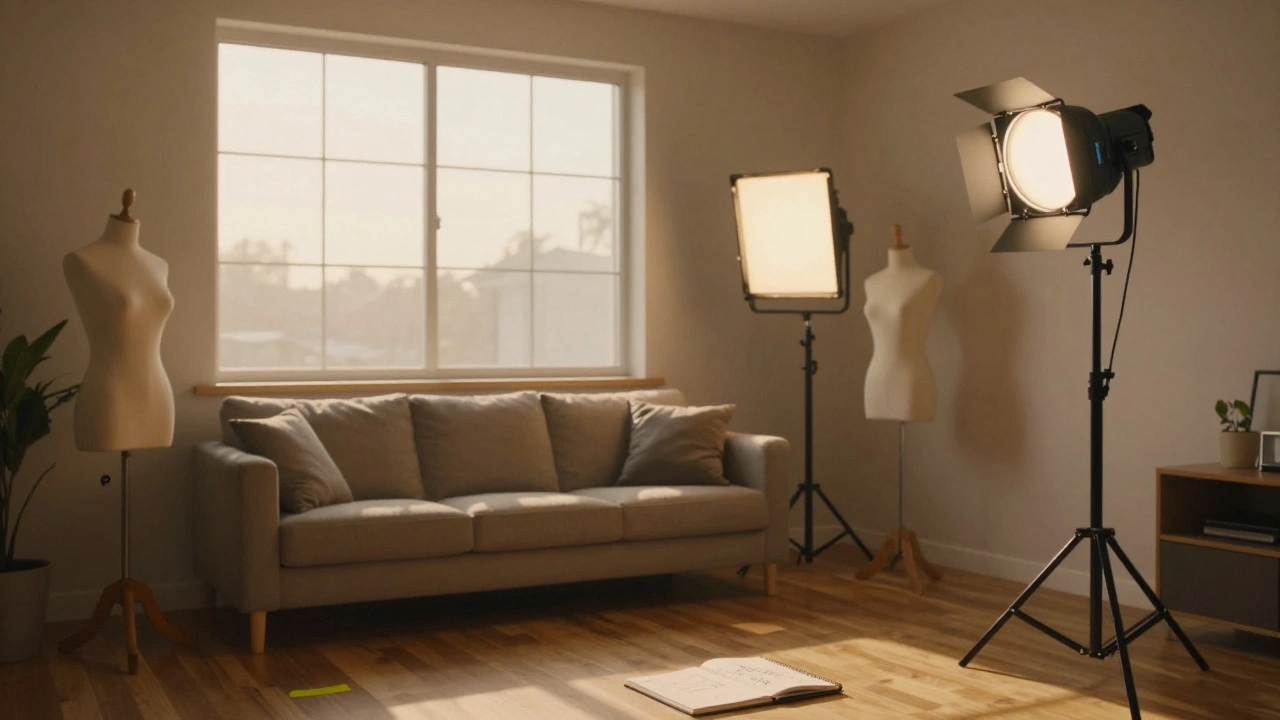
Lighting isn’t just about making things visible—it’s about mood. A soft glow on a character’s face tells you they’re safe. Harsh shadows? Something’s wrong. Camera movement isn’t just technical—it’s emotional. A shaky hand-held shot makes you feel the panic. A slow zoom-in feels like a whisper. And color? It’s not decoration. In The Grand Budapest Hotel, pastels aren’t just pretty—they’re part of the story’s tone. These aren’t random choices. They’re tools, used by cinematographers to guide your eyes, control your rhythm, and make you feel what the story wants you to feel.
You’ll find all this in the posts below—how lighting builds tension, how camera movement carries emotion, how directors and DPs collaborate to make visuals speak louder than words. Whether it’s shooting on a budget, using LED walls for realism, or capturing intimate moments in documentaries, the thread is the same: cinematography doesn’t just record a scene—it becomes part of its soul. What you’re about to read isn’t theory. It’s what’s actually happening in films today, from indie shorts to streaming blockbusters.