You know that feeling when you walk out of a theater at Sundance Film Festival and realize you just watched the next big thing? It’s not about the red carpet glamour or the celebrity cameos. It’s about spotting raw talent before Hollywood gets its claws in. Every January, Park City, Utah, becomes the epicenter for independent cinema, where emerging filmmakers showcase work that challenges conventions and breaks molds.
If you’re trying to figure out who to watch, which directors to follow, or what trends are shaping the future of movies, this guide cuts through the noise. We aren’t just listing names; we’re decoding the signals. Who is actually getting bought? What stories are resonating with audiences right now? And how do these breakout projects go from a small screening room to a global streaming hit?
The Pulse of Independent Cinema
Independent film has always been the laboratory for new ideas. Unlike major studio productions, which often rely on proven formulas to minimize risk, indie films thrive on experimentation. At Sundance, you see this clearly. The barrier to entry is lower, allowing voices from underrepresented communities to tell their stories without needing a massive budget first.
Consider the shift in recent years. Ten years ago, a debut feature might have struggled to find any distributor. Today, platforms like A24, Neon, and Searchlight Pictures actively scout Sundance for acquisitions. This changes the game for emerging filmmakers. They aren’t just making art for art’s sake; they’re creating products that can launch careers overnight. The key is understanding what these buyers look for: distinct visual style, strong narrative voice, and marketability.
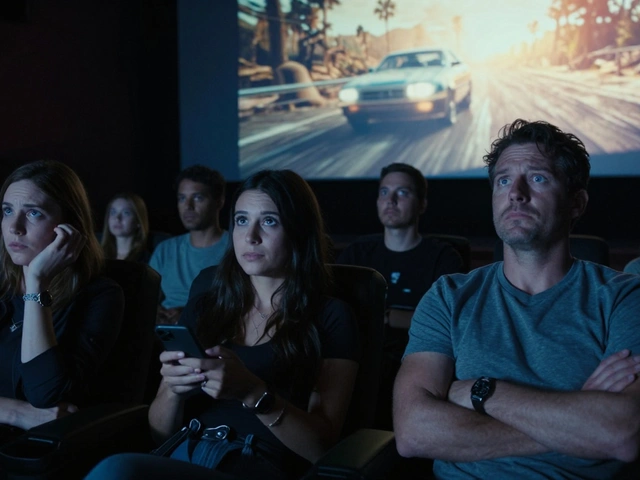
It’s not enough to be good. You have to be undeniable. That means your story needs to hook the audience in the first ten minutes. If you’re a filmmaker reading this, ask yourself: does my opening scene scream "watch me"? If you’re a viewer, keep an eye out for those moments. They are usually the ones that get picked up for wider release.
Spotting the Next Big Directors
How do you identify talent before it becomes famous? Look at the credits. Many current stars started as assistants or worked in other departments. But the true breakout directors share certain traits. They possess a unique visual language. Think about the early works of Greta Gerwig or Barry Jenkins. Their styles were unmistakable even then.
At the 2026 festival, several names are buzzing. These directors aren’t just telling stories; they’re redefining genres. For instance, horror isn’t just about jump scares anymore. It’s becoming a vehicle for social commentary. Films exploring grief, identity, and societal pressure through a supernatural lens are gaining traction. This trend reflects broader cultural anxieties. Audiences want to feel something real, even if the setting is fantastical.
Another signal is the use of non-professional actors. Some emerging filmmakers cast locals or people with lived experience rather than trained professionals. This approach adds authenticity that polished performances sometimes lack. It’s risky, sure. But when it works, it creates an emotional connection that feels genuine. Keep an ear out for these casting choices. They often indicate a director who prioritizes truth over polish.
Breakout Projects and Market Trends
What makes a project a "breakout"? Usually, it’s a combination of critical acclaim and commercial viability. In 2026, we’re seeing a surge in hybrid genres. Comedy-dramas that tackle heavy topics with lightness are performing well. Also, international co-productions are rising. Sundance isn’t just American anymore. Stories from Africa, Asia, and Latin America are finding homes in US markets.
Let’s look at the data. Distribution deals at Sundance have grown in value, but the number of deals hasn’t necessarily increased at the same rate. This means competition is fierce. Only the most compelling projects get significant backing. Buyers are cautious. They want proof of concept. Trailers, social media buzz, and audience reaction during screenings play huge roles in these decisions.
| Factor | Impact Level | Why It Matters |
|---|---|---|
| Audience Reaction | High | Direct indicator of market appeal; drives word-of-mouth. |
| Critical Reviews | Medium-High | Influences awards and prestige, boosting long-term sales. |
| Social Media Buzz | Medium | Shows viral potential; attractive to streaming platforms. |
| Director’s Track Record | Low-Medium | Less relevant for debuts, but crucial for established indies. |
This table highlights what buyers prioritize. Notice that audience reaction tops the list. Why? Because streaming services need content that keeps subscribers engaged. A film that generates conversation online is valuable. It reduces marketing costs because the audience does part of the work.
The Role of Technology and Accessibility
Technology has democratized filmmaking. Cameras are cheaper. Editing software is more accessible. This allows emerging filmmakers to produce high-quality visuals without million-dollar budgets. But technology also changes storytelling. Virtual production techniques, once reserved for blockbusters, are trickling down to indie sets. This allows for creative world-building that was previously impossible.
However, don’t confuse tech with substance. A cool drone shot doesn’t save a bad script. The best projects balance innovation with emotional depth. Look for films that use technology to enhance the story, not distract from it. For example, using digital effects to visualize mental health struggles can be powerful. Using them just because they’re available is lazy.
Accessibility also plays a role. More films are being made with diverse crews and casts. This leads to richer narratives. When you watch a film made by someone from a different background, you gain perspective. Sundance champions this diversity. It’s not just a checkbox; it’s a competitive advantage. Unique perspectives attract niche audiences who are loyal and vocal.
From Festival to Fame: The Distribution Path
So, you’ve spotted a great film. What happens next? The journey from Sundance to wide release varies. Some films get acquired immediately. Others wait months for a deal. Streaming platforms dominate this landscape. Netflix, Hulu, Amazon Prime, and Apple TV+ are aggressive buyers. They offer upfront payments and global reach.
But there’s a downside. Streaming deals can bury films quickly. A movie might premiere in January and vanish by February if it doesn’t perform well initially. Traditional theatrical releases are rarer for indies unless they win major awards. Winning the Grand Jury Prize often guarantees a theatrical run. Without it, many films go straight to digital.
Filmmakers need to navigate this carefully. Choosing the right distributor matters. A smaller company might fight harder for a film’s visibility than a giant conglomerate. It’s about partnership, not just payment. Emerging talent should look for distributors who understand their vision and will invest in marketing.
Practical Tips for Watching and Following
If you can’t attend Sundance in person, don’t worry. Digital access has improved. Many films stream shortly after their premiere. Follow industry insiders on social media. People like critics, programmers, and journalists provide real-time reactions. Their insights help filter the noise.
Create a watchlist based on genre interests. If you love psychological thrillers, focus on those sections. Don’t try to watch everything. Quality over quantity. Pick three to five films that generate buzz and dive deep. Read interviews with the directors. Understand their influences. This context enriches the viewing experience.
Also, pay attention to short films. Many emerging directors start here. Shorts are quick, impactful, and often preview future features. Spotting talent in shorts is a skill. It shows you’re ahead of the curve. When that director releases a feature two years later, you’ll already be a fan.
Challenges Facing New Talent
Despite the opportunities, challenges remain. Funding is still tight. Investors are skeptical. They prefer safe bets. This forces filmmakers to be resourceful. Crowdfunding remains popular. Platforms like Kickstarter help build community support before production begins. It validates demand. If people pre-order tickets or donate, you know you have an audience.
Mental health is another concern. The pressure to succeed can be overwhelming. Festivals are intense. Rejection is common. Even successful films face harsh criticism. Building resilience is crucial. Support networks matter. Collaborative environments foster creativity. Isolation kills it.
Finally, sustainability. Touring festivals is expensive. Carbon footprints are scrutinized. Virtual events helped during the pandemic, but in-person connections drive deals. Finding a balance between physical presence and digital efficiency is key for modern filmmakers.
How do filmmakers get into Sundance?
Filmmakers submit their work through the official Sundance Institute submission platform. There is a fee for each entry, though waivers are available for some. Selection is highly competitive, with thousands of entries vying for around 100 slots. Key factors include originality, technical quality, and narrative strength. Early submissions often receive more attention from programmers.
Do all Sundance films get distributed?
No. While many films secure distribution deals, especially those winning awards or generating buzz, a significant number do not. These films may self-distribute, go straight to video-on-demand, or remain limited to festival circuits. Getting a deal depends on market conditions, buyer interest, and the film's perceived commercial potential.
What is the significance of the Grand Jury Prize?
The Grand Jury Prize is the highest honor at Sundance. Winning it significantly boosts a film's visibility and market value. It often leads to better distribution terms, wider theatrical releases, and increased media coverage. For emerging filmmakers, it can be a career-defining moment, attracting attention from major studios and investors.
Can I watch Sundance films from home?
Yes, in recent years, Sundance has offered virtual attendance options. Selected films are available for streaming online for a limited time after their premiere. However, not every film is included in the virtual lineup. Check the official Sundance website for specific availability details closer to the festival dates.
Why are emerging filmmakers important to the industry?
They bring fresh perspectives, innovative storytelling techniques, and diverse voices that challenge mainstream norms. Studios rely on festivals like Sundance to discover new talent and test concepts that might be too risky for traditional development pipelines. This influx of new ideas keeps the industry dynamic and prevents stagnation.