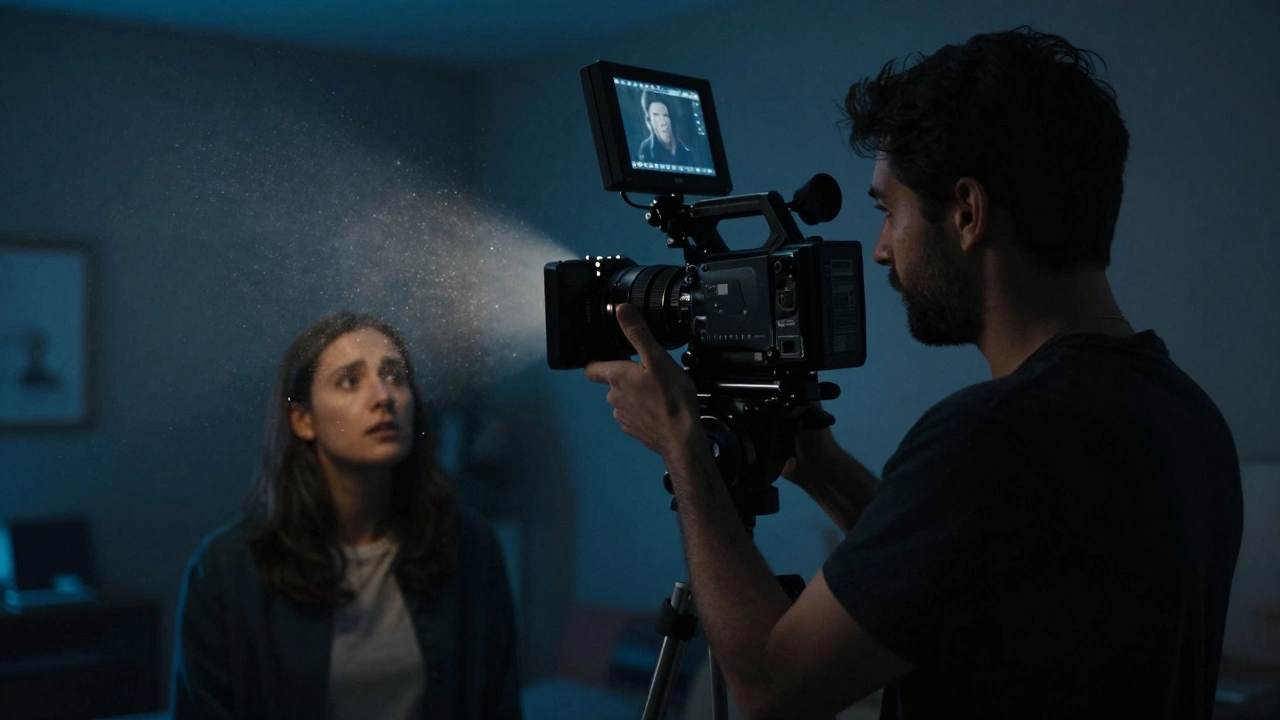
When the camera starts rolling, the room changes. The air gets thinner. People adjust their posture, their tone, even their breathing. This isn't just performance anxiety; it's a fundamental shift in the social contract. In documentary filmmaking, the relationship between the filmmaker and the subject is not merely logistical-it is ethical, psychological, and deeply political. You aren't just recording reality; you are intervening in it.
For decades, the industry myth was that the camera is an invisible fly on the wall. We were told to be objective, detached, and neutral. But anyone who has held a lens knows this is a lie. Your presence alters the event. Your questions shape the answers. Your editing choices define the truth. If you want to make honest work, you have to stop pretending you're invisible and start asking hard questions about trust, power, and responsibility.
The Myth of Neutrality and the Reality of Intervention
We need to kill the idea of "objective" documentary once and for all. Every frame is a choice. Every cut is an opinion. When you decide to film a protest from behind the police line rather than with the protesters, you’ve already taken a stance. When you choose to interview the CEO but not the laid-off worker, you’ve constructed a narrative.
This concept is often called reflexivity. It means acknowledging that you are part of the story. The best documentarians don’t hide their bias; they examine it. They ask: Why am I here? Who gave me permission? What do I gain from this person’s pain?
Consider the case of Sicko by Michael Moore. Critics argued he manipulated situations for dramatic effect. Supporters argued he exposed systemic truths that traditional journalism ignored. Both sides agree on one thing: Moore was not neutral. He was an active participant. The question isn’t whether he intervened-it’s whether his intervention served the truth or his ego.
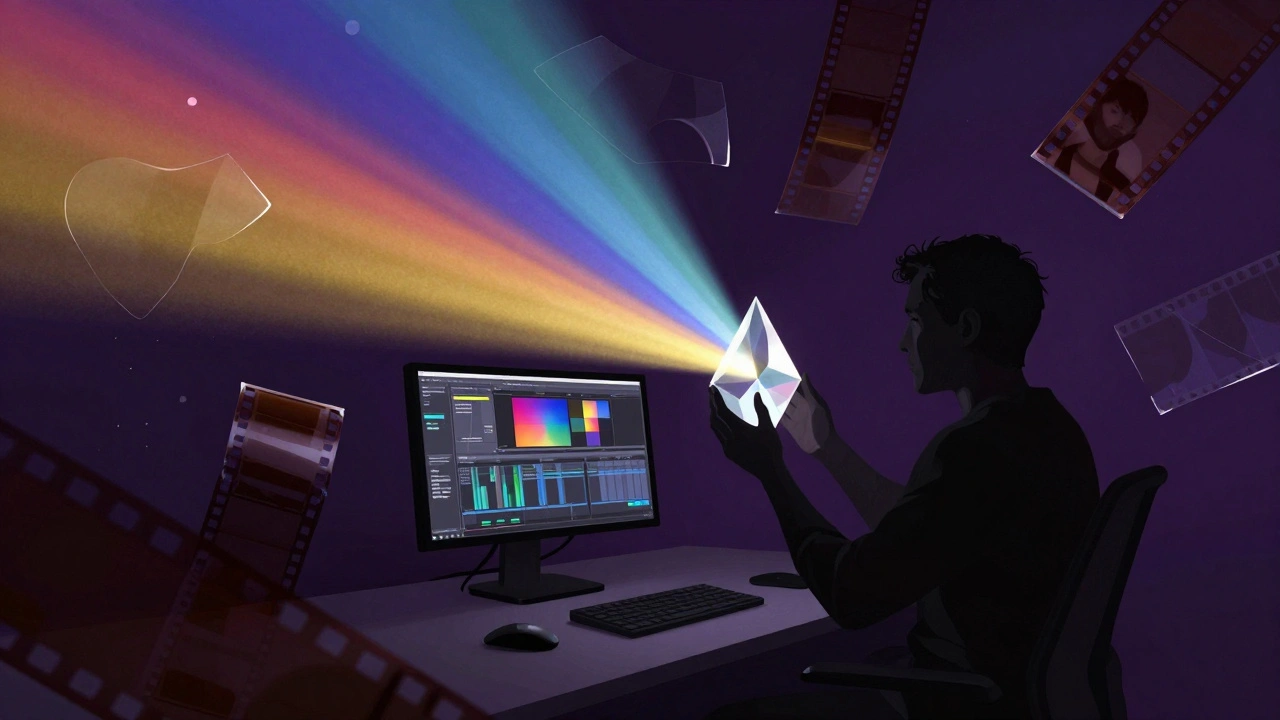
As a filmmaker, your job isn’t to be a mirror. It’s to be a prism. You break light into colors. You reveal hidden spectra. But you must never pretend you’re not there.
Building Trust: Beyond the Signed Release Form
Trust is the currency of documentary. Without it, you get rehearsed answers, guarded emotions, and subjects who withdraw when the camera turns off. With it, you get vulnerability, nuance, and moments that couldn’t be staged.
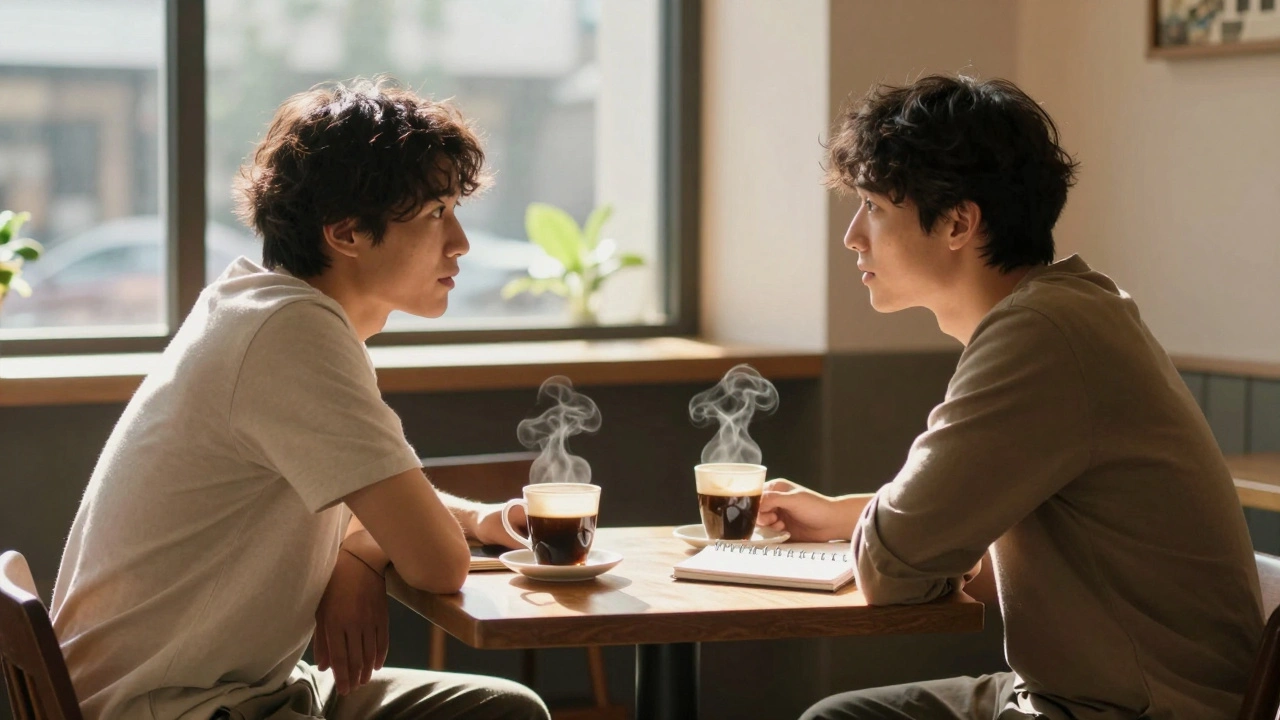
But trust isn’t built in a day. It’s built over months, sometimes years. It’s built in coffee shops without cameras. It’s built in listening more than talking. It’s built in showing up consistently, even when nothing “newsworthy” is happening.
Many filmmakers rush this phase. They secure a location, sign a release form, and start shooting. That’s a mistake. A release form is legal protection, not ethical consent. True consent is ongoing. It’s checking in: “Are you still comfortable with this?” “Do you understand how this might look in context?” “Can we pause?”
I worked on a project about rural healthcare access in Appalachia. One subject, a nurse named Elena, agreed to be filmed initially. But halfway through, she realized her employer might fire her if her union activities were visible. She didn’t say no outright-she hesitated. I stopped filming. We talked. I adjusted the framing to protect her identity. That decision didn’t save the shot, but it saved the relationship. And later, when she felt safe, she shared something far more powerful than any initial interview.
Trust is fragile. Once broken, it doesn’t come back. And in documentary, where you’re often dealing with trauma, poverty, or injustice, breaking trust isn’t just unprofessional-it’s harmful.
Power Dynamics: Who Holds the Camera?
Let’s be honest: the person holding the camera holds the power. You decide what gets recorded. You decide what gets cut. You decide how someone is portrayed. Even if you promise “no edits,” you’re still curating reality.
This power imbalance is especially dangerous when filming marginalized communities. Filmmakers from privileged backgrounds often enter these spaces as tourists, extracting stories for festivals, grants, or career advancement. This is sometimes called poverty porn-exploiting suffering for aesthetic or commercial gain.
Ask yourself: Who benefits from this film? Is it the subject? Or is it you? Are you giving them a platform, or are you using their pain as a stepping stone?
There’s also the issue of representation. Who tells whose story? For too long, documentaries about Black, Indigenous, and immigrant communities were made by outsiders who didn’t share their lived experience. The result was often misrepresentation, stereotyping, or outright distortion.
The solution isn’t to ban outsider filmmakers. It’s to demand collaboration. Hire local crew. Share creative control. Compensate fairly. Credit properly. Let subjects review rough cuts-not to censor, but to ensure accuracy and dignity.
In 2019, the documentary Honeyland won the Oscar for Best International Feature. Its directors, Tamara Kotevska and Ljubomir Stefanov, spent years living with the protagonist, Hatidže Muratova, in rural North Macedonia. They didn’t parachute in. They embedded. They learned her language. They respected her rhythms. The film feels authentic because the relationship was real.
Ethical Responsibility: Protecting the Vulnerable
Documentary filmmakers have a duty of care. This isn’t just about avoiding lawsuits. It’s about preventing harm. Harm can be physical, emotional, reputational, or financial.
Consider the case of The Act of Killing, which followed perpetrators of Indonesian genocide reenacting their crimes. The film was groundbreaking, but some critics argued it allowed abusers to glorify themselves without accountability. Others argued it forced them to confront their actions in a way no court could. There’s no easy answer. But the filmmaker, Joshua Oppenheimer, acknowledged the risk. He said he had to balance historical truth with moral responsibility.
Here are practical steps to reduce harm:
- Informed Consent: Explain exactly how footage will be used. Show examples. Ask specific questions.
- Anonymity Options: Offer blurring, voice alteration, or pseudonyms if requested.
- Trauma-Informed Approach: Work with psychologists or community leaders when filming sensitive topics.
- Post-Film Support: Check in after release. Be available if the subject faces backlash.
- Compensation: Pay subjects fairly, especially if they’re risking safety or privacy.
Remember: Just because you *can* film something doesn’t mean you *should*. Sometimes the most ethical choice is to put the camera down.
Editing as Ethics: The Final Truth
Editing is where the real storytelling happens-and where the biggest ethical risks lie. You can take hours of footage and create a narrative that never existed. You can juxtapose two unrelated clips to imply causation. You can silence dissenting voices.
This is why transparency matters. Some filmmakers include disclaimers: “This edit reflects my perspective.” Others invite subjects to view rough cuts. Still others publish behind-the-scenes notes explaining editorial decisions.
Take 13th by Ava DuVernay. The film argues that the U.S. prison system is a continuation of slavery. Critics questioned some historical connections. DuVernay responded with detailed citations and interviews with scholars. She didn’t shy away from debate. She engaged with it.
Editing isn’t just technical. It’s moral. Every cut is a judgment call. Ask yourself: Am I representing this person fairly? Am I distorting context for drama? Am I prioritizing entertainment over truth?
Collaborative Models: Sharing Power
The future of documentary lies in collaboration. Instead of “extracting” stories, try co-creating them. Invite subjects to be co-directors, editors, or producers. Share profits. Credit equally.
One model gaining traction is participatory cinema, pioneered by Jean Rouch and later expanded by filmmakers like Trinh T. Minh-ha. In participatory cinema, the subject isn’t just observed-they’re involved in shaping the narrative. They ask questions. They challenge the filmmaker. They help decide what’s shown.
This approach takes longer. It’s messier. It requires humility. But it produces richer, more accurate stories. And it redistributes power.
If you’re working with a community, consider forming an advisory board. Include local leaders, activists, and potential subjects. Meet regularly. Listen more than you speak. Let their concerns guide your process.
| Approach | Power Dynamic | Subject Role | Risk of Exploitation |
|---|---|---|---|
| Observational | Filmmaker-controlled | Passive | High |
| Interview-based | Filmmaker-led | Active but limited | Medium |
| Participatory | Shared | Co-creator | Low |
| Self-reflexive | Acknowledged | Critical observer | Low-Medium |
Conclusion: Filmmaking as Relationship
At its core, documentary is about relationships. Not just between filmmaker and subject-but between filmmaker and audience, between past and present, between truth and interpretation.
If you approach your next project with humility, curiosity, and respect, you’ll make better films. More importantly, you’ll build trust that lasts beyond the credits. And in a world hungry for authenticity, that’s worth more than any award.
What is the most important ethical principle in documentary filmmaking?
The most important principle is informed consent. Subjects should fully understand how their image and words will be used, and they should feel free to withdraw at any time without penalty.
How can filmmakers avoid exploiting vulnerable subjects?
By building long-term relationships, offering compensation, providing anonymity options, and involving subjects in creative decisions. Always ask: Who benefits from this film?
Is it possible to make an objective documentary?
No. All documentaries involve subjective choices in framing, editing, and narration. The goal isn’t objectivity-it’s honesty about your perspective and process.
What is participatory cinema?
Participatory cinema involves subjects as co-creators, allowing them to shape the narrative, ask questions, and influence editing decisions. It redistributes power and reduces exploitation.
Should filmmakers show rough cuts to subjects?
Yes, especially when dealing with sensitive topics. It ensures accuracy, builds trust, and allows subjects to correct misunderstandings. However, final creative control usually remains with the filmmaker.