Key Takeaways
- Rentals are best for high-demand new releases and occasional viewers.
- Subscriptions win for frequent watchers and those who love exploring deep catalogs.
- Hybrid strategies-switching services monthly-often provide the best value.
- Digital ownership (buying) is becoming rarer but remains a hedge against content rotation.
The Mechanics of Digital Movie Rentals
When you opt for a rental, you're essentially paying for a temporary license. In the industry, this is known as Transactional Video on Demand or TVOD. You aren't buying the movie; you're buying a window of time. Usually, once you hit "play," a timer starts-typically 48 hours-after which the movie vanishes from your library.
This model is the primary way Apple TV and Amazon Prime Video handle new theatrical releases. It's a direct-to-consumer pipeline that allows studios to monetize a film before it hits a cheaper subscription tier. If you're the type of person who wants to see the latest hit the second it's available to avoid spoilers on social media, TVOD is your only real path.
The big draw here is specificity. You aren't paying for a library of 5,000 movies you'll never watch. You're paying for the one movie you actually want. For someone who only watches a movie once every few weeks, spending $6 once is far cheaper than paying $18 a month for a service they barely use.
Breaking Down Streaming Subscriptions
On the flip side, we have Subscription Video on Demand, or SVOD. This is the world of Netflix, Disney+, and Max. Instead of paying per title, you pay a flat monthly fee for unlimited access to a curated library.
The value proposition here is volume. If you watch more than three rented movies a month, the math almost always favors a subscription. But the real magic of SVOD isn't just the cost; it's the discovery. Because you've already paid the fee, there's zero financial risk in clicking on a weird indie documentary or a foreign language film you've never heard of. This "low stakes" browsing is how most people find their new favorite directors.
However, the "subscription trap" is real. Many of us keep paying for services we stopped using six months ago. It's a psychological trick called the endowment effect-we feel like we're losing access to a vast library, even if we're only using it to watch one specific show.
| Feature | Film Rentals (TVOD) | Subscriptions (SVOD) |
|---|---|---|
| Cost Structure | Pay-per-view | Flat monthly fee |
| Access Duration | Limited (e.g., 48 hours) | Unlimited (while subscribed) |
| Content Freshness | Immediate new releases | Delayed or platform-exclusives |
| Ideal User | The "Occasional Viewer" | The "Binge Watcher" |
| Risk Factor | Paying for a movie you hate | Paying for a service you don't use |
When to Choose Film Rentals
Rentals are the clear winner when you have a "hit-driven" viewing habit. If your movie-watching is tied to major events-like the Oscars season or the release of a massive superhero movie-don't bother with a subscription. The most anticipated films almost always land on Google TV or Apple TV as rentals long before they are "free" on a subscription platform.
Consider the scenario of a "Movie Night" tradition. If you and your friends gather once a month to watch one specific, highly-rated film, renting is the only logical move. Paying for a monthly subscription just to watch one movie and then letting the account sit idle is essentially paying a premium for the privilege of not using the service.
Rentals also provide a level of quality control. Most TVOD platforms offer 4K HDR options as a standard for rentals, whereas some subscription tiers now hide 4K behind a more expensive "Premium" plan. If you have a high-end home theater setup and only care about the absolute best visual quality for a few specific films, the rental route often ensures you get the highest bitrate available.
When Subscriptions Make More Sense
If your relationship with film is more about exploration than destination, go for the subscription. SVOD services are designed for the "lean back" experience. When you don't know what you want to watch, but you know you want to watch *something*, the algorithm-driven libraries of platforms like Netflix are unbeatable.
Subscriptions are also vital for families. If you have kids, the cost of renting every single animated movie they want to see for the tenth time would be staggering. The Disney+ model, for instance, turns a library into a utility. It's not a series of purchases; it's a digital playground where the cost is predictable and fixed.
Another factor is the "ecosystem" benefit. Many subscriptions come bundled with other services. For example, some mobile phone plans or credit cards include a subscription to a streaming service as a perk. In those cases, the cost is effectively zero, making any individual rental a waste of money unless it's a brand-new release not yet available on the platform.
The Hidden Middle Ground: Digital Ownership
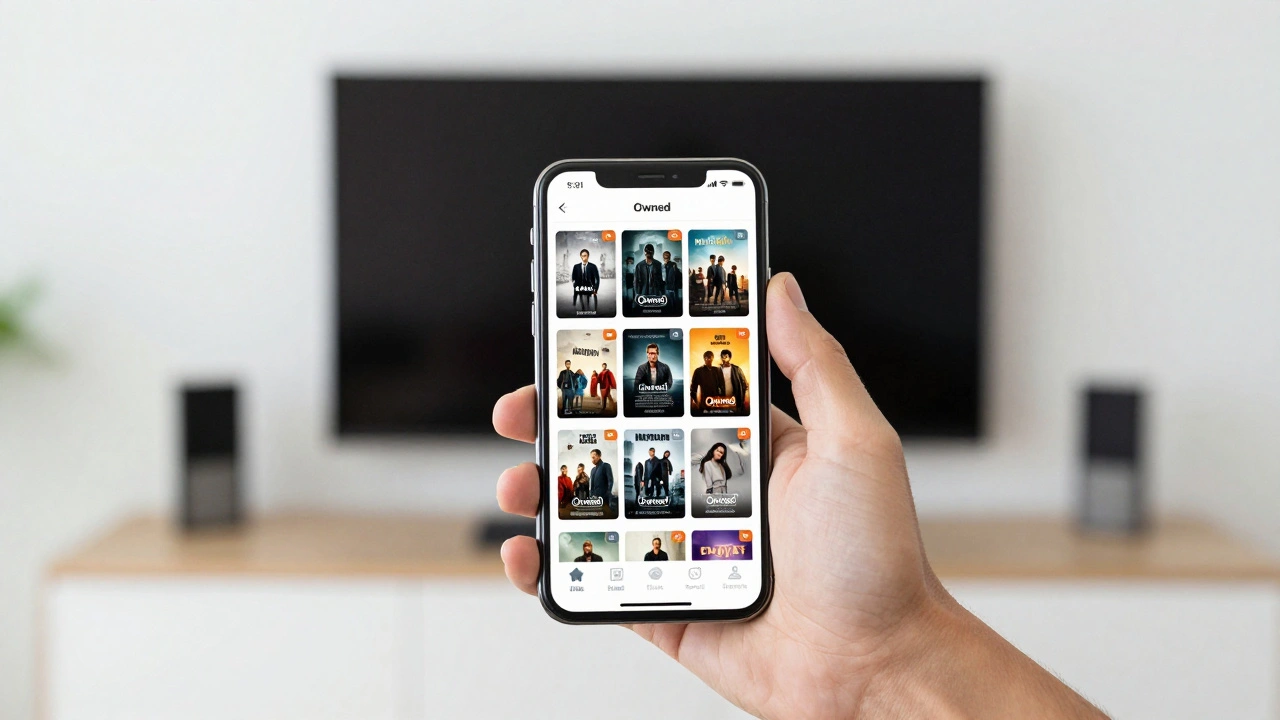
We've talked about renting and subscribing, but there's a third player: Digital Purchase. This is when you pay a higher one-time fee (usually $15-$25) to own the movie permanently in your digital locker.
Why would anyone do this in 2026? Because of "content purging." We've seen it happen with Max and Disney+-titles that were available one day are gone the next due to licensing shifts or tax write-offs. If there is a movie that is central to your identity or one you know you'll watch every single year, owning it is the only way to guarantee it doesn't disappear.
Digital ownership is essentially an insurance policy against the instability of the streaming wars. While a subscription is a lease on a library, and a rental is a short-term pass, a purchase is a deed. It's a more expensive upfront cost, but it eliminates the monthly "subscription tax" and the 48-hour ticking clock.
Developing a Hybrid Viewing Strategy
The smartest viewers don't pick one side; they play the system. The most cost-effective way to consume media today is through "subscription hopping." This involves subscribing to one service for a month, watching everything on your watchlist, and then cancelling it immediately to move to another service.
Combine this with a strict "Rent vs. Buy" rule: if you've wanted to see a movie for more than three months, rent it. If you've watched a movie three times in one year, buy it. If you just want to browse for a rainy Sunday, use a subscription. By categorizing your movies into these three buckets-Essential, Occasional, and Exploratory-you can cut your entertainment spending by 40% or more.
Avoid the trap of "Auto-Renew." Set a calendar reminder for the day before your subscription renews. If you haven't opened the app in two weeks, let the subscription die. You can always sign up again when a new season of your favorite show drops. The companies rely on your forgetfulness to keep their churn rates low; don't let your bank account be the victim of that strategy.
Do rentals expire immediately after 48 hours?
Usually, you have 30 days to start watching a rental. Once you hit the play button, the 48-hour window begins. After those 48 hours, you lose access unless you pay a small fee to "renew" the rental for another window.
Is the quality of a rental better than a subscription stream?
Often, yes. TVOD platforms like Apple TV frequently provide higher bitrates for 4K content because they are selling a premium product. Some SVOD services compress their video more aggressively to save bandwidth, which can result in more "banding" in dark scenes.
Can I turn a rental into a purchase?
Many platforms allow this. If you rent a movie and realize you love it, you can often pay the difference between the rental price and the purchase price to keep it in your digital library permanently.
Which is better for kids' movies?
Subscriptions are almost always better for children's content. Because kids tend to watch the same film repeatedly, paying for a subscription provides unlimited replays without the stress of a 48-hour expiration timer.
What happens to my 'purchased' movies if the platform goes under?
This is the biggest risk of digital ownership. You don't own the file; you own a license to access it. If a store closes or loses a license, you could potentially lose access. For true permanence, physical media like Blu-ray is still the only foolproof option.
Next Steps for Your Home Cinema
If you're feeling overwhelmed by your monthly bills, start by auditing your current subscriptions. Look at your last 30 days of viewing history. If you spent more time scrolling than watching, it's time to cancel and move to a rental-based model for a while. For those who want to maximize value, try the "one-in, one-out" rule: you can only have one active movie subscription at a time. When you want to switch to a different library, you must cancel the current one first.
For the power users, consider a dedicated media tracking app. Keep a list of movies you want to see. When three or four of those titles land on the same subscription service, that's your signal to subscribe for one month, clear the list, and then vanish. This approach keeps your costs low while ensuring you never miss a high-quality release.






Comments(9)