You pay for the bundle. You get a rotating door. That is the reality of streaming bundles in 2026. We are not just watching movies anymore; we are managing inventory. The promise was simple: one login, endless entertainment. The result is a complex web of exclusives, day-and-date releases, and titles that vanish without warning. Before you renew your annual plan, let’s look at what is actually inside those boxes and whether the math still works out.
The Anatomy of a Modern Bundle
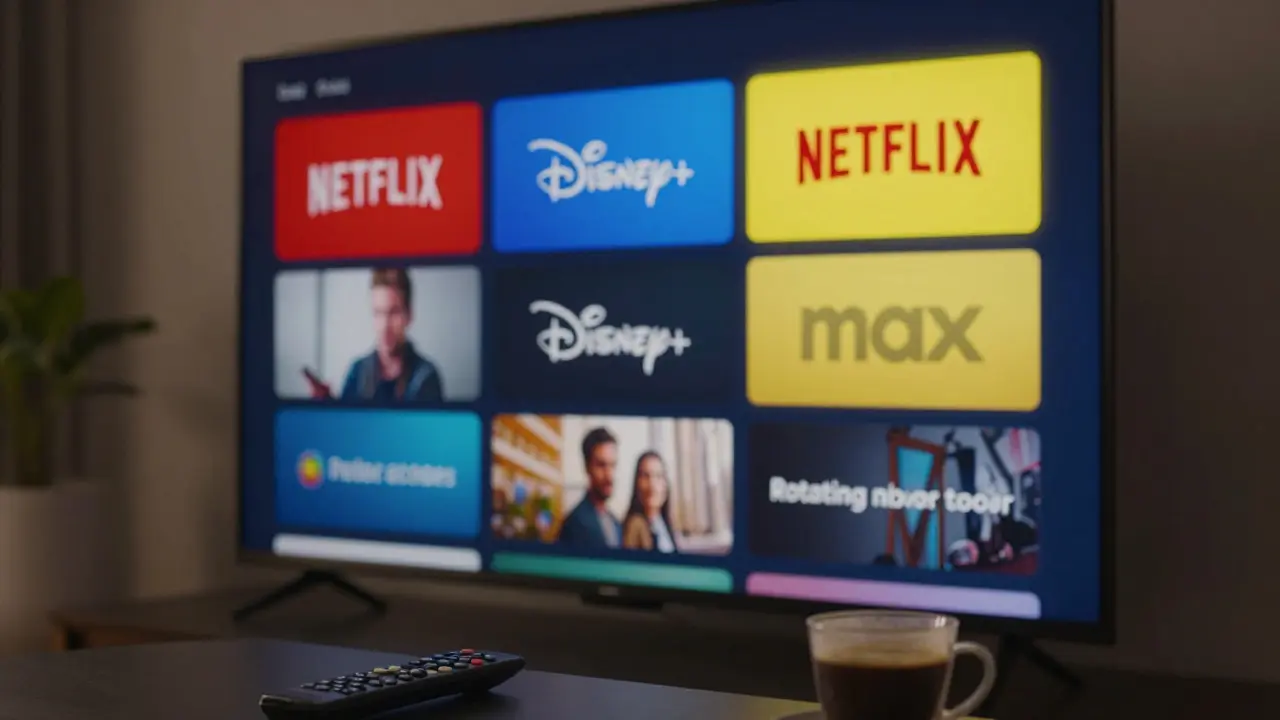
A typical streaming bundle in 2026 is rarely a single service. It is an ecosystem. Major players like Disney+ a major streaming platform owned by The Walt Disney Company featuring content from Marvel, Star Wars, Pixar, and National Geographic, Netflix a global leader in original programming and licensed content with a vast library of films and series, and Max a streaming service combining Warner Bros. Discovery content with HBO originals often appear together in family plans or ad-supported tiers. These bundles reduce the monthly cost per service but increase the cognitive load of navigation. You are no longer choosing between three apps; you are navigating three distinct algorithms within a single interface.
The structure has shifted from "all-you-can-eat" to "curated access." Studios now hold back their biggest hits for exclusive windows. A movie might be on Hulu a streaming service known for next-day cable episodes and a mix of original and licensed content for two weeks, then move to a physical release window, before finally landing in a bundle. This fragmentation means your "library" is never static. It is a flow.
What Is Really in the Library?
Let’s break down the actual content volume versus the perceived value. Most subscribers believe they have access to tens of thousands of titles. In reality, the "active" library-the titles currently available for streaming without extra fees-is much smaller. Studios rotate content based on licensing deals. A title can disappear from Amazon Prime Video a streaming and e-commerce platform offering a wide range of movies, TV shows, and live sports today because a licensing deal expired, only to reappear on PBS a public broadcasting service in the United States offering documentaries and classic films next month.
Here is a rough breakdown of what you typically find in a standard premium bundle:
- Originals: Exclusive content produced by the platform. These stay permanently (usually). Examples include Netflix’s *Stranger Things* or Max’s *Succession*.
- Licensed Hits: Recent blockbusters from other studios. These have short windows, often 3-6 months.
- Catalog Classics: Older films and series. These are the most volatile. They come and go based on rights negotiations.
- Day-and-Date Releases: Movies released in theaters and streaming simultaneously. This is becoming more common for mid-budget films to maximize immediate revenue.
The Economics of Ownership vs. Access
This is where the conversation gets tricky. For decades, buying a DVD or Blu-ray meant permanent ownership. Now, the default is rental or subscription access. But there is a third option gaining traction: Digital Ownership via platforms like Apple TV Store a digital storefront for purchasing and renting movies and TV shows or Vudu a digital video store allowing users to buy or rent movies and TV shows.
If you watch a specific franchise repeatedly, the math changes. Let’s say you love the *Star Wars* saga. On Disney+, it is included in your subscription. But if you want to own it forever, you might spend $5-$10 per digital copy. Over five years, that is $50-$100. Compare that to a $15/month subscription ($900/year) and you see why casual viewers stick to bundles. However, if a title leaves the platform, your access ends. You don’t lose the money, but you lose the content.
For collectors, this is a risk. For casual viewers, it is a feature. You only pay for what you watch right now.
Comparing the Major Bundles
Not all bundles are created equal. Some focus on quantity, others on quality. Here is how the major options stack up in terms of library stability and exclusivity.
| Service | Primary Strength | Library Stability | Exclusive Content Type | Ad-Free Option |
|---|---|---|---|---|
| Netflix | Original Series/Films | High (for originals) | Scripted Drama/Comedy | $22.99/mo |
| Max | Warner Bros./HBO Catalog | Medium (rotating licenses) | Prestige Drama | $19.99/mo |
| Disney+ | Familial Franchises | High (owned IP) | Animation/Live-Action Adaptations | $13.99/mo |
| Amazon Prime Video | Broad Catalog + E-commerce | Low (heavy rotation) | Mixed (Movies/Series) | $14.99/mo (add-on) |
Notice the trend: Services with high ownership of Intellectual Property (IP) like Disney+ offer higher stability. If Disney owns the movie, it stays. Services relying on third-party licenses like Amazon Prime Video have lower stability. Titles leave frequently. This is a critical factor when deciding which bundle to prioritize.
How to Maximize Your Bundle Value
You don’t need every service. You need the right combination. Here is a practical strategy to avoid paying for dead weight.
- Audit Your Watch History: Look at what you actually watched in the last six months. Did you watch mostly Netflix originals? Or did you stream a lot of older films from Max? If it’s 80/20, cut the 20% service.
- Track Rotation Dates: Apps like JustWatch or Reelgood track when titles leave a platform. Set alerts for your favorite shows. If a show is leaving Netflix next month, watch it before it disappears or switch to the platform where it lands.
- Use Ad-Supported Tiers Strategically: If you only watch one or two hours a week, the ad-supported tier saves 30-50% of the cost. The ads are annoying, but the savings add up over a year.
- Consider Physical Media for Favorites: If there is one series or film you will rewatch annually, buy the digital version or physical disc. It removes the anxiety of it disappearing from your bundle.
The Future of Streaming Libraries
Where is this going? The industry is moving toward "dynamic pricing" and "personalized bundles." Expect to see services where your price adjusts based on how many new releases you watch. If you binge a new season of a hit show, your rate might tick up slightly for that month. Conversely, if you only watch older catalog content, your rate might drop.
Also, the line between streaming and traditional broadcast is blurring. Networks like NBC a major American commercial broadcast television network and ABC a major American commercial broadcast television network are pushing more content directly to their streaming apps, reducing the reliance on third-party distributors. This means your "bundle" might soon include direct feeds from these networks, adding another layer of complexity.
The bottom line? Stop thinking of streaming as a permanent library. Think of it as a magazine subscription. You get the latest issue, plus access to some back issues. When the back issues rotate out, you don’t panic. You just wait for the next cycle. Or, you buy the collector’s edition. It depends on what you value: convenience or permanence.
Frequently Asked Questions
Do streaming bundles guarantee lifetime access to all movies?
No. Only original content produced by the studio is guaranteed to remain on the platform indefinitely. Licensed content from other studios is subject to contract expiration and may be removed at any time without notice.
Is it cheaper to buy digital movies or subscribe to streaming services?
It depends on your viewing habits. If you watch a wide variety of content, subscriptions are cheaper. If you rewatch a small number of specific titles frequently, buying them digitally (approx. $5-$15 each) becomes more cost-effective over three to five years.
What happens to my downloaded movies if I cancel my subscription?
Most streaming services lock downloaded files when you cancel. You usually have a grace period (often 7-30 days) to finish watching before the files become unplayable. Purchased digital downloads from stores like Apple TV remain accessible regardless of subscription status.
Which streaming service has the most stable library?
Services with high ownership of intellectual property, such as Disney+ and Netflix, generally have more stable libraries for their core content. Platforms relying heavily on third-party licensing, like Amazon Prime Video, experience higher rates of title rotation.
Are day-and-date releases better for quality?
Quality varies. Day-and-date releases often use the same master file as theatrical screenings, so visual quality is high. However, audio formats may differ. Home theater enthusiasts should check if the release includes Dolby Atmos or DTS:X tracks, which are not always present in simultaneous releases.