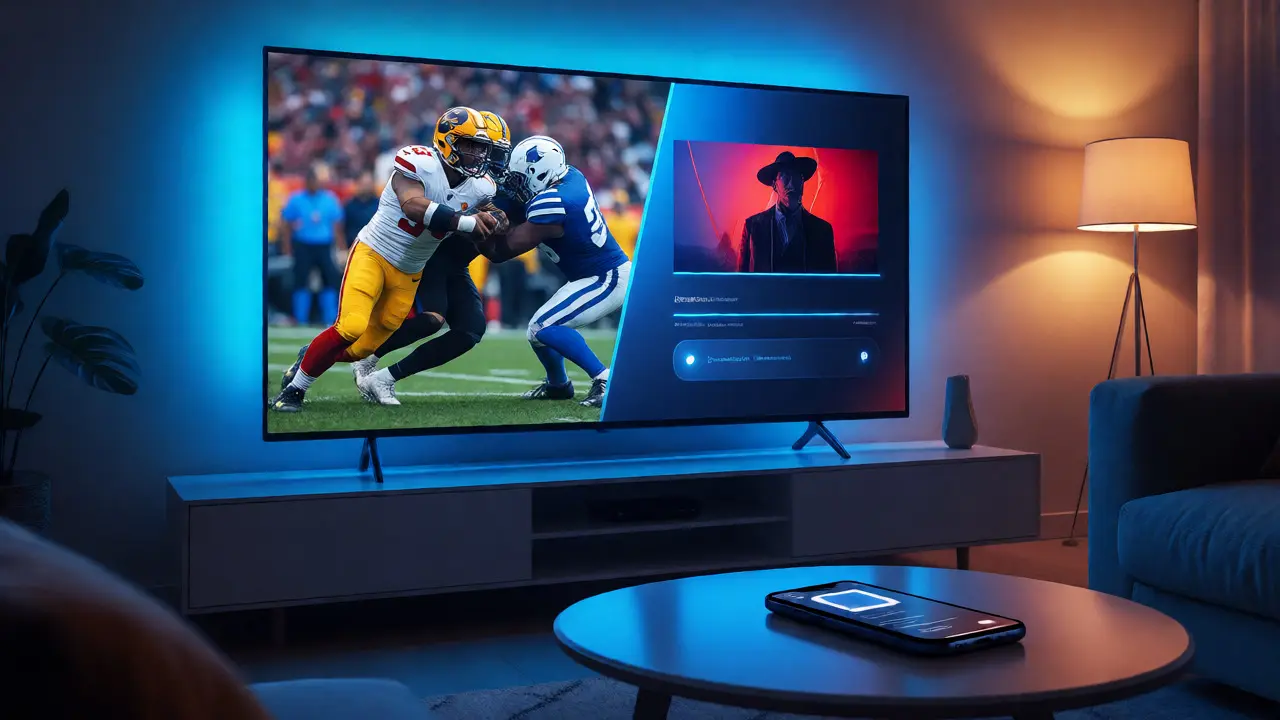
You’re watching the Super Bowl pre-game show, and suddenly a trailer for a new action movie drops. It feels natural, right? But ten years ago, that spot would have been filled with a detergent ad or a car commercial. The landscape of entertainment has shifted beneath our feet. Sports and Live Events are no longer just about the game; they are massive advertising engines and promotional platforms that fundamentally change how feature films are marketed and discovered. If you’re in the industry, ignoring this crossover is like trying to sell ice in Antarctica-you’re missing where the attention actually lives.
The Shift from Passive Viewing to Active Engagement
Traditional TV ads were passive. You sat there, saw the spot, and maybe remembered it. Streaming changes the dynamic because viewers control the pause button. When Amazon Prime Video acquired Thursday Night Football, they didn’t just buy sports rights; they bought a captive audience of millions who were already logged into a platform known for movies. This creates a unique opportunity for film promotion. Unlike a broadcast network where your ad disappears after 30 seconds, a streaming platform can push a personalized notification to your phone the moment the game ends: "You liked the intensity of the NFL? Check out this new thriller."
This isn't hypothetical. Data from recent NFL seasons shows that cross-promotion within streaming apps increases click-through rates for movie trailers by nearly 40% compared to traditional linear TV spots. Why? Because the context matches. You’re already in an entertainment mindset. The friction between watching a sport and starting a movie is almost zero. For marketers, this means the goal isn't just exposure; it's seamless transition.
Leveraging Live Events as Launchpads
Think about the biggest movie releases of the last few years. Did they rely solely on YouTube trailers? No. They leaned heavily into live event integration. When Apple TV+ launched its sports division, it wasn't just about soccer or baseball; it was about creating a hub where premium content lived side-by-side. A feature film promoting during a live tennis match on Apple TV+ benefits from the brand halo effect. Viewers associate the quality of the live broadcast with the quality of the film being promoted.
Here’s the practical takeaway for studios: Stop treating sports rights holders as separate entities from content distributors. They are now often the same company. Netflix doesn't just stream movies; they are experimenting with live events like stand-up specials and wrestling (WWE). Disney+ integrates ESPN directly into its interface. This consolidation means a single subscription fee grants access to both the blockbuster franchise and the championship game. Your promotional strategy must reflect this unified ecosystem. If your movie appeals to fans of high-stakes drama, target them during a boxing match, not just during a generic prime-time block.
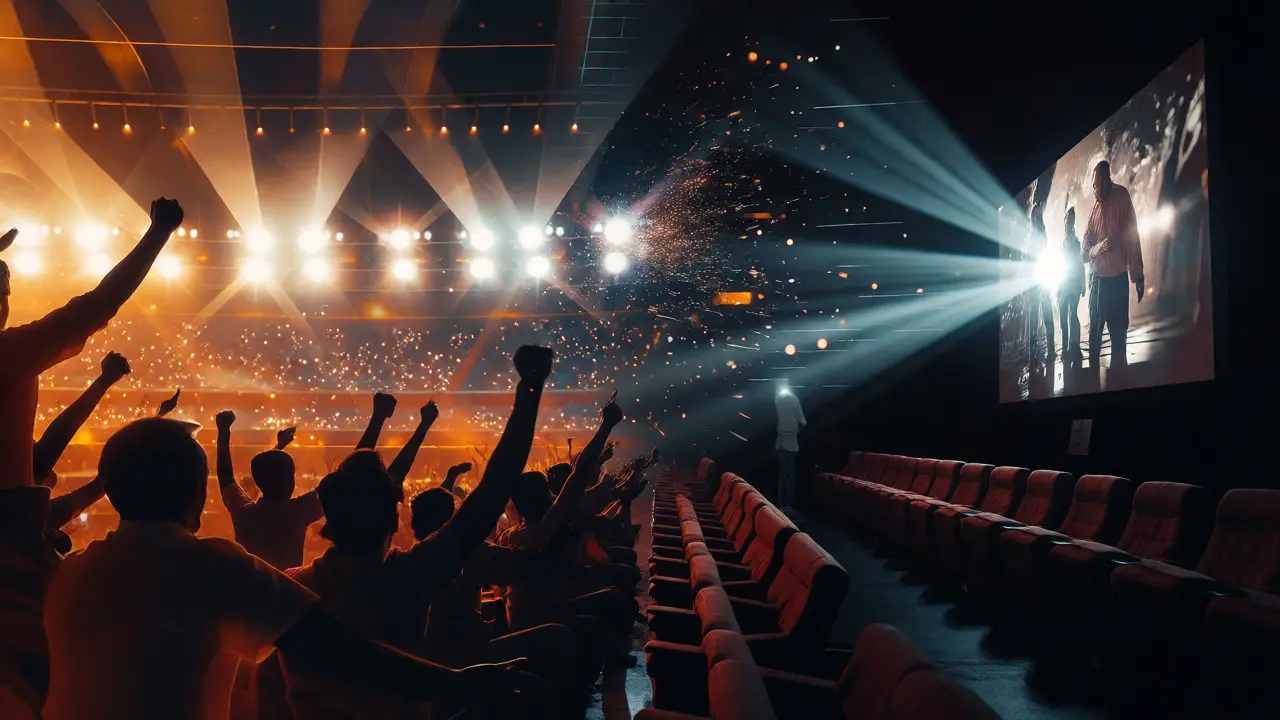
The Power of Cross-Pollination and Audience Overlap
Audience demographics for sports and cinema are more overlapping than ever. A study by Nielsen indicated that 65% of sports fans also watch at least one streaming service weekly. This overlap allows for sophisticated targeting. Imagine a documentary about a famous athlete. Promoting it only on sports channels limits its reach. But promoting it alongside narrative features on a general entertainment streaming tier captures the cinephiles who might not care about the stats but love the story.
| Channel | Audience Intent | Cost Efficiency | Conversion Potential |
|---|---|---|---|
| Traditional TV Ads | Passive viewing, low intent | Low (high CPM) | Low (no direct link) |
| Social Media Clips | Active scrolling, variable intent | Medium | Medium (algorithm dependent) |
| Live Event Integration | High engagement, emotional peak | High (contextual value) | High (direct app deep-linking) |
The table above highlights why live events are winning. The conversion potential is highest because the user is already engaged and emotionally charged. A trailer shown during a halftime show hits different when the viewer is already adrenaline-fueled. Studios need to map their genre to the emotional tone of the live event. Horror movies pair well with late-night sports talk shows or post-game analysis segments where the mood is darker and more introspective.
Crossovers: When Sports Become Cinema
Beyond promotion, we're seeing actual content crossovers. Biopics based on athletes are booming, but so are fictional narratives set in the world of sports. These films benefit from the built-in fanbase of the sport itself. However, the reverse is also true: sports documentaries are increasingly marketed like Hollywood blockbusters. They get red carpets, star-studded interviews, and wide theatrical releases before hitting streaming.
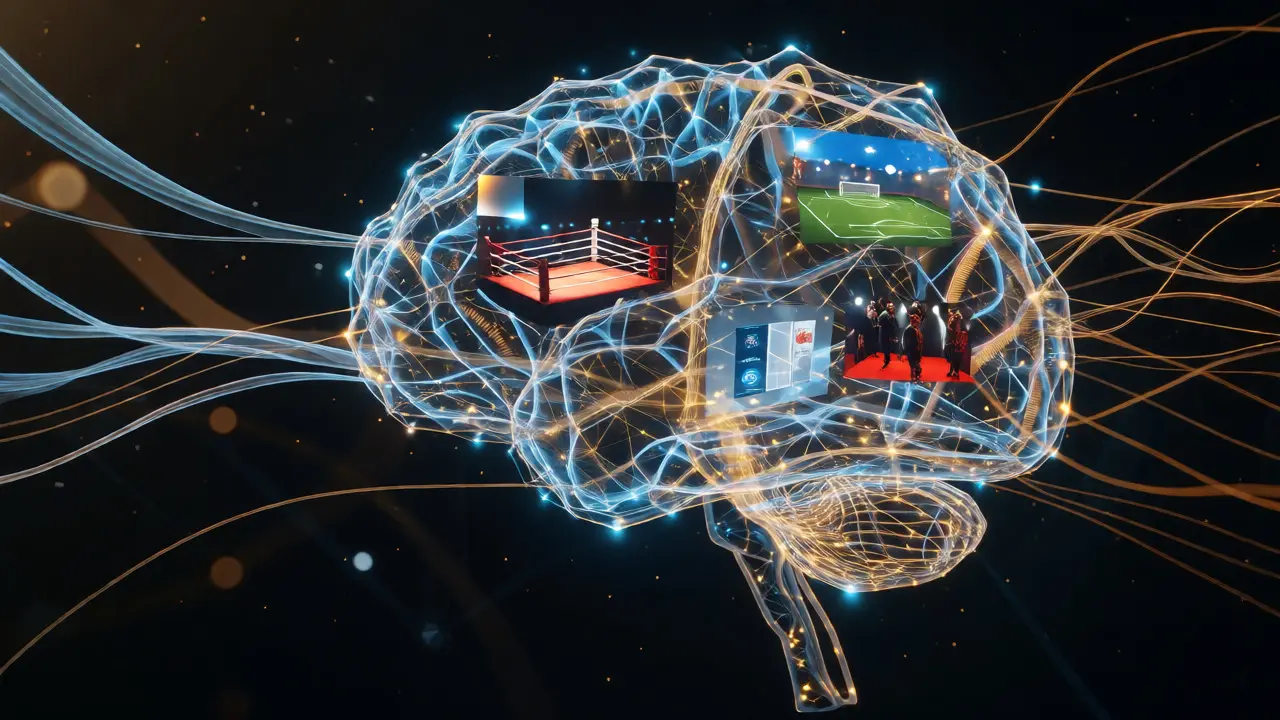
This blurring of lines requires a new kind of marketing playbook. You can't just target "movie watchers" or "sports fans." You have to target "story lovers." The success of films like Ford v Ferrari or King Richard proves that if the storytelling is strong, the sports barrier to entry vanishes. Streaming platforms facilitate this by using algorithms to recommend these films to users who watched related content, regardless of whether they follow the specific team or league. If you watched a racing video game highlight reel, you might see a recommendation for a Formula 1 documentary. That’s the power of data-driven crossover promotion.
Challenges in the New Landscape
It’s not all sunshine and revenue spikes. There are significant hurdles. First, fragmentation. While Amazon and Apple are consolidating, other leagues remain scattered across different providers. Finding a unified way to promote a film across all major sports streams is complex and expensive. Second, ad fatigue. Users are smart. If every break in a basketball game is interrupted by a movie trailer, they tune out. Authenticity matters. Integrated sponsorships, where the film’s theme aligns with the event (e.g., a superhero movie sponsoring a charity game), work better than disjointed interruptions.
Another issue is measurement. How do you attribute a ticket sale or a rental to a specific live event ad? Attribution models are still catching up. Most platforms use probabilistic modeling, which is good but not perfect. Marketers need to demand better analytics tools that track the journey from the live stream pause screen to the final purchase. Without clear ROI data, budgets will shift back to safer, traditional channels.
Future-Proofing Your Strategy
So, what does this mean for you? Whether you’re producing indie films or big-budget franchises, assume that your primary discovery channel is moving toward interactive, live-integrated environments. Start building relationships with sports tech companies. Look for partnerships that allow for real-time social media interactions tied to game moments. If your movie has a viral moment, piggyback it onto a trending sports hashtag.
Also, consider the global aspect. Soccer is the world’s biggest sport. Streaming services like DAZN and Peacock are expanding globally. A local indie film might find unexpected international audiences through niche sports communities on these platforms. Don’t limit your view to domestic markets. The crossover potential is borderless.
How do streaming services measure the effectiveness of film promotions during live sports?
Streaming services primarily use attribution modeling and first-party data tracking. They monitor user behavior after an ad impression, such as clicking a trailer, adding a movie to a watchlist, or renting/buying the film within a specific timeframe. Advanced platforms use machine learning to correlate live event viewership patterns with subsequent content consumption, allowing for precise ROI calculation.
Can independent films benefit from sports streaming promotions?
Yes, absolutely. Independent films with themes related to competition, underdogs, or human endurance often resonate well with sports audiences. By targeting niche sports streams or specific demographic segments within larger sports broadcasts, indie filmmakers can achieve high engagement rates at a lower cost than competing for prime-time slots against blockbusters.
What is the risk of over-saturating live events with movie ads?
Over-saturation leads to ad blindness, where viewers ignore promotional content entirely. It can also degrade the user experience, causing churn. To mitigate this, platforms are moving toward native advertising formats, such as sponsored segments or interactive polls related to the film, rather than traditional interruptive commercials.
How does vertical integration affect film marketing strategies?
Vertical integration, where companies own both production studios and distribution/streaming platforms (like Disney or Amazon), allows for seamless cross-promotion. Studios can guarantee placement for their films within their own sports properties without bidding wars, leading to more predictable and cost-effective marketing campaigns.
Are live sports becoming more cinematic in their presentation?
Yes, broadcasters are adopting cinematic techniques such as higher frame rates, immersive audio, and narrative-driven commentary. This stylistic convergence makes the transition between watching a game and watching a movie less jarring for the viewer, enhancing the effectiveness of cross-platform promotions.