There is a quiet rebellion happening in the way independent films find their audience. While blockbusters dominate national releases with thousands of screens, indie directors are finding that a slow, deliberate rollout can do more for a film’s longevity than a massive opening weekend ever could. This isn't just about saving money; it's about controlling the narrative. When you limit your theatrical run, you force the audience to pay attention, creating a scarcity value that fuels organic conversation.
The core of this strategy relies on understanding the theatrical window as a defined period during which a film is exclusively available in movie theaters before moving to other platforms. For major studios, this window is rigid and long. For indies, it is fluid and strategic. By shortening or staggering this window, filmmakers create specific cultural moments rather than passive consumption events.
Why Scarcity Drives Conversation
Human psychology plays a huge role here. When something is available everywhere all the time, we tend to ignore it. But when a film is only playing in five cities, it becomes an event. Audiences tell each other, "You have to see this before it leaves town." This urgency transforms a movie night into a social ritual.
Consider the impact of limited engagement as a distribution tactic where a film is shown in a restricted number of locations for a set duration. It forces critics and influencers to prioritize the film. If it's only at one theater in New York, a local blogger might write a dedicated piece because they know the opportunity is fleeting. This creates high-quality content that lasts longer than a quick tweet about a blockbuster.
- Urgency: Viewers feel pressure to watch immediately, leading to higher initial attendance rates per screen.
- Exclusivity: The film feels special because it isn't accessible to everyone instantly.
- Community Building: Fans gather in specific geographic hubs, creating localized fan bases that support future projects.
The Mechanics of a Staggered Release
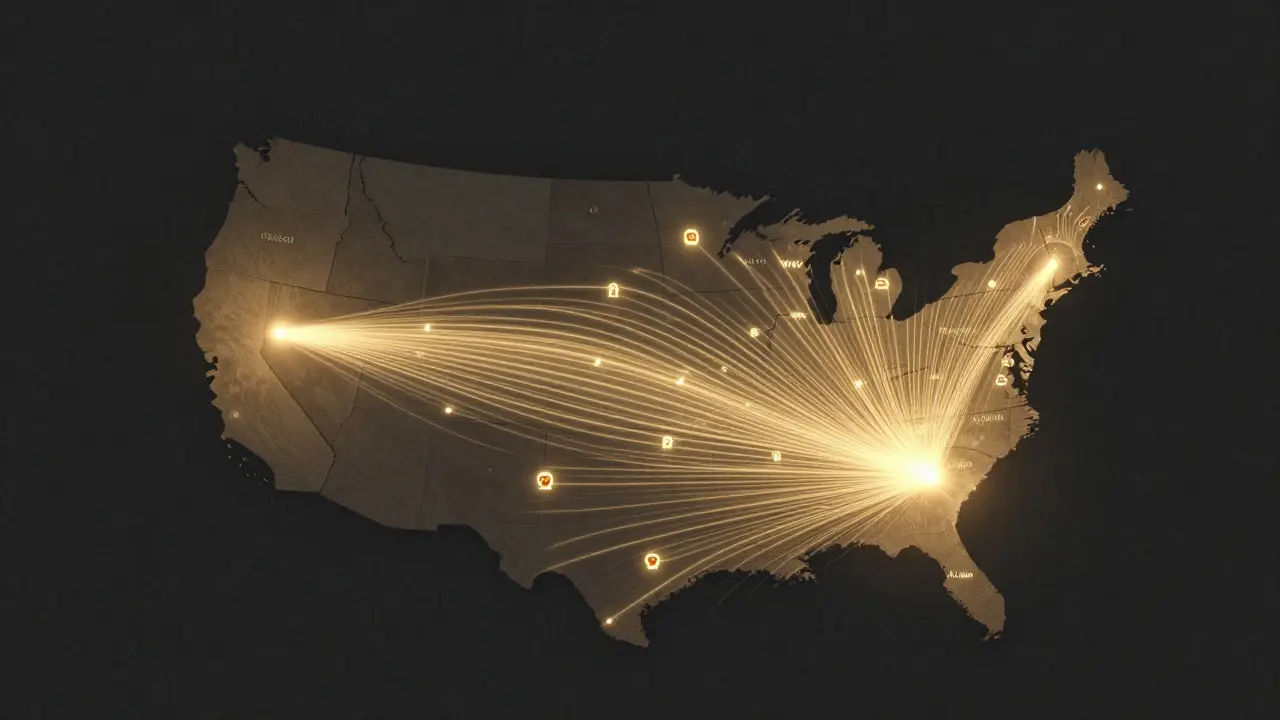
Executing a limited run requires precise logistics. You aren't just booking rooms; you are orchestrating a wave. A common approach involves launching in key cultural centers like New York and Los Angeles, then expanding to secondary markets like Chicago, Austin, and Seattle based on box office performance and critical reception.
This method allows you to use data from the first week to adjust the second. If the film resonates strongly in Austin, you extend the run there and push harder in Dallas. If it flops in a specific city, you pull out early without the embarrassment of a national failure. This agility is a superpower for indie distributors who lack the safety net of major studio budgets.
| Feature | National Wide Release | Limited Staggered Release |
|---|---|---|
| Initial Screen Count | 1,000+ | 5-50 |
| Marketing Focus | Broad awareness | Niche community engagement |
| Risk Profile | High upfront cost | Lower risk, scalable investment |
| Word of Mouth Speed | Slower, diluted | Faster, concentrated |
| Longevity Potential | Short (drops fast) | Long (sustained by re-releases) |
Building the Art-House Audience
For many indie films, the goal isn't just profit; it's preservation. These works often challenge mainstream tastes, requiring a specific type of viewer. Targeting art-house cinemas as specialized theaters that focus on non-mainstream, foreign, or classic cinema ensures the film lands in front of the right eyes. These audiences are less likely to judge a film by its opening day numbers and more likely to recommend it based on artistic merit.
Working with these venues builds a relationship that pays dividends later. When a director returns with their next project, the theater manager already trusts them. The audience already trusts the director. This trust reduces the marketing friction significantly. You don't need to convince people to try something new; you're just asking them to come back for another favorite.
Leveraging Social Proof in Small Markets
In a limited run, every review counts. In a wide release, a bad review gets lost in the noise. In a limited run, a glowing review from a respected local critic can double ticket sales overnight. This is why relationships with local press are vital. You aren't pitching to national outlets; you are having conversations with the editor of the Austin Chronicle or the Asheville Citizen-Times.
Social media also behaves differently in small markets. Hashtags become more effective because the audience is geographically concentrated. A hashtag like #IndieNightInAsheville reaches a dense cluster of potential viewers who are actually nearby. This hyper-local targeting makes digital marketing cheaper and more efficient than broad national campaigns.

Transitioning to Digital Without Losing Momentum
The end of the theatrical run doesn't mean the end of the film's life. In fact, it's often when the real momentum begins. By keeping the theatrical window short but impactful, you create a backlog of demand. When the film hits streaming or VOD (Video on Demand), there is already a conversation happening online. People are discussing themes, sharing clips, and recommending it to friends.
This transition is smoother if you manage the timing carefully. Releasing the film digitally too soon kills the theatrical buzz. Waiting too long lets the heat die down. The sweet spot is usually 4 to 8 weeks after the initial limited release, depending on how strong the word of mouth is. If reviews are positive and attendance is steady, you can hold the film in theaters longer, extending the exclusivity and building even more anticipation for the digital drop.
Common Pitfalls to Avoid
Not every limited run succeeds. The biggest mistake is treating it like a consolation prize. If the distributor treats the limited release as a last resort because no one wanted a wide release, the energy leaks out. The marketing team loses motivation, the publicity efforts slacken, and the audience senses the lack of confidence.
Another pitfall is poor scheduling. If you book a limited run during a holiday weekend or against a massive blockbuster, you will lose visibility. Choose dates that allow your film to stand alone. Mid-week openings or weekends without major competition are ideal. Finally, don't neglect the physical experience. Promote Q&As, host screenings with the director, and create events around the show. The theater visit should be memorable, not just a transaction.
How long should a limited theatrical run last?
Typically, a limited run starts with 1-2 weeks in key cities. If the film performs well, you expand to more cities for another 2-4 weeks. The total theatrical presence might span 6-10 weeks, but the exclusive window in any single location is usually shorter.
Does limited release hurt total box office revenue?
Not necessarily. While the ceiling is lower than a wide release, the efficiency per screen is much higher. You spend less on prints and advertising per ticket sold. Many indie films make more profit on a limited run than they would have on a failed wide release due to lower overhead costs.
Which cities are best for launching an indie film?
New York and Los Angeles are standard starting points due to their concentration of critics and industry professionals. However, cities like Austin, Seattle, Portland, and Asheville have strong indie cultures and loyal audiences that can drive significant word of mouth with less marketing spend.
How do I measure success for a limited release?
Look beyond just box office gross. Track average ticket price per screen, sell-out percentages, and social media engagement rates within the target geography. High sell-outs in small theaters indicate strong demand, which is a better predictor of long-term success than raw dollar amounts.
Can limited runs help with award nominations?
Yes, many awards bodies require a certain number of days in specific markets (like New York) for eligibility. A limited run ensures you meet these requirements while allowing you to build critical acclaim through focused press coverage, which is crucial for nomination consideration.