You’ve seen the headlines. Disney is back with a bang, or maybe it’s Pixar trying to reclaim its throne after a few quiet years. Or perhaps you’re wondering if that weird, hand-drawn indie from France actually has a shot at the gold statue. The race for the Academy Award for Best Animated Feature isn’t just about who made the prettiest movie; it’s a complex chess match of marketing budgets, release timing, and voter fatigue.
Here’s the thing most casual fans miss: winning an animation Oscar isn’t purely about artistic merit. It’s about visibility. If your film doesn’t hit the right screens at the right time, it might as well not exist to the voters. We’re looking at the current landscape of Animated Feature Awards, breaking down which studios are playing the game best, where the trends are shifting, and how you can predict the winner before the envelope is even opened.
The Big Three vs. The Rest
For decades, the conversation was simple: Disney versus everyone else. Then Pixar joined the party, and suddenly, it was Disney/Pixar versus everyone else. But the last five years have changed the script. The monopoly is cracking. Why? Because audiences-and voters-are hungry for something different.
Pixar is still the heavyweight champion in terms of brand recognition. When they drop a film like Inside Out 2 or a new original idea, it gets immediate attention. Their track record is undeniable. They’ve won the Oscar more times than any other single entity. But here’s the catch: their dominance relies on consistency. When a Pixar film feels derivative, voters notice. Remember when Cars 3 didn’t get nominated? That never used to happen.
Then there’s Disney Animation Studios. They operate differently. While Pixar leans into emotional storytelling and technical innovation, Disney often leans into musical spectacle and franchise power. Frozen II didn’t win because it was better than Klaus; it won because it was everywhere. Marketing muscle matters. If you want to understand why some films win despite mixed reviews, look at the ad spend.
But the real disruptors are the outsiders. Sony Pictures Animation broke the mold with Spider-Man: Into the Spider-Verse. They proved that visual style could trump traditional polish. Now, every studio is trying to replicate that "comic book" aesthetic. And let’s not forget Studio Ghibli’s spiritual successors or the rise of international contenders like Flow from Latvia. The field is wider than ever.
| Studio | Primary Strategy | Recent Wins/Noms | Voter Appeal |
|---|---|---|---|
| Pixar | Emotional Depth + Tech Innovation | High Frequency | Loyal Fanbase, Critical Darlings |
| Disney | Franchise Power + Musical Spectacle | Variable (Depends on Franchise Health) | Broad Audience, Nostalgia Factor |
| Sony | Visual Disruption + IP Adaptation | Rising Trend | Youth Vote, Critics Love Novelty |
| Netflix | Volume + Diverse Voices | Increasing Nominations | Accessibility, Global Reach |
| Indie/Intl | Artistic Uniqueness + Festival Buzz | Occasional Breakthroughs | Niche Voters, Prestige Seekers |
The Netflix Effect: Volume Over Perfection?
You can’t talk about modern award races without talking about streaming. Netflix entered the animation arena with a strategy that baffled traditionalists: quantity. They weren’t just making one big movie a year; they were making ten. Some were misses, sure. But others, like Guillermo del Toro’s Pinocchio or Klaus, were hits.
This changes the dynamic for voters. In the past, you had maybe three serious contenders. Now, you might have six or seven decent options. This splits the vote. A strong contender from a smaller studio might lose not because it’s bad, but because two similar films cannibalized each other’s support. Netflix benefits from this chaos. By flooding the zone, they ensure at least one of their titles lands a nomination. Sometimes, they even win.
However, volume has a downside. Voter fatigue is real. If voters see too many mediocre animations from the same platform, they start tuning out. The key for Netflix moving forward isn’t just releasing more content; it’s curating prestige projects that stand out against the noise. Think The Sea Beast versus a random holiday special. One gets buzz; the other gets buried.
Technique Matters: 3D vs. 2D vs. Hybrid
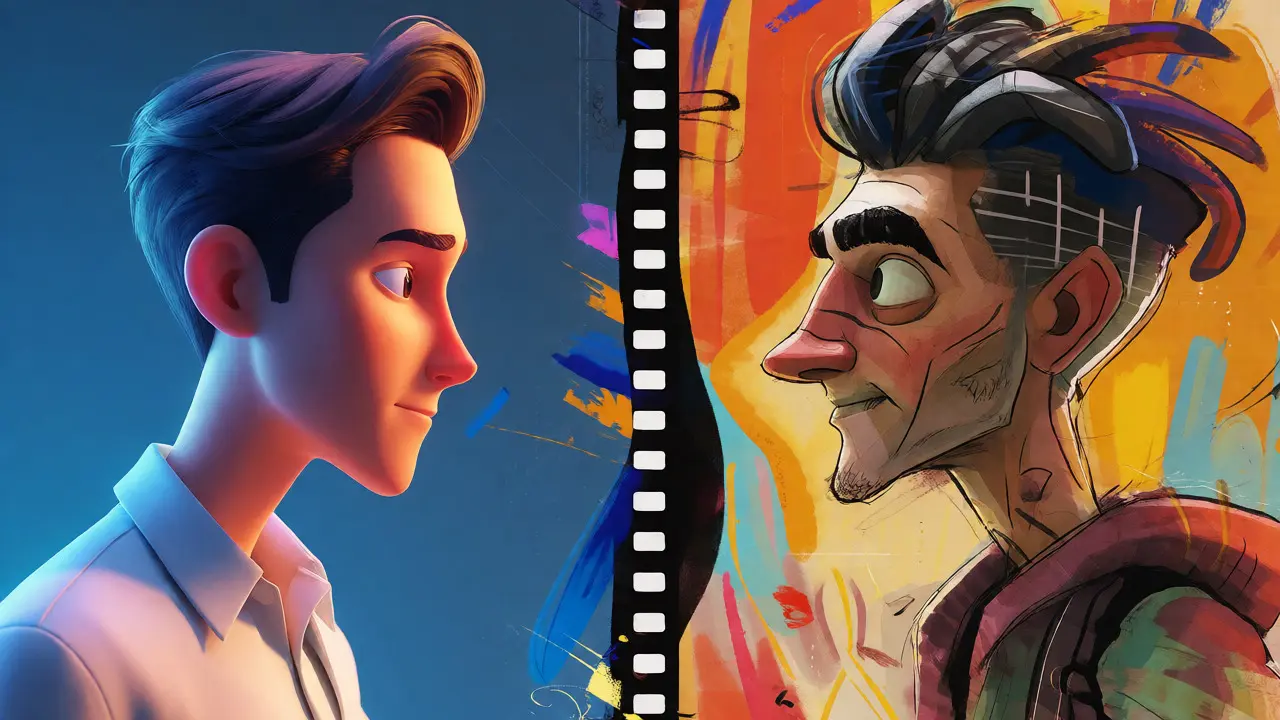
Let’s get technical for a second. For years, the Academy leaned heavily toward 3D CGI. It was the safe bet. Polished, expensive, familiar. But look at the winners list from 2018 onward. Spider-Man: Into the Spider-Verse wasn’t standard 3D. It was a hybrid. The Boy and the Heron was hand-drawn. Guillermo del Toro’s Pinocchio was stop-motion.
Why the shift? Because voters are bored of the "Pixar Look." You know what I mean-smooth textures, perfect lighting, realistic physics. It’s beautiful, but it’s predictable. Studios that experiment with Animation Techniques gain a competitive edge. Hand-drawn animation feels personal. Stop-motion feels tactile. Hybrid styles feel fresh.
If you’re betting on next year’s winner, look for the film that looks different from everything else on the shelf. If ten movies look like Toy Story, the one that looks like a moving painting will likely take the prize. It’s not just art snobbery; it’s about standing out in a crowded marketplace. Voters remember what surprised them.
The Role of International Contenders
Hollywood used to think it owned animation. Then Japan came along. Hayao Miyazaki and Studio Ghibli taught us that adult themes and slow pacing could work in animation. Now, we’re seeing more global voices. From France’s I Lost My Body to Latvia’s Flow, international films are no longer just "foreign language" side notes. They are serious contenders.
This trend is accelerating. Streaming platforms have made it easier for global audiences to discover these films. A movie that premiered at Cannes can now reach millions of viewers in North America within weeks. This accessibility builds word-of-mouth momentum. When a film like Flow wins the Golden Globe, it sends a signal to Oscar voters: pay attention. This isn’t just a niche pick; it’s a cultural moment.
Studios need to adapt. Ignoring international talent means missing out on fresh perspectives. Collaborations between Western and Eastern animators are becoming more common. Expect more co-productions in the coming years. These hybrids often blend the narrative structure Hollywood loves with the visual poetry other cultures excel at.
Predicting the Winner: A Checklist
So, how do you spot the future winner? You don’t need to be a critic. You just need to watch for specific signals. Here’s a practical guide to reading the tea leaves during awards season.
- The Festival Launch: Did the film premiere at a major festival like Annecy, Toronto, or Telluride? Early critical acclaim creates a halo effect. Films that launch quietly straight to streaming rarely win unless they have massive star power.
- The Voice Cast: Is there a huge celebrity attached? Not always necessary, but helpful. Think Soul with Jamie Foxx or Encanto with Lin-Manuel Miranda. Star power drives box office, which drives awareness among voters.
- The Director’s Pedigree: Has the director won before? Voters love loyalty. If a filmmaker has already proven themselves, they get a pass on minor flaws. Think Pete Docter or Hayao Miyazaki.
- Box Office Performance: Money talks. A film that earns $500 million globally is hard to ignore. It proves the movie resonated with the public. Voters don’t want to pick an obscure favorite that nobody saw.
- Visual Distinctiveness: Does it look like anything else? As mentioned earlier, unique art direction is a huge tie-breaker.
Apply this checklist to the current nominees. Which film checks the most boxes? Usually, the answer is clear by mid-January. The rest is just ceremony.
What’s Next for Animated Features?
We’re entering an era where AI-assisted animation is starting to creep into production pipelines. Will this change voting patterns? Maybe. Right now, voters value human craftsmanship. If a film feels too "generated," it might face backlash. But if AI helps artists achieve impossible visuals faster, it could open up new creative possibilities.
Also, expect more diversity in stories. We’ve moved beyond princesses saving princes. Now, we’re seeing stories about grief, identity, family dynamics, and social issues. Turning Red tackled puberty. Elemental explored immigration. These themes resonate deeply with modern voters. The next big winner will likely tackle a universal human experience through a unique cultural lens.
The battle between studios will continue. Disney will try to consolidate its franchises. Sony will push for more experimental adaptations. Netflix will keep throwing darts. And independent studios will fight for scraps of attention. But for the audience, this competition is a gift. It means more variety, more risk-taking, and more memorable movies.
Can a non-US animated film win the Oscar?
Yes, absolutely. While rare, international films have broken through. Spirited Away (Japan) won in 2003. More recently, films like Flow (Latvia) have gained significant traction and nominations. The Academy has become more global in its tastes, especially as streaming makes foreign films more accessible to US voters.
Does box office success guarantee an Oscar win?
No, but it helps significantly. High box office numbers increase visibility among Academy members. However, critical acclaim and industry buzz are equally important. Some massive hits have lost to smaller, critically adored films. It’s a balance of popularity and prestige.
Why did Spider-Man: Across the Spider-Verse lose despite high praise?
It faced stiff competition from The Boy and the Heron, which had the advantage of being Hayao Miyazaki’s potential final film. Voter sentiment often favors legacy directors and emotionally resonant narratives over pure spectacle, even if the spectacle is groundbreaking.
How does the number of submissions affect the race?
More submissions mean more competition. With over 20 eligible films in recent years, the initial shortlist becomes crucial. Only a handful make the final five. This forces voters to prioritize films that generate early buzz and media coverage, potentially disadvantaging late releases or quieter indies.
Are sequels disadvantaged in the awards race?
Not necessarily, but they face higher scrutiny. Sequels like Incredibles 2 were nominated but didn’t win. Voters often prefer originality. However, if a sequel surpasses the original in quality and impact, it can still win. It depends on whether the film feels essential or merely profitable.