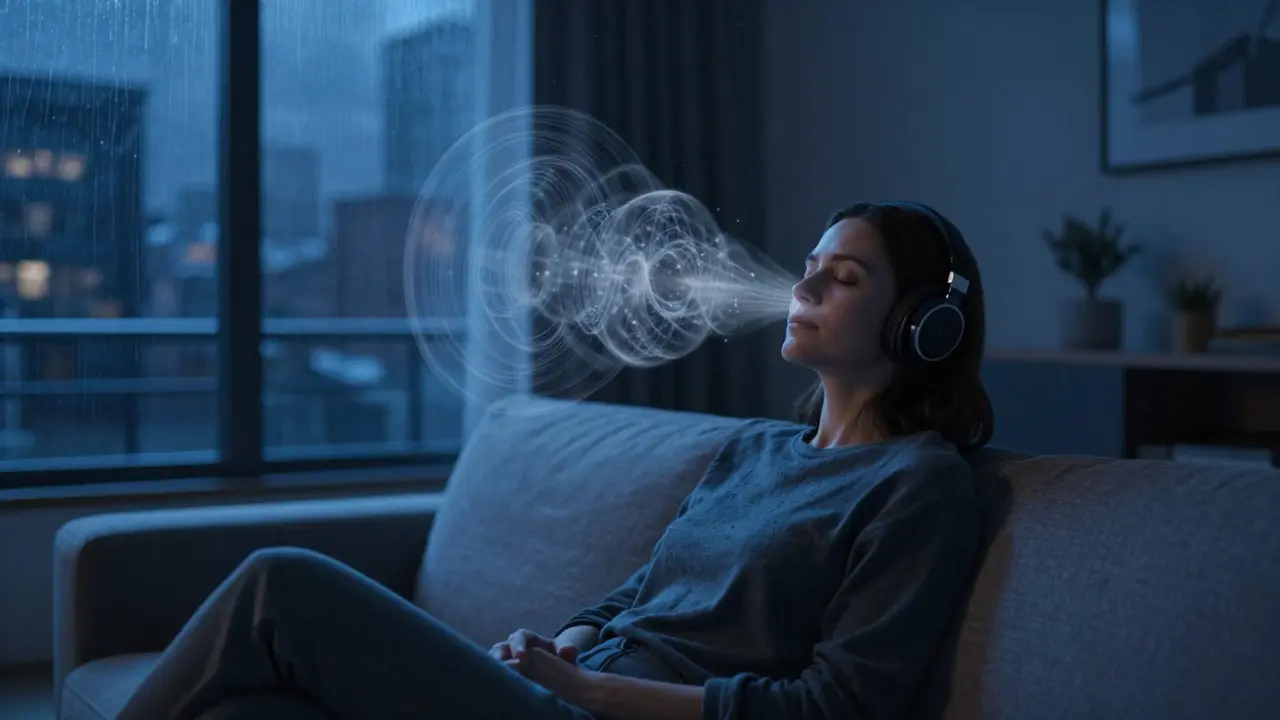
Imagine sitting in your living room, but the rain isn't just coming from the speakers above you-it's swirling around your head. A helicopter passes overhead, not left or right, but directly above your crown. This is the promise of Spatial Audio, a technology that moves sound from a flat plane to a three-dimensional space. It transforms passive listening into an active experience, placing you inside the scene rather than outside it. For filmmakers and audio engineers, this shift represents the next major leap in storytelling, similar to the jump from black-and-white to color or mono to stereo.
The core difference lies in how sound is organized. Traditional stereo mixes use channels-left and right-to create width. Spatial audio uses objects. Instead of assigning a sound to a specific speaker, you assign it to a point in 3D space. The system then calculates where that sound should be heard based on your position. This allows for dynamic movement and precision that channel-based systems simply cannot achieve.
How Object-Based Audio Works
To understand spatial audio, you have to look at Object-Based Audio. Unlike traditional mixing, where you balance levels across fixed channels, object-based mixing treats each sound source as an independent entity. You can place a bird chirping at coordinates (x, y, z) and give it metadata about its size, movement path, and intensity.
This approach relies heavily on metadata. When you play back a mix, the renderer reads this data and translates it for your specific setup. If you have a 5.1 system, it maps the objects to those six channels. If you have a binaural headphone setup, it uses Head-Related Transfer Functions (HRTFs) to simulate the same 3D environment. This flexibility is why formats like Dolby Atmos and DTS:X are gaining traction. They allow a single master file to serve multiple consumer devices without re-mixing.
- Channel-Based: Fixed speakers (e.g., Left, Right, Center). Limited flexibility.
- Object-Based: Dynamic placement in 3D space. Highly flexible and scalable.
- Hybrid: Combines both methods for backward compatibility and enhanced immersion.
The Role of Head Tracking
Sound doesn't exist in a vacuum; it exists relative to your head. If you turn your head to the left, the sound source stays where it is, but your perception of it changes. Spatial audio technologies leverage this through Head Tracking.
Using gyroscopes and accelerometers in headphones or mobile devices, the system monitors your head movements in real-time. When you turn your head, the audio engine adjusts the HRTF calculations instantly. This keeps the sound anchored in the virtual space. Without head tracking, turning your head might make the sound seem to move with you, breaking the illusion. With it, the world stays stable even when you don't. This feature is particularly critical for VR and AR experiences, where visual and auditory cues must align perfectly to prevent motion sickness and enhance presence.

Hardware Requirements and Setup
You don't need a massive home theater rig to enjoy spatial audio. In fact, many people get the best results with high-quality headphones. However, the hardware landscape is diverse, and understanding your options helps set realistic expectations.
| Method | Pros | Cons | Best For |
|---|---|---|---|
| Binaural Headphones | Precise 3D imaging, portable, head tracking support | HRTF mismatch for some users, less physical impact | Personalized immersion, VR/AR |
| Dolby Atmos Home Theater | Physical height channels, shared experience, high fidelity | High cost, complex installation, requires compatible content | Living room cinema, family viewing |
| Upmixing Systems | Leverages existing gear, affordable entry point | Less precise than native object-based mixes | Upgrading legacy setups |
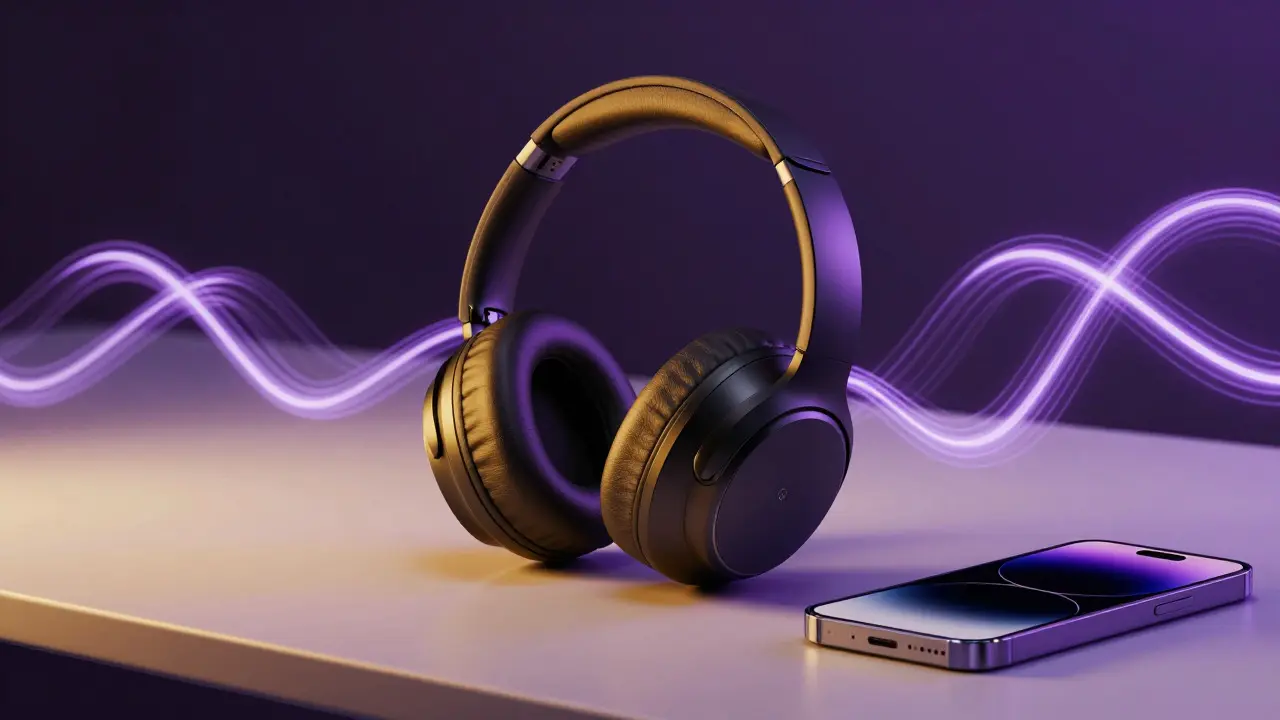
For most consumers, a pair of high-fidelity over-ear headphones paired with a device that supports spatial audio processing is the sweet spot. Brands like Apple, Sony, and Bose have integrated these features into their flagship models. If you prefer speakers, look for systems that support upmixing or have dedicated height channels. The key is ensuring your playback device can decode the specific format you're consuming.
Content Availability and Formats
Technology is only half the equation; content is the other. As of 2026, the library of spatial audio content has grown significantly. Streaming platforms like Netflix, Disney+, and Apple TV+ now offer extensive catalogs in Dolby Atmos. Music streaming services like Apple Music and Tidal provide lossless spatial audio tracks, often mastered by artists specifically for this format.
Filmmaking has embraced this shift. Directors use spatial audio to guide audience attention without cutting away. A whisper from behind creates tension more effectively than a jump scare. In gaming, spatial audio provides tactical advantages, allowing players to hear footsteps from specific directions. This cross-media adoption means the technology is no longer niche; it's becoming the standard for premium audio experiences.
Challenges and Limitations
Despite its benefits, spatial audio isn't perfect. One major issue is HRTF variability. Human ear shapes differ, meaning the "sweet spot" for 3D sound varies from person to person. Some users find binaural sound unnatural or uncomfortable after long periods. Manufacturers are addressing this with personalized HRTF calibration apps, but it adds complexity to the user experience.
Another challenge is file size and bandwidth. High-resolution spatial audio streams require more data than standard stereo. While Wi-Fi handles this easily, mobile users on cellular networks may experience compression artifacts. Finally, there is a learning curve for creators. Mixing for 3D space requires new skills and tools, which can increase production costs. Not every piece of content benefits from spatial audio; simple dialogue-heavy scenes may not justify the extra effort.
Future Trends in Immersive Sound
Where does this go from here? The integration of AI is likely the next frontier. Machine learning algorithms could automatically generate spatial mixes from stereo sources, making the technology accessible to independent creators. We might also see tighter integration between visual and audio rendering in real-time engines, allowing for interactive environments where sound reacts dynamically to user actions in games and simulations.
As hardware becomes cheaper and more compact, spatial audio will move further into everyday life. Smart cars, public transport, and office spaces may all adopt these technologies to create more engaging environments. The goal is no longer just to hear sound, but to inhabit it.
Do I need special headphones for spatial audio?
Not necessarily, but high-quality over-ear headphones provide the best experience. They offer better isolation and driver quality, which are crucial for accurate 3D imaging. In-ear monitors can work, but they often lack the necessary sensor support for head tracking.
Is spatial audio better than surround sound?
They are different approaches. Surround sound uses fixed channels to create a sense of direction. Spatial audio uses object-based placement to create a sense of depth and volume. Spatial audio is generally considered more immersive because it places sounds in a 3D sphere rather than a 2D plane.
Can I listen to spatial audio on my phone?
Yes. Most modern smartphones support spatial audio decoding. You can stream movies and music in this format directly from apps. Just ensure you are using compatible headphones and that the content is labeled as supporting spatial audio.
What is the difference between Dolby Atmos and DTS:X?
Both are object-based audio formats. Dolby Atmos is currently more widely adopted in streaming and film, while DTS:X offers similar capabilities with slightly different metadata handling. For most consumers, the difference is negligible if the hardware supports both.
Does spatial audio drain battery faster?
Slightly. Processing 3D audio and running head-tracking sensors requires a bit more computational power than standard stereo playback. However, the difference is minimal on modern devices and rarely noticeable in daily use.