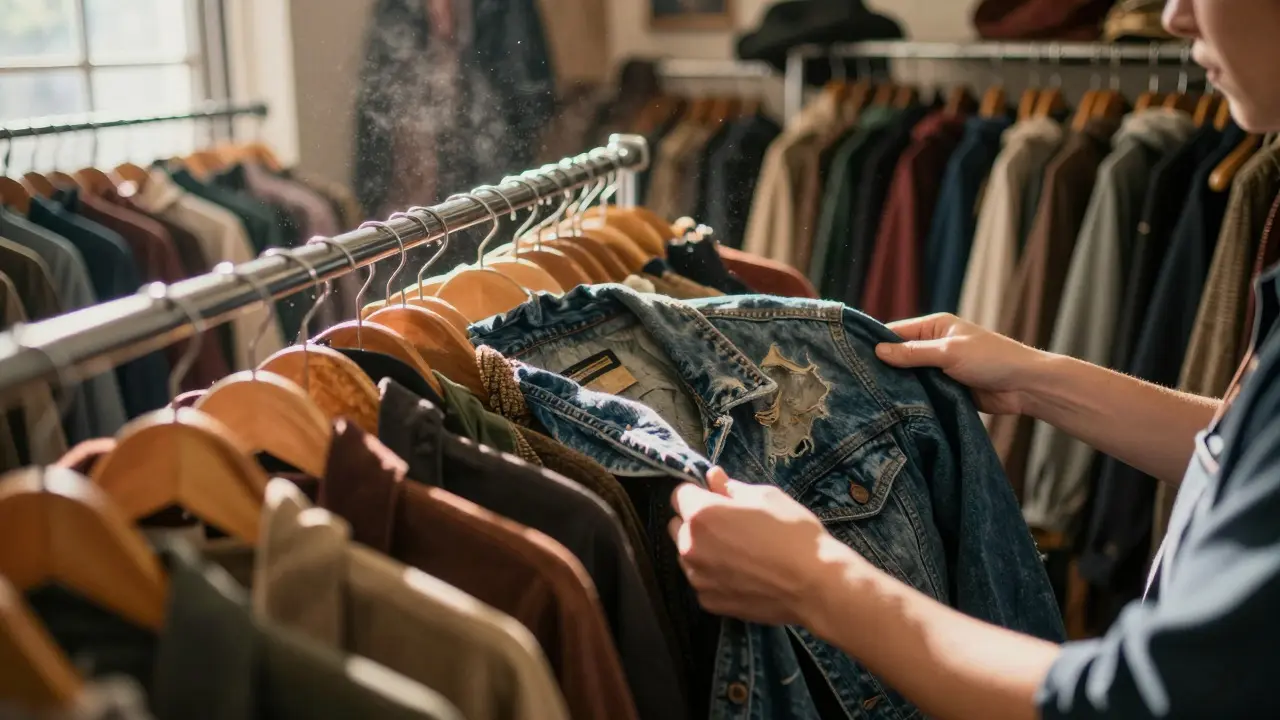
Walking into a thrift store in the middle of a shoot day feels chaotic, but it’s often where the best character moments are born. You need clothes that look lived-in, not just clean. For film wardrobe sourcing, you aren’t just buying outfits; you are building a visual language that tells the audience who these people are before they speak a word.
The decision between renting from a house, building custom pieces, or digging through second-hand bins depends on your budget, timeline, and how specific the character needs to be. Each method has distinct advantages and hidden pitfalls that can make or break a scene’s authenticity.
Key Takeaways
- Rentals offer consistency and speed but limit unique character details.
- Thrift stores provide authentic texture and history at a fraction of the cost.
- Custom builds allow for precise narrative control but require skilled tailors and time.
- A hybrid approach usually yields the most compelling and efficient results for mid-budget productions.
- Always account for wear-and-tear costs when budgeting for reusable wardrobe items.
Why Sourcing Strategy Matters More Than the Clothes
In production design, clothing is a prop that moves. It interacts with light, fabric, and movement. If you source a pristine shirt for a character who works in construction, the audience will subconsciously reject the realism. The sourcing strategy dictates the visual truth of your film. When you choose a path, you are committing to a specific aesthetic tone. A high-end rental house provides polish. A flea market provides grit. A tailor provides precision.
You must align the sourcing method with the director's vision. If the story is about decay and loss, brand-new clothes from a catalog will feel wrong. You need garments that show their age. This isn't just about looking old; it's about showing the history of the character. Every tear, stain, and faded patch tells a micro-story. Ignoring this layer flattens the character and breaks immersion.
Rental Houses: Speed, Consistency, and Limits
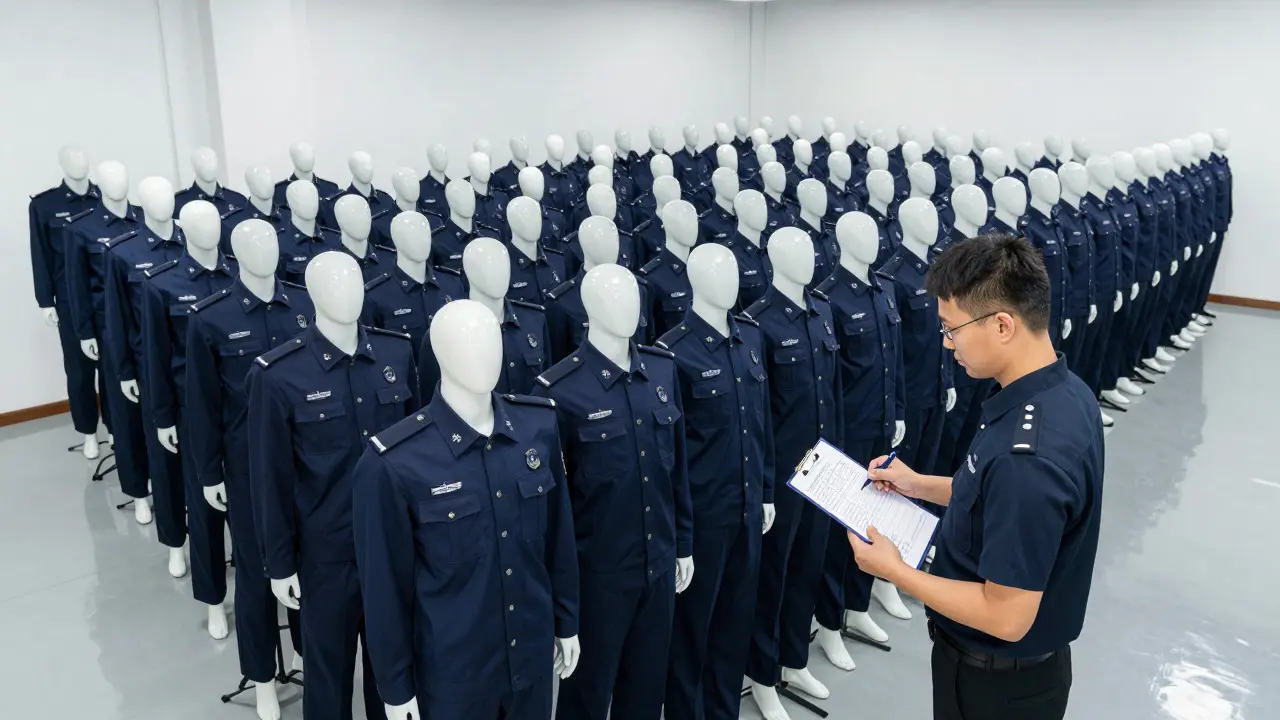
Costume rental houses are commercial facilities that lease pre-owned and new clothing to film and television productions. They are the backbone of large-scale productions. Why? Because they have inventory depth. If you need fifty identical security guards' uniforms, a rental house can deliver them in two days. You don't have to hunt down five different suppliers. You get one invoice, one pickup date, and one return deadline.
The main advantage here is reliability. Rental staff know what works on camera. They understand which fabrics reflect light too much or which colors bleed during color grading. However, the downside is homogeneity. Everyone else using that house has access to the same racks. Your lead actor might end up wearing a jacket that looks suspiciously similar to the one worn by a background extra in another scene if you aren't careful. Plus, rentals come with strict penalties for damage. If an actor spills coffee on a $400 blazer, you pay for the cleaning or replacement. That adds up fast over a long shoot.
The Thrift Store Advantage: Authenticity on a Budget
Thrift stores are the secret weapon for independent filmmakers and low-budget features. The value proposition is simple: you get unique, one-of-a-kind pieces for pennies. No two shirts are exactly alike. This uniqueness is gold for character development. A character’s specific choice of a mismatched sweater or a vintage band tee says more than a generic rental garment ever could.
But there are risks. Sizing is inconsistent. Fabric quality varies wildly. One rack might hold designer labels, while the next holds thin, synthetic blends that melt under hot lights. You also face the issue of availability. If you find the perfect coat for the protagonist, you better buy it immediately. Someone else might want it. Furthermore, you need to factor in cleaning and alteration time. Thrift clothes often need deep cleaning to remove odors or stains that didn't show up until the lights hit them.
| Method | Cost Efficiency | Uniqueness | Time Required | Best For |
|---|---|---|---|---|
| Rental House | High (for volume) | Low | Very Low | Ensembles, period accuracy, tight schedules |
| Thrift Stores | Very High | High | Medium | Lead characters, gritty realism, indie films |
| Custom Builds | Low | Maximum | High | Hero pieces, fantasy/sci-fi, specific narrative symbols |
Custom Builds: When You Need Exactly That
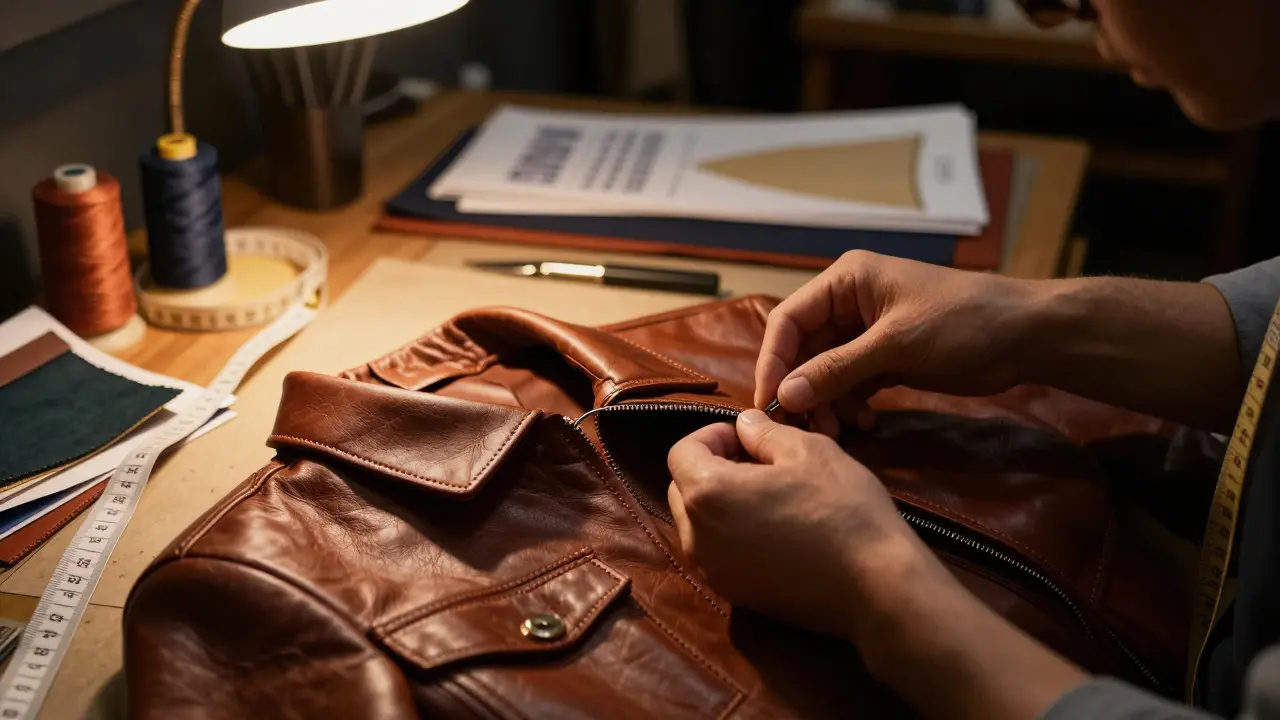
Sometimes, no existing garment fits the story. Maybe the character wears a specific type of workwear that was discontinued in the 1980s. Or perhaps the director wants a jacket that changes color as the character becomes more corrupted. This is where custom builds come in. Working with a local tailor or a small workshop allows you to create something that exists nowhere else.
Custom builds are expensive and slow. You need patterns, fabric sourcing, and multiple fittings. But the payoff is total creative control. You can add hidden pockets, change the lining to match a thematic color, or reinforce seams for heavy action scenes. For hero props-items that appear in close-ups for extended periods-the investment is worth it. The detail level in a custom piece holds up under 4K resolution in a way that off-the-rack items rarely do.
Managing the Workflow: From Hunt to Screen
Regardless of the method, the workflow remains critical. Start with a character breakdown. List every outfit needed for each principal role. Categorize them by frequency. Items worn in many scenes need durability. Items worn once can be cheaper or more fragile. Next, schedule your sourcing trips. Don't leave it to the last minute. Thrift stores restock weekly, but good finds disappear quickly. Rental houses need lead time for cleaning and pressing.
Once you have the clothes, you need a wardrobe department to manage them. This includes labeling every item, tracking sizes, and organizing them by scene. Use a digital tracker or a physical binder. Losing a single key item on set can halt a shoot. Always have backup options. If the lead's signature hat gets ruined by rain, you need a spare ready to go. Redundancy is cheap insurance against production delays.
Budgeting for Wear and Tear
A common mistake is budgeting only for the acquisition cost. You need to reserve funds for maintenance. If you buy a leather jacket for $50 at a thrift store, expect to spend another $30 on conditioning and repairs after a few weeks of shooting. If you rent a suit, check the contract for "normal wear" vs. "damage." Spills count as damage. Tears count as damage. Plan for a 15-20% contingency fund specifically for wardrobe repairs and replacements. This prevents surprise expenses that eat into your post-production budget later.
Frequently Asked Questions
How far in advance should I start sourcing wardrobe?
For rentals, aim for 4-6 weeks before shooting to allow for selection and cleaning. For thrift hunting, start 2-3 weeks out to allow time for alterations and backups. Custom builds may require 8+ weeks depending on complexity.
Is it cheaper to buy or rent costumes?
It depends on usage. If an item is used in fewer than three scenes, buying from a thrift store is usually cheaper. If it is used frequently or requires complex period accuracy, renting is often more cost-effective because you avoid long-term storage and repair costs.
What should I look for in a thrift store for film use?
Look for natural fibers like cotton, wool, and linen. Avoid synthetics that shine under lights. Check for structural integrity in seams. Prioritize items with unique textures or histories that enhance the character's backstory.
Do I need to insure my wardrobe items?
Yes. Even if you own the items, production insurance should cover them against loss or damage on set. If you rent, the rental house usually requires proof of insurance. Ensure your policy covers 'theft and accidental damage' specifically.
How do I handle continuity with sourced clothes?
Take detailed photos of every outfit in its final state before shooting. Note specific folds, stains, or adjustments. Use the same exact garment for all takes of a scene unless the story requires a change. Keep a continuity log updated daily by the wardrobe assistant.



Comments(7)