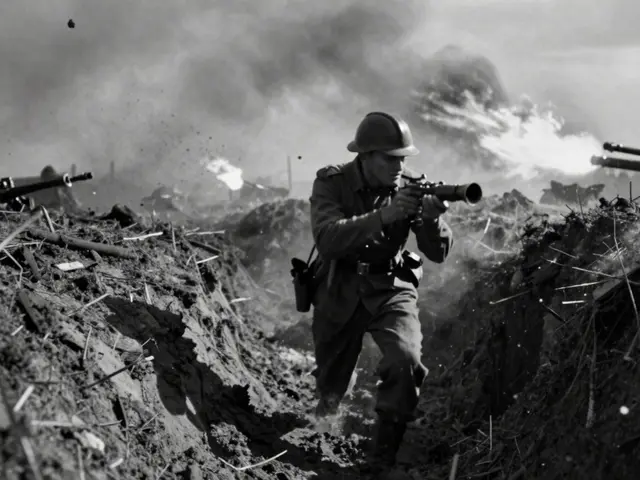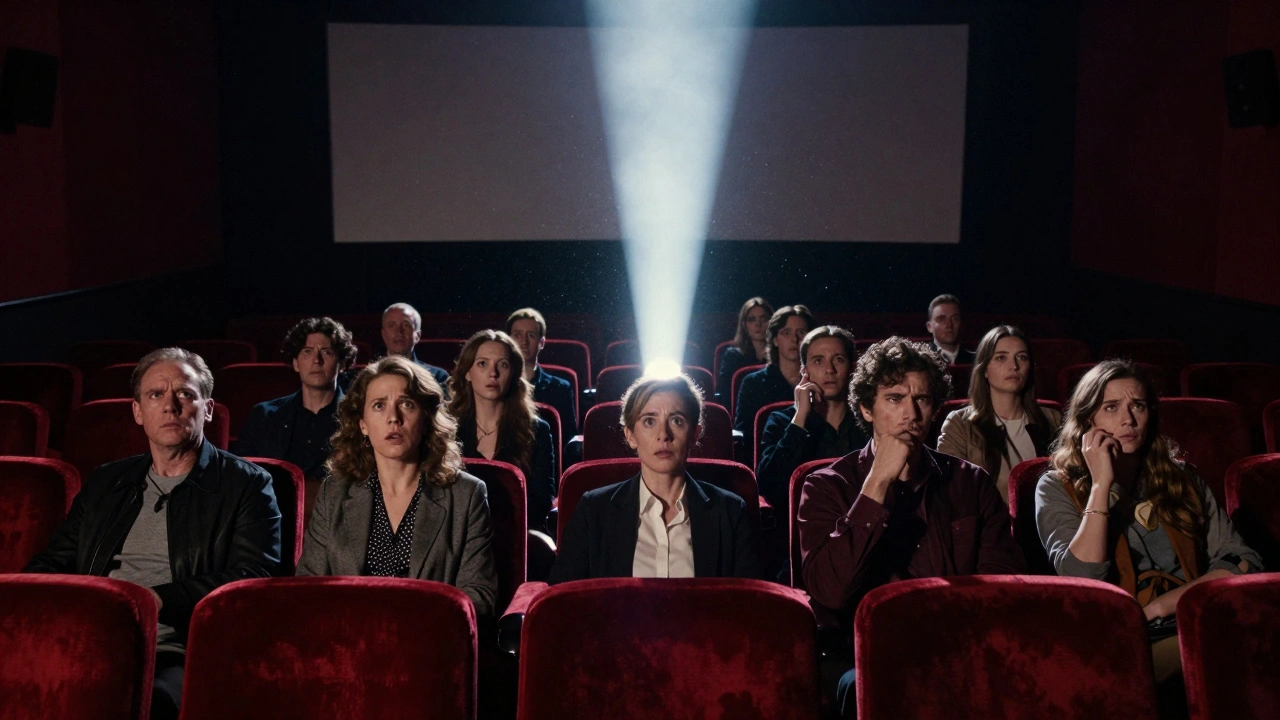
Controversial films are not just bad reviews wrapped in loud music. They are cultural earthquakes. When a movie hits theaters and society splits down the middle, you know it has touched a nerve. These films force us to look at things we’d rather ignore: war crimes, religious taboos, political corruption, or deep-seated prejudices. Cinema sparks cultural debate when it challenges the status quo, forcing audiences to confront uncomfortable truths about their own beliefs and values.
The Anatomy of a Film Controversy
Why do some movies fly under the radar while others ignite global protests? It usually comes down to three ingredients: timing, taboo, and truth. A film might be perfectly fine in one decade but offensive in another. Think about how attitudes toward race, gender, and sexuality have shifted over the last fifty years. What was considered edgy humor in the 1970s is now seen as harmful stereotyping.
Then there is the element of taboo. Humans love rules, but we also love breaking them. When a director dares to show something sacred-whether that’s a religious figure, a national symbol, or a private moment of grief-the reaction is immediate and visceral. The controversy isn’t always about the art itself; it’s about what the art represents. It becomes a proxy battle for larger societal fights.
Finally, there is the claim to truth. Documentaries and historical dramas often spark outrage because they challenge accepted narratives. If a film suggests that a beloved historical hero was actually a villain, or that a celebrated event was built on lies, people get defensive. This defensiveness fuels the debate, turning a movie screening into a courtroom drama.
Historical Flashpoints: When Movies Changed Laws
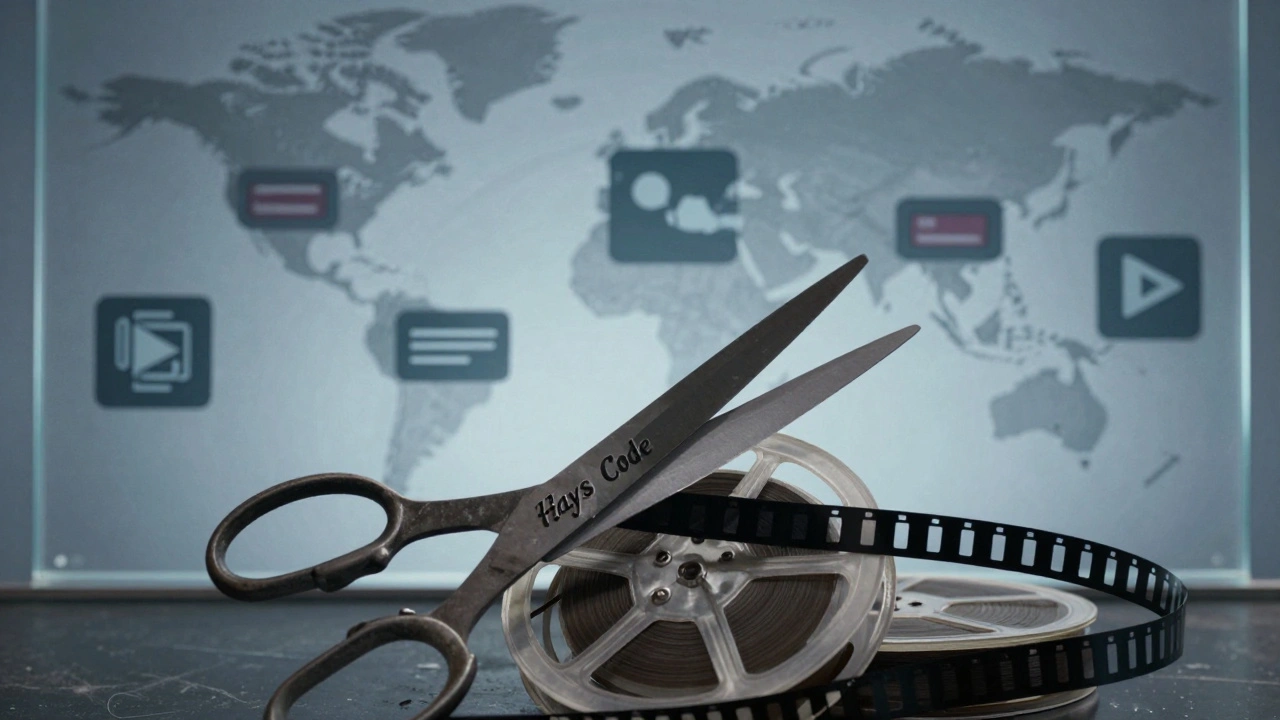
We cannot talk about controversial cinema without looking back at the giants who paved the way. In the early 20th century, the Hays Code, also known as the Production Code, was a strict set of moral guidelines that dictated what could and could not appear on screen in Hollywood. No profanity, no sympathetic portrayals of criminals, and absolutely no intermarriage between races. It was a self-censorship tool designed to keep the government out of the industry.
But filmmakers pushed back. In 1968, two films changed everything: Bonnie and Clyde and 2001: A Space Odyssey. Bonnie and Clyde showed violence with shocking realism, killing off its protagonists in a hail of bullets. 2001 featured ambiguous sexuality and existential dread. Both were rated X initially, not because they were pornographic, but because they were too intense for the old system. This pressure led to the creation of the MPAA rating system we use today, replacing moral policing with age-based guidance.
Another pivotal moment was the release of The Last Temptation of Christ in 1988. Martin Scorsese’s depiction of Jesus as a human man with doubts and desires sparked riots and boycotts from religious groups worldwide. Yet, the film remained in circulation, proving that artistic expression could survive organized opposition. These historical battles established the precedent that cinema is a protected form of speech, even when it hurts feelings.
| Film Title | Year | Core Controversy | Cultural Outcome |
|---|---|---|---|
| Bonnie and Clyde | 1967 | Graphic violence, anti-hero narrative | End of the Hays Code; birth of modern ratings |
| The Last Temptation of Christ | 1988 | Humanization of Jesus, religious imagery | Strengthened First Amendment protections for art |
| Pulp Fiction | 1994 | Non-linear storytelling, casual drug use | Legitimized indie film aesthetics in mainstream |
| Skinhead | 2023 | Depiction of white supremacist subculture | Debate on whether portrayal promotes or critiques hate |
The Global Censorship Map
While Western countries generally protect free speech, the rest of the world tells a different story. In many nations, cinema is viewed as a tool for social control rather than individual expression. Governments ban films that criticize leadership, depict sexual minorities, or question national history.
Take China, for example. The state maintains strict oversight over all content produced domestically and imported for distribution. Films must pass a rigorous review process before receiving a license. Topics like Tibet, Tiananmen Square, and Taiwan are off-limits. Even subtle metaphors can lead to bans. This creates a unique cinematic landscape where directors use allegory and fantasy to discuss real-world issues indirectly.
In the Middle East, blasphemy laws carry heavy penalties. The documentary The Innocents, which examined the radicalization of children by ISIS, faced threats and censorship in several regions due to its graphic content and political implications. Meanwhile, in countries with strong religious majorities, any depiction of prophets or sacred texts is strictly prohibited. This global patchwork of censorship means that a film’s journey is never guaranteed. Directors often cut scenes for international releases, creating multiple versions of the same movie.
This disparity raises ethical questions for global streaming platforms. Should Netflix or Amazon Prime offer the same uncut version everywhere, risking legal trouble and user safety in restrictive regimes? Or should they localize content, effectively censoring themselves to maintain access? Most choose the latter, leading to accusations of hypocrisy from critics who argue that tech giants should stand firmer for creative freedom.
The Double-Edged Sword of Viral Outrage
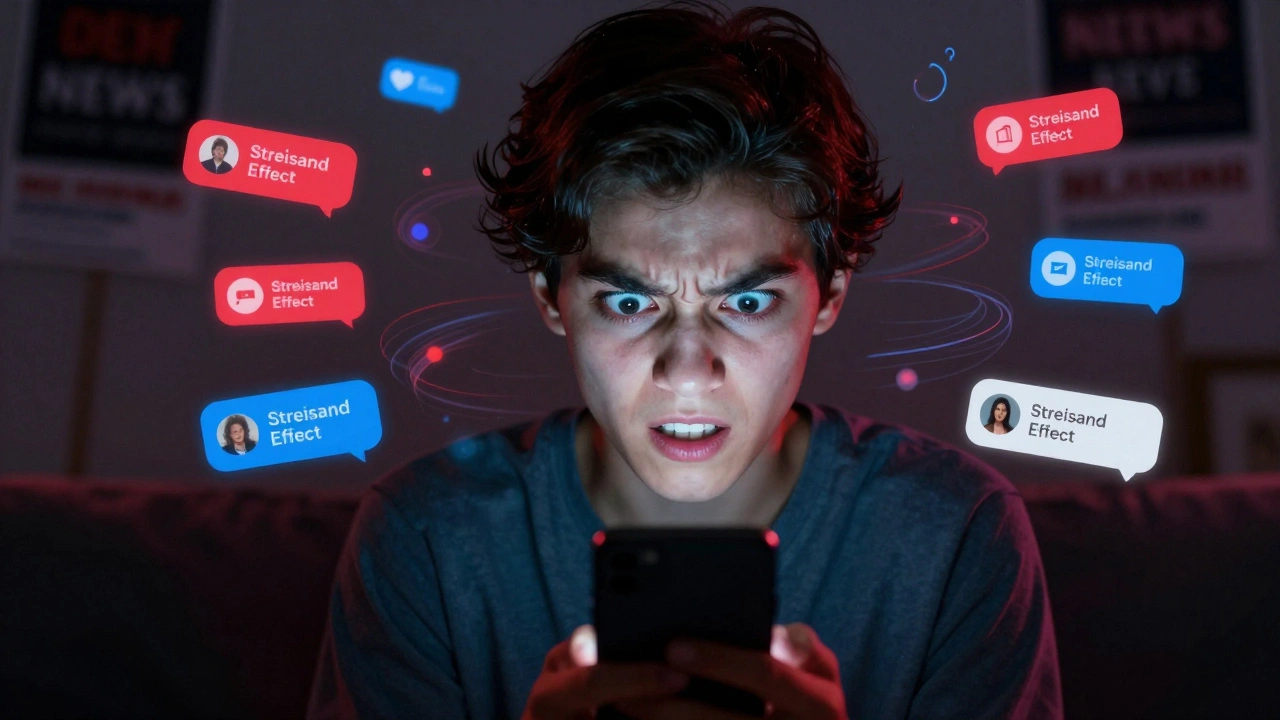
In the age of social media, controversy travels faster than ever. A single tweet can turn a quiet independent film into a global headline overnight. This phenomenon is often called the "Streisand Effect," where attempts to suppress information only amplify it. For filmmakers, this is a double-edged sword.
On one hand, controversy brings visibility. Small-budget films that might otherwise go unnoticed can sell out theaters simply because people want to see what the fuss is about. Joker (2019) is a prime example. Critics worried it would glorify mass shooters, sparking pre-release debates. That very debate drove millions of people to buy tickets, making it a box office juggernaut. The film didn’t need traditional marketing; the cultural anxiety did the work for it.
On the other hand, viral outrage can destroy careers. Accusations of plagiarism, insensitivity, or misrepresentation can lead to public shaming campaigns that last for years. Filmmakers may find themselves blacklisted from studios, unable to secure funding for future projects. The speed at which judgment is passed online rarely allows for nuance. Context gets lost in the noise, and complex artistic choices are reduced to soundbites.
Moreover, the nature of the audience has changed. Younger generations are more likely to engage in "cancel culture," demanding accountability from creators for past statements or problematic elements in their work. While this holds power structures accountable, it can also stifle creative risk-taking. If every potential offense leads to professional ruin, artists may retreat to safe, formulaic storytelling.
Narrative Analysis: Why We Love to Hate
From a narrative perspective, controversial films succeed because they break conventions. Traditional stories follow a predictable arc: hero rises, faces conflict, resolves issue, returns home. Controversial works disrupt this pattern. They leave endings ambiguous, make villains sympathetic, or refuse to provide moral clarity.
Consider No Country for Old Men. The protagonist doesn’t win. The antagonist isn’t caught. Justice is not served. This violation of narrative expectation unsettles viewers. It forces them to sit with discomfort rather than providing catharsis. That discomfort is often mistaken for poor quality, but it is actually a sophisticated engagement with reality. Life rarely ends neatly, and films that reflect this truth are inherently controversial.
Additionally, these films often employ unreliable narrators or subjective viewpoints. By limiting the audience’s knowledge, they create empathy for characters who might otherwise be reviled. This technique manipulates emotional response, challenging viewers to examine their own biases. Are we rooting for a criminal because he’s charismatic? Do we forgive a historical figure because we share his nationality? These questions linger long after the credits roll, fueling further debate.
The Role of Streaming Platforms in Modern Debates
Streaming services have democratized access to controversial content. Previously, distributors might shy away from risky films due to limited theater runs and high marketing costs. Now, platforms like Netflix, Hulu, and Amazon Prime Video acquire rights to niche, provocative projects knowing they have a global subscriber base hungry for diverse voices.
However, algorithms play a significant role in shaping discourse. Recommendation engines prioritize engagement, and nothing drives engagement like anger. As a result, controversial films may be promoted disproportionately, skewing public perception of what constitutes "quality" cinema. Users might assume a film is critically acclaimed simply because it appears on their homepage, unaware that its prominence stems from polarizing reactions.
Furthermore, data privacy concerns arise when users’ viewing habits are tracked. If someone watches a film exploring extremist ideologies, does the platform flag them? Does it recommend similar content? These technical decisions influence how controversies spread and evolve. The line between curation and manipulation is increasingly blurred.
Conclusion: The Value of Discomfort
Controversial films are essential to a healthy culture. They act as stress tests for our values, revealing cracks in our collective understanding. Without them, cinema would become mere entertainment, devoid of challenge or growth. Yes, they offend. Yes, they provoke. But they also educate, empathize, and evolve us.
As audiences, we must resist the urge to dismiss difficult art. Instead, ask why it bothers you. Is it the message? The method? Your own insecurities? Engaging with controversy requires intellectual humility and emotional resilience. It demands that we listen to perspectives different from our own, even when they hurt.
In the end, the most memorable films are rarely those that comfort us. They are the ones that shake us awake. Whether through banned scenes, viral scandals, or narrative shocks, controversial cinema reminds us that art is not meant to be passive. It is meant to be lived, debated, and felt.
What makes a film controversial?
A film becomes controversial when it challenges societal norms, touches on sensitive topics like religion or politics, or portrays violence and sexuality in ways that shock mainstream audiences. Timing also plays a role; a film released during a period of social tension is more likely to spark debate.
Are controversial films always good?
Not necessarily. Controversy does not equal quality. Some films generate outrage due to poor execution or lazy stereotypes. However, many highly regarded classics were initially controversial because they broke new ground in storytelling or subject matter.
How do governments censor films?
Governments censor films through various methods, including banning distribution, requiring edits before release, imprisoning filmmakers, or blocking online access. In authoritarian regimes, pre-screening is mandatory, and scripts are reviewed before production begins.
Does controversy help a film’s box office?
Often, yes. Controversy generates free media coverage and curiosity, driving ticket sales. Films like Joker and The Interview benefited significantly from pre-release debates, turning negative attention into financial success.
What is the Streisand Effect in cinema?
The Streisand Effect occurs when an attempt to hide or remove information results in the information becoming more widely known. In cinema, this happens when studios try to suppress a film or edit controversial scenes, prompting fans and activists to seek out the original version.