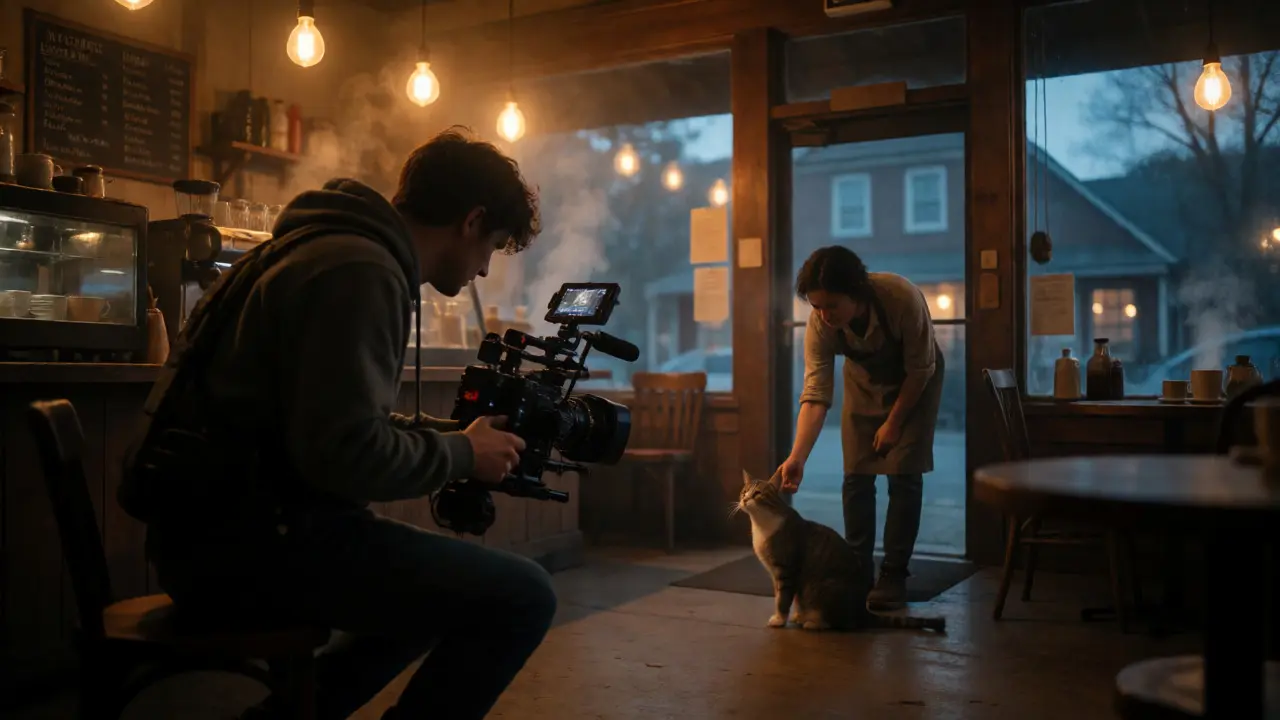
You’ve got a killer story. Maybe it’s the local barista who saves stray cats, or the engineer fixing water pipes in rural Appalachia. It’s not long enough for Netflix, but it’s too good to leave on your hard drive. This is the sweet spot of short-form documentaries. But here’s the catch: making them is easy; getting paid for them is hard.
The landscape has shifted dramatically since 2020. We aren’t just talking about YouTube ads anymore. We’re talking about niche streaming services, brand partnerships that actually respect creative control, and new subscription models that reward depth over virality. If you’re a filmmaker trying to figure out where your 5-to-15-minute film belongs, this guide breaks down exactly where to upload it and how to make money doing it.
Why Short-Form Is Booming Right Now
Attention spans haven’t shortened as much as we think-they’ve fragmented. People still want stories, but they want them bite-sized. According to recent data from the Media Research Center, consumption of video content under 10 minutes has grown by nearly 40% among viewers aged 18-34 since 2022. Why? Because it fits into a commute, a lunch break, or that weird 10-minute gap before bed.
For creators, this is an opportunity. You don’t need a $50,000 budget to compete. You need a clear narrative arc, high-quality audio, and a platform that understands the value of brevity. The key isn’t just posting; it’s positioning. Are you aiming for ad revenue, sponsorship, or licensing fees? Your choice dictates everything else.
The Big Three: Where Do You Upload?
When people say "online," they usually mean three places. Each has a different rulebook for monetization.
YouTube: The Volume Game
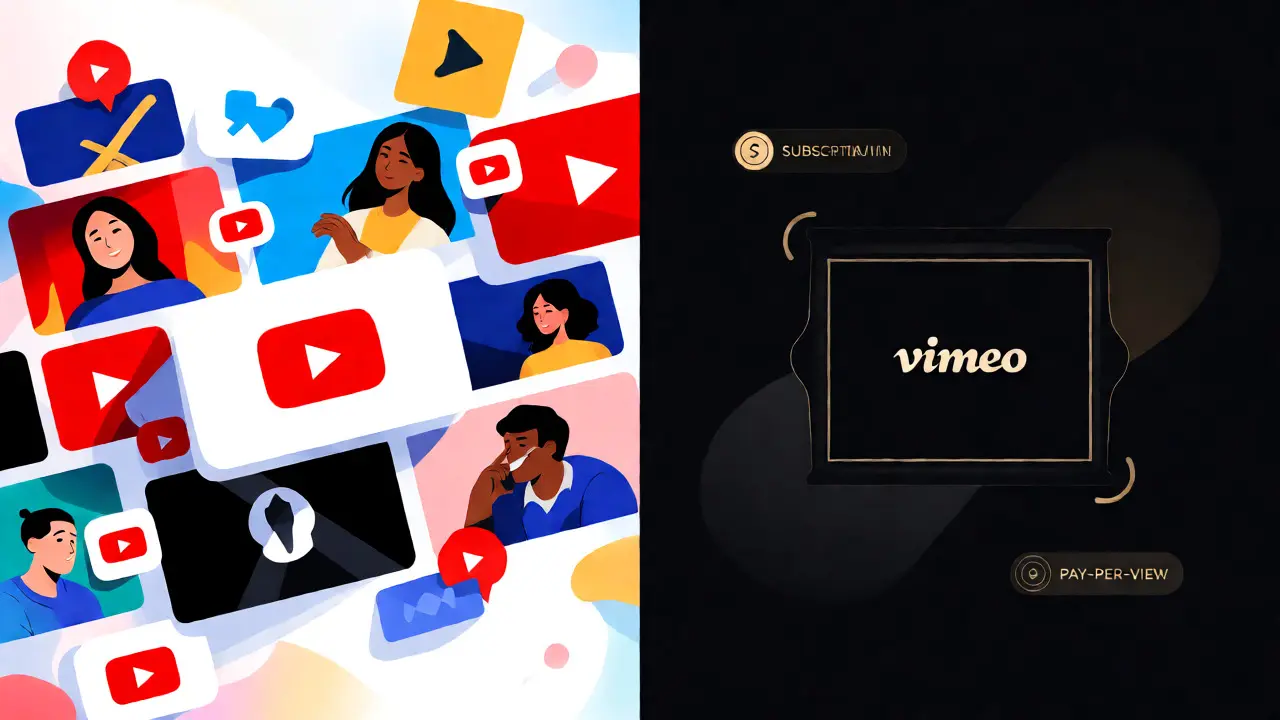
YouTube remains the giant. It’s free to use, massive in reach, and pays via ads (AdSense) and memberships. But here’s the reality check: CPMs (cost per mille, or cost per 1,000 views) for documentary content vary wildly. In the US, you might see $10-$20 CPM if your audience is older and affluent. If your short doc appeals to teens, that number drops to $2-$5.
- Pros: Unmatched discovery algorithm; potential for viral growth.
- Cons: Low per-view revenue; strict community guidelines can demonetize edgy topics.
- Best For: Creators who can produce consistently and build a channel identity around a specific niche (e.g., true crime, nature, tech).
Vimeo Staff Picks & On-Demand: The Prestige Play
If you care more about artistic integrity than raw view counts, look at Vimeo. Their "Staff Picks" section is curated by humans, not algorithms. Getting featured there is a badge of honor. More importantly, Vimeo offers robust pay-per-view and rental options. You set the price. You keep 90% of the revenue after processing fees.
- Pros: High-quality playback; no ads interrupting your film; direct fan support.
- Cons: Smaller audience; requires you to bring your own traffic.
- Best For: Award-winning shorts, festival darlings, and films with existing fanbases.
Specialized Documentary Platforms: The Niche Market
This is where things get interesting. Services like CuriosityStream and Mubi are actively seeking short-form content to fill their libraries. They often buy licenses outright or offer revenue shares based on watch time. Unlike YouTube, these platforms have subscribers who specifically signed up to watch documentaries.
| Platform | Monetization Model | Audience Intent | Entry Barrier |
|---|---|---|---|
| YouTube | Ads + Memberships | Browsing/Discovery | Low |
| Vimeo OTT | Rental/Sales | Direct Fan Support | Medium (Self-Marketing) |
| CuriosityStream | Licensing/Royalties | Subscription Viewers | High (Submission Required) |
| PBS Digital | Grants/Licensing | Educational/Public | Very High (Pitch Required) |
Brand Partnerships: The Hidden Goldmine
Here’s what most tutorials won’t tell you: ad revenue is rarely enough to live on. The real money in short-form docs comes from brands. But not the kind that slap a logo on your shirt. We’re talking about native storytelling.
Companies like Patagonia, REI, and even tech firms like Apple want content that feels authentic, not like a commercial. A 7-minute documentary about sustainable fishing practices, sponsored by a seafood brand, can command fees between $5,000 and $20,000 depending on your reach and production quality.
To land these deals, you need a media kit. Don’t just send a link to your YouTube channel. Show them:
- Demographic data of your viewers (age, location, interests).
- Case studies of previous branded content (even if unpaid).
- Your unique visual style (send a sizzle reel, not full films).
Pro tip: Pitch the idea first, then the price. Brands buy solutions to their marketing problems, not just videos. If you show them how your doc solves their problem, the price becomes negotiable.
Festival Circuits That Go Digital
Traditional festivals still matter, but many now have online components. Winning an award at a reputable festival like Sundance or Tribeca adds credibility that boosts your licensing value. However, don’t ignore smaller, niche festivals.
Festivals focused on environmental issues, human rights, or technology often have industry scouts looking for talent. These scouts might connect you with distributors like Netflix or Hulu who are hungry for shorter content to fill gaps in their programming schedules. Remember, a festival win doesn’t pay the bills directly, but it opens doors that lead to checks.
Practical Steps to Start Monetizing Today
You don’t need to wait for a big break. Here’s a checklist to start generating income from your current portfolio:
- Audit Your Library: Identify which of your shorts have evergreen appeal (topics that stay relevant year-round, like history or science).
- Create a Landing Page: Use tools like Carrd or Squarespace to host your films behind a paywall or donation button. Drive traffic here from social media.
- Apply to Aggregators: Submit your work to aggregators like FilmHub or Eventive. They handle distribution to multiple platforms for a fee or percentage cut, saving you hours of admin work.
- Engage Your Community: Reply to every comment. Build an email list. Direct fans to your website, not just your social channels. Email lists convert better than social followers.
Pitfalls to Avoid
One major mistake is spreading yourself too thin. Posting the same film on five platforms without tailoring the metadata hurts your SEO. Each platform needs unique titles, descriptions, and tags optimized for its search engine.
Another trap is ignoring copyright music. Using popular songs without proper licensing can lead to demonetization or legal takedowns. Always use royalty-free music libraries or negotiate sync licenses upfront. It’s cheaper to pay $50 for a track now than $5,000 in legal fees later.
How long should a short-form documentary be?
Most platforms define "short-form" as under 40 minutes, but the sweet spot for engagement and monetization is typically 5 to 15 minutes. This length allows for mid-roll ads on YouTube while maintaining viewer retention rates above 60%.
Can I make a living solely from YouTube ad revenue?
It is difficult for most creators. While top-tier documentary channels earn significant sums, the average creator needs millions of views annually to replace a full-time salary. Diversifying income through sponsorships, Patreon, and licensing is essential for financial stability.
What is the best platform for beginner filmmakers?
YouTube is the best starting point due to its low barrier to entry and powerful discovery algorithm. It allows beginners to test what resonates with audiences without upfront costs. Once you build a following, you can migrate to premium platforms like Vimeo or seek licensing deals.
Do I need a distributor for short-form documentaries?
Not necessarily. Self-distribution is viable and increasingly common. However, distributors help navigate complex licensing agreements and access established networks of broadcasters and streamers. For high-quality, festival-ready shorts, a distributor can significantly increase your earning potential.
How do brand sponsors find me?
Brands often use influencer marketing platforms or agency scouts. To get found, optimize your social profiles with keywords related to your niche (e.g., "environmental storyteller"). Additionally, reaching out directly to marketing managers with tailored pitches often yields better results than waiting to be discovered.