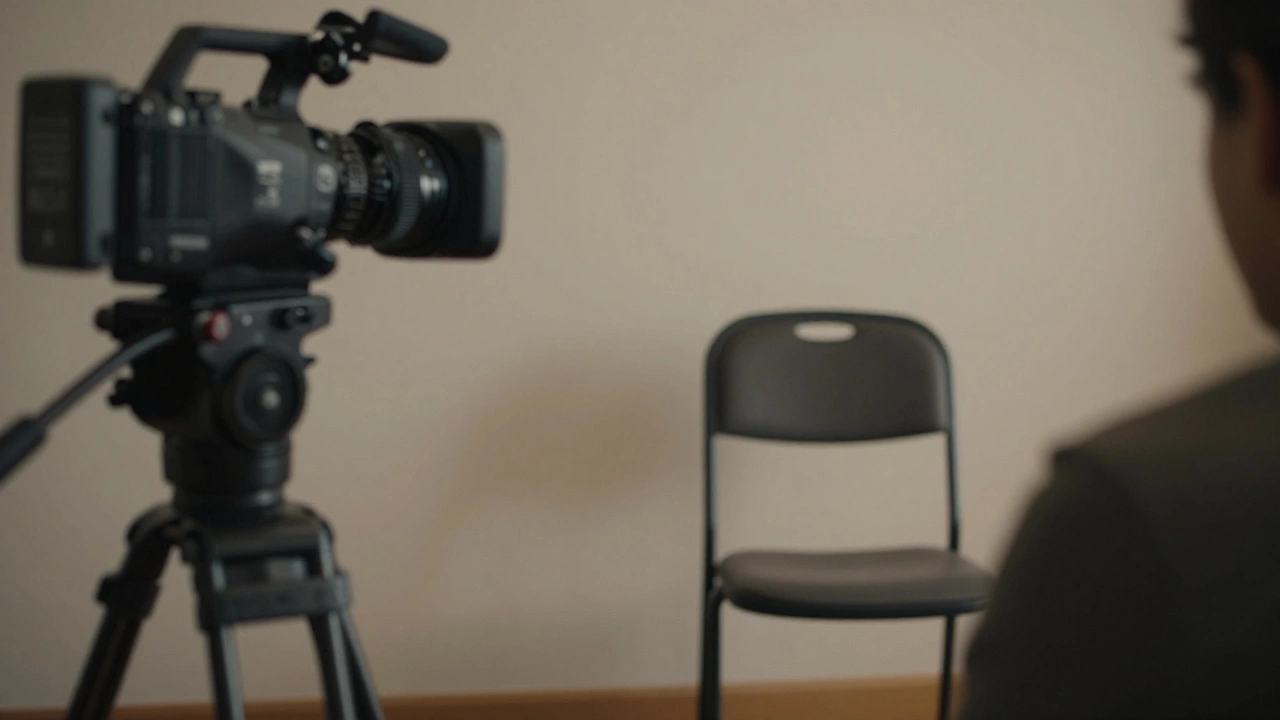
Imagine sitting across from someone who just shared their deepest pain. You have a camera rolling. A microphone is live. In traditional documentary filmmaking, the goal was often to get the "perfect shot" or the most emotional reaction. But that approach can cause real harm. This is why Trauma-Informed Filmmaking is an ethical framework that prioritizes the safety and well-being of participants over the narrative needs of the film. It changes everything about how we capture stories involving abuse, war, grief, or mental health struggles.
We are no longer in an era where "any truth is worth any price." Audiences, festivals, and ethical boards now demand more. They want to know if the people on screen were treated with dignity. If you are working on documentary cinema involving sensitive subjects, you need a new playbook. One that protects your subject before it protects your edit.
The Core Principles of Trauma-Informed Practice
Trauma-informed care isn't just a buzzword borrowed from therapy; it’s a structural shift in production. At its heart, it relies on five key principles adapted for the camera lens: Safety, Trustworthiness, Choice, Collaboration, and Empowerment.
- Safety: Creating physical and emotional environments where the participant feels secure enough to speak without fear of re-traumatization.
- Trustworthiness: Being transparent about how the footage will be used, who will see it, and what the final product might look like.
- Choice: Giving participants agency over what they share, when they pause, and even whether they want to withdraw entirely.
- Collaboration: Moving away from the "extractor" model (filmmaker takes, subject gives) to a partnership where the subject helps shape their story.
- Empowerment: Ensuring the process leaves the participant feeling heard and validated, not exploited.
When you apply these to a shoot, it looks different. You don’t just show up with a script. You build relationships. You check in constantly. You accept that the best interview might happen three weeks after the first meeting, not because you pushed harder, but because trust grew deeper.
Reimagining Consent: Beyond the Release Form
A signed release form is not enough. In fact, relying solely on legal paperwork can be dangerous. People sign forms when they are excited, scared, or confused. They rarely understand the long-term implications of being on national television or streaming platforms.
Trauma-informed filmmakers use ongoing consent. This means checking in at every stage. Before the interview, during breaks, after rough cuts are shown, and before final distribution.
| Aspect | Traditional Approach | Trauma-Informed Approach |
|---|---|---|
| Timing | One-time signature before shooting | Continuous dialogue throughout production and post-production |
| Power Dynamic | Filmmaker holds all control | Shared decision-making; participant can veto specific scenes |
| Understanding | Legal jargon, fine print | Plain language explanations, visual aids if needed |
| Withdrawal | Difficult or impossible once signed | Easy, non-punitive exit option at any stage |
This level of transparency builds trust. When a subject knows they can say "stop" or "don't use this clip," they often open up more. Paradoxically, giving them power makes the footage richer, not weaker.
Pre-Production: Building the Foundation
The work starts long before you press record. Pre-production in trauma-informed filmmaking involves extensive research and relationship building. You need to understand the context of the trauma. Are you filming survivors of domestic violence? Veterans with PTSD? Refugees?
You should consult with experts early. Hire a cultural liaison or a therapist familiar with the specific community you are documenting. For example, if you are filming Indigenous communities, you must respect their protocols regarding storytelling and land rights. Ignoring these nuances isn't just rude; it invalidates the entire project.
Also, consider your crew. Do they have the emotional resilience to handle heavy material? Provide resources for them too. Burnout among filmmakers is real, and secondary trauma can affect your judgment behind the camera.

During Production: The Interview as a Safe Space
How you conduct an interview matters immensely. Avoid aggressive questioning. Don’t interrupt to get a better angle. Let silence sit. Sometimes, the most powerful moments come when the camera keeps rolling after the question ends.
Create a comfortable environment. If possible, let the participant choose the location. Their home, their office, a park-somewhere they feel safe. Keep the lighting soft. Use lenses that allow you to keep a respectful distance rather than crowding them with close-ups unless they invite you in.
Watch for signs of distress. Shallow breathing, shaking, dissociation. If you see these, stop. Ask if they need a break. Offer water. Remind them they are in control. This isn't about losing footage; it's about preserving humanity. A broken relationship yields nothing but bad footage anyway.
Post-Production: Editing with Care
Editing is where many ethical lines blur. You have hours of intimate testimony. How do you cut it without distorting meaning? Trauma-informed editing requires extreme care.
Avoid "Frankenstein editing"-splicing sentences together to create meanings the speaker never intended. This is especially dangerous with traumatic narratives, where context is everything. Show rough cuts to your participants. Let them react. They might say, "That doesn't sound right," or "I didn't mean it that way." Listen to them.
If a participant asks to remove a specific segment, honor that request unless there is a compelling journalistic reason to keep it (and even then, proceed with extreme caution and legal counsel). Remember, you are telling *their* story, not just using their life as content.
Impact and Aftercare
The film doesn't end when it premieres. For many participants, the release brings anxiety. Will their family find out? Will strangers judge them? Trauma-informed filmmakers plan for this.
Provide aftercare support. This could mean connecting participants with counseling services, helping them prepare for media interviews, or simply checking in regularly. Some filmmakers set up funds to support their subjects post-release. Others create private screenings for the participants' families so they aren't blindsided by public reactions.
Consider the broader impact. Does the film reinforce stereotypes? Does it give voice to marginalized groups, or does it exploit their suffering for entertainment? Ask yourself hard questions. Be willing to change your edit based on feedback from the community depicted.
Challenges and Criticisms
Not everyone agrees with this approach. Some argue that strict trauma-informed practices limit artistic freedom. They worry that giving subjects too much control results in sanitized, less impactful films. There is also the practical challenge: it takes more time, more money, and more patience.
However, the counterargument is strong. Films made with exploitation often face backlash, boycotts, or legal issues. Moreover, authentic connection creates deeper art. When subjects trust you, they reveal truths that scripted performances cannot match. The cost of doing things right is high, but the cost of doing them wrong is higher.
What is trauma-informed filmmaking?
Trauma-informed filmmaking is an ethical approach to documentary production that prioritizes the psychological and emotional safety of participants. It involves understanding the impacts of trauma, avoiding re-traumatization during interviews, and ensuring informed, ongoing consent throughout the process.
Why is ongoing consent important in documentaries?
Ongoing consent ensures that participants remain comfortable with how their story is being told at every stage. Initial consent may be given under pressure or misunderstanding. Checking in regularly allows participants to withdraw or modify their participation if they feel unsafe or misrepresented.
How can filmmakers protect themselves from secondary trauma?
Filmmakers can protect themselves by setting clear boundaries, seeking professional therapy or debriefing sessions, maintaining a supportive network, and recognizing signs of burnout. Hiring crew members with experience in sensitive topics can also help distribute the emotional load.
Does trauma-informed filmmaking compromise artistic integrity?
No. While it may require more time and collaboration, trauma-informed practices often lead to deeper, more authentic storytelling. Trust enables subjects to share more vulnerable truths, resulting in richer, more impactful cinema that resonates with audiences without exploiting pain.
What role do cultural liaisons play in documentary production?
Cultural liaisons help filmmakers navigate specific community norms, languages, and historical contexts. They ensure that the filming process respects local traditions and avoids cultural insensitivity, which is crucial for building trust and creating accurate representations.