Imagine sitting in a dark theater, watching a movie you’ve loved for decades, but this time every frame is crisp, the colors are vibrant, and the sound hits you like it was recorded yesterday. That’s the power of restored artist films. It’s not just about fixing scratches or removing noise; it’s about honoring the creative vision of directors who shaped our cultural landscape. In 2026, we’re seeing a massive wave of these restorations hitting both big screens and your living room streaming services. But what does that actually mean for you? Is it worth paying full price for a re-release? Which titles are making the cut? And how do you find them without scrolling through endless lists?
This guide breaks down exactly what’s happening in the world of film preservation right now. We’ll look at why studios are investing millions in old movies, how the technology works, and which specific titles you should be on the lookout for. Whether you’re a hardcore cinephile or just someone who misses the good old days of cinema, there’s something here for you.
Why Are Studios Restoring Old Movies Now?
You might wonder why a studio would spend money on a film from the 1970s or even the 1940s when they could make new content. The answer lies in two things: nostalgia and technology. First, audiences today have a deep appreciation for classic cinema. Films like Blade Runner, The Godfather, or 2001: A Space Odyssey aren’t just entertainment; they’re cultural artifacts. People want to experience them as intended, not as degraded copies found on YouTube.
Second, the tools available today are far superior to anything used in the past. Digital remastering allows technicians to clean up footage without altering the director’s original pacing or color grading. This isn’t about changing the movie; it’s about revealing it. For example, when Stanley Kubrick was a visionary director known for his meticulous attention to detail and innovative use of camera angles and special effects made 2001: A Space Odyssey, he fought hard to get the colors right. Today, high-resolution scanning ensures that those colors pop exactly as he wanted them to, decades later.
How Digital Restoration Works
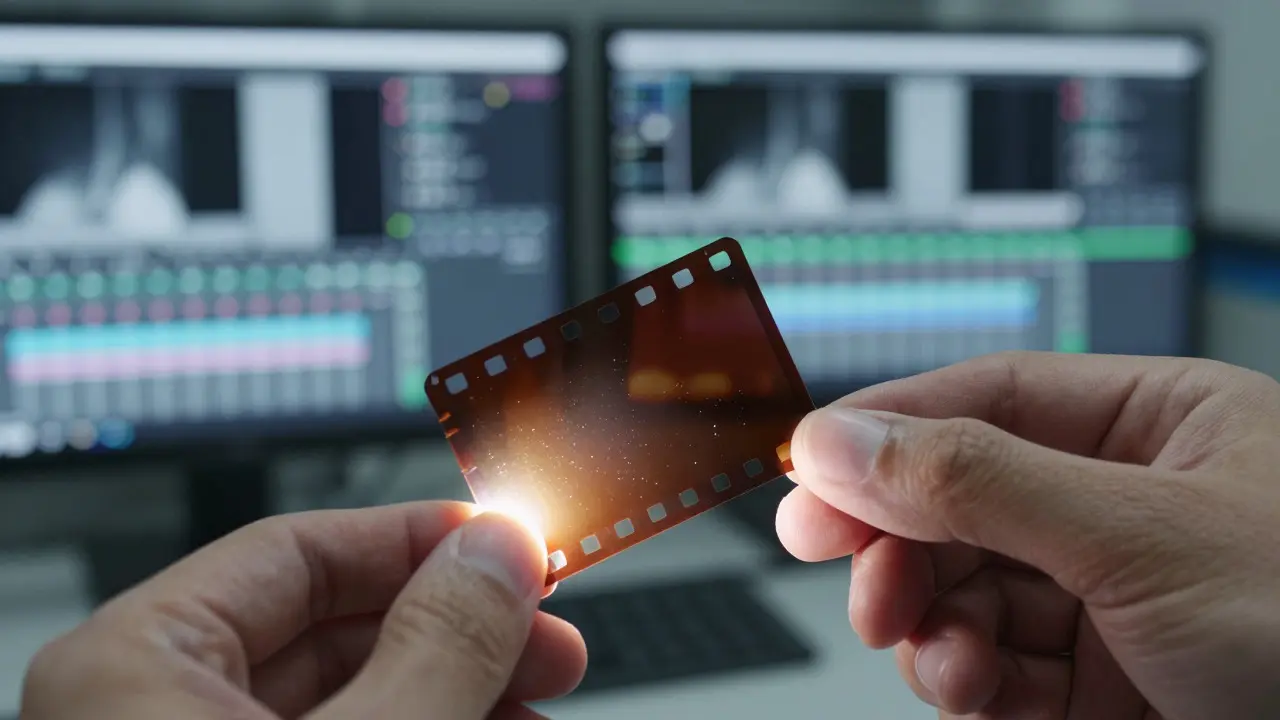
The process of restoring a film is surprisingly complex. It’s not just a software filter. Here’s a simplified look at what happens behind the scenes:
- Scanning: Technicians scan the original negative (the first copy of the film) at high resolutions, often 4K or 8K. This captures every detail, including dust and scratches.
- Cleaning: Using specialized software, editors remove physical damage like tears, spots, and grain. They do this frame by frame, which can take thousands of hours for a single feature-length film.
- Color Grading: Colorists work with the director’s notes or original test prints to match the intended look. This step is crucial because early digital scans sometimes washed out the image.
- Sound Remixing: Audio engineers separate dialogue, music, and effects, then remix them for modern surround sound systems while keeping the original balance intact.
For instance, the restoration of Sunset Boulevard required careful attention to the black-and-white contrast. Too much cleaning would lose the texture of the shadows, which were part of the film’s noir aesthetic. The goal is always subtlety.
Top Restored Artist Films Hitting Theaters in 2026
Not all restorations go to cinemas. Some go straight to streaming. However, a select few are getting theatrical runs to celebrate their anniversaries or critical milestones. Here are some notable titles expected or recently released in 2026:
| Film Title | Original Release Year | Director | Release Format | Key Restoration Feature |
|---|---|---|---|---|
| Metropolis | 1927 | Fritz Lang | IMAX / 35mm | Complete version with restored score |
| Do the Right Thing | 1989 | Spike Lee | Digital Cinema | 4K remaster with enhanced color vibrancy |
| Rear Window | 1954 | Alfred Hitchcock | 70mm / IMAX | High-contrast monochrome restoration |
| Stalker | 1979 | Andrei Tarkovsky | 35mm | Subtle grain retention for atmospheric depth |
Notice the variety. Metropolis is a silent film masterpiece that has been incomplete for years due to lost reels. The 2026 release claims to have found missing segments in an Argentine archive, making it the most complete version ever shown. Meanwhile, Spike Lee’s Do the Right Thing gets a fresh look that highlights the heat and tension of Brooklyn summers, using modern color science to enhance the red tones that define the film’s mood.
Streaming vs. Cinema: Where Should You Watch?
Here’s where it gets tricky. Most restored films will eventually land on major streaming platforms like Netflix, Mubi, or Criterion Channel. But should you wait for home viewing, or go to the theater?
If you have a top-tier home theater setup with a large screen and good speakers, the difference might be minimal. However, theaters offer something you can’t replicate at home: the collective experience. Watching 2001: A Space Odyssey with hundreds of other people adds a layer of awe that a living room rarely provides. Plus, many theatrical releases come with bonus features like live orchestral scores or Q&A sessions with surviving cast members.
On the other hand, streaming offers convenience. You can pause, rewind, and watch at 2 AM. If you’re on a budget, waiting for the digital release is smart. Just keep in mind that some streaming versions might compress the video slightly, losing some of the fine detail that the theatrical print preserves.
How to Find These Releases Near You
One common frustration is not knowing where to see these films. Unlike blockbusters, restored classics don’t play in every multiplex. They often rotate through independent theaters or art-house cinemas. Here’s how to track them down:
- Check Local Art-House Schedules: Look at websites for theaters in cities like New York, Los Angeles, Chicago, or Asheville. These venues are more likely to host special screenings.
- Follow Preservation Organizations: Groups like the Academy Film Archive or the National Film Preservation Foundation often announce upcoming screenings on social media.
- Use Aggregator Apps: Platforms like Letterboxd or Fandango list upcoming events, including limited-run restorations.
Pro tip: If a film is only showing for one weekend, book tickets early. Enthusiasts tend to fill up small auditoriums quickly, especially for iconic titles like Pulp Fiction or The Matrix.
Common Mistakes to Avoid When Choosing a Restoration
Not all restorations are created equal. Sometimes, studios overdo it. Here are a few red flags to watch out for:
- Over-Cleaning: If the film looks too smooth or plastic-like, the grain has been removed. Film grain is part of the texture. Its absence can make actors’ faces look waxy.
- Color Shifts: If the colors look unnatural or too saturated, the colorist may have taken liberties. Compare screenshots with original stills if possible.
- Missing Scenes: Always check if the restoration includes previously cut or banned scenes. A “complete” edition should mention any newly recovered footage.
When in doubt, read reviews from trusted sources like Sight & Sound or Roger Ebert’s legacy archives. They often point out technical issues before you buy a ticket.
The Future of Film Preservation
As we move further into 2026, the line between digital and physical is blurring. More studios are investing in long-term preservation projects, ensuring that films from the 2000s and 2010s are also protected. This means that in ten years, we might see restorations of recent hits that we currently take for granted.
For now, the focus remains on the golden age of cinema. Directors like Alfred Hitchcock was a British-American filmmaker widely regarded as one of the most influential directors in the history of cinema and Wong Kar-wai is a Hong Kong filmmaker known for his visually stunning and emotionally resonant films continue to inspire new generations. Their work deserves to be seen in its best possible form.
So, next time you see a poster for a classic film in a local theater, don’t ignore it. It might be the closest thing to time travel you’ll ever experience.
What is the difference between a remaster and a restoration?
A restoration aims to return the film to its original state as intended by the director, using the original negative. A remaster often involves enhancing the existing copy, which may include adding new effects or changing the aspect ratio. Restorations are generally considered more authentic.
Are restored films only available in 4K?
No. While 4K is common for digital releases, many theatrical showings use 35mm or 70mm film prints. The quality depends on the source material and the projection method. Some older films are scanned at higher resolutions but projected in standard formats.
Which streaming platforms have the best restored film libraries?
Mubi and the Criterion Channel are known for their curated selections of restored classics. Netflix and Amazon Prime Video also carry many, but their libraries change frequently. Check each platform’s current catalog for specific titles.
Do I need a special TV to watch restored films at home?
You don’t need a special TV, but a larger screen with good color accuracy helps. OLED panels are particularly good for displaying the deep blacks and bright highlights found in well-restored films. However, even a standard LED TV will show significant improvements over older DVD copies.
How can I tell if a film is a true restoration?
Look for mentions of “scanned from the original negative” or “in collaboration with the director.” Reputable distributors like Criterion Collection or Kino Lorber usually specify the source material in their product descriptions. If it says “digitally remastered” without mentioning the negative, it might be a lower-quality enhancement.