Remember when you could assume a movie would stay in theaters for three months before hitting home video? That era is dead. Today, the gap between seeing a blockbuster on the big screen and watching it on your living room TV can be as short as 17 days. This shift isn't just a minor adjustment; it's a fundamental restructuring of how film distribution works. Studios are caught in a tug-of-war between two powerful forces: the traditional desire for exclusive theatrical runs and the relentless demand for immediate access via streaming platforms.
If you're wondering why some movies vanish from cinemas overnight while others linger for weeks, or why Netflix spends billions to keep films in theaters for just a few weekends, you're asking the right questions. The answer lies in a complex negotiation involving box office revenue, subscriber retention, and changing consumer habits. Let's break down exactly how studios navigate this chaotic landscape and what it means for the future of cinema.
The Death of the 90-Day Rule
For decades, the industry operated under an unwritten rule known as the "90-day window." This meant a film had to play exclusively in theaters for roughly three months before it could appear on DVD, Blu-ray, or digital rental platforms. This structure protected theater owners' investments and gave studios time to maximize ticket sales before cannibalizing their own market with home viewing options.
That stability shattered around 2020. When Universal Pictures and AMC Theatres struck a deal allowing shorter windows, the floodgates opened. Suddenly, the standard shifted from 90 days to 45 days, then to 30, and in many cases, straight to 17. Why such drastic cuts? Because audiences changed. Post-pandemic viewers grew accustomed to waiting less. If a movie wasn't worth driving to a theater for, they simply waited for it to drop on Peacock or Paramount+.
This compression hits indie films hardest. Major blockbusters like Top Gun: Maverick might still hold theaters for months because they offer an experience people want to share. But mid-budget dramas or comedies often see their theatrical run cut short if opening weekend numbers dip below expectations. For these titles, speed to streaming isn't just a preference; it's a survival tactic to capture attention before it fades entirely.
Streaming Giants vs. Traditional Exhibitors
The conflict isn't just about timing; it's about who controls the audience. Netflix, Amazon Prime Video, and Apple TV+ operate on different business models than legacy studios like Disney or Warner Bros. Discovery. Their primary goal isn't selling tickets; it's retaining subscribers.
Consider Apple's strategy. They famously invested heavily in Killers of the Flower Moon and Napoleon, giving them extended theatrical runs. Why? To win Oscars and prestige. A wide theatrical release signals quality, which attracts high-value subscribers who care about cinematic excellence. In contrast, Netflix often prefers minimal theatrical releases-just enough to qualify for awards eligibility (typically one week in Los Angeles and New York)-before pushing content directly to its platform. This maximizes immediate viewership metrics, which drive algorithmic recommendations and keep users subscribed month-to-month.
Theaters, meanwhile, fight back by demanding longer exclusivity. Chains like Regal Cinemas and Cinemark argue that shortened windows erode their ability to plan staffing and concessions. If a movie leaves after two weeks, they lose the tail-end revenue from casual viewers who might catch it later. This tension leads to uneven deals: some chains get 45-day windows, others get 17, depending on their negotiating power and geographic reach.
Data-Driven Decisions: How Studios Choose the Window
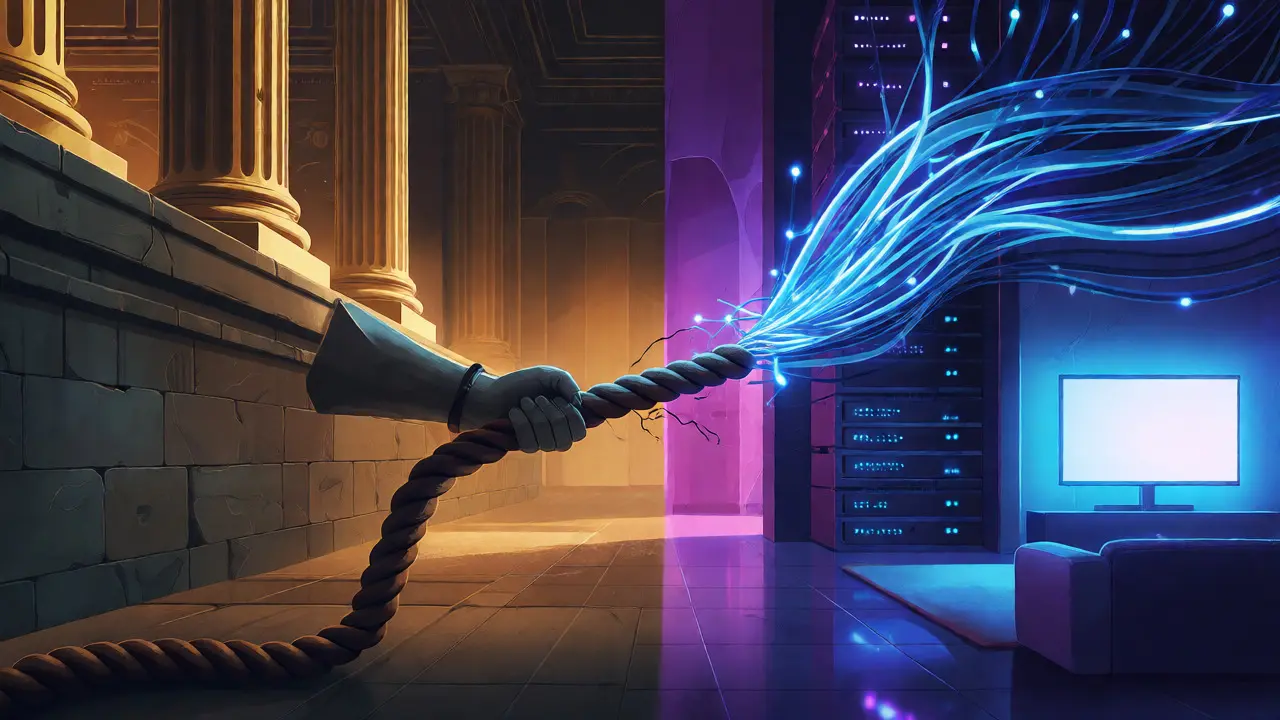
Studios don't pick release dates randomly anymore. They use sophisticated data analytics to predict how long a film will sustain interest. Key factors include:
- Audience Demographics: Older audiences tend to wait for streaming, while younger crowds may prefer immediate access. If a film targets Gen Z, a shorter window makes sense.
- Genre Performance: Horror films often have explosive openings but drop off quickly. A 17-day window captures the hype without letting word-of-mouth decay. Dramas, however, benefit from slower builds and longer runs.
- Competition Calendar: If three major franchises launch in the same month, a studio might shorten a smaller title's window to avoid getting buried.
- Marketing Spend: High marketing budgets justify longer theatrical runs to recoup costs. Low-budget films pivot to streaming faster to minimize risk.
Warner Bros. Discovery, for instance, experimented with day-and-date releases during the pandemic, releasing Dune simultaneously in theaters and on HBO Max. The result? Mixed reviews. While streaming numbers were strong, the theatrical box office suffered compared to pre-pandemic benchmarks. Since then, they've returned to a hybrid model, aiming for 45-day windows for tentpoles and shorter runs for mid-tier films.
The Impact on Filmmakers and Awards
Shortened windows create headaches for directors and actors. Many filmmakers view the theatrical experience as essential to their art. Christopher Nolan, for example, has publicly criticized shortened windows, arguing they undermine the communal aspect of cinema. When a film disappears from screens quickly, it loses cultural momentum. Think about Barbie. Its massive success relied partly on sustained theatrical presence, allowing memes and discussions to build over weeks. A 17-day window might have killed that viral effect.
Awards season adds another layer of complexity. To be eligible for an Academy Award, a film must have a qualifying theatrical run. Historically, this meant weeks of exposure. Now, with limited releases becoming common, voters often watch films at home. Does this diminish the impact? Some critics argue yes, noting that emotional resonance often requires the immersive environment of a dark theater. Others say accessibility matters more-if more people see the film, the award reflects broader consensus.
| Studio Type | Typical Window Length | Primary Goal | Risk Factor |
|---|---|---|---|
| Legacy Studios (Disney, Universal) | 45-90 Days | Maximize Box Office + Merchandise | Subscriber Churn if Delayed Too Long |
| Streaming-Native (Netflix, Amazon) | 1-4 Weeks (Limited) | Subscriber Retention + Awards Prestige | Lack of Cultural Buzz Without Theatrical Presence |
| Indie Distributors (A24, Neon) | Variable (Often Short) | Critical Acclaim + Niche Audience Reach | Oversaturation in Digital Marketplaces |
What This Means for You, the Viewer
As a consumer, this flux changes how you plan your entertainment. You can no longer assume a movie will be available on Netflix the day it leaves theaters. Rights fragmentation means a film might go to Hulu, then rotate to Max, then land on Apple TV+. Keeping track is exhausting.
Here’s a practical tip: If you’re eager to see a highly anticipated film, check the studio’s recent patterns. Disney tends to hold films longer for family-friendly content. Universal often moves quicker. And always verify which platform holds the rights post-theatrical. Using aggregator sites helps, but knowing the studio’s current strategy saves time and money.
Also, consider supporting local theaters where possible. While big chains negotiate hard, independent cinemas rely heavily on unique programming and community events. By attending screenings early, you help sustain venues that offer experiences streaming can’t replicate-like IMAX, Dolby Cinema, or live Q&A sessions.
The Future: Hybrid Models and Dynamic Pricing
Where do we go from here? Expect more experimentation. We’re already seeing dynamic pricing models where ticket prices fluctuate based on demand, similar to airline tickets. Some theaters offer premium formats at higher costs, reserving cheaper seats for older films or less competitive timeslots.
Another trend is the "eventization" of cinema. Studios are marketing certain releases as must-see events rather than passive entertainment. This encourages immediate attendance, reducing the need for long windows. Conversely, streaming platforms are investing in interactive features and personalized recommendations to compete with the social aspect of going out.
Ultimately, there won’t be one-size-fits-all solution. The release window will continue to vary by title, studio, and even individual theater chain. Flexibility is the new norm. For filmmakers, this means adapting storytelling techniques to suit both intimate home viewing and grand theatrical spectacles. For audiences, it means staying informed and flexible in how we consume stories.
Why did the 90-day release window end?
The 90-day window ended due to a combination of factors including the rise of streaming services, changing consumer preferences for immediate access, and financial pressures on studios to monetize content faster. The pandemic accelerated this shift, leading to agreements between major studios and theater chains that allowed significantly shorter exclusivity periods, sometimes as brief as 17 days.
Do all movies have the same release window?
No, release windows vary widely depending on the studio, the film's budget, genre, and projected performance. Blockbusters aimed at maximizing box office revenue may have longer theatrical runs (45-90 days), while smaller films or those targeting streaming audiences might have very short windows (17 days) or even simultaneous releases.
How does a short release window affect Oscar eligibility?
To be eligible for Academy Awards, films generally need a qualifying theatrical run, typically one week in Los Angeles County. Shortened windows don't necessarily disqualify films, but they can reduce visibility among voters who may prioritize films with stronger theatrical presences. However, many successful Oscar contenders now have limited theatrical runs followed by rapid streaming releases.
Which streaming service gets a movie first after it leaves theaters?
This depends on the studio's existing partnerships. For example, Universal films often go to Peacock, Disney films to Disney+, and Warner Bros. films to Max. Independent distributors may license rights to multiple platforms sequentially. Always check specific studio announcements or tracking websites for accurate post-theatrical availability.
Are theaters dying because of shorter release windows?
Not necessarily. While shorter windows pose challenges, theaters are adapting by focusing on premium experiences (IMAX, luxury seating), event screenings, and diverse programming beyond Hollywood blockbusters. Attendance has recovered significantly since the pandemic, suggesting that while the model is changing, the demand for communal viewing remains strong.