You know that feeling when you see a photo of a star stepping out of a black SUV, flashes popping like strobe lights, and the crowd roaring? It looks effortless. But behind every red carpet moment is a high-stakes game of logistics, ego management, and strategic timing. If you think these events are just about pretty dresses and free champagne, you’re missing the point. These premieres are massive marketing machines where a three-second walk can define a film’s entire commercial life.
Whether you’re an aspiring filmmaker trying to get your short into Cannes, a journalist covering the beat, or just a fan wondering why everyone wears sunglasses indoors, understanding how these festivals work changes how you watch movies. Let’s break down what actually happens on the carpet, which festivals matter most, and how to survive the chaos if you ever find yourself in the middle of it.
The Big Three: Why Cannes, Venice, and Berlin Matter
Not all festivals are created equal. While there are hundreds of film events globally, only a handful carry enough weight to make a studio panic if their star doesn’t show up. The "Big Three" European festivals-Cannes, Venice, and Berlin-are the gatekeepers of prestige.
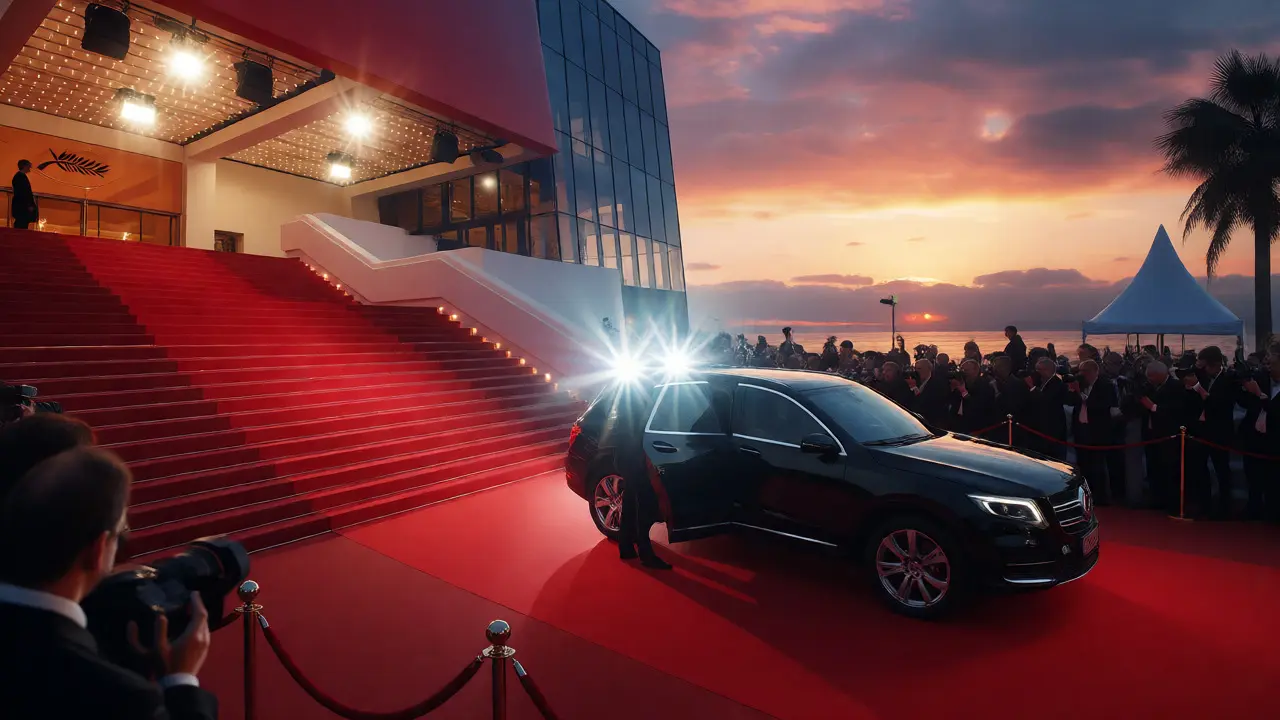
Cannes is the heavyweight champion. Held annually in May on the French Riviera, it’s less a festival and more a global marketplace. The Palais des Festivals isn’t just a venue; it’s a fortress. Getting a badge here requires accreditation that costs money and time. The red carpet at Cannes is strictly regulated. You don’t just walk; you are ushered by security teams who manage the flow with military precision. A misstep here can mean being banned from future editions.
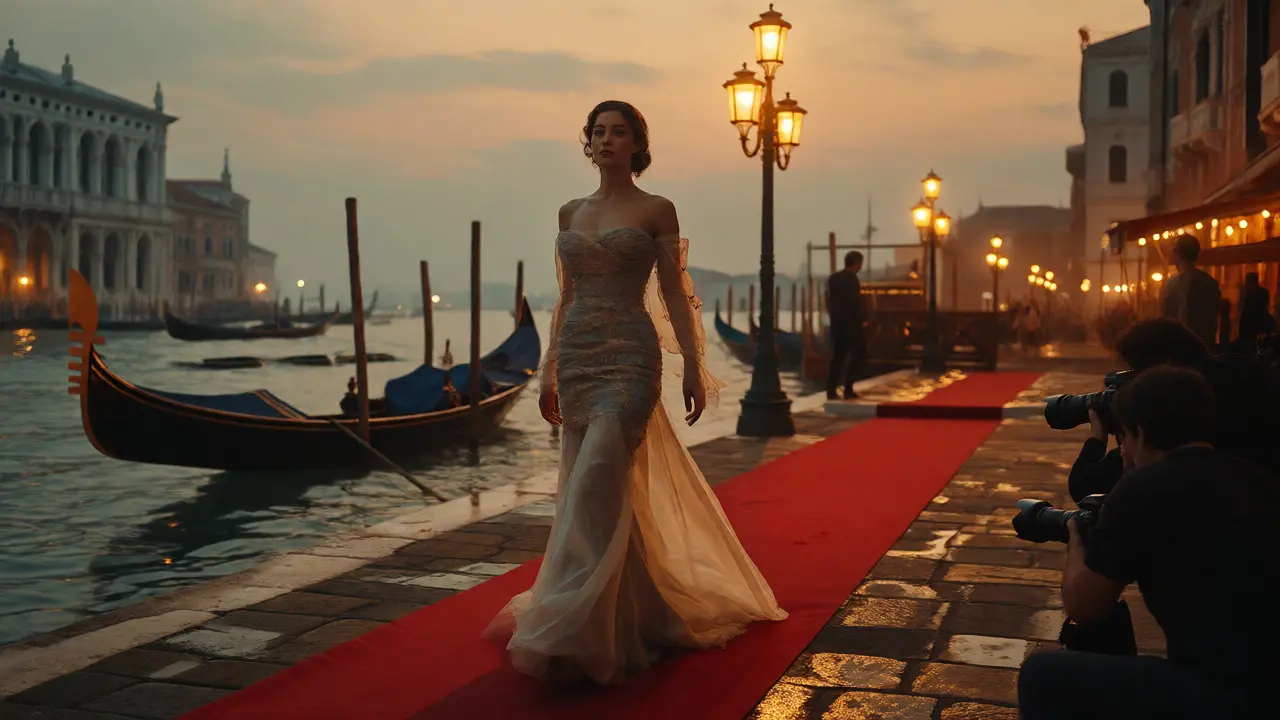
Venice, held in late August or early September, has recently become the go-to launchpad for Oscar contenders. Studios realized that launching a serious drama in Venice gives it six months of buzz before the Academy Awards. The setting is unique-the red carpet often runs along the water, with gondolas serving as transport for VIPs. It’s romantic, sure, but also incredibly humid. Makeup artists live in fear of the Venetian summer heat.
Berlin, or the Berlinale, is the public-facing one. Unlike Cannes’ exclusive vibe, Berlin allows general ticket holders to attend screenings. This makes the red carpet energy different. The crowd is louder, more diverse, and genuinely excited. For actors, walking the Berlin carpet feels less like a business transaction and more like connecting with actual fans.
| Festival | Location | Timing | Primary Focus | Access Level |
|---|---|---|---|---|
| Cannes | France | May | Prestige, Market Sales | Highly Restricted (Accreditation Required) |
| Venice | Italy | August/September | Oscar Bait, Art House | Moderate (VIPs & Press) |
| Berlin | Germany | February | Political Cinema, Public Engagement | Open (Public Tickets Available) |
| Toronto | Canada | September | Audience Favorites, Industry Networking | High (Industry & Public Passes) |
The Anatomy of a Red Carpet Walk
Ever wonder why some walks look awkward while others look iconic? It’s not luck. It’s choreography. When a celebrity arrives at a premiere, they aren’t just walking from Point A to Point B. They are performing for hundreds of photographers positioned at specific angles.
First, there’s the arrival. The car stops exactly where the photographers have their best light. Security opens the door. The actor steps out, usually pausing for a split second to let the flash bulbs fire. Then comes the walk. This is where the magic happens-or fails. Actors are trained to walk slowly, maintaining eye contact with cameras on both sides. They don’t rush. Rushing signals nervousness or disinterest.
Then, the stop. There are designated "photo walls" covered in sponsor logos. Here, the actor must pose for solo shots, then for group shots with co-stars and directors. This part is pure theater. Directors stand in the center, stars flank them. If two big names are fighting for dominance, the publicist will physically adjust their positions. It’s subtle power dynamics played out in real-time.
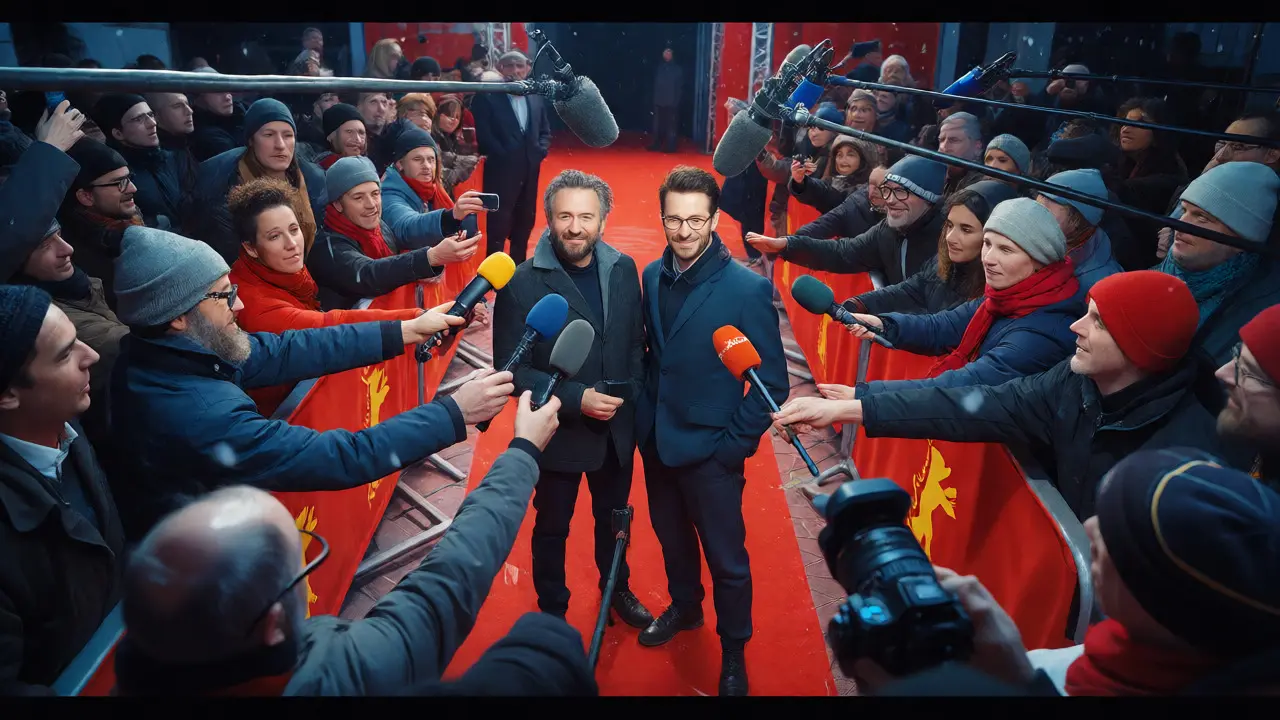
Finally, the interview gauntlet. After the photos, the cast moves to a press line. Journalists shout questions over the noise of the crowd. Answers are pre-rehearsed snippets about the film’s theme, never personal gossip. This segment lasts minutes but determines the tone of the next day’s news cycle.
Dressing for Success: Style Meets Strategy
Your outfit on the red carpet is a billboard. Designers lend gowns and suits worth millions, but it’s not charity. It’s advertising. When a major actress wears a specific brand to Sundance, her social media engagement spikes, and sales for that collection rise. Brands track this data obsessively.
For men, the tuxedo remains king, but details matter. Velvet jackets, unconventional colors, or vintage pieces signal personality. For women, the dress code is stricter but offers more variety. However, comfort is often sacrificed. Many stars wear heels that are barely functional, relying on assistants to help them navigate cobblestones or steep stairs. At festivals like Cannes, where the carpet leads up the famous 24 steps of the Palais, a broken heel is a genuine crisis.
Accessories are chosen for camera visibility. Earrings catch the light. Clutches are small because large bags ruin the silhouette. Sunglasses are worn indoors not just for style, but to hide tired eyes after jet lag and late-night parties. Remember, these people have been traveling across time zones for days. The glamour is hard work.
Surviving the Festival Circuit: Tips for Attendees
If you plan to attend a festival as a fan or industry professional, preparation is key. These events are marathons, not sprints. Here is what you need to know to avoid burnout.
- Wear Comfortable Shoes: Seriously. You will walk miles between venues. In Cannes, the Croisette is long. In Toronto, the streets are icy in September. Leave the stilettos at home unless you’re working.
- Master the Badge System: Every festival has a color-coded lanyard system. Blue might mean press, yellow means market access, red means VIP. Wearing the wrong badge gets you turned away instantly. Know yours.
- Hydrate and Snack: Food lines are endless. Carry granola bars and water bottles. You won’t always have time to sit down for a proper meal between screenings.
- Network Strategically: Don’t just talk to everyone. Identify three people you want to meet and focus on those conversations. Handshakes are brief; follow-ups via email are where relationships are built.
- Expect Delays: Screenings start late. Q&As run long. Build buffer time into your schedule. If you pack your day too tight, you’ll miss the post-screening reception where the real networking happens.
The Rise of Digital Premieres and Hybrid Events
The landscape changed dramatically after 2020. While physical red carpets remain vital, digital presence is now mandatory. Stars no longer just walk the carpet; they livestream it. TikTok clips from the green room often get more views than the actual film trailer.
This shift has democratized access somewhat. Fans can watch interviews live from their phones. But it has also increased pressure. Celebrities must be photogenic from every angle, ready for close-up smartphone cameras that reveal flaws traditional lenses missed. Social media managers now travel with stars, capturing content in real-time. The red carpet is no longer just for newspapers; it’s for Instagram Stories and Twitter threads.
Moreover, hybrid models allow films to premiere online simultaneously with theatrical releases. This creates a dual-audience effect. Critics write reviews for traditional outlets, while influencers post quick takes on YouTube. Filmmakers must navigate both worlds, ensuring their message resonates with cinephiles and casual viewers alike.
Why These Moments Define Careers
A single red carpet appearance can revive a career or launch a new one. Think of how certain actors became household names overnight after a standout performance at Sundance. The buzz generated on the carpet translates directly into box office numbers and streaming subscriptions.
Studios invest heavily in these appearances. They hire stylists, publicists, and security teams specifically for festival season. Why? Because trust is built visually. When audiences see a director looking confident and a cast enjoying themselves, they assume the film is good. Conversely, a tense or boring carpet appearance can signal trouble. Rumors spread fast. If the lead actor avoids the photographer’s lens, speculation about conflict begins immediately.
Ultimately, the red carpet is the first chapter of the movie’s story. It sets the tone, establishes the stakes, and invites the world to pay attention. Whether you’re watching from your couch or standing behind the velvet rope, remember: it’s all part of the show.
How do celebrities get invited to film festival red carpets?
Celebrities are typically invited by the studios distributing their films. If an actor is starring in a movie premiering at Cannes, the studio’s PR team secures their invitation. Independent stars may receive invitations through agents or talent agencies that have established relationships with festival organizers. Sometimes, non-actors like musicians or influencers are invited to generate broader media coverage.
Can regular fans attend red carpet events?
It depends on the festival. At Berlin, fans can buy tickets to see films and sometimes view the carpet from designated areas. At Cannes, the main red carpet is restricted to accredited guests, but fans can gather along the Croisette to catch glimpses of stars arriving. Some smaller festivals offer public viewing zones or even volunteer opportunities that provide closer access.
What happens if a celebrity refuses to walk the red carpet?
If a star skips the carpet, it often sparks rumors of conflict with the director or dissatisfaction with the film. Studios dislike this because it reduces media exposure. In extreme cases, contractual obligations might require attendance. Refusal can lead to fines or strained relationships with producers, affecting future collaborations. However, some stars use absence as a protest against political issues or industry practices.
Are red carpet outfits paid for by the celebrities?
Most high-end outfits are loaned by fashion houses for free. In exchange, the celebrity wears the brand publicly, providing advertising value. Sometimes, celebrities receive a stipend or "loan fee" to wear a designer piece exclusively. They rarely pay full retail price for premiere gowns, though accessories like jewelry are often borrowed from luxury brands under strict insurance policies.
Which film festival is hardest to get into?
Cannes is widely considered the most difficult due to its exclusivity and high demand for accreditation. Venice is also highly competitive, especially for the main competition section. Sundance is tough for filmmakers submitting entries, but easier for attendees to gain access compared to Cannes. Generally, European "A-list" festivals have the highest barriers to entry for both films and attendees.