You know that specific ache of being sixteen and feeling like the only person on earth who sees the world differently? Now imagine carrying that weight while navigating a society that often refuses to acknowledge your existence. For decades, Queer Youth stories in cinema were either invisible or tragic. If you existed, you died. If you lived, you suffered. But something shifted in the last fifteen years. The camera stopped looking at queer teens from the outside and started looking through their eyes.
This isn't just about seeing yourself on screen. It's about validation. When a teenager in rural Ohio watches a character navigate first love with someone of the same gender, it stops being an abstract concept and becomes a tangible possibility. We’re going to look at why these stories matter, which ones actually get it right, and what makes a coming-of-age narrative resonate beyond its demographic.
Why Representation Changes Everything
Let’s be real: media shapes reality. Before the 2010s, if you were a queer kid, your options were limited to caricatures or victims. You didn’t see heroes. You saw cautionary tales. This created a psychological gap where many young people felt broken because they couldn’t find a mirror for their experience.
Research from organizations like GLAAD has consistently shown that visibility reduces stigma. But it goes deeper than statistics. It’s about the quiet moment when a parent says, "Oh, so this is what my child is going through," after watching a film together. Films act as empathy engines. They allow audiences to step into shoes they’ve never worn, breaking down barriers faster than any political debate could.
The shift began with independent cinema. Studios weren’t taking risks on nuanced queer narratives. So, filmmakers like Céline Sciamma and Barry Jenkins did it themselves. They proved that these stories had universal appeal. A story about identity isn't niche; it's human. When you strip away the labels, everyone understands the fear of rejection and the thrill of acceptance.
The Evolution of Queer Narratives
We need to talk about how the script changed. Early queer cinema was obsessed with trauma. Think of the AIDS crisis era films where the plot revolved entirely around loss. While those stories were vital, they left little room for joy. Today’s LGBTQ+ Cinema embraces complexity, allowing characters to be messy, funny, and flawed without their sexuality being their only defining trait.
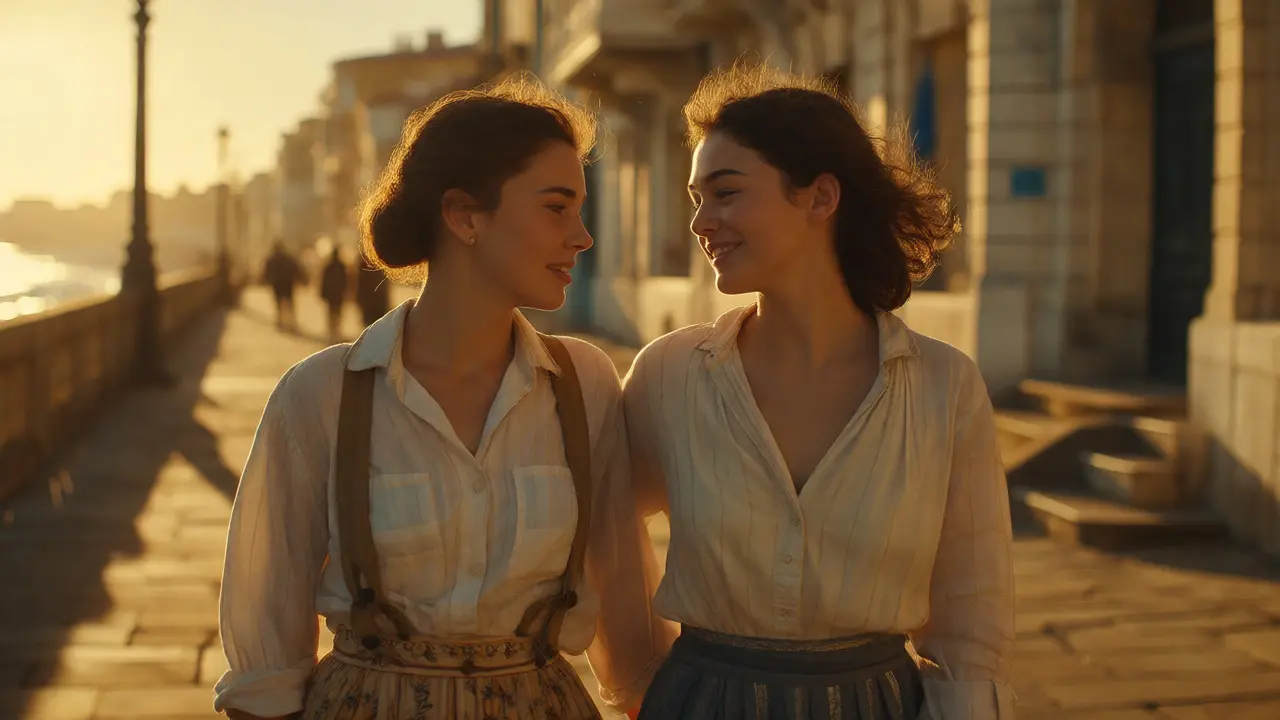
Take Moonlight (2016). It wasn’t just a movie about a gay black man; it was a meditation on masculinity, silence, and connection. It won Best Picture not because it ticked diversity boxes, but because it was undeniable art. Then came Portrait of a Lady on Fire, which explored desire with a gaze that was both tender and intellectual. These films moved the needle by refusing to simplify queer life.
But let’s look at the teen-specific angle. Shows like Heartstopper brought a softness that was previously rare. There was no homophobia villain twirling his mustache. Instead, the conflict came from internal anxiety and social awkwardness-universal teen experiences. This normalization is crucial. It tells young viewers that their lives can be gentle, too.
Films That Actually Get It Right
If you’re looking for recommendations that don’t rely on clichés, here are three standouts that balance authenticity with storytelling craft.
| Title | Year | Core Theme | Why It Matters |
|---|---|---|---|
| Moonlight | 2016 | Masculinity & Identity | Broke Hollywood stereotypes about Black queer men; visually poetic. |
| The Half of It | 2020 | Friendship vs. Romance | Subverts the 'boy meets girl' trope; focuses on intellectual connection. |
| Shameless (UK) | 2004-2013 | Survival & Family | Portrays working-class queer life without sanitizing poverty or chaos. |
The Half of It deserves special mention. Written by Alice Wu, it’s loosely based on Cyrano de Bergerac. Ellie Chu, a shy Chinese-American student, writes love letters for others. She falls for Aster, but her best friend Paul also likes her. The twist? Ellie realizes she loves Aster, but not in the way the movies taught her to expect. It’s a brilliant subversion of the romantic comedy formula, showing that understanding someone is more intimate than kissing them.
Then there’s Pride (2014), which looks back at the 1984 UK miners' strike. Gay activists raised money for striking miners. It’s a historical drama, but the energy is pure youthful rebellion. It shows solidarity across different marginalized groups. For modern youth, it provides a lineage-a reminder that queer activism has always been intertwined with broader social justice movements.
The Pitfalls of Modern Storytelling
Just because we have more content doesn’t mean all of it is good. We’ve entered an era of "performative inclusion." Some studios throw a rainbow flag on a poster and call it progress. But if the queer character exists solely to teach the straight protagonist a lesson, that’s tokenism, not representation.
A major red flag is the "Bury Your Gays" trope, even in its modern variants. Does the queer character have a future? Or does the story end with them crying on a bench? Audiences are smarter now. They spot lazy writing instantly. If a character’s arc revolves entirely around their trauma related to their identity, the writers might be missing the point. Queer kids want to see themselves succeeding, graduating, getting jobs, and having bad hair days-not just surviving abuse.
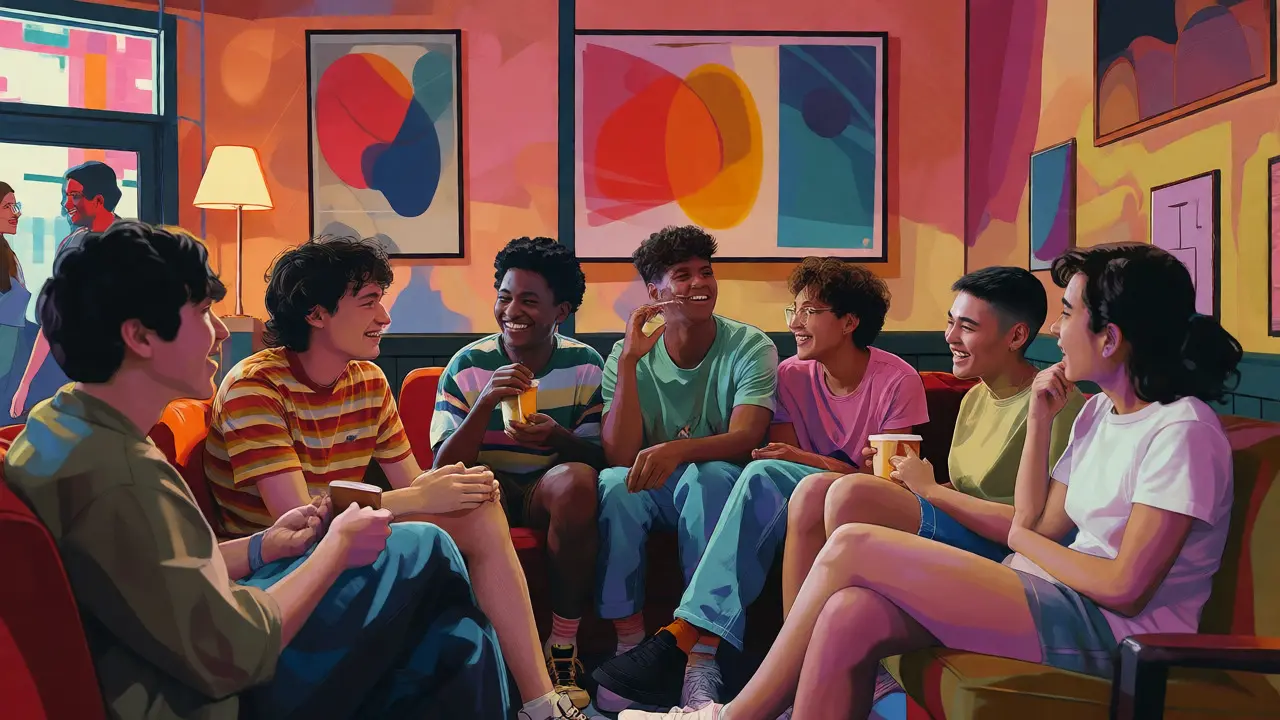
Another issue is the lack of intersectionality. Too many films focus on white, cisgender, middle-class gay boys. Where are the stories for trans girls of color? Where are the narratives for non-binary kids in conservative communities? Platforms like Netflix and A24 are trying to fill these gaps, but the volume still lags behind the demand. We need more variety in geography, class, and race.
How to Support Queer Youth Cinema
So, what can you do? Watching is voting. Every time you stream a film with authentic queer representation, you signal to algorithms and studios that this content sells. But go further. Buy tickets for opening weekends. Indie films live and die by early traction.
Engage with the community. Follow directors like Celine Sciamma, Chloé Zhao, or Andrew Haigh on social media. Share clips that resonate with you. Word of mouth is powerful. In Asheville, local theaters often host queer film festivals that spotlight emerging talent. Supporting these small venues helps sustain the ecosystem that allows risky, beautiful films to exist.
Also, talk about these films. Bring them up in casual conversation. Normalize discussing queer narratives with friends who aren’t part of the community. Ask questions. Listen to the answers. This cultural dialogue breaks down the "othering" that persists despite increased visibility.
Looking Ahead: What’s Next?
The next decade promises even more diversity. We’re seeing a rise in trans-led projects, such as Disclosure (documentary) and upcoming fictional features centered on trans protagonists played by trans actors. This casting shift is non-negotiable for authenticity.
Technology is also changing the game. Short-form content on TikTok and YouTube allows queer creators to tell micro-stories that bypass traditional gatekeepers. These snippets often inspire full-length productions. The barrier to entry is lower, meaning voices from remote areas or underrepresented backgrounds can finally be heard.
Ultimately, Coming-of-Age Movies serve as emotional anchors for growing up. For queer youth, they provide a roadmap through uncharted territory. They say, "You are not alone. Your feelings are valid. And yes, it gets better." That message is worth every frame of film shot.
What defines a "coming-of-age" film?
A coming-of-age film focuses on the psychological and moral growth of the protagonist from youth to adulthood. Key elements include self-discovery, loss of innocence, and the transition from dependence to independence. In queer cinema, this often involves the additional layer of sexual or gender identity discovery.
Why is authentic casting important in queer films?
Authentic casting ensures that the lived experience of the character is portrayed accurately. When cisgender actors play trans roles, nuances can be missed or stereotyped. Casting trans actors brings genuine insight into the physical and emotional realities of transition and identity, enhancing credibility and respect for the community.
Are there any recent films featuring non-binary characters?
Yes. Films like Boy Erased touch on gender fluidity, though not exclusively. More recently, series like Sex Education and films like Everything Everywhere All At Once feature non-binary identities prominently. Independent shorts are also leading the charge in normalizing non-binary pronouns and experiences in mainstream-adjacent media.
How do streaming platforms impact queer cinema?
Streaming platforms like Netflix, Hulu, and Amazon Prime have democratized access to queer films. They take risks on niche topics that traditional studios avoid due to box office concerns. This has led to a surge in diverse global queer cinema, allowing international stories to reach wide audiences quickly.
What is the "New Queer Cinema" movement?
Originating in the late 1980s and early 1990s, New Queer Cinema was a wave of low-budget, independent films that challenged traditional narratives about homosexuality. Directors like Gregg Araki and Tom Kalin focused on raw, unpolished aesthetics and controversial themes, laying the groundwork for today’s more varied and accepted queer storytelling.