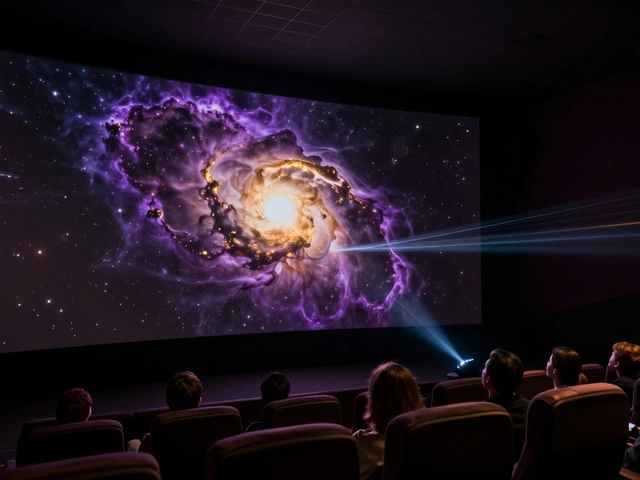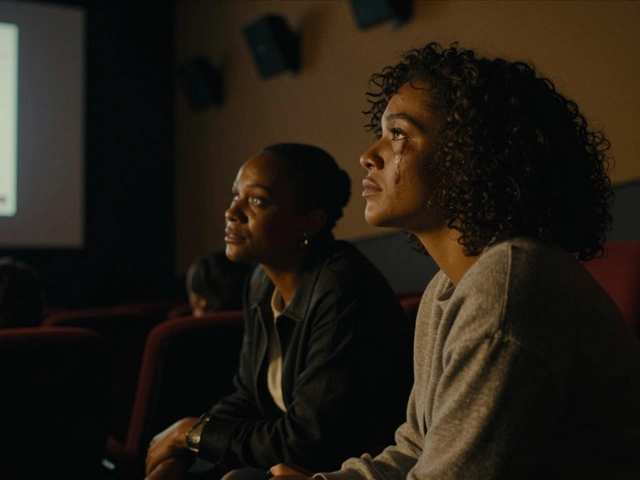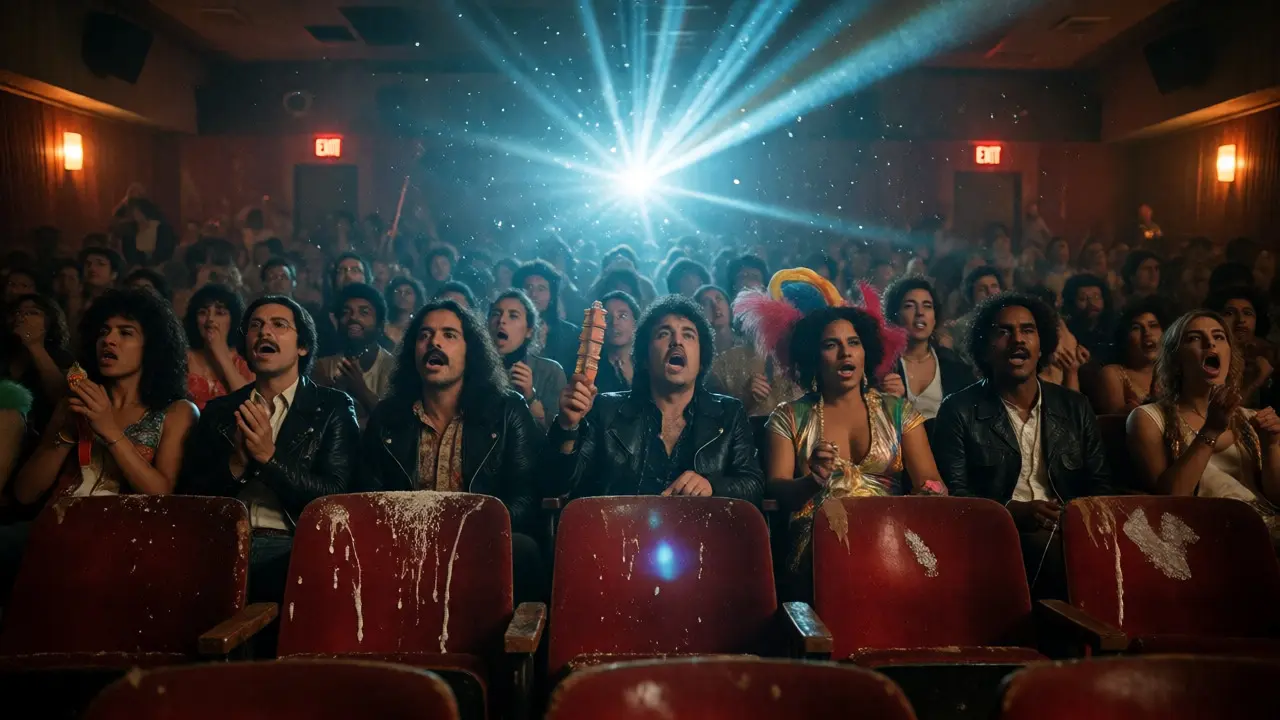
You know that specific electric hum in a theater at 1 AM? It’s not just the projector. It’s the people. In the late 70s and early 80s, if you were queer, broke, and bored, you didn’t go to the multiplex. You went to the grindhouse. You went to the places showing queer cult classics where the seats were sticky, the screen was scratched, and the audience knew every line before the actors did. These weren’t polite viewings. They were rituals.
We often talk about mainstream acceptance of LGBTQ+ stories today-think Love, Simon or Brokeback Mountain. But those films stand on shoulders built by midnight screenings. Before streaming algorithms could suggest your next favorite movie, community was curated by word-of-mouth in darkened rooms. This is the story of how a niche audience turned forgotten B-movies into sacred texts, and why that energy still matters for modern cinema.
The Anatomy of the Midnight Movie Phenomenon
To understand queer cult status, you have to understand the venue. The midnight movie wasn’t just a time slot; it was a subculture infrastructure. Starting with Elgin Theatre in New York City in 1975, these screenings created a safe(r) space for marginalized groups. For gay men, lesbians, and trans individuals who faced hostility in daytime theaters, the night offered anonymity and camaraderie.
Why did this happen then? Two things collided: the end of the Production Code and the rise of independent distribution. Studios had abandoned low-budget exploitation films. Independent distributors like New Line Cinema (founded specifically to distribute Reefer Madness) saw an opportunity. They targeted urban centers with large queer populations. San Francisco’s Castro district, NYC’s East Village, and later LA’s Silver Lake became hubs. The formula was simple: pick a weird, campy, or controversial film, market it directly to counterculture press, and let the audience do the rest.
The interaction between screen and seat changed everything. In a regular screening, you watch. At a midnight show, you participate. You shout back. You throw rice during wedding scenes. You dress up. This participatory nature allowed queer audiences to reclaim narratives that were often played for straight laughs or tragic pity. By cheering for the "villain" or mocking the "hero," they signaled their own values.
Case Study: The Rocky Horror Picture Show Effect
You can’t discuss this topic without addressing the elephant in the room-or rather, the alien in the fishnet stockings. The Rocky Horror Picture Show is the prototype. Released in 1975, it bombed initially. Then, it found its home at the Waverly Theater in Greenwich Village. Within months, it wasn’t just a movie; it was a weekly event.
What made it work for queer audiences? On the surface, it’s a sci-fi parody. Underneath, it’s a deconstruction of gender norms. Dr. Frank-N-Furter isn’t just a mad scientist; he’s a non-binary icon living out loud in a conservative world. When Richard O’Brien wrote the script, he drew from his own experiences as a gay man in Britain. The audience recognized themselves in the absurdity.
The shadow casters-the fans who acted out scenes live on stage-became part of the lore. Many early shadow casters were queer kids looking for a tribe. The ritualistic repetition of watching the same film for years created a deep sense of belonging. If you missed Tuesday night, you felt left out. This model proved that a film doesn’t need critical acclaim to survive; it needs a community that refuses to let it die.
Beyond Camp: The Gritty Side of Queer Underground
While Rocky Horror gets the headlines, other films carved different niches. Not all queer cult classics are fun. Some are raw, disturbing, and deeply personal. Take John Waters’ work. Films like Pink Flamingos (1972) and Female Trouble (1974) weren’t just camp; they were aggressive challenges to bourgeois taste. Divina, the drag queen muse, wasn’t asking for permission. She was taking space.
Waters’ films attracted a mixed crowd of punks, queers, and art-school dropouts. The appeal wasn’t comfort; it was shock. For a generation of queer youth tired of being invisible or portrayed as victims, seeing characters embrace filth and chaos was liberating. It said: "We don’t want to be respectable. We want to be real."
Then there’s the lesbian underground. While gay male cinema got more midnight traction, films like Desert Hearts (1985) gained cult status through video rental stores and college screenings. Donna Deitch’s film was one of the first to depict a lesbian relationship with genuine emotional depth rather than tragedy. Its slow-burn popularity among women’s groups and feminist bookstores mirrored the midnight phenomenon but in a quieter, more intimate way.
How Audiences Saved Forgotten Gems
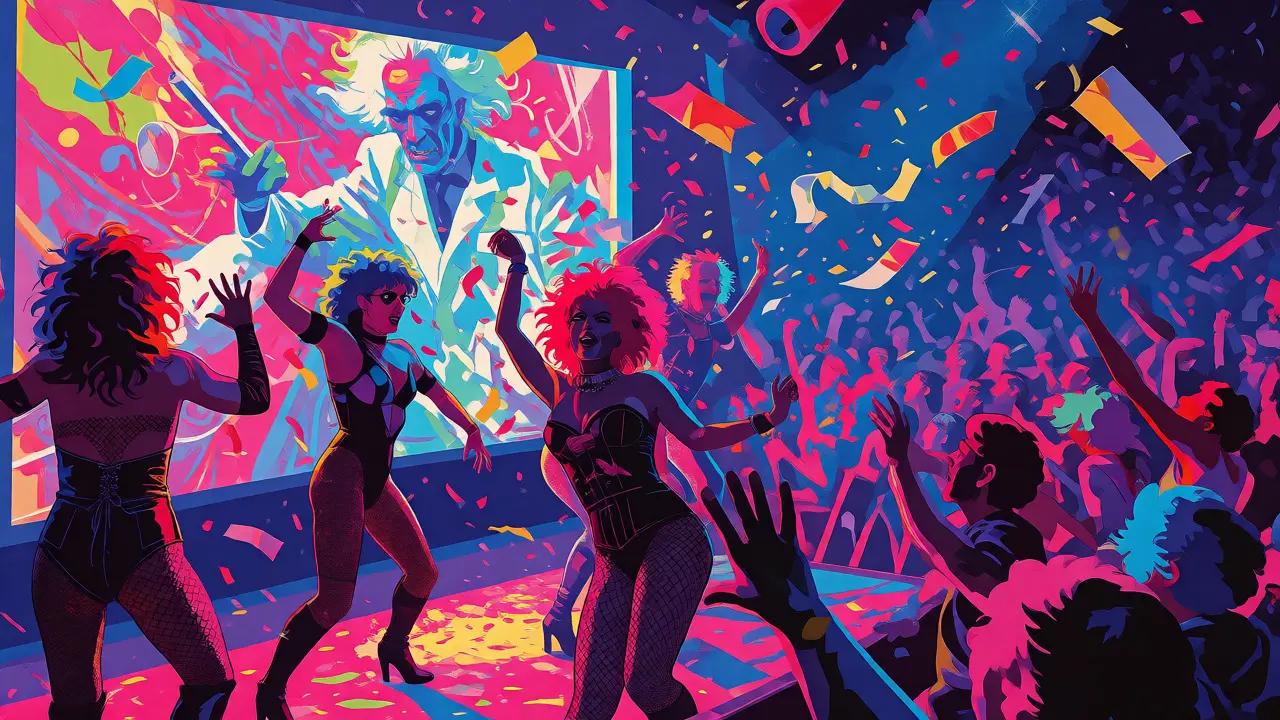
Many films we consider classics today would have vanished into obscurity without midnight audiences. Consider Vampyros Lesbos (1971), a Spanish softcore vampire film. Critics ignored it. But in London’s gay clubs and NYC’s midnight slots, it became a sensation. Why? The aesthetic. The psychedelic visuals and female-centric horror resonated with queer sensibilities that valued style over substance.
This pattern repeats. Beyond the Valley of the Dolls (1970) was a mess of a plot, but its satirical take on Hollywood and its vibrant soundtrack made it a staple. Audiences kept renting VHS copies, keeping the rights active. When DVD came along, studios re-released these titles because they knew a dedicated fanbase existed.
The economic impact is underrated. A midnight hit might only earn $50,000 in its original run, but its long-tail revenue from home video, merchandise, and special anniversary screenings can exceed millions. Distributors learned to listen to these niche markets. If a film has a cult following, it’s never truly dead. It’s just waiting for the right moment to return.
The Digital Shift: From Sticky Seats to Discord Servers
Fast forward to 2026. Do midnight movies still exist? Yes, but they’ve mutated. The physical theater experience remains vital in cities like Asheville, where venues like the Fine Arts Theatre host monthly cult film nights. The communal aspect-laughing together, gasping together-is something a laptop can’t replicate.
However, the primary engine of queer cult culture has moved online. Social media platforms allow fans to organize watch parties across time zones. Hashtags create instant communities around obscure releases. A small indie queer film released in 2024 can find its global audience within weeks, bypassing traditional gatekeepers entirely.
Yet, something is lost. The friction of going out, the risk of encountering strangers, the shared physical space-it forced integration. Online, we curate our bubbles. We watch what we already like. The magic of the midnight movie was often stumbling upon something you hated, then loving it because your friends loved it. That accidental discovery is harder to engineer digitally.
Modern Successors and the Future of Queer Niche Cinema
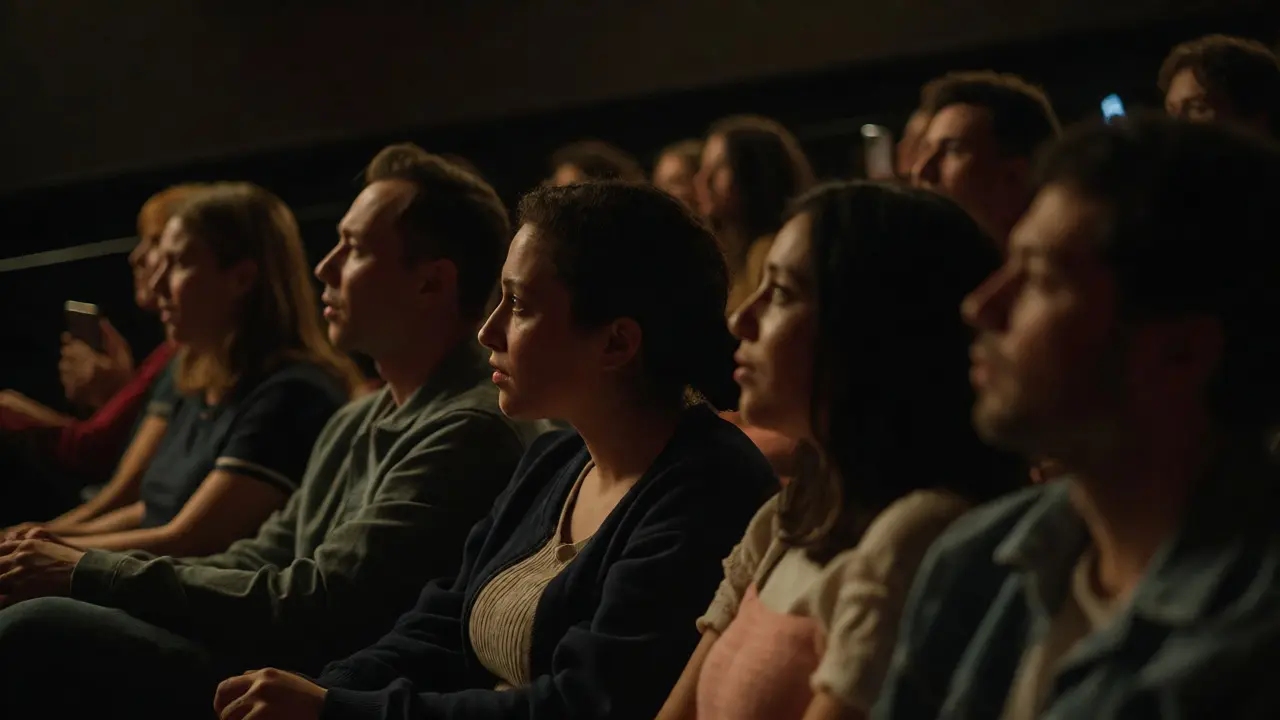
Today’s filmmakers inherit this legacy. Directors like Sean Baker (Tangerine, filmed on iPhones) and Celine Sciamma (Portrait of a Lady on Fire) benefit from the groundwork laid by midnight audiences. Their films often premiere at festivals like Sundance or TIFF, but their longevity depends on building a similar fervor.
Look at Moonlight (2016). It wasn’t a midnight movie in the traditional sense, but its reception mirrored the cult phenomenon. Fans quoted lines, analyzed frames, and defended the film fiercely against detractors. The emotional investment was identical to shouting at Rocky Horror.
New genres are emerging too. Queer horror is having a renaissance. Films like Come True or They Cloned Tyrone tap into the same anxieties and aesthetics that fueled earlier cult hits. The difference? Representation is no longer optional. Audiences demand authenticity. If a character feels tokenized, the internet will roast them faster than any midnight heckler could.
| Era | Primary Venue | Audience Interaction | Key Driver |
|---|---|---|---|
| 1970s-1980s | Grindhouses / Repertory Theaters | Live chanting, dressing up, prop throwing | Scarcity & Community Need |
| 1990s-2000s | Video Rental Stores / College Campuses | Word-of-mouth, zines, fan clubs | Nostalgia & Access |
| 2010s-Present | Streaming / Social Media / Specialty Screenings | Twitter threads, TikTok edits, virtual watch parties | Algorithmic Discovery & Identity Validation |
Building Your Own Queer Cult Collection
If you’re looking to explore this world, don’t just stick to the obvious hits. Dig deeper. Here’s a starter pack for understanding the breadth of the genre:
- The Camp Classic: Hedwig and the Angry Inch (2001). A rock opera about identity and transformation. Essential viewing.
- The Transgressive Art House: Poison (1991). Todd Haynes’ debut blends Jean Genet with punk aesthetics. It’s messy and brilliant.
- The Lesbian Noir: Bound (1996). The Wachowskis’ first feature. Tight, stylish, and surprisingly tense.
- The Modern Cult Hit: Crush (2022). A thriller that taps into millennial anxiety and queer desire, finding new life on streaming platforms.
Watch them with friends. Talk about them afterward. Argue about the meaning. That’s the core of the cult experience. It’s not passive consumption; it’s active engagement. The film becomes a mirror for your own experiences, fears, and joys.
What defines a "cult classic" in queer cinema?
A queer cult classic is typically a film that failed commercially or critically upon release but developed a passionate, dedicated fanbase over time. Key traits include distinctive aesthetics, themes of marginalization or subversion, and high re-watchability. The audience often participates actively, creating rituals around viewing.
Why were midnight screenings important for LGBTQ+ communities?
Midnight screenings provided a safe social space where queer individuals could gather without fear of daytime judgment. They fostered a sense of community and identity validation. The late hours also aligned with nightlife culture, making attendance easier for those working service jobs or seeking entertainment after dark.
Are there current queer films becoming cult classics?
Yes. Films like Palm Springs (which features significant queer subtext and cult-like quotability) and Aftersun (gaining intense emotional resonance online) show signs. Modern cult status often builds rapidly via social media virality rather than decades of theatrical reruns.
How does streaming affect the cult film ecosystem?
Streaming democratizes access but dilutes the communal ritual. Algorithms help discover niche titles, but the lack of physical gathering spaces reduces the performative aspect of fandom. However, specialized streaming services (like MUBI or Criterion Channel) and virtual watch parties are recreating some of that connection.
Can a straight-directed film be a queer cult classic?
Absolutely. Intent doesn’t dictate reception. Many films directed by straight creators, such as Edward Scissorhands or The Craft, have been adopted by queer audiences due to themes of otherness, camp value, or visual style. The audience ultimately decides the cultural significance.